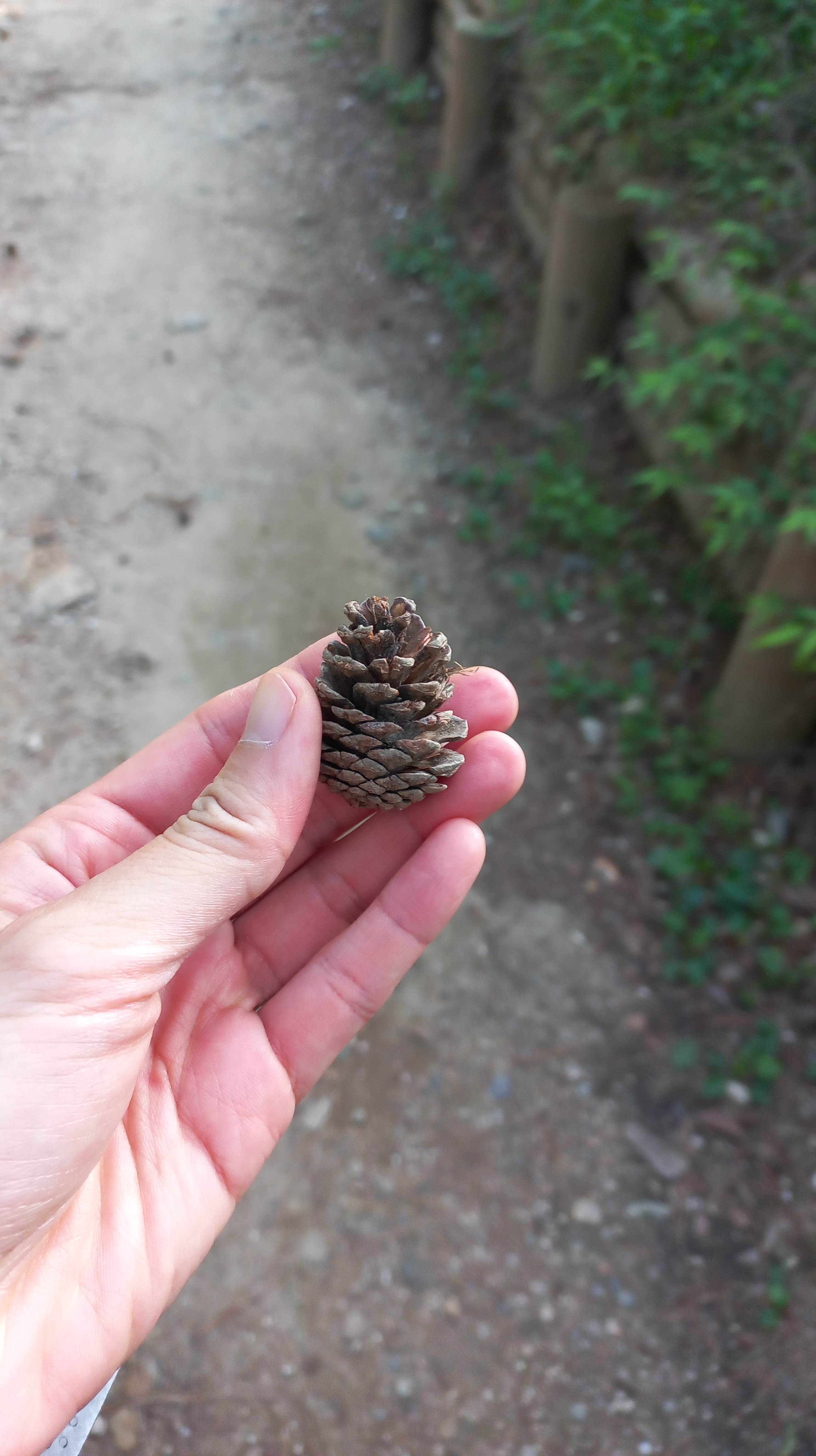
The symphony of cicadas is dying down. I feel a slight change in the tinge of green on the trees. With every passing day of winds bringing with it a new day. Change is in the air. A reminder that time keeps moving.
The sun is setting earlier now and there is a slight chill in the air at night. Not enough to warrant a jacket yet but enough to elicit goosebumps. I’ve never been really good at trans seasonal clothing.
Goosebumps. I have heard these words muttered much more recently. Summer felt so short though I am glad to be past the sweltering and humid days and nights.

We hopefully now bid our farewell to the dragonflies and mosquitoes. Autumn leaves will be here soon. Snow is close.
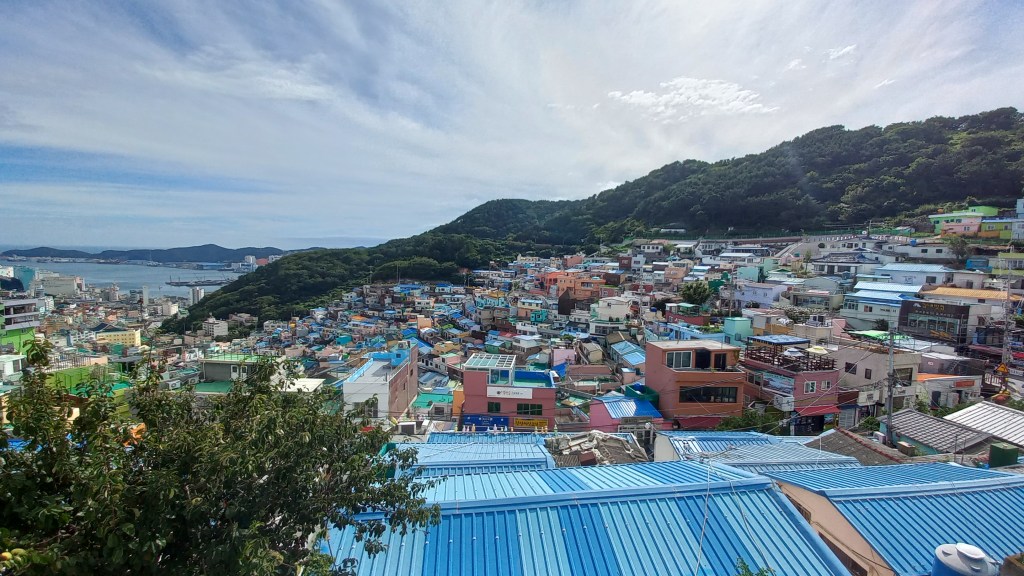
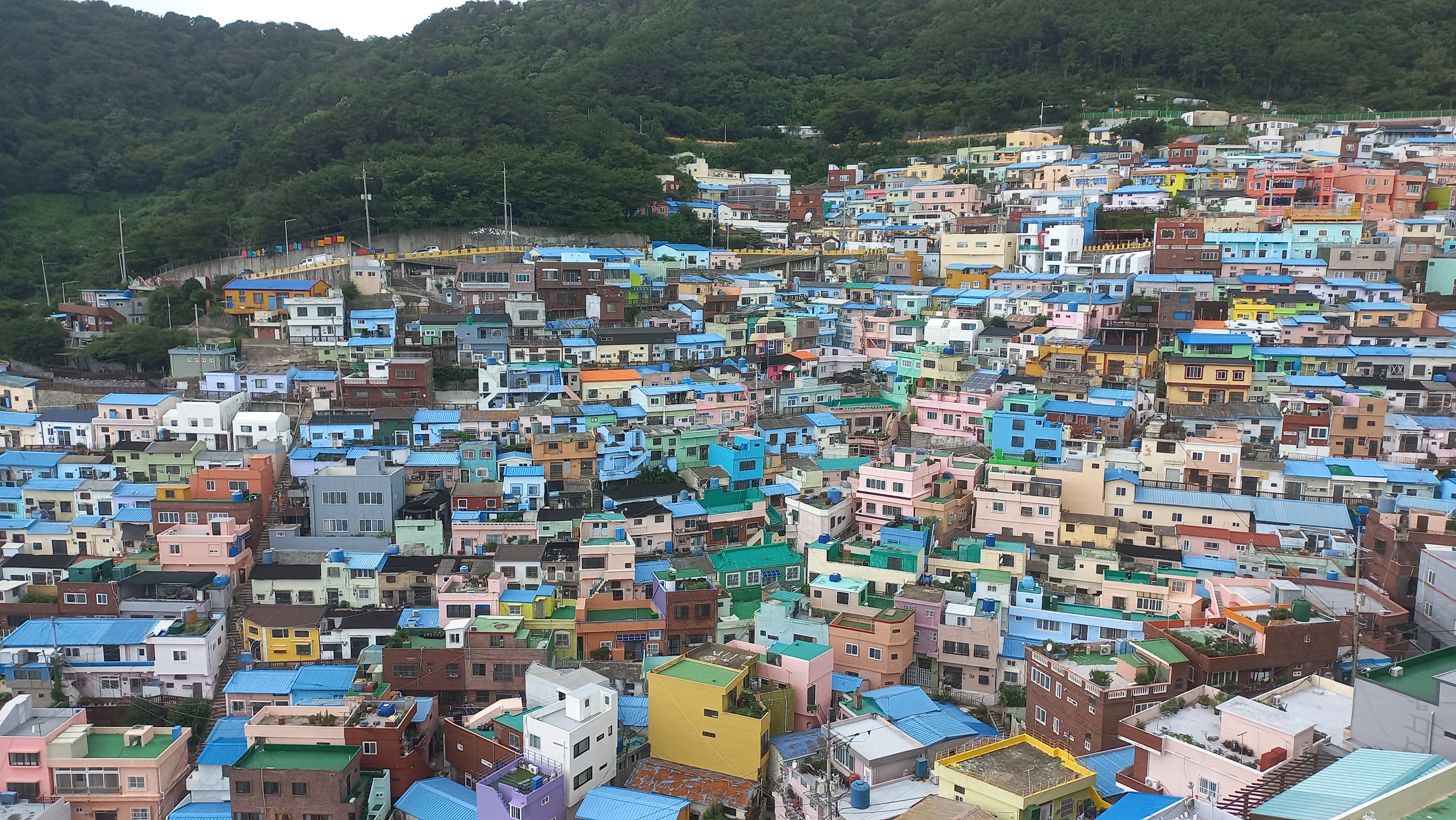
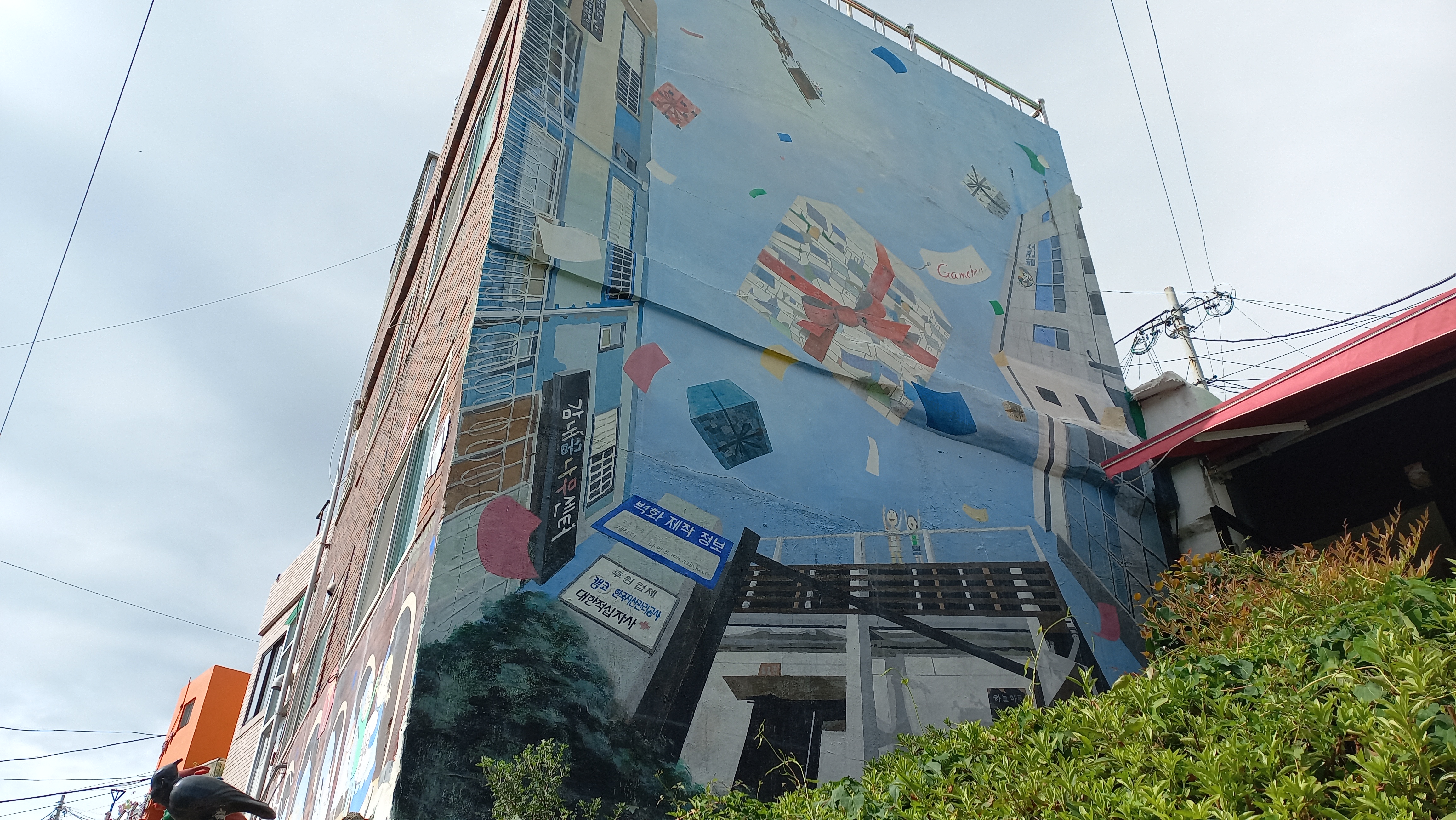
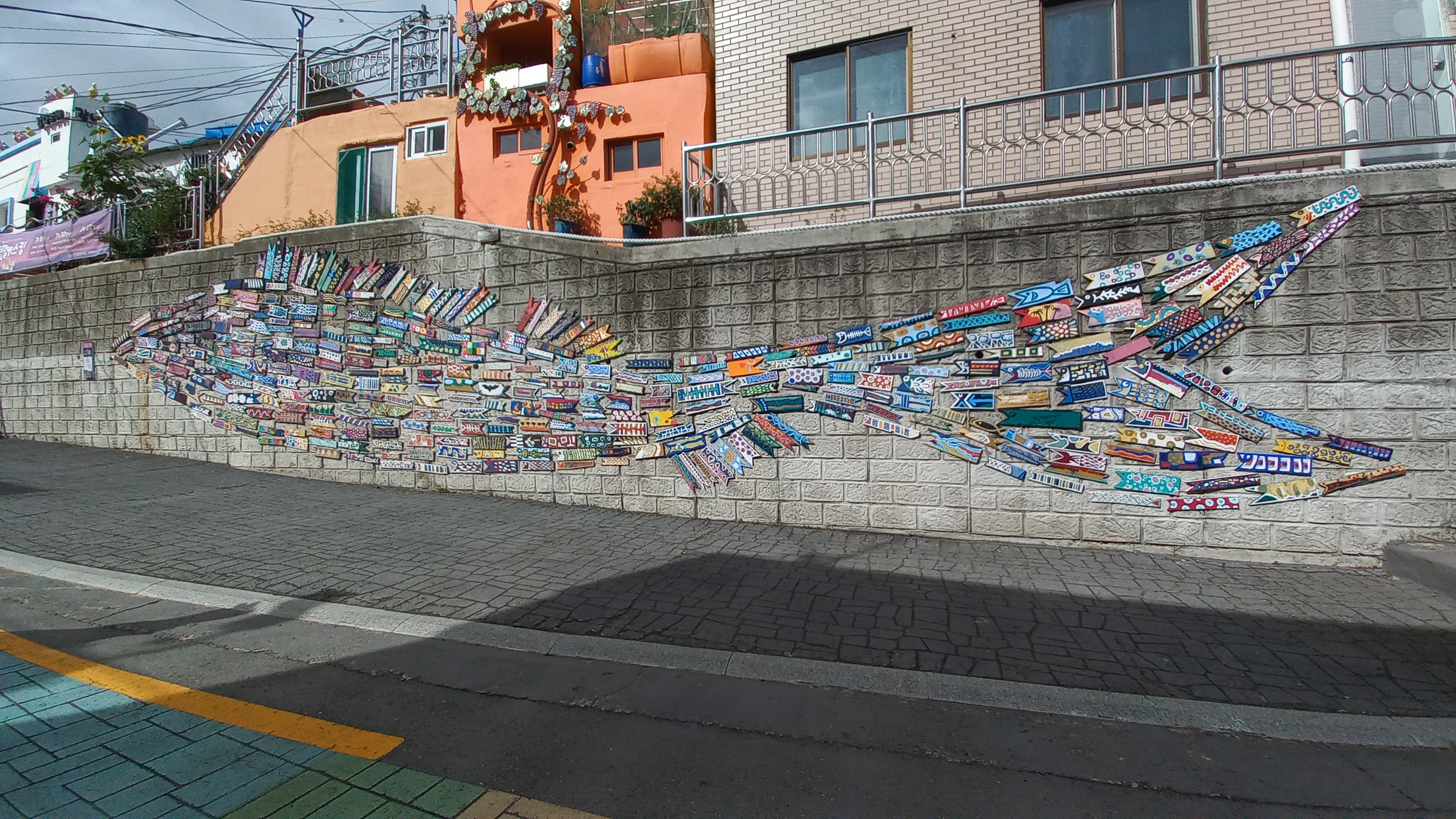
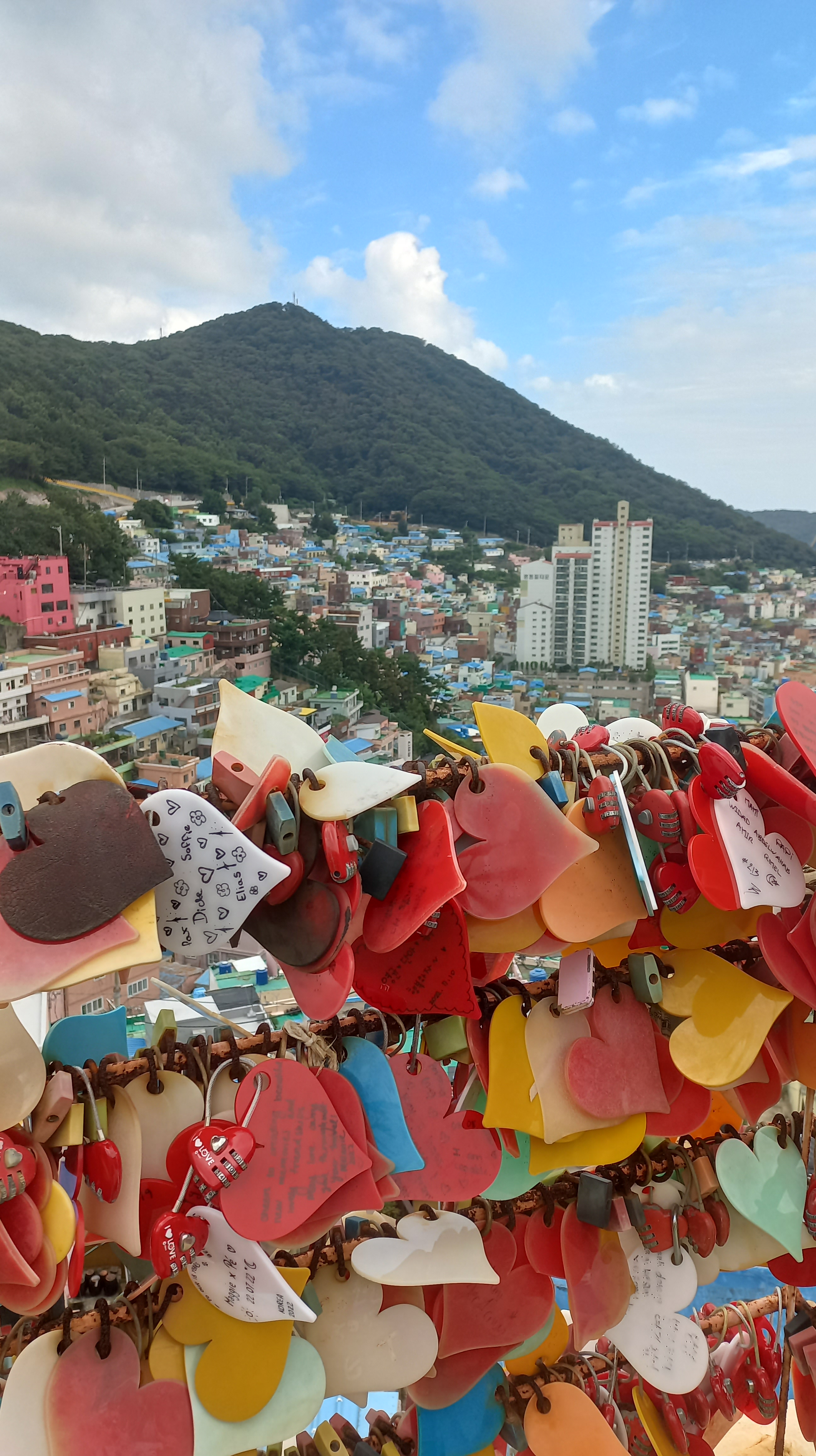
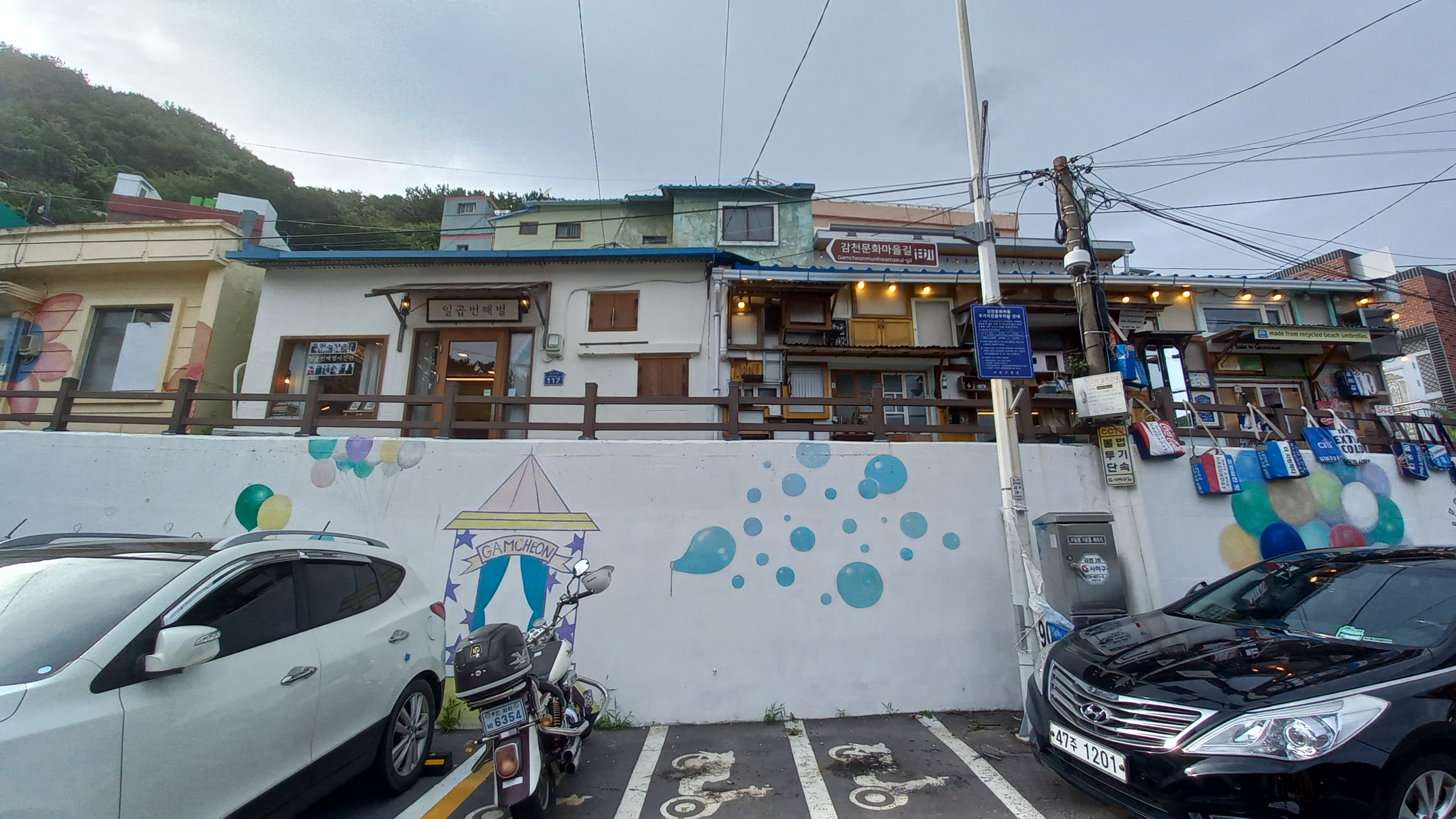
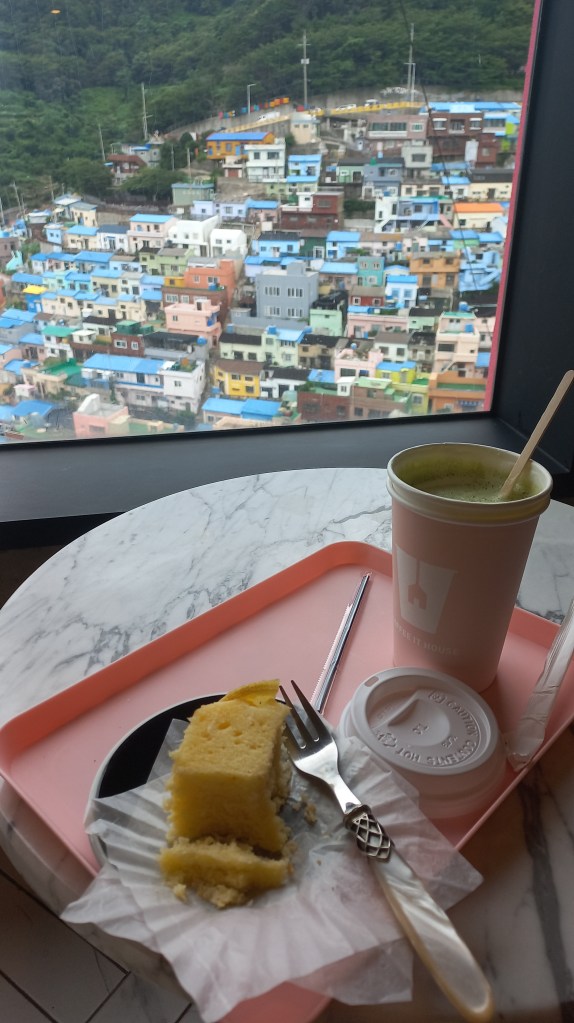
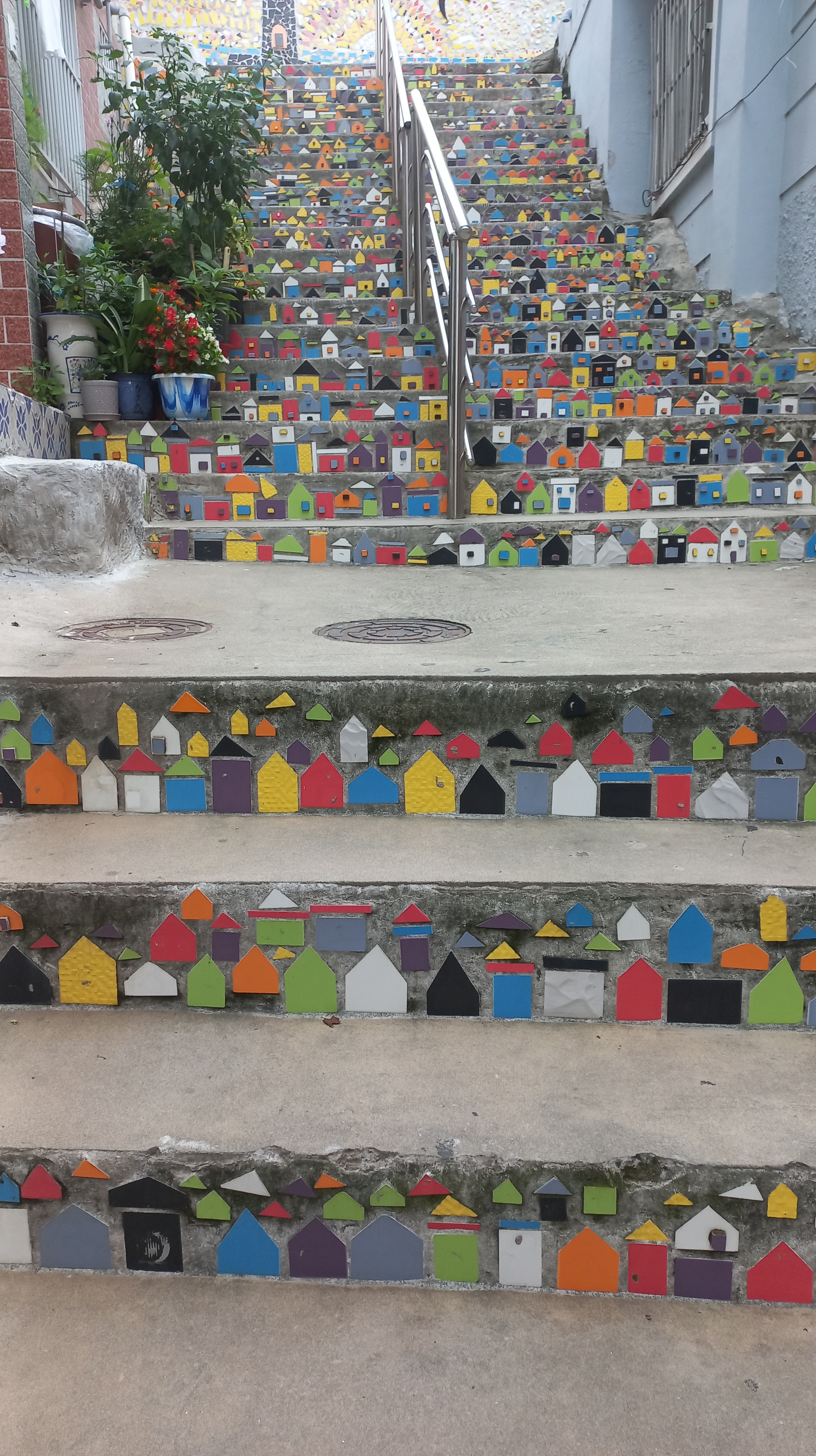
Another ‘must see’ in Busan is Gamcheon Culture Village. Located to the west of Busan station, this hillside pantone coloured village is a great place to spend a few hours. Preferably in a cafe with sweeping views of this village.
This village was built by refugees who settled here after the Korean war in the 1950s. In 2009, the Ministry of Culture, sports and Tourism asked for artists and art students to make over the town to make it an attractive tourist destination to revive the village. Abandoned homes were turned into museums, shops and cafes. It is now one of the popular tourist destinations in Busan. Sadly, I think the pandemic has really affected this village. Whilst many places are currently open, I think that many places also disappeared due to the lack of tourists.
Start at the Gamcheon Tourist Information Centre which will allow you to snake around to the other side of the village. It’s a great place to wander into the souvenir stores selling a variety of Korean handmade items. I’m sure if you’re looking for souvenirs, you’ll find something! There are a handful of snack stalls along the way too if you’re peckish.
There is also the opportunity to rent hanboks if you would like to too!
Obligatory photo with the Little Prince and fox
Enjoying the view at Coffee It House
148 stairs (it’s better to go down them)
Once you get to the other side, you can snake your way down via the 148 stairs. To be honest, the lower streets didn’t contain as much. There is artwork around if you walk around but there are not many stores nor cafes heading in this direction. At the bottom of the 148 stairs, there is a beautiful flower filled cafe though.
You can follow the signs out to the bus stop and take the same buses back into town.
How to get there: If you catch a metro to Jagalchi Station and head to exit 1. There will be bus stops there where the green buses 2, 2-2 or 1-1, will take you to Gamcheon Village Information Centre (the entry way to start walking in Gamcheon Cultural Village). Gamcheon Village Map: Available from the Gamcheon Village Information Centre for 2000 won. As of Aug 2022, there are only 4 stamps to collect throughout the village.
I know I write a fair bit on ‘minimalism’ on here and the broad meaning that it has. I’m still not very good at it and am trying to find my way of minimalism. The move to a new country helped. I came with my 2 suitcases and 7 pairs of shoes. I came with a handful of clothing for each summer/winter, all my thermals and 5 jackets which I am yet to wear.
With my summer items, I think I packed well. I brought over x3 tshirts, x3 shorts, x2 dresses and x1 skirt for casual wear. Unfortunately, all the walking here has meant that 1 pair of shorts are now abit too big for me! I have since added another x4 tshirts which was probably too many. One of my white tshirts that I brought over is not so white anymore and unfortunately I made the error of adding another white t-shirt (which is also now not so white). I should stop buying white t-shirts.
I’m not very fond of the fashion style here so I’m pretty sure I’ll be living in my t-shirts.
For work wear, I came with exactly x5 summer work tops and x3 summer work skirts. I have gone through all of these weekly on rotation. I’ve already lost x1 summer work top (which again is white and now not so white) and am not too keen on replacing it as the seasons will soon be changing anyway. I have added a pair of work pants that I purchased here which I love. Whilst my summer skirts can be paired with stockings, 2 of these won’t last the winter as they fabric they’re made from won’t be suitable (linen and bamboo). I’m sure I’ll be able to find a wool skirt or something similar soon.
This has made me realise that I have wayyyy too many clothes back home which I don’t even remember what. This is a new way forward for me!
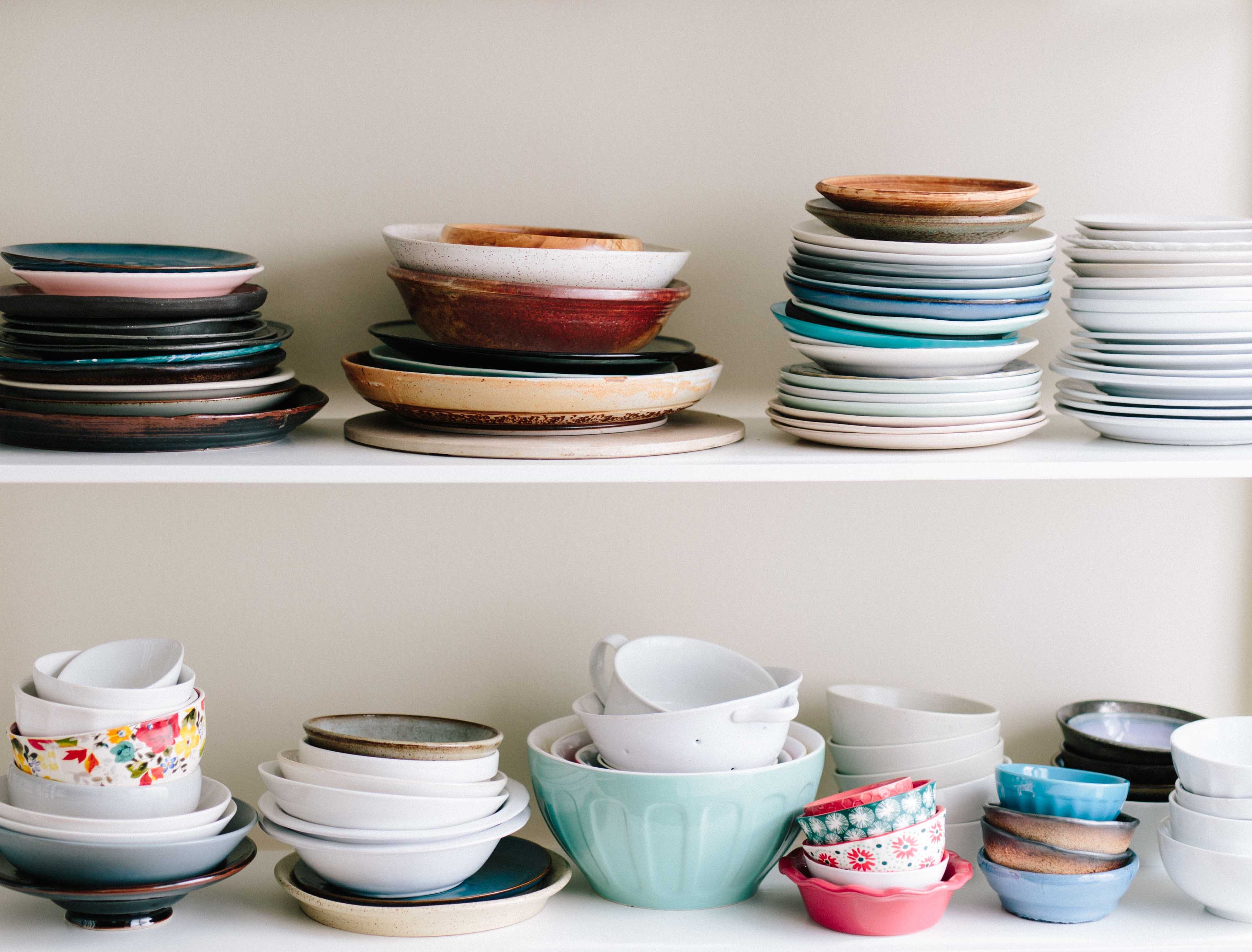
Apartment wise, I was left with a blank slate. I was given some kitchen utensils (2 plates, 2 bowls, a pan, a saucepan and 1 set of cutlery), fridge, microwave, a mattress and a set of bed sheets. And that’s about it. I have added a stool, a floor couch, a small table and some plants to make my place feel more homey and also so I have somewhere to sit.
I was so focused on what living in a different country would offer me, new food, new culture, new language, new job and new experiences that I didn’t even really think of what it would offer me in my mindset and way of living. I just knew I had limited luggage space to be bringing my things back and forth but didn’t realise how valuable this experience would be. The reset has finally really made me realise how to live minimally (or at least trying to and improving my way to).
Have you experienced any resets in the way that you were living?
When we were granted a summer vacation of 5 days, my travel itch could not be contained. I knew that our summer break fell in the middle of school holidays so I had to be quick on booking to secure the better prices. And so, I booked to go to Busan for the 5 days.
Busan is located on the south east of Korea and is famed for it’s beautiful beaches and beach side lifestyle. Busan can be reached in 3 hours from Seoul (or 2.5 hours from Suwon) via the express train- known here as the KTX train. Booking tickets online was very straight forward and interestingly, tickets can only be booked 1 month in advanced. If you book prior, you won’t get a seat allocation confirmation until closer to the departure date.
I had another experience of a collective society when I got to the train station, you just enter onto the platform. There wasn’t even anyone checking tickets! I thought maybe there would be a ticket inspector on the train but no-one! On the platform, your carriage numbers are marked by poles and then seating inside the train is akin to that of other long distance trains in other countries.
It is advisable to bring any food/drinks onboard with you as I believe there is only a vending machine on the train but I’m not sure if they are only available to the first class carriage. There are charging points, reclining chairs, toilets and also luggage space if you’re carrying a bigger suitcase.
Once arriving at Busan Station, I walked to my accommodation which was nearby to check in. Then I hightailed it to the beach. The forecast for my trip was rain every day except the day I arrived, so I wanted to visit Haeundae Beach to enjoy it while the weather allowed.
It is easy to get around Busan with their extensive metro system. From Busan station to Haeundae, it took around 40 minutes on the metro and included a line change. When visiting Korea, you will probably get a T-Money card which you just load up with cash and can use it countrywide on all the metros and buses.
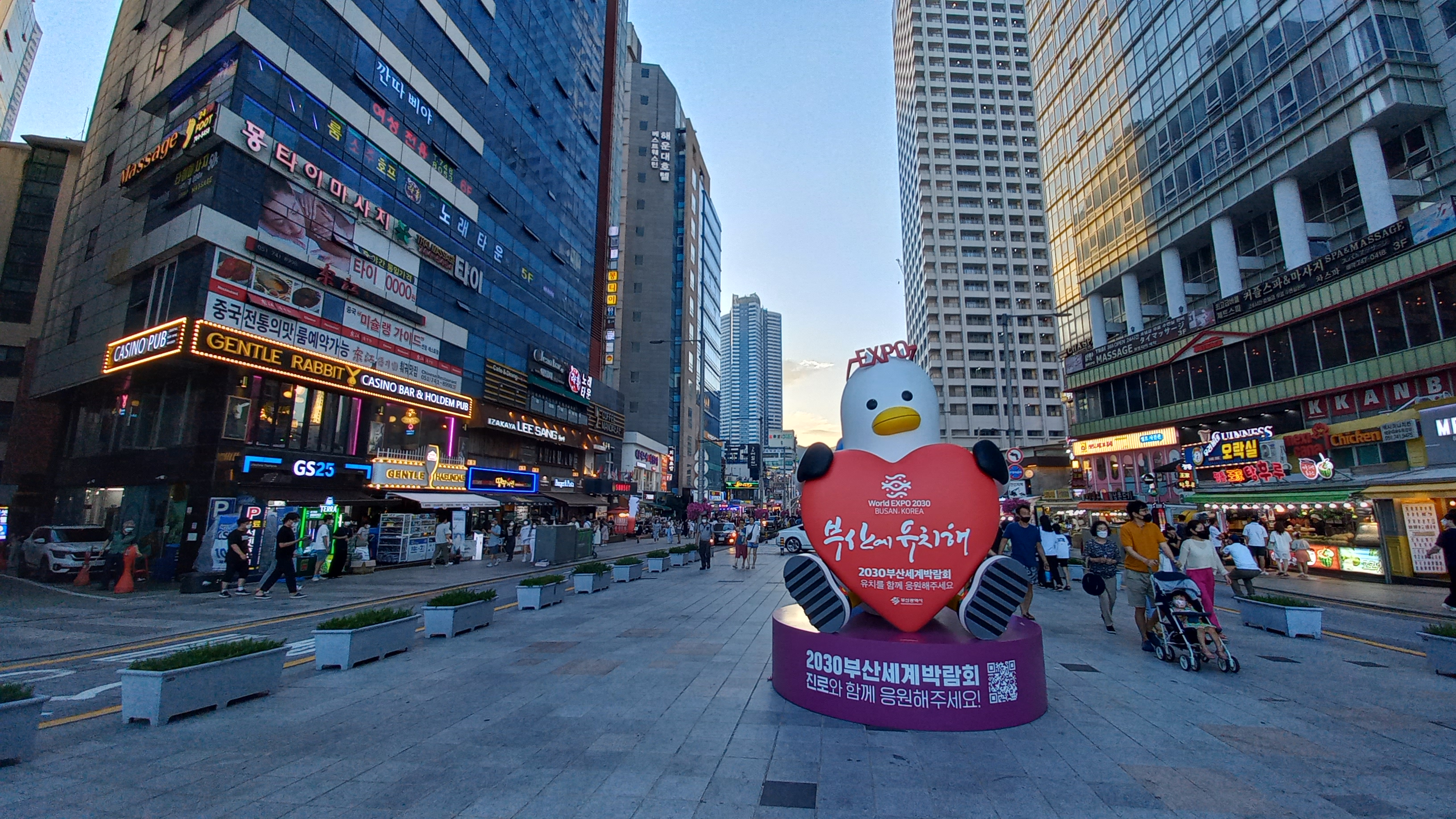
Main street from the station to the beach. Busan is bidding to be the hosting city for the World Expo 2030
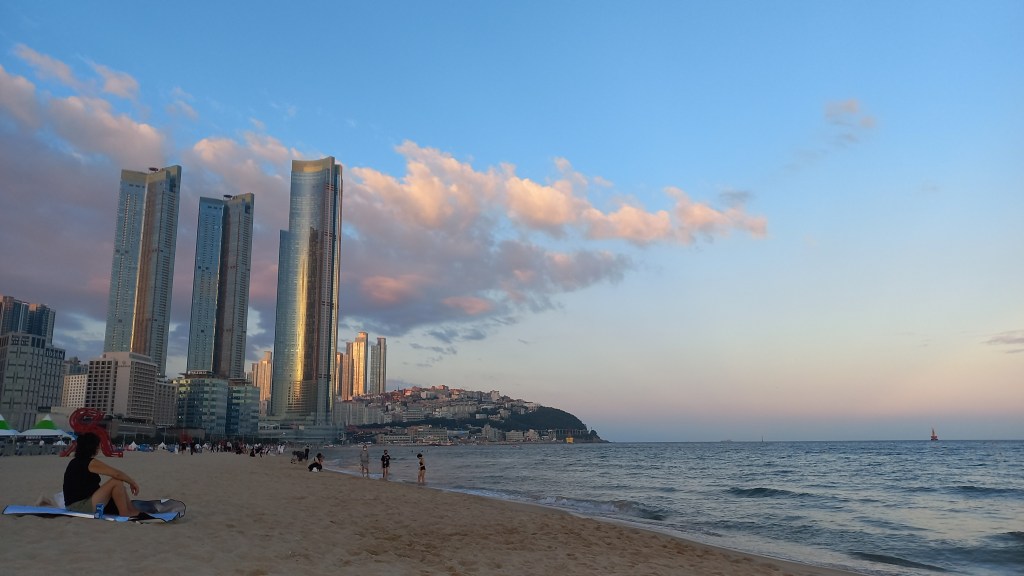
Haeundaue station is the closest station and includes a nice stroll down a promenade to the beach. Here, you’ll past by plenty of restaurants and cafes where you can refuel. Haeundae Beach is famed throughout Korea. As an Australian and therefore a beach snob, I have to admit. Haeundae is a very beautiful beach complete with very fine sand. Surrounded by skyscrapers and mountains, I would never imagine having these contrasting images surrounding me. The best of both worlds?
Nearby, there are the traditional Haeundaue Market where you can purchase street food, restaurants and fruit stores. It was interesting to just walk through to see the fruits on offer, the street food on offer and tanks filled with seafood.
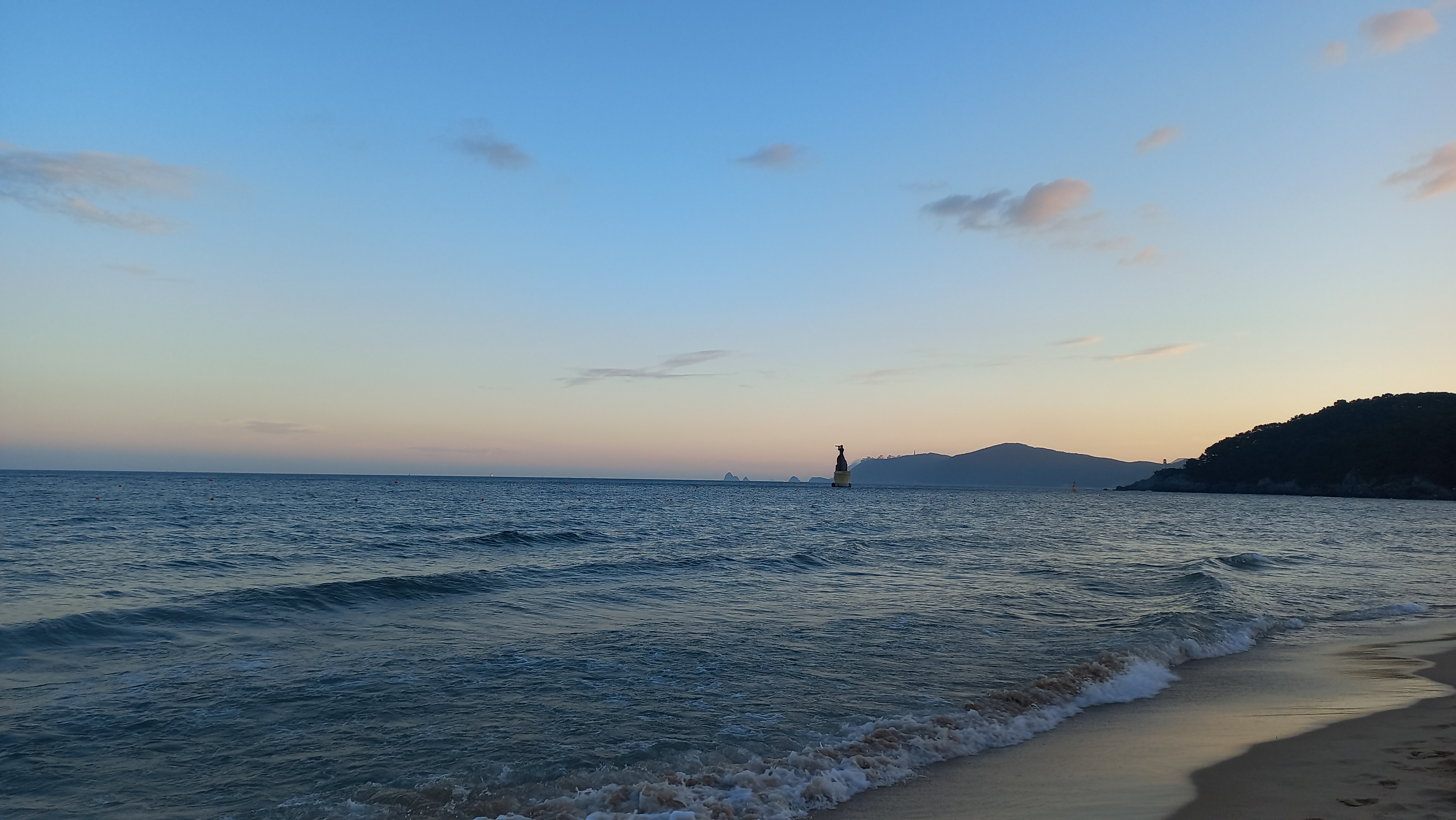
I found a nice spot on the huge beach to watch sunset sky on this beautiful day.
Have you been to Busan? Did you visit Haeundae Beach?
We are out of the peak humidity right now in South Korea and whilst I’ve gotten use to being outside and being covered in my own stickiness, I am more cautious about the humidity within my apartment. With humidity, comes mould and is something that is not too foreign to me. Whilst living in Sydney near the beaches, it was common to talk to colleagues who lived nearby about the wardrobe mould they kept finding. This year particularly, Sydney has had a lot of rain and I would imagine, many household have had their fair share of adventures with mould.
But in Korea, the humidity is expected in the summer. While dehumidifiers do exist, for those of us working away from home- this is not that practical as I would imagine you’d be emptying out the water often.
With this in mind, I had 2 problem areas. My suitcases still house my winter items and my apartment does get pretty toasty during the day. The second area was the pantry cupboard. So off I went to Daiso, the Japanese store that sells everything for cheap, to see what I could find.
First, I bought these wardrobe packs to place in my suitcase. They originally had beads inside but as you can see here, after about 3 weeks, the beads had dissolved and were now filled with water! I decided that I needed something better so bought something different the 2nd round (will explain below).
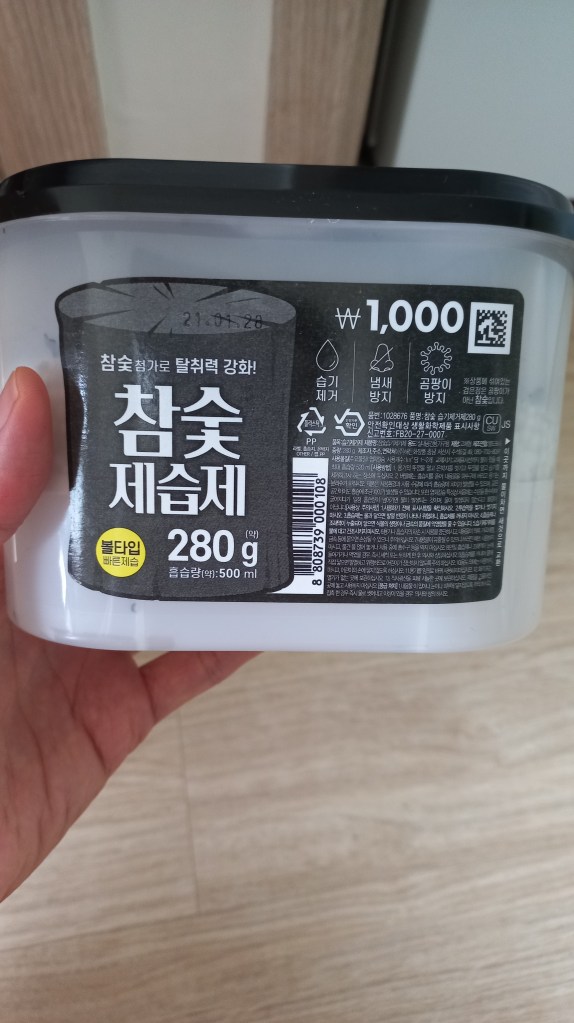
For my pantry, I bought this charcoal container which has beads at the top and can collect water underneath. I’ve since emptied it twice already in the past month.
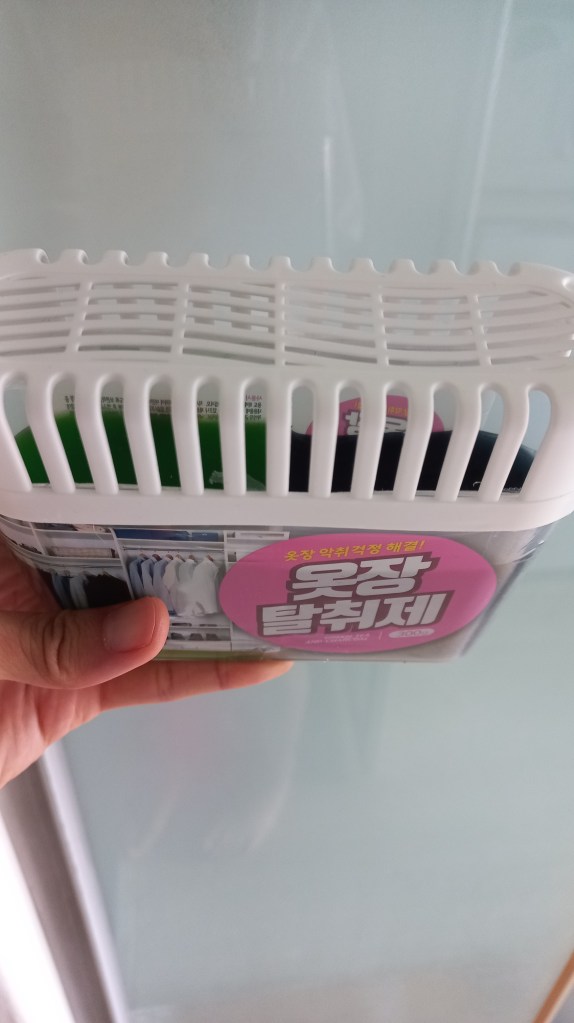
For my wardrobe, I decided to try this gel pack which has what feels like jelly inside. One side is green tea scented and the other side is charcoal.
After I saw how much water was being collected/absorbed, I went back to Daiso to find an alternative for my suitcase. I decided to buy the gel ones for my suitcase so that there are no water collection and risk of spilling. These gel ones also seem to last abit longer than those wardrobe packs I initially bought.
I also bought some more of the water collection ones to place in my pantry and inside the storage area of my wardrobe. At 2,000 won ($2 aud) each, they are a great money saving solution to the Korean humidity in summer. As these containers are plastic, they can be recycled here!
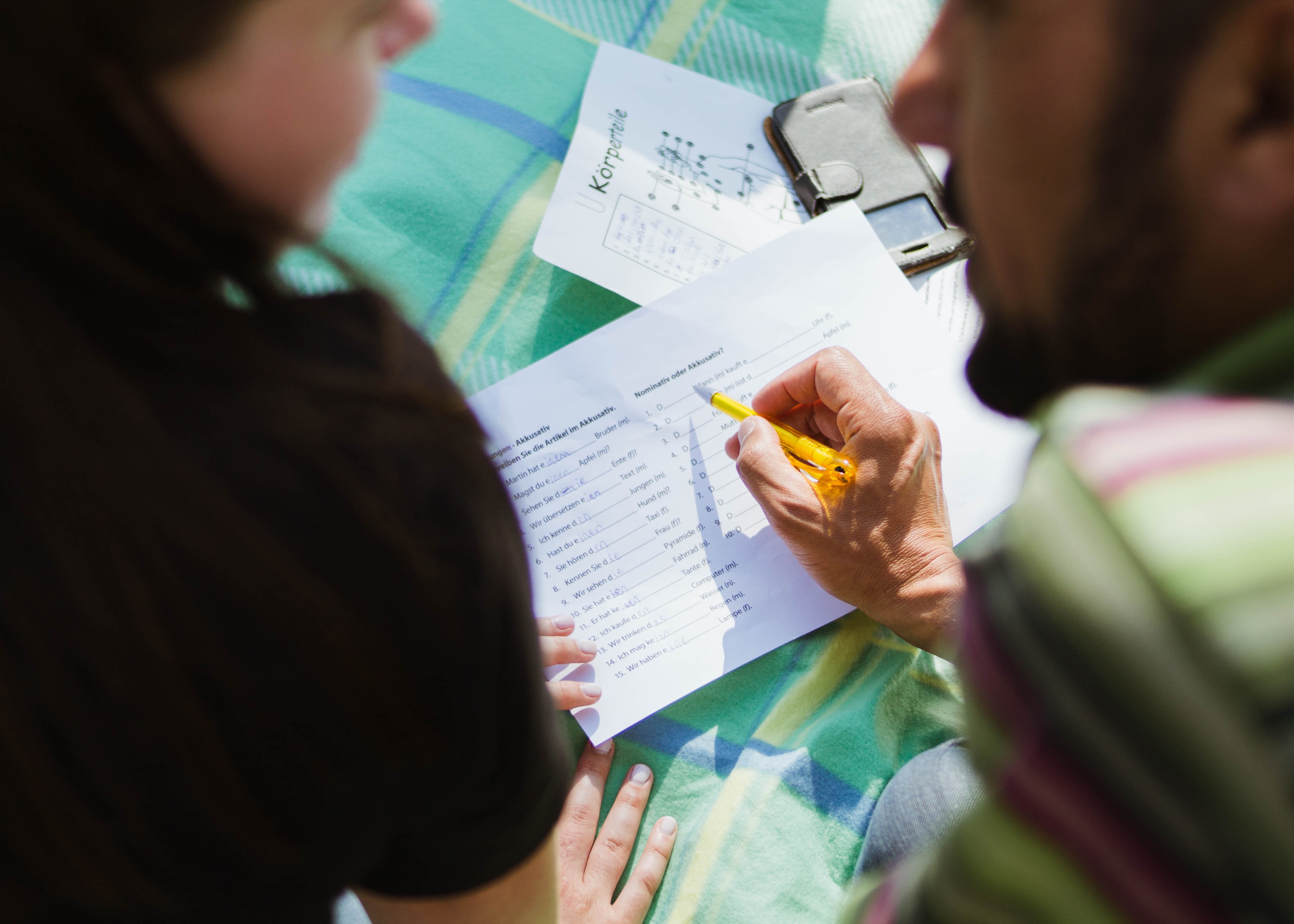
Italki in an online platform where you can book sessions with language teachers (either professional or community) to learn another language. There are many many languages (apparently over 100!). There are many many teachers each with their own style of teaching. If you prefer conversational classes, there are certain teachers who will have those whilst others go through the whole grammar, listening and speaking tasks in a lesson.
Each teacher has to upload an introduction of themselves so you can have a browse to see who would fit you best. Once you’ve decided, you can then book up to 3 trial lessons. These are 30 minute lessons which will allow you to trial a class with the teacher. These trial lessons are usually cheaper than the actual 30 minute lessons so it’s a great way to explore teachers first. The down side of course, is that you only get 3 so if you’re learning multiple languages, you might not get to trial lesson and just have to book in for a 30 minute lesson.
I’ve done a handful of lessons now and I have to say, I really like it and wonder why I hadn’t used this years ago. You can check the teacher’s availability and book in when it’s convenient for you. The good thing about having so many teachers to choose from is that if there are no convenient times for you with a teacher, you can filter for convenient times and keep searching until you find one.
I get homework from my teacher and notes sent over after the lesson so that I can review. Some teachers also do lesson packages.
The classroom is built into the website so you just click to enter the italki classroom. My current Korean teacher prefers to use zoom but it’s pretty much same same to me. You confirm after the class if you had actually taken it and then are able to rate the teacher afterwards. You can see the teacher rating and also comments from other students to help you make your decision on which teacher you want to have.
The site sends you reminders for upcoming lessons and is very straight forward to use. If you’re interested, here is my referral link where after spending $20, you will receive $5 credit and I receive $10 credit.
Have you used italki before? What are your thoughts?
Of course, I have dedicated a whole post to shoes.
When I was trying to decide the minimal amount of shoes to bring (is it even minimal?), I kept going back and forth on my selection. I already know that I’ll be walking everywhere so no heels and I would need work appropriate shoes too. Plus I wanted to pack smartly so that I could wear all my shoes often. As I will be living there for a year, I will get to experience all the 4 seasons which also means having to be ready for all seasons!
I know you might be thinking, well you can just buy shoes there too, but I don’t want to be spending money on shoes I already have and having yet another pair of shoes to have to deal with! For me, packing what I need will hopefully mean more time for adventures and less time looking for items that I need. Here are the shoes that I’m bringing with me:
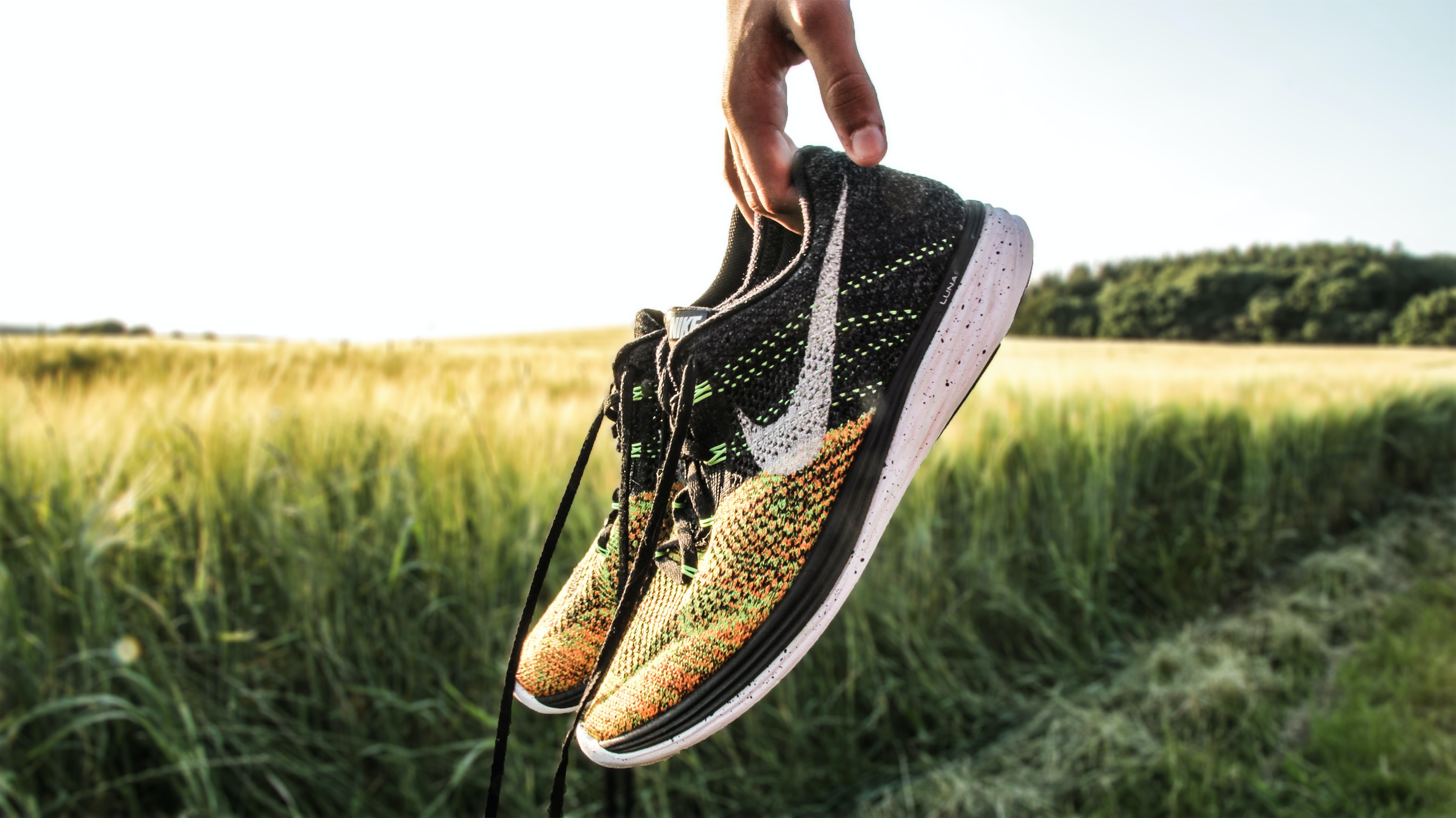
1. Exercise shoes A non-negotiable in my book. You’ve got to keep active in life plus I’m envisaging plenty of walks around the neighbourhood to explore and weekend walks. Update: Have worn a few times on my evening walks. Good decision.
2. Work flats I’ll be needing these which will also double as my “formal” shoes. Update: Have worn regularly but I keep them at work because I cannot walk for a long time in them.
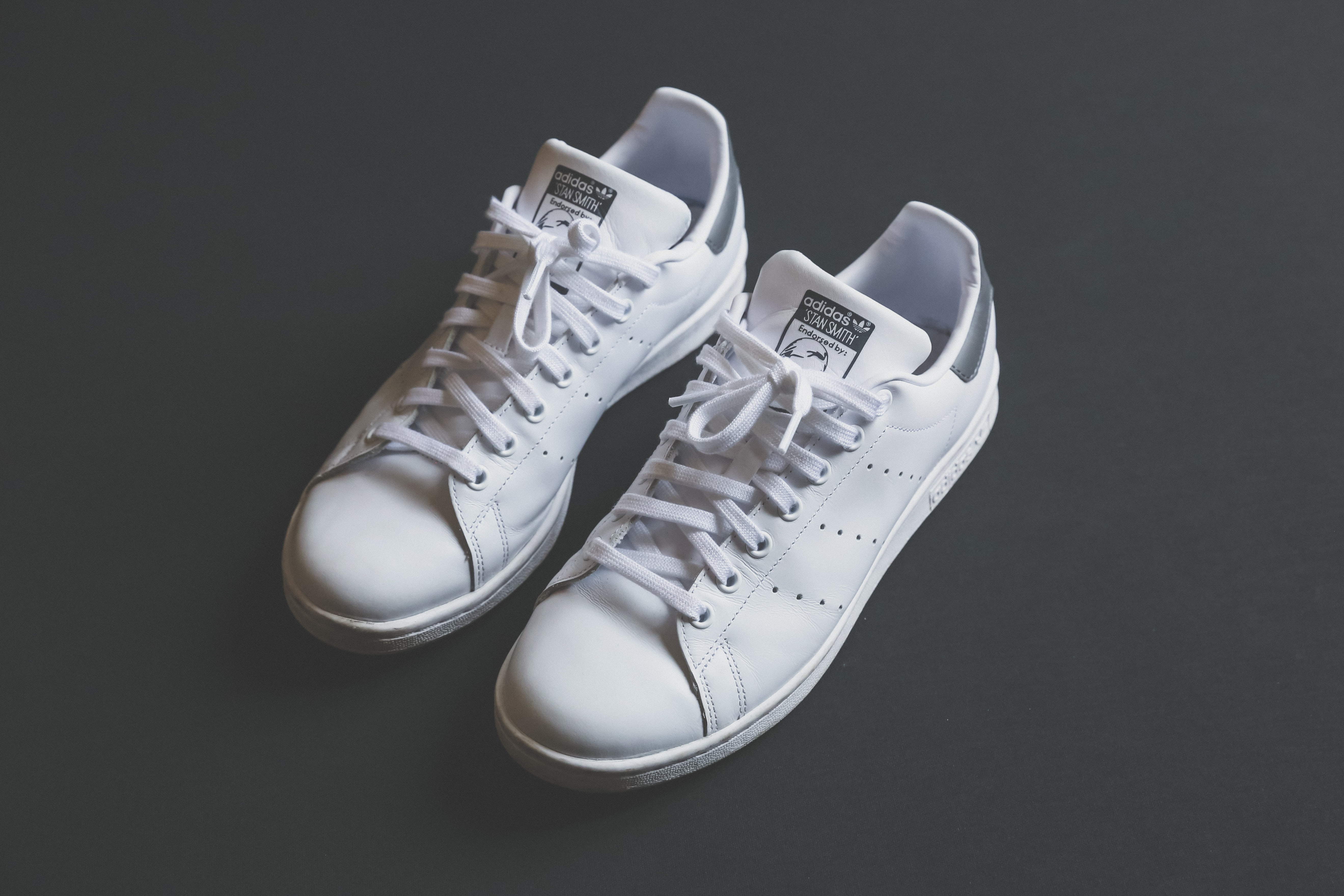
3. White sneakers These go with everything and can be worn everywhere. I think these will be my most worn shoes. The ones I’m bringing are probably halfway through their life so I am thinking I might need a replacement pair there. Update: Wear them almost all the time and also to and from work as I have to walk alot. I think once summer ends, it might be time to say goodbye to them as I was already wearing them back home and they have done a few many more kms here.
4. Ankle boots Whilst the peak summer season is short, there are many more colder months and therefore more time to wear boots! Arguable my favourite type of shoe, they will be worn to work once the weather gets colder and everywhere around town. Update: Have worn already to work. Can’t wait to wear them all the time.
5. Knee high boots I thought that another pair of boots will serve me well. I’ve been hearing about these Siberian winds that can come over so am thinking these will provide some protection. Plus I can also wear them to work. Update:Still in suitcase as it’s too hot right no. At the moment, unsure if they were a good decision to bring or not but it depends on how long the pre-snow season lasts and weather I’ll wear these in the snow?
6. Hiking shoes I feel like hiking shoes are one of those negotiable shoes but I don’t want to spend time looking for them and I already have a pair. Hiking is suppose to be a favourite past-time in Korea with their plentiful tracks and national parks. It’ll be a great way to see the autumn colours and hopefully get to see some great scenery too. Update: Also not sure if this was the wise decision as have not worn yet. It’s too hot at the moment for long hikes although I have seen people go to hikes many times.
7. Summer sandals I know these will be short lived but mine are super super comfy so that I can walk anywhere in these. Update: Have worn a few times but will usually pick my white sneakers if I’m going to be out all day.
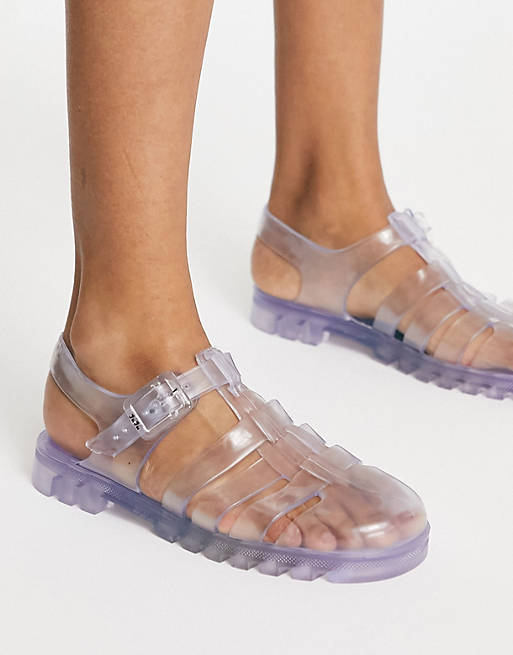
8. Bought Jelly Shoes When it rains, it pours here. I thought I could get away with my white sneakers or boots but enjoying wet feet seems to be a normal thing here. The popularity of crocs or croc-like shoes took me by surprise. Unable to bring myself to don a pair of crocs, I took a 360 degree turn to the 80s and got myself jelly shoes instead. They are actually really comfy and feet dry pretty quickly after walking in the rain.
9. Bought slides I needed a quick pair of slides to go down the road or take out the trash and found a pair on sale here. Slides are pretty big where with every 2nd person wearing these old for errands or a cafe visit. Glad I didn’t bring my thongs (flip flops) from back home.
It’s already been about 2 months since I arrived in South Korea! How time flies. I think I’m becoming more settled now and have found a new routine. I have a bank card, a resident card and home internet now. I am familiar with the bus system and which buses take me to the places nearby that I need to frequent. I know where to buy the best priced washing detergent and I’m still trying to get use to grocery shopping and my minibar sized fridge.
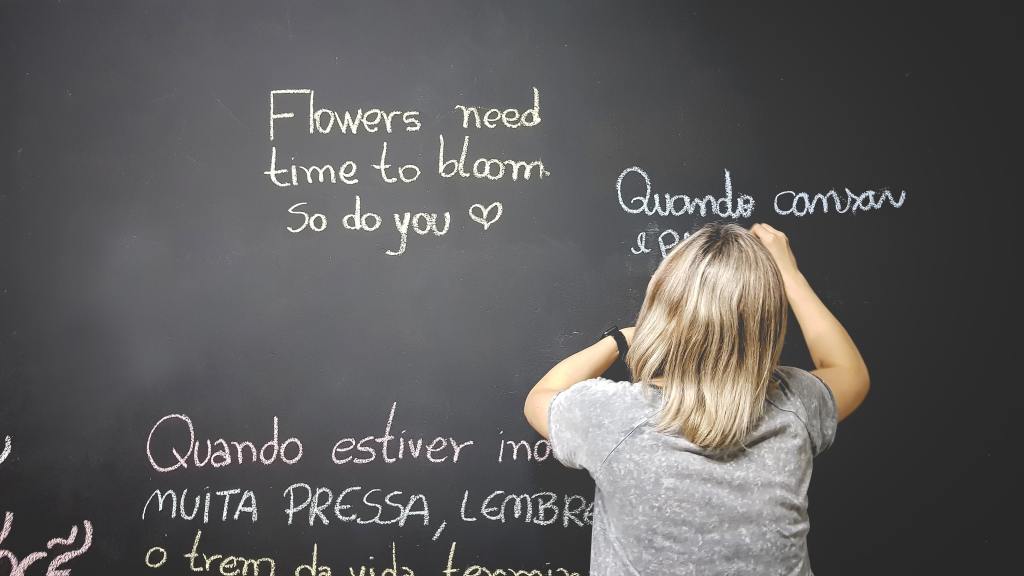
I’m still getting use to the language barrier. I do still feel a little intimidated eating at a place that only has a Korean menu and no pictures (I’m onto 2 Korean classes a week now!). Give me pictures and I will be happy to point and order without actually know what it is in the dish. This backfired on my the other day when I ordered chicken and it was spicy!
There is something so freeing about being here. I think it’s because I’m away from the daily grind of sorts and am treating my time here as a very long and extended holiday. I’m more preoccupied with planning trips to different cities than I am with life planning and “adult responsibilities”. I spend my free time learning Korean, organising my days, going for walks in the plentiful parks, reading and exploring. I am spending much of my time doing the very things that make me so happy and calm. Life is good.
Street eatery in Bukchon Hanok Village
As I sit here writing, the there is a choir of cicadas outside. It’s warm and alittle humid but not raining. I know I need to try and enjoy the nice days as much as I can. I’m becoming a local now- using my umbrella as sun shade and have a mini fan that I can carry around for those humid times. My new mini adventure now is to try as much of the local ice-cream as I can. There are a few unmanned lolly stores around. You can pick out an ice-cream for about 500-1000 won. That’s less than $1.
There is also a unmanned fruit store near where I work. You simply go in, pick out what you want and use a self check-out. I’m in awe that there’s so much trust here but there are also CCTV camera’s everywhere. It’s nice being in a country and area where it’s so safe and you can have nice things because people follow the rules.
Speaking of safe, in my 2 months here, I’ve also managed to lose my phone. Most of me was thinking, that’s it, it’s gone forever but another teacher kept telling me that it’s Korea, it’ll turn up. And sure enough, it turned up. I had dropped it on the bus and the bus company had my phone at their depot. I’ve been reunited with my phone since.
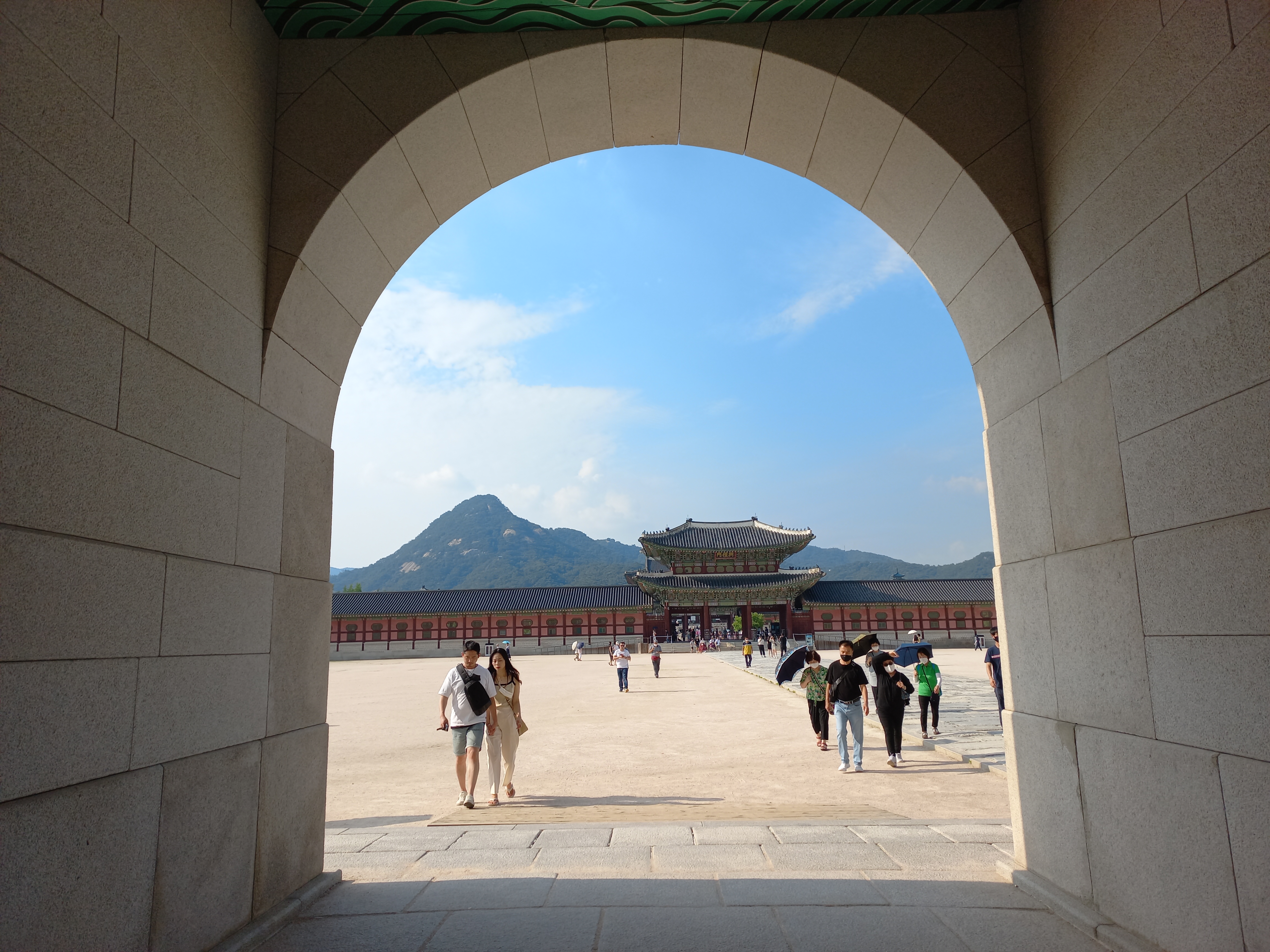
Entrance to the Gyeongbokgung Palace in Seoul
Jeju tangerines
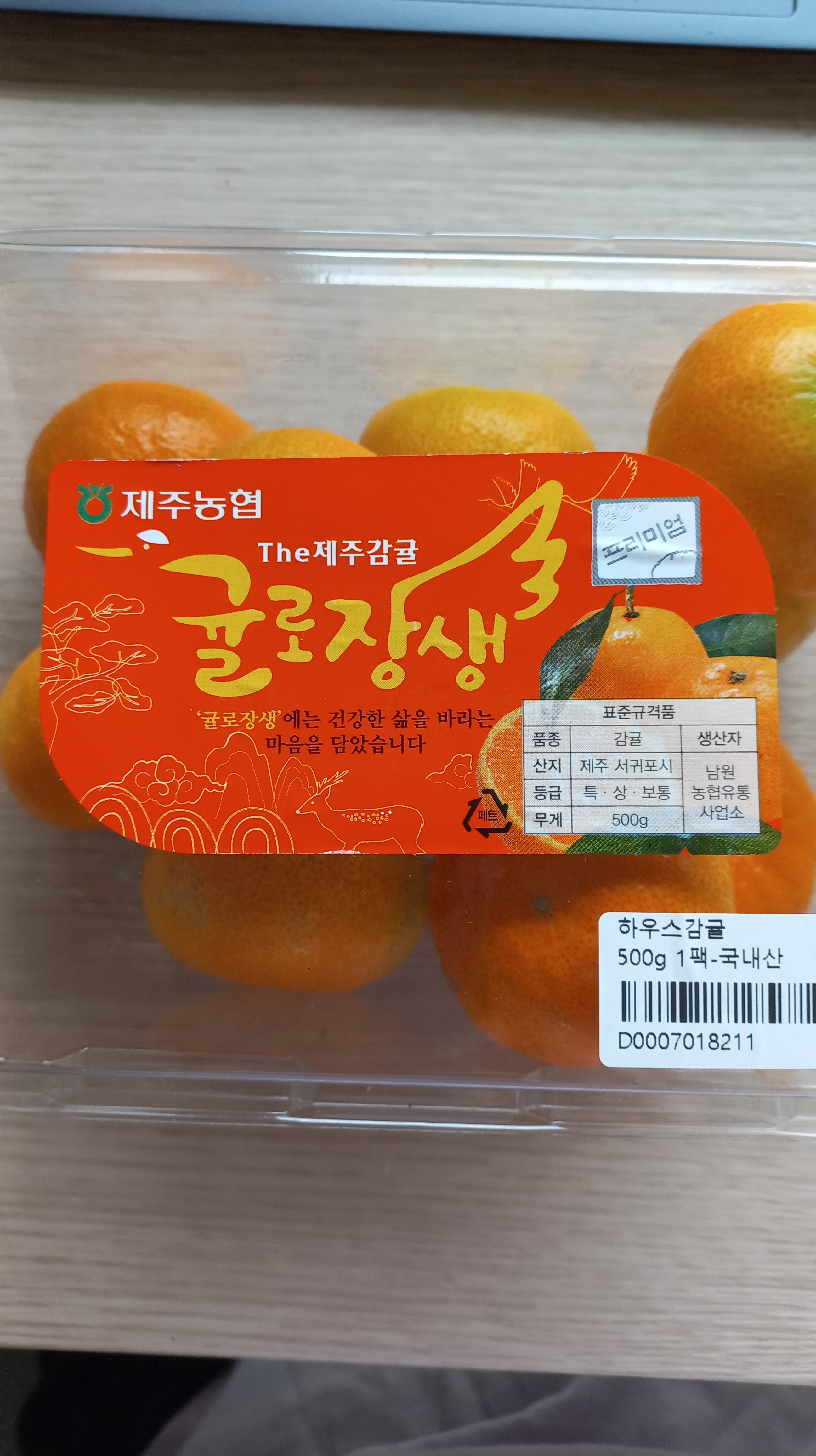
I’ve changed my mind and now think that groceries are quite expensive here. Fruits especially! But, we need to eat fruit so I have no choice. There are plums, peaches, nectarines, tangerines, watermelon and rockmelons right now. I plan to buy a slice of watermelon to enjoy this weekend.
I had tried some Korean food before coming to Korea but little did I know that I was in for a big treat. Most meals out are served with banchan or side dishes. There are a variety of side dishes and some places make their own so there is never 2 banchan dishes which are the same. Here are some Korean dishes to try!
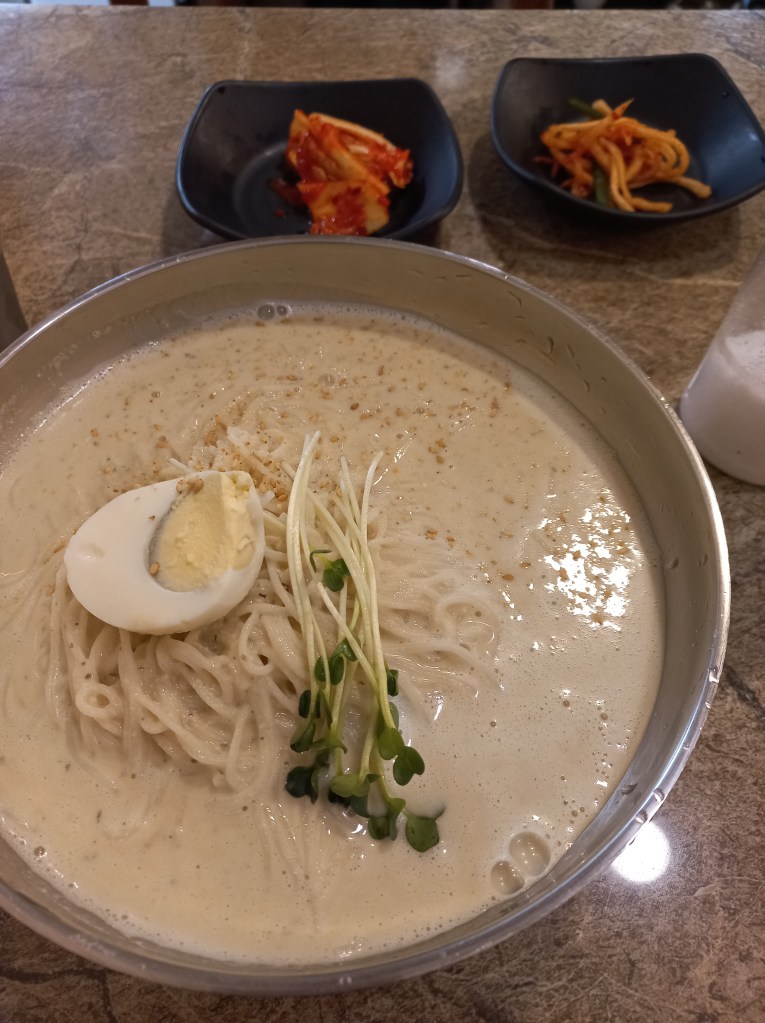
Cold Soybean soup (kong guksu) This is an interesting dish that once I heard about, wanted to try. It’s wheat noodles served in cold soy milk soup. The soy milk soup is quite nutty and a little grainy unlike the soy milk you can buy in the shops. I had a look at some recipes and apart from soy beans, you can add other types of nuts or tahini in too when making it. It’s served cold and usually with egg, cucumber and tomatoes depending where you go.
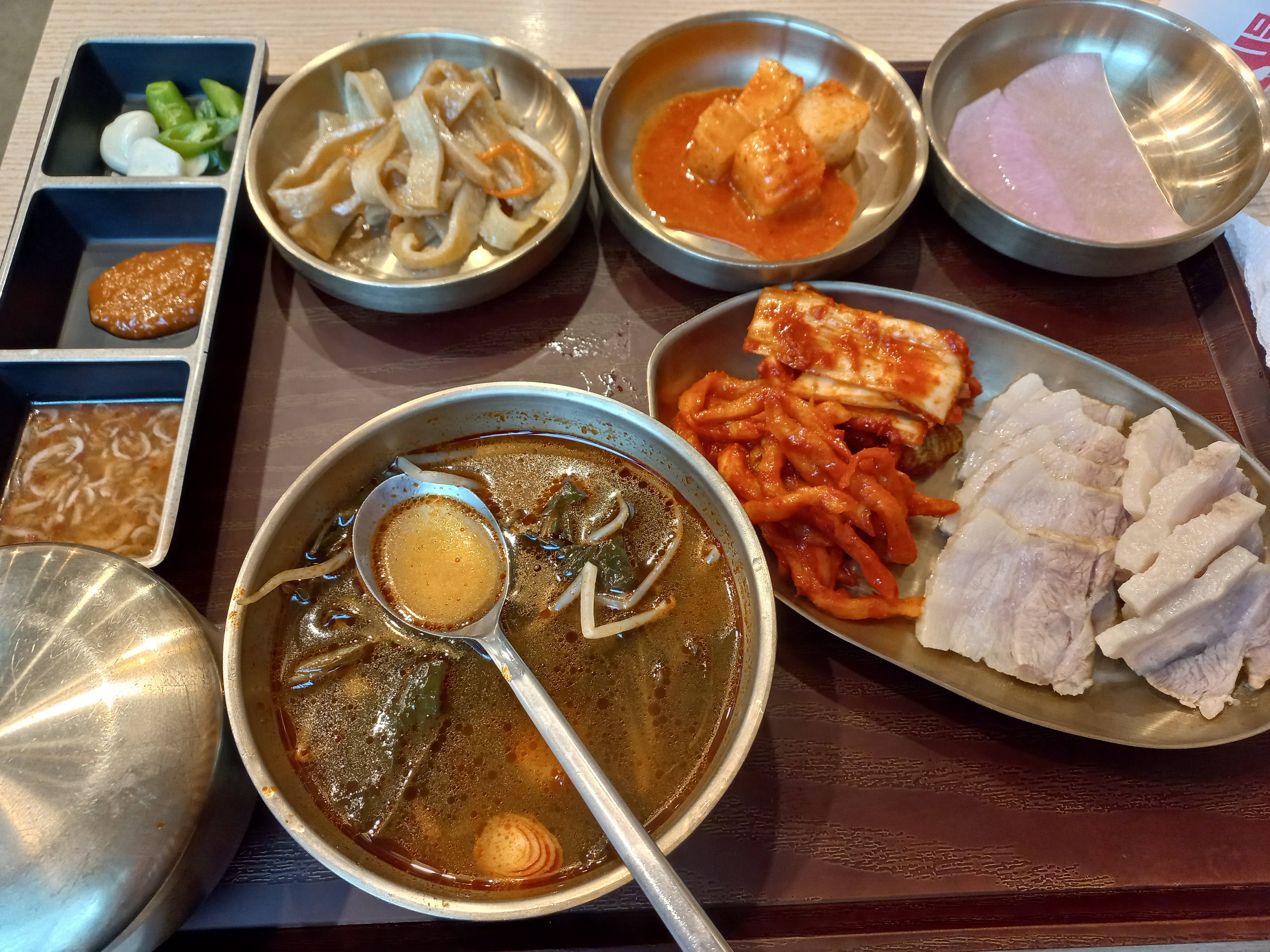
2. Knife cut noodles (kalguksu) Kalguksu is a heart warming dish. You can use different kinds of broth (anchovy based, chicken based etc) and add different foods (chicken, vegetables or even seafood). On this particular occasion, we also had pork dumplings and the side dishes served were white kimchi and regular kimchi.
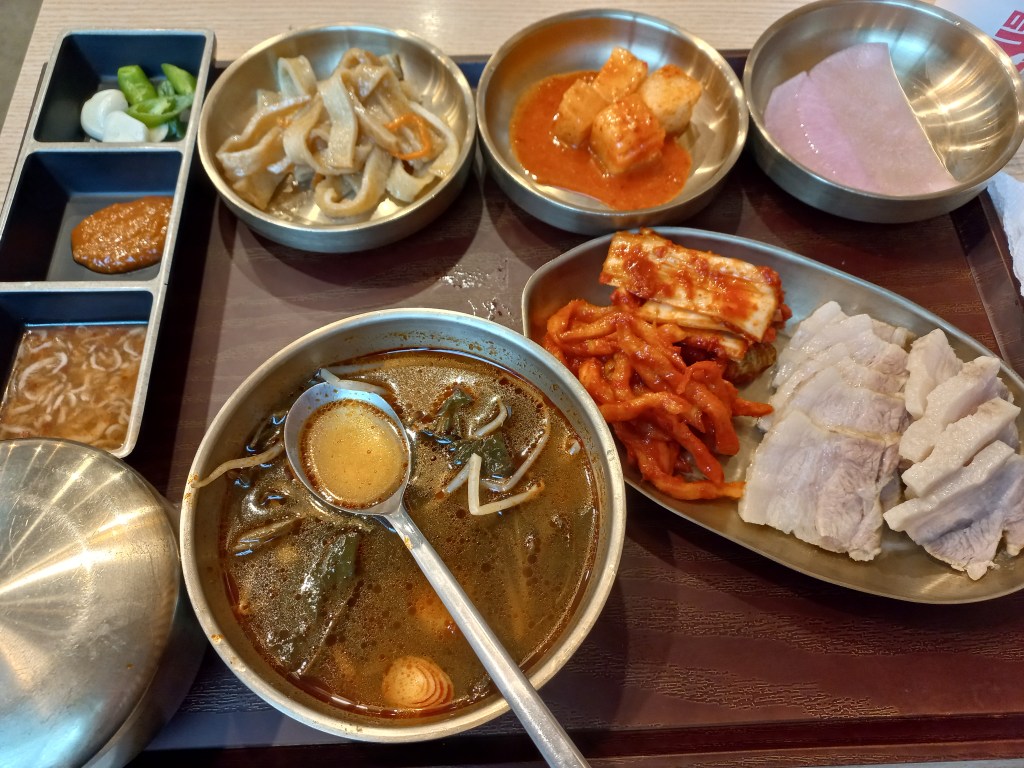
3. Bossam Another fabulously delicious dish, bossam is boiled pork belly (oh so tender!) which is commonly eaten with a range of side dishes and sometimes also eaten wrap style. This is where you use lettuce of some sort and load in the pork and veges, wrap it up and then eat it. At this particular place I went to, they served it with a soup and rice.
4. Gimbap An all in one combo. These rolls contain a mix of vegetables and meat (or tuna) depending on what you order. There are vegetarian ones too and small gimbap restaurants with friendly aunts can be found everywhere. Gimbaps are the go to foods for picnics and hikes. One roll will cost you around 4,000 won which is an easy and wallet friendly meal.
5. Bibimbap The famous bibimbap. You can have this served hot in a clay pot so the rice becomes alittle crunchy or opt for a normal bowl. Depending on what restaurant you go to will depend on the toppings you get. There’s usually a mix of vegetables, sometimes meat and sometimes an egg. Pour over the bibimbap sauce and you have yourself a very healthy and delicious meal.
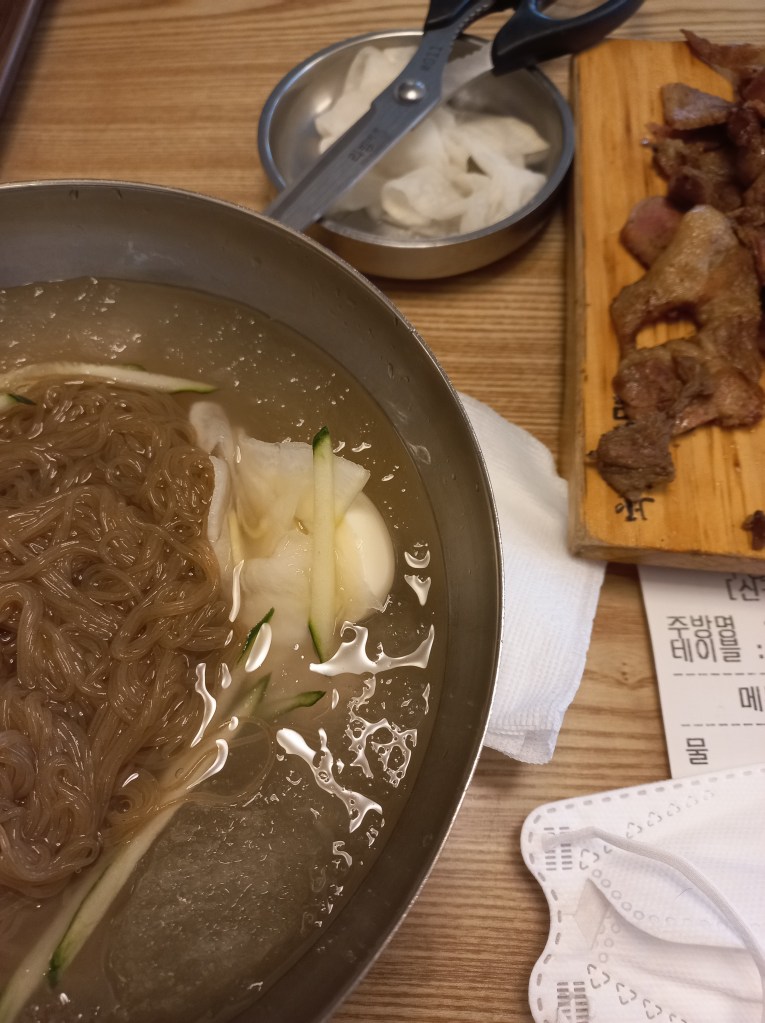
6. Naengmyeon This translates to literally cold noodles, it’s usually buckwheat/potato or sweet potato starch noodles in a clear broth of beef broth and/or radish water broth. It’s served cold with ice cubes it in and topped with cucumber, egg and or radish. I hadn’t had cold noodles prior to having this so it was something different. I can see why it’s a popular dish in summer.
It’s summer now so there will be another stew/jjigae post when it gets colder! What are your favourite Korean dishes that you’ve had?
Staying in the Bukchon Hanok Village will transport you back to the Joseon Dynasty. Located between Gyeongbokgung Palace and Changdeokgung Palace in northern Seoul, this traditional area will make you feel worlds away from the bustling skyscapers of Seoul.
Hanoks are traditional Korean houses built from wooden structure and soil baked tile roofs. Many today have now been converted to cultural museums, restaurants, cafes, guesthouses and some still remain as residential houses. Popular in this area is the opportunity to hire and wear a hanbok- traditional Korean clothing- from one of the many hanbok rental stores. You can wonder the streets in hanbok for some great souvenir pictures and also be an active participant in an open air museum. Wearing a hanbok will also give you free entry into both palaces.
As you walk around, there are signs to remind visitors that they are in a residential area and to keep their voices down. Noise must really project in these small alleyways and with hundreds of tourists coming by every day, it is no wonder that the locals feel this way.
I booked to stay a night in a hanok and ended up at the Gongsimga Hanok Guesthouse. The single room was roomy enough for a single fold out mattress and space to put your belongings. There was a TV, air conditioning and a heater inside to accommodate all the seasons. For the single room, the bathroom was located across the courtyard which I didn’t mind. There were 4 rooms in total that guests could book.
The room was quite cool inside with the high ceiling. Upon further research, the hanoks are orientated so that the mountains are behind and rivers in front to maximise ease to water access while at the same time blocking out undesirable winds. In addition, the floor heating system – ondol – allows for an effective way to heat the entire room in the snowy winters.
My room
The courtyard
When walking around the Hanok Village, you can find many hanoks that have been converted to cafes, tea houses and restaurants. One of the more popular cafes is Onion Anguk which is normally packed with a waiting line during the day. They offer patisseries and coffee which is a perfect break stop. Knowing the crowds on the weekends, I came early on a Sunday morning to be able to snag a table.
To be completely honest, I don’t think this place lives up to its hype. It’s a gorgeous cafe but the food and drinks are nothing special.
Onion Anguk Cafe
A cafe in passing
Have you ever stayed in a hanok? How was the experience? Will you be adding a hanok stay next time you’re in Korea?
You must be logged in to post a comment.