• Hong Kong Markets

    On my most recent trip to Hong Kong, I had a few markets I wanted to have a look at so here they are.

    First up, there is the Goldfish market located on Tung Choi Street North, Mong Kok. This is not so much a ‘market’ but actual shops (after shop) selling not only goldfish but other fishes and also turtles. Pretty sure these the fish don’t like to be in plastic bags alone but it’s a sight to see.

    A few streets away, the Flower Markets are in full bloom (get it?). Located on Flower Market Road, Prince Edward, you will find store after store of assorted flowers, cactus, succulents and bees flying to and fro (yes!), which, is a good thing considering our worldly bee shortage. This was the first time I had seen certain plants as well, excellent way to turn a grumpy day into a good one starting at the Flower Market.

    Right off the Flower Market is the Bird Garden (or market) located on Yuen Po Street, Prince Edward, which does indeed sell birds. I didn’t have a look at it due to time (it looks like it’s located within a park) so unfortunately I don’t have any pictures but I’ve seen some floating around and it looks like it’s something to see.

    The closest MTR stations to this area are Prince Edward or Mong Kok East.

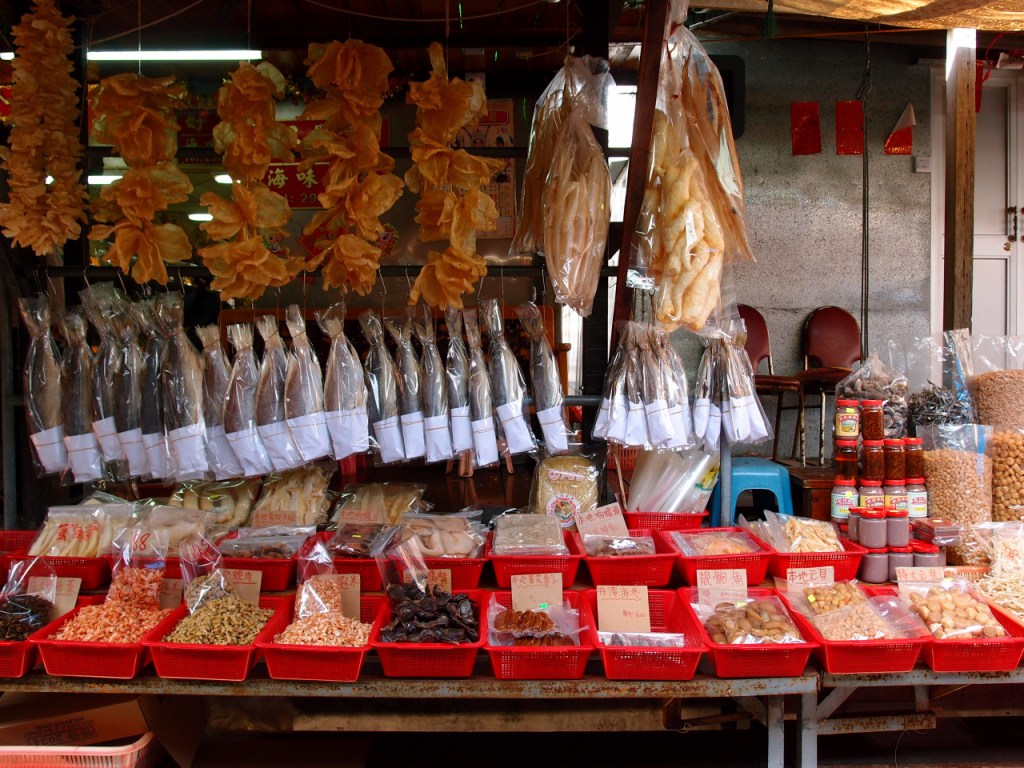
    Other markets that draw in the crowds are the Ladies, Temple Street Night and Jade Markets. For the whole list of other markets, check out this page from the Hong Kong Tourism site.

  • Elephants at Amer Fort in Jaipur, India.

    News broke recently of a 50 yr old elephant, Raju, being freed by WIldlife SOS after having spent his entire life chained, starved and beaten to beg for money. Thought to have been poached as a calf, Raju survived on plastic and paper for food.

    Cases like this are probably more widespread than you think- the Thailand TIger Temple has come under fire over recent years which you can read more about here (which I think provides a very fair account of this bloggers experience volunteering there).

    Of course, these animals at these sites are fascinating- allowing you to come up close and touch them in a semi-safe environment. Yet one has to be wary and question whether these animals are ever raised and released, bred in these santuraries or zoos for conservation before release or merely bred for profit.

    I have seen camels, elephants, monkeys, snakes and horses during my time travelling used at tourist spots and even had a camel safari but here is where many of us are led to believe that these animals are looked after. During a camel safari that I had undertaken on tour with a company that emphasises responsible travel, I noticed that some were blowing something out of their noses. My research afterwards led me to conclude that they were maggots, usually a result of piercing infections from their nose pegs that go untreated. Is this a sign of neglect or just uneducation and lack of resources and money to treat?

    I’ve seen a sanctuary that mostly seemed to be healing animals and keeping animals unfit for release back into the wild however, it still makes me feel uneasy.

    Can we rid of animals being used at tourist sites one day or is this something that is so ingrained in tourism now that there is no turning back?

    Should there be more local animal welfare groups working with tourism operators to ensure that animals are looked after and educating “owners” of these animals so that they can still continue to operate?

  • Winter in Helsinki

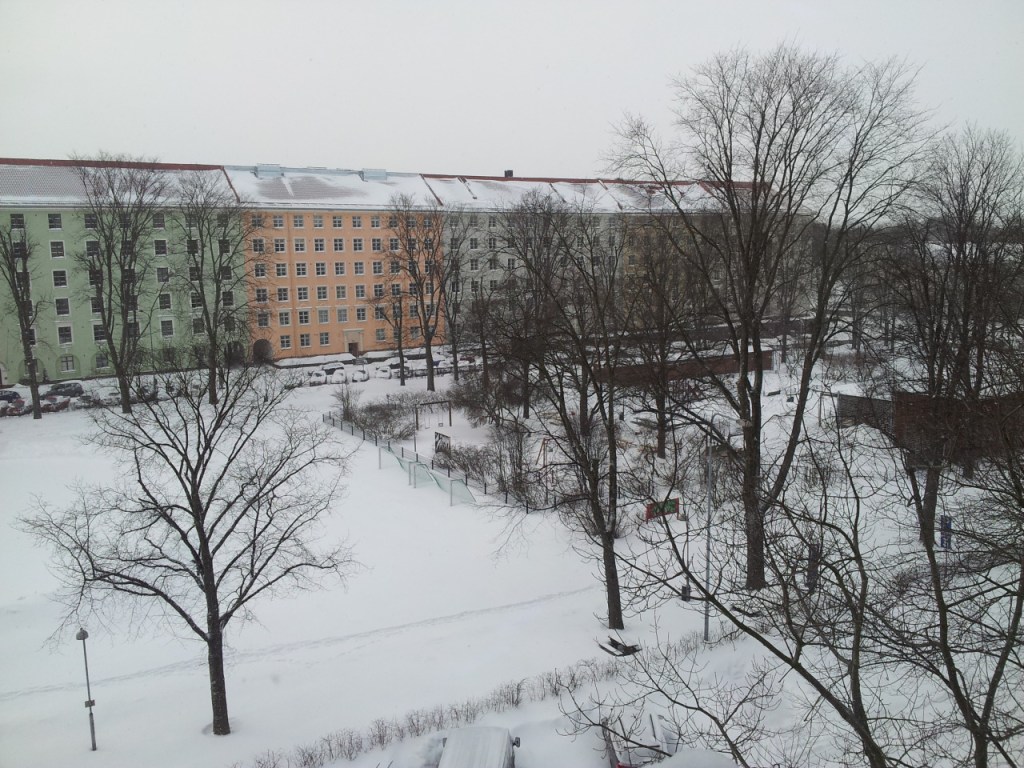
    I was fortunate enough to have the opportunity to do some work in Helsinki in 2013 and was there for 3 weeks at the end of their winter. As an Australian that had only seen snow once before this trip, the prospect of arriving in a snow laden city with temperatures below 0 excited me. This was also my first trip abroad as a solo traveler and alone in a country where I didn’t know the language.

    Coming from a country (and city) where the temperature during the winter days never dip below 14 degrees C, the -7 degree (still not a true Finnish winter I know) greeted me like what I imagine pneumonia greets you after being trapped in ice. I discovered a whole new world of numb thighs, thick insulated windows and double socking.

    This was also the first time I discovered all about black ice, which is a thin piece of transparent ice on a surface. You don’t actually see it but you definitely know you’ve stepped on it when you go flying the friction is gone from below you and all of a sudden you’ve entered into an impromptu ice skating session in public.

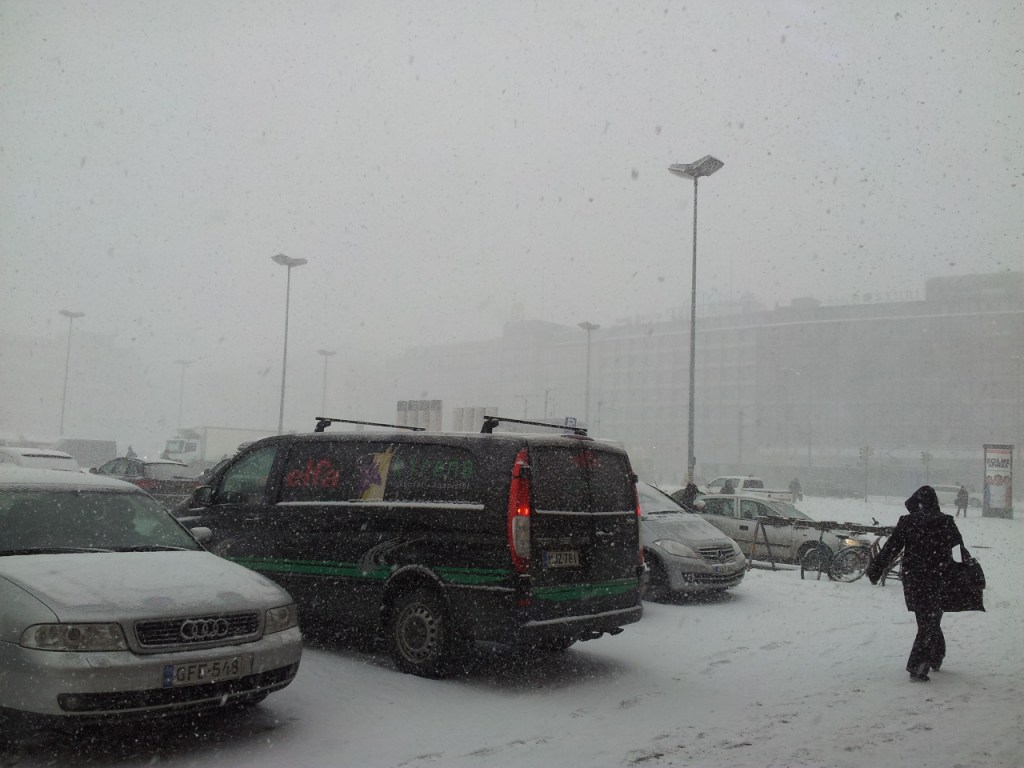
    Getting caught in a sudden snow storm (quite light). Check.
    Slipping every morning going to the bus stop. Check.
    Slipping en route to the university building every morning. Check.
    Slipping every evening walking back home. Check.
    Loving it every time it snowed. Check.

    It has just ticked over to winter here but doesn’t even feel like it yet.

    -S.

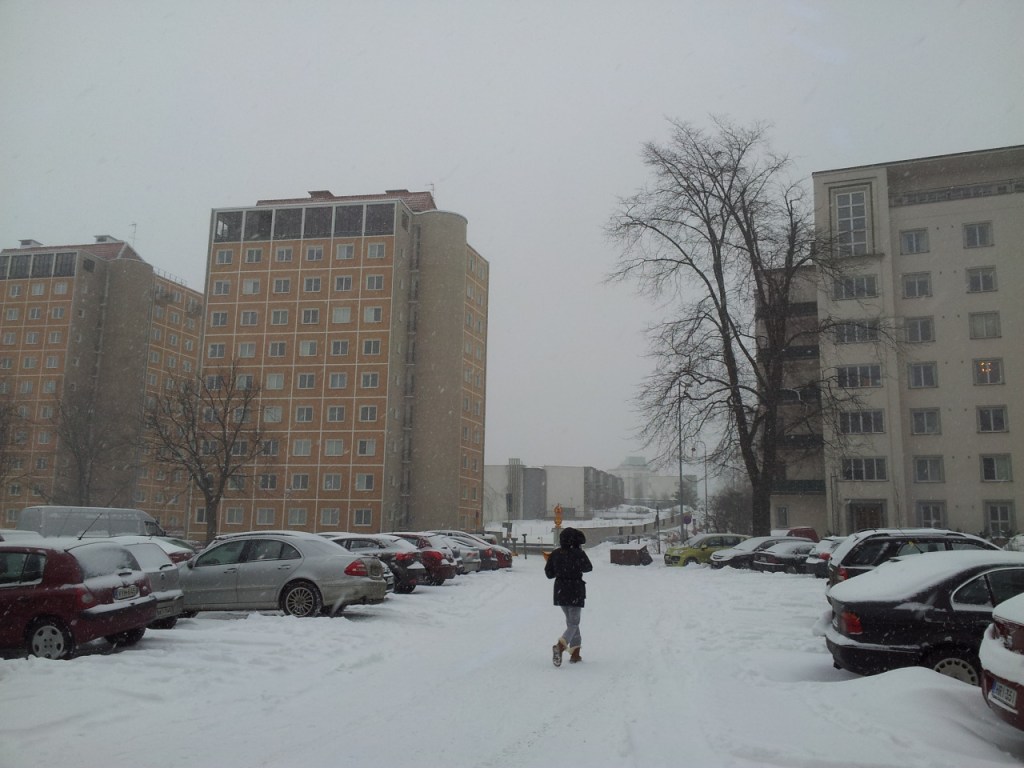
    Pictures (top to bottom): the beautiful view out from the apartment kitchen balcony, the light snow storm I got caught in when I went exploring around town & walking through this carpark everyday to get to the bus stop from the apartment.

  • A day trip from Copenhagen to Odense, Denmark: Birthplace of Fairy Tales

    Fairy tales are what people grow up with. So what better way to go and discover all about one of the writers behind them than to visit their home town. Danish writer Hans Christian Anderson is responsible for the stories of The Little Mermaid, The Ugly Duckling and The Princess and the Pea and lived in a town called Odense, located on the island of Funen in Denmark.

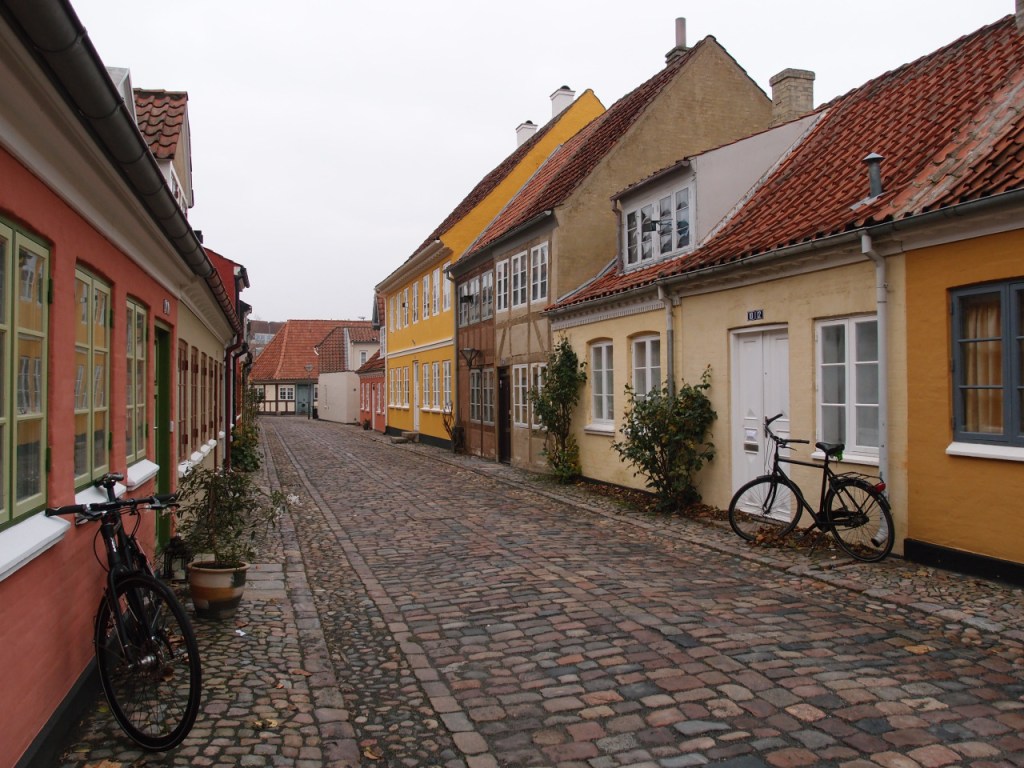
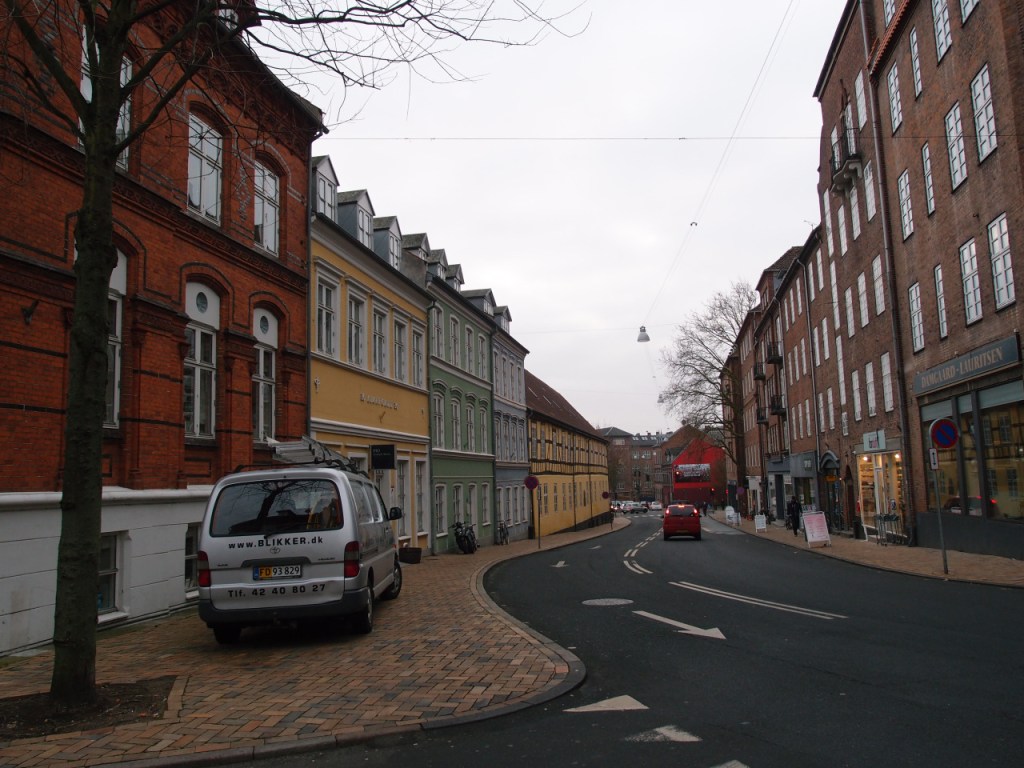
    Odense is one of the oldest towns in Denmark and a 1.15hr train ride from Copenhagen. This perfect day trip is easy to navigate to with regular trains between the 2 cities. Odense is a charming town with cobblestoned streets and small coloured houses. My trip was just to get a glimpse of the town and also visit the Hans Christian Anderson Museum and House.

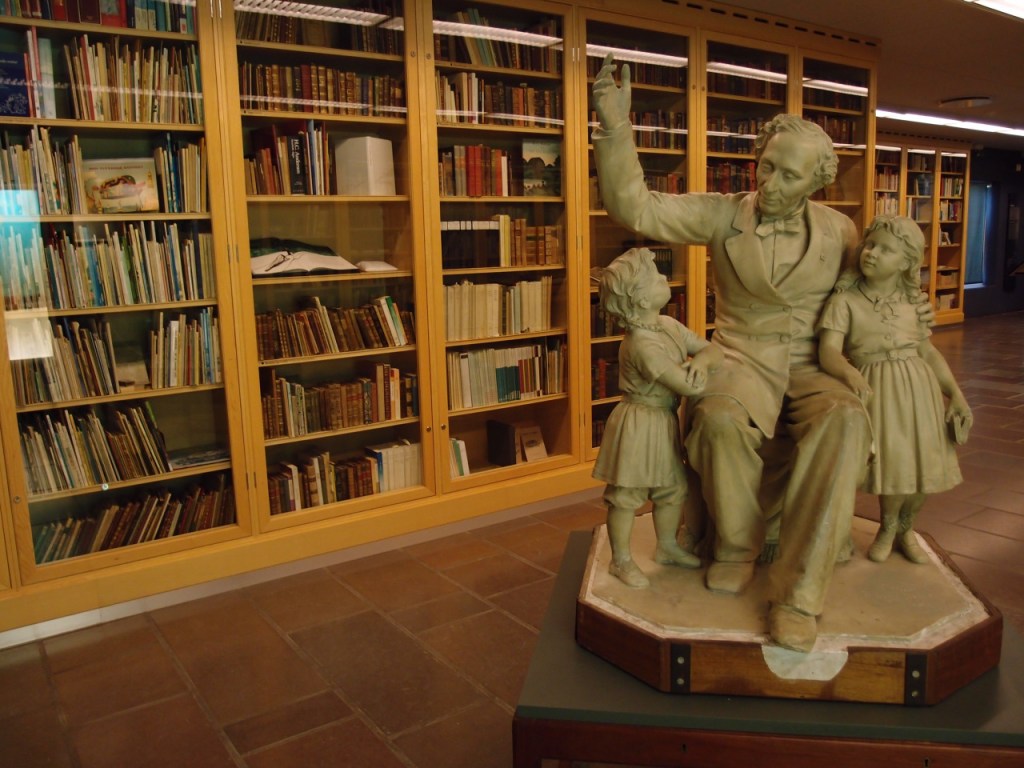
    The H.C.A museum is great and well organised. It’s slightly hidden but there’s a tourist info office in the middle of the old town and Danes are pretty nice! You’re first greeted with bookcases filled with his books in roughly 130 languages of varying designs and size. There are some very nice leather bound and some very old editions however, the whole bookshelf is locked.

    As well as the library, there are rooms that will take you through his life with personal notes and clothing (like did you know he met Charles Dickens?) and replica house attached that you can wonder into.

    The H.C.A house is located on the other side of the old town. It’s a 1 storey house and small but if you’re a fan, definitely stick your head in to have a look at some of his works inside. Nearby is the Odense City Museum (housed in a lovely building).

    I loved the architecture of the Old Town and enjoyed wandering the cobblestoned streets.

    Odense also has other attractions including the Danish Train Museum, Odense Zoo, Odense Palace, Funen Village (open air museum) and St Canute’s Cathedral. If you don’t get charmed by the town, at least appreciate the H.C.A figure as the walking man at pedestrian lights.

    -S.

    Pictures (top to bottom): H.C.A statue welcomes you into the library. a street behind the museum-these are actual houses! and one of the streets in the middle of town. Almost makes you want to believe that you’re wondering around a town in one of those fairy tales.