I know this time of the year may be stressful for some. For those who can’t be with their loved ones, are missing loved ones or have a complicated relationship with love ones. The global economy, rising living costs and just general world events are also on people’s mind. I hope that you will take it easy on yourself and others.
Wishing you all a Happy New Year. May we have good health, opportunities, love and more blogging in the New Year!
Here we are again at the end of another year. My favourite time to reflect on the year that was, what happend and what changes can be made for the new year. I don’t think I’ve done a month by month recount before so I’m going to give it a go this year (inspired by Rebecca Goes Rendezvous). 2023 is somewhat of a special year for me. I spent much of the year abroad exploring and completely loving it. I didn’t know I could fit so much into a year looking back.
January The start of the year was still winter in South Korea. There was a mega 4 day long weekend for the New Year that I had pencilled into my calendar months in advance and I went skiing and learnt to snowboard. I also remember my contact lenses sticking profusely to my eyeballs during this month due to the lack of moisture in the air. I ended the month going ice fishing at the Hwacheon Sancheoneo Ice Fishing Festival.
Hwacheon Sancheoneo Ice Fishing Festival
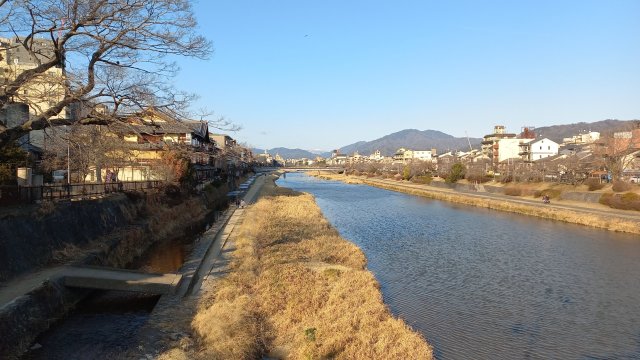
February I took some of my annual leave and went to Kyoto in Japan. It was my first time setting foot in Japan and I completely loved it. Shoulder seasons in South Korea also means hiking so I did the Inwangsan hike. During this month at work, we had a book club with the top level students and we read Fahrenheit 451 by Ray Bradbury. I love this book and rereading it again was such a pleasure.
Kyoto 2023
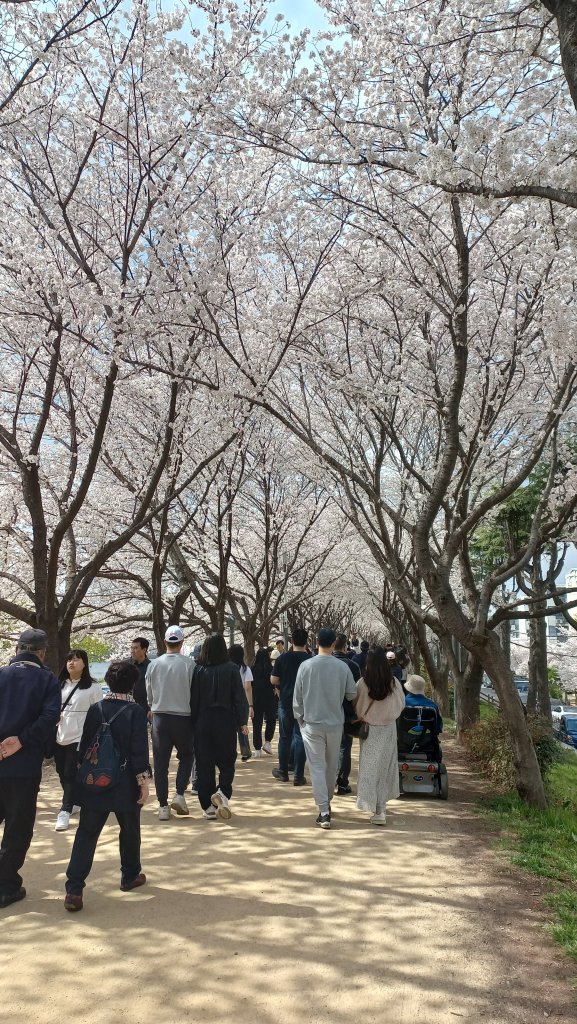
March As the weather shifted out of winter and into autumn, I did another hike. This time it was Baegaksan. I met up with friends for a nice afternoon chatting in the sun and walk along the Han River (in the sun because it was freezing otherwise). I also spent a weekend in Daegu chasing after the cherry blossoms.
Cherry blossoms in Daegu
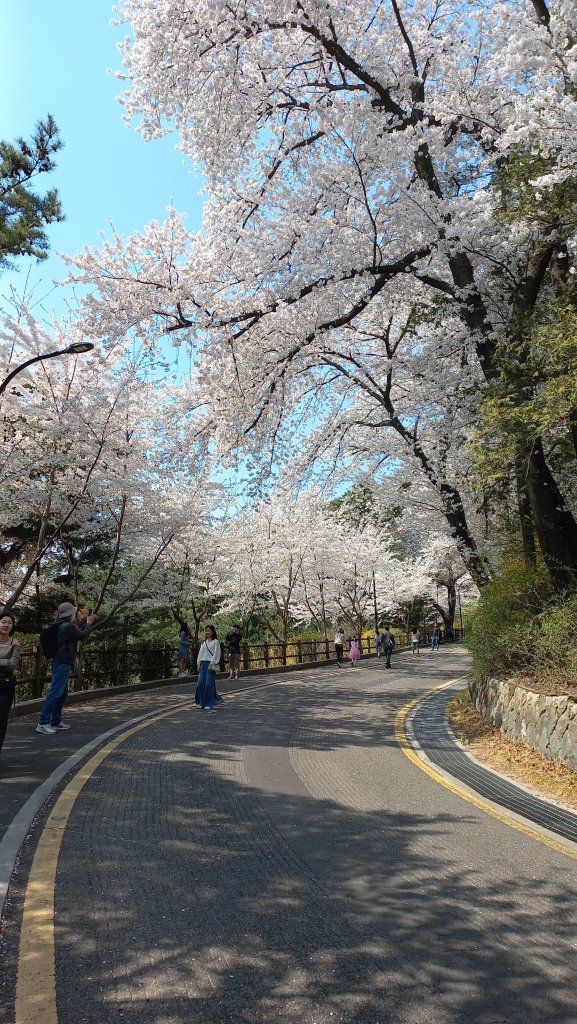
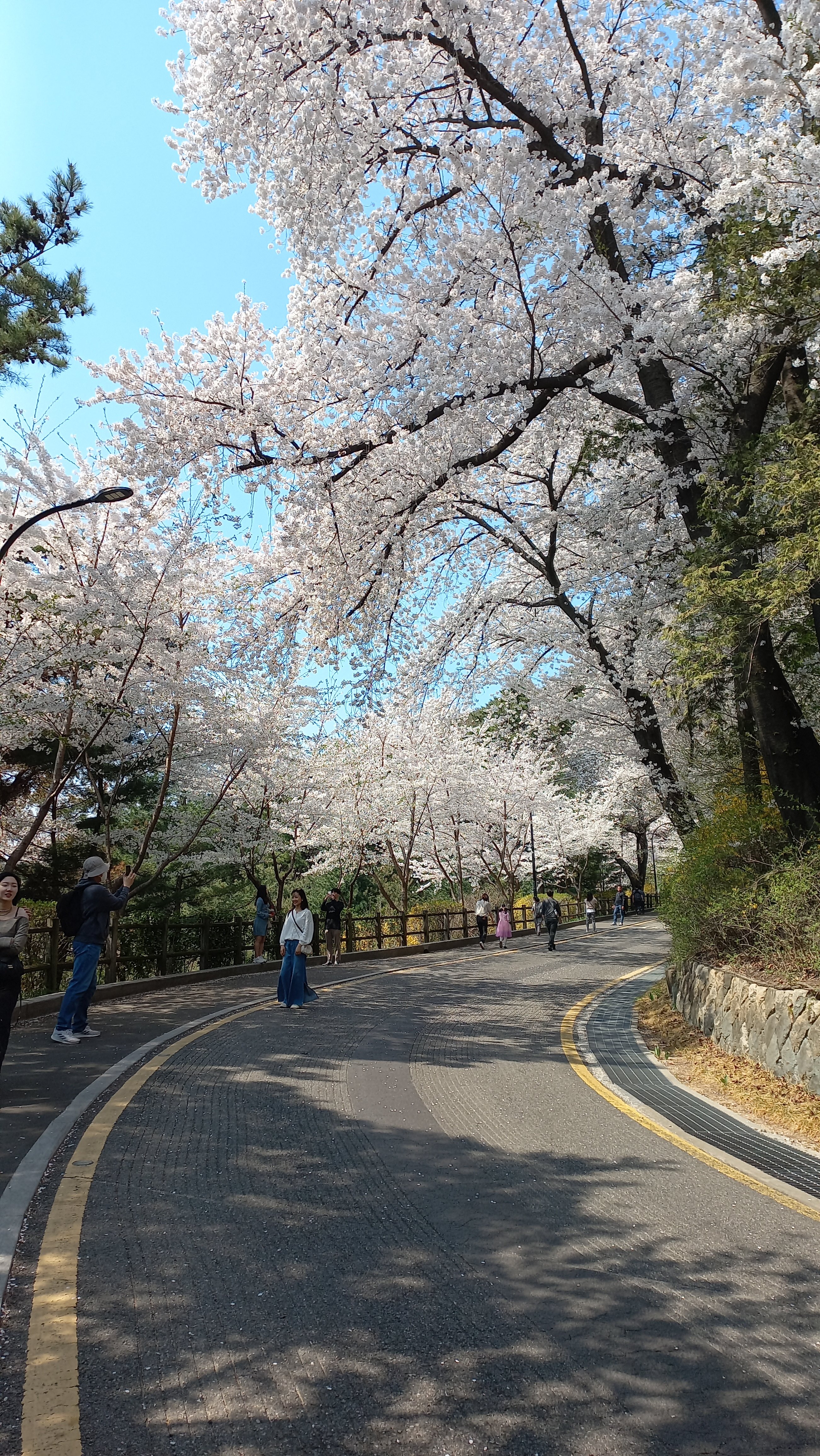
April After chasing the cherry blossoms in the southern part of South Korea, the first weekend in April was spent in Seoul finding cherry blossoms. The season is very short so you have to be out to see them quickly before they disappear. On the same weekend, I went with a friend locally to see the cherry blossoms and tried intestines for the first time (they were delicious). One of my good friends that I had made in South Korea was leaving this month so I saw her for the last time- having lunch at a traditional market and then strolling around Seoul before finding a cafe. Saying goodbye is so hard! I took more of my annual leave days and went to Gangneung for 2 days although the weather wasn’t ideal. I also did my hanbok day at the palace (finally!). I had a cousin and aunt visit Seoul for a holiday so I met them and spent a day with them.
Cherry blossoms in Namsan Park
May May was my last month in South Korea. There was a public holiday long weekend so I decided to visit Busan for the last time. Unfortunately, the weather wasn’t very good so I couldn’t do the hikes that I had wanted. Instead, I waited 2 hours in a queue to try a famous ramen restaurant and watched a 4D movie for the first time. I spent this month packing furiously, emptying my apartment and finalising life admin. I met one of my friends and we had a picnic along the Han River (another goodbye!). I took many trips to the post office to send boxes of my belongings home so that I could just travel with 1 suitcase for the next few months. I said goodbye to my apartment, the other teachers, my students and my school.
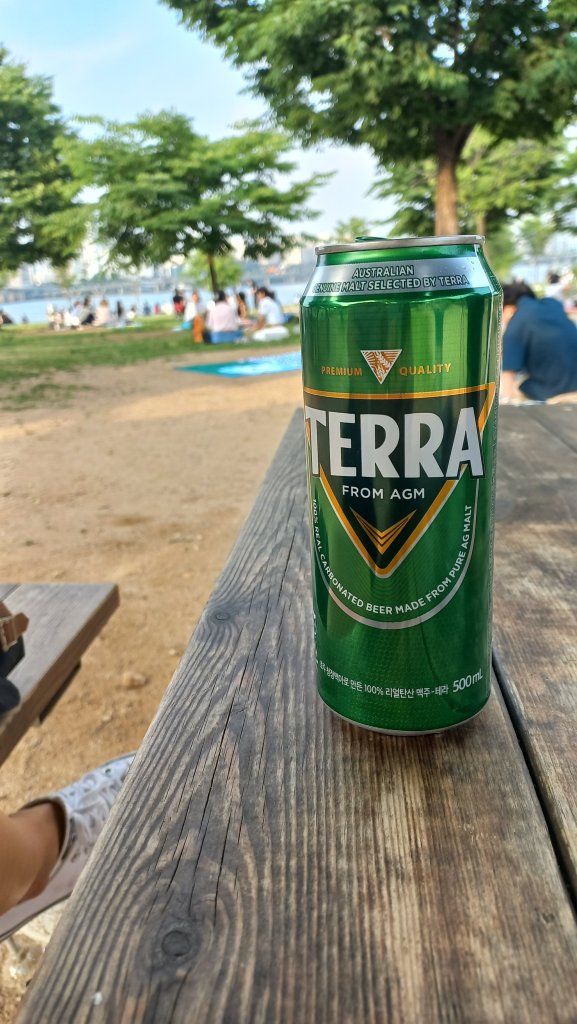
Last picnic along the Han River
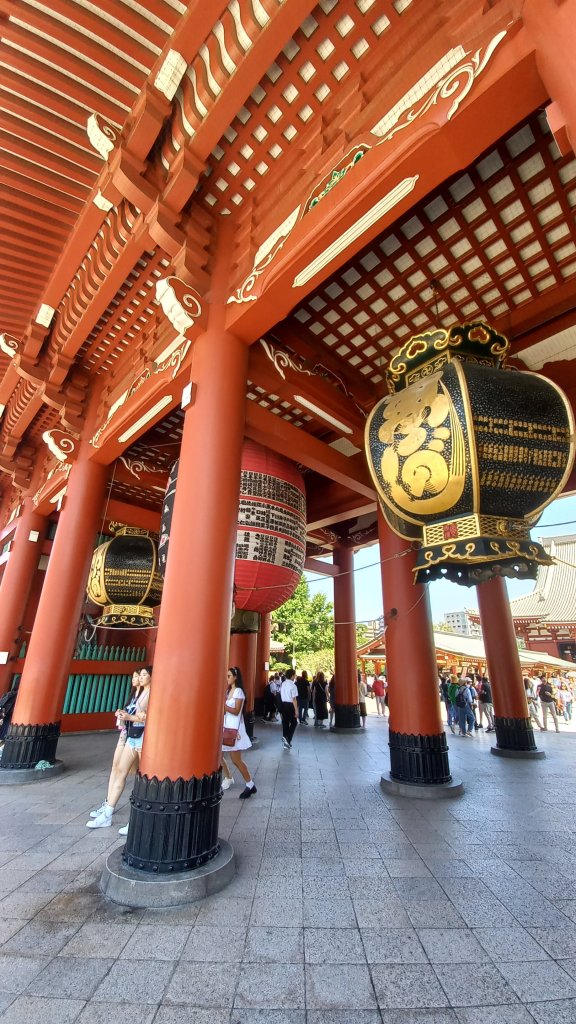
June I spent another week in Seoul visiting all my favourite places for the last time, spending time outdoors and basically walking too much. I started on my 3-ish month travelling adventure with my first stop being Japan. Starting in Tokyo, Kyoto and then Osaka. I was walking for almost 10 hours a day and tried stick on leg patches for the first time. They didn’t work. After Japan, I went to Poland where I was finally able to rest at my friend’s place.
Tokyo
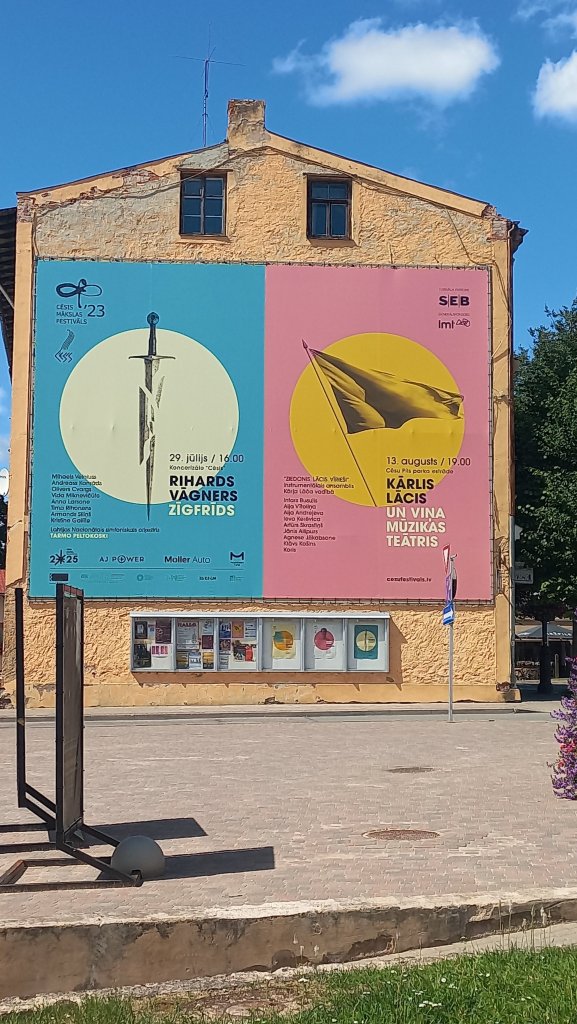
July Rest is for the wicked when you are travelling. The month started with a Baltics trip (which I have yet to finish posting about). After a bit of a break back in Poland, I then visited Hungary for the first time which had been on my list for so long. Czech Republic and Austria were also on this visit (posts to come).
Latvia
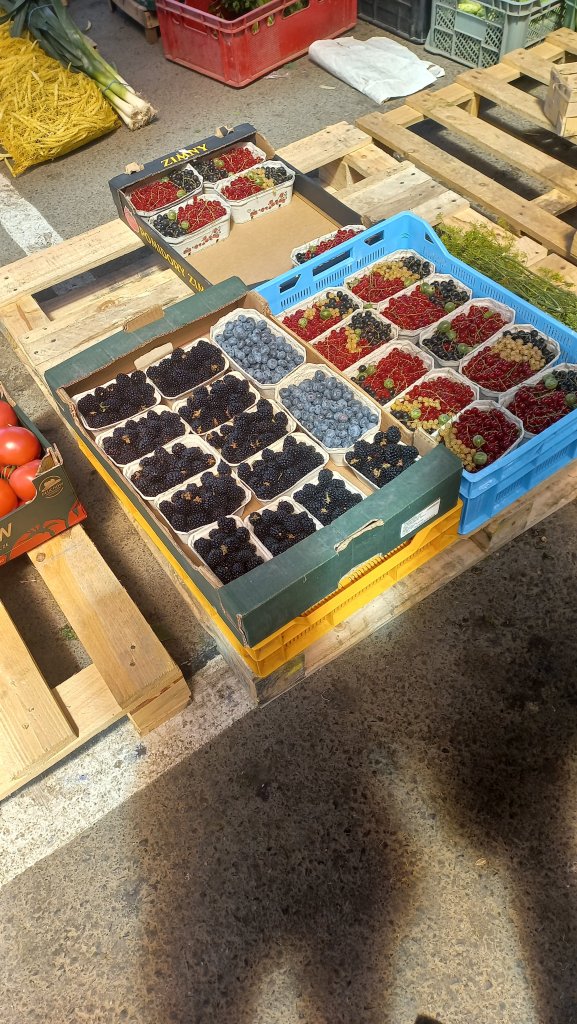
August I came back to Poland and just stayed local, bike riding and cooking. My friend and I did local trips during the weekend. It was nice to relax after some months of quite busy travel itineraries. The summer weather was in full swing and it was always ice cream weather.
The local farmer’s market
September I did a last trip to Krakow before flying back to Australia. Some flight changes from the airline meant that I had to leave Europe a few days earlier than intended and led me to Singapore. After 3 days of travelling to get home, I finally landed back in Australia. It was a really weird feeling being back in a familiar place. I spent the first week disorientated, attended a large family gathering and then got sick. I started a casual teaching job.
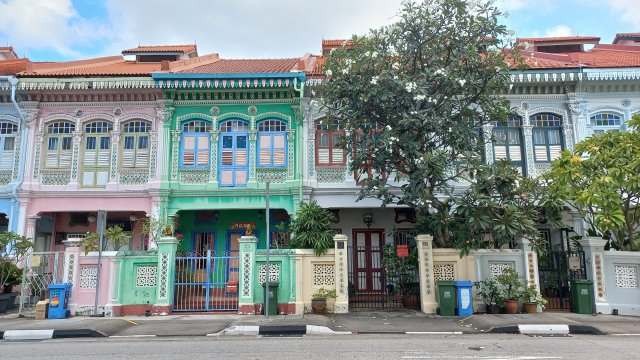
Singapore
October After recovering from said sickness, it was time to get all my health checks done and unpack my boxes that had arrived from Korea in the meantime. I found this month the hardest in terms of adjusting to being back in an environment that had not changed despite so much changing and experiencing so much change. Not just that but my lifestyle was quite different to what it was (and how I liked it to be). Things that I would normally do were now not in such easy reach. I’m still actively working on it.
November I felt that it was time to start applying for jobs so have been looking and applying. I started creating a new routine and committed to spending 1 day a week out exploring, going back to language learning and reading. I started meditation. I decluttered.
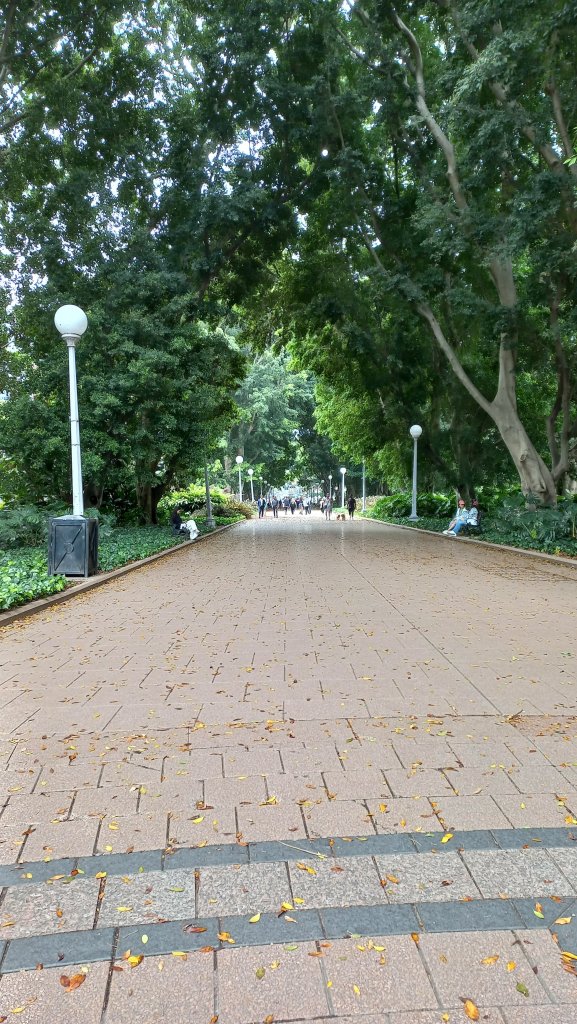
Hyde Park, Sydney
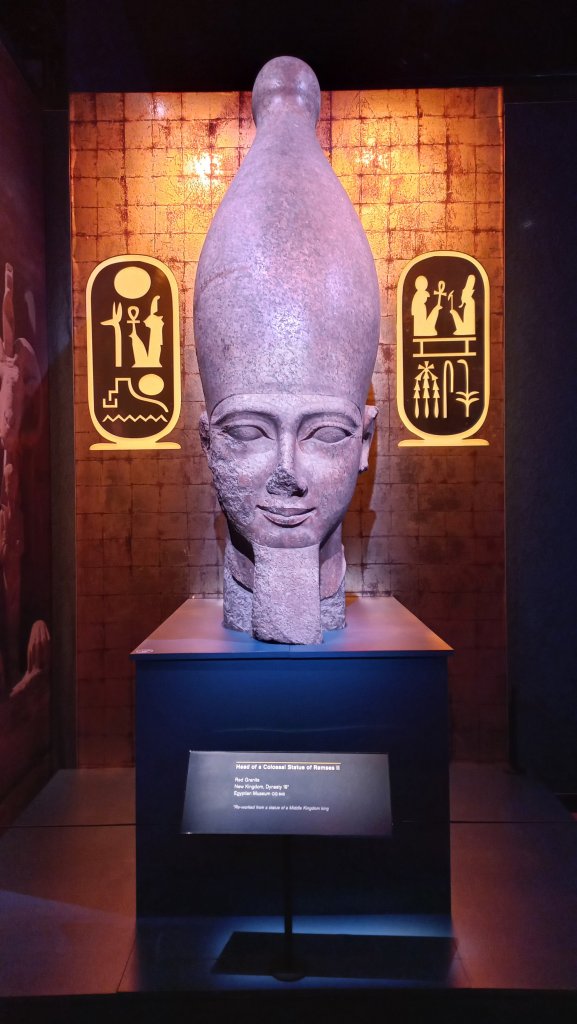
December I finally felt more relaxed instead of feeling like that I had to be on the go and trying to quickly re-establish myself here. Summer has announced itself boldly. I went to a Ramses exhibition and have some social events lined up for the remainder of the month.
While writing this, I chuckled at how jam packed the first 3/4 of the year were compared to the last few months. Maybe I really do need this down time after all!
We are currently preparing for the ‘first hottest day in the state since 2020’ tomorrow. Tomorrow, in Sydney, it’s forecast to reach 38 degrees C and early 40 degrees in the western suburbs. Much of the state will be experiencing temperatures in the high 30s. It’s not unusual for these hot days to occur during summer but it is unusual to have it occur so early in the summer. 2023 has been officially declared as the hottest year on record.
Health warnings have already been issued as it’s going to be hard for everyone. Some schools have been closed in parts of the state. There’s also a complete fire ban across the state and I know many will be on edge as it’s also forecast to be windy. The last time we had these temperatures, it was during a really bad bushfire season we were having in 2020.
Due to El Nino, it is predicted that we will be experiencing an above average warm and toasty summer. They’ve also predicted power outages due to increase air conditioning use.
As a winter enthusiast, I’m dreaming of colder days. I don’t live near any beach where I can go and dip myself into to cool down (but I mean…..the UV ratings will be off the charts too plus the sand will be too hot to walk on). The library will only be open for the half the day and I don’t really fancy spending the day in a shopping centre. Other places that one could retreat to include going to see a movie, going to an indoor ice rink or going to an RSL (it stands for Returned & Services League and is an indoor club where there’s indoor dining and poker machines).
I plan on staying home. The areas of the house with tiling usually stays the coolest. The windows will be shut and blinds closed. I’ll have easy and light meals. Maybe I’ll even lie on the tiles if it gets all too much. I’ll look at the news where they will feature the words ‘bake’ and ‘sizzle’ and include a shot of a packed beach where I’ll feel half envious thinking about the inequality of Sydney suburbs and half relieved that I won’t have to deal with sand. Especially when the wind picks up and the sand blasts into you.
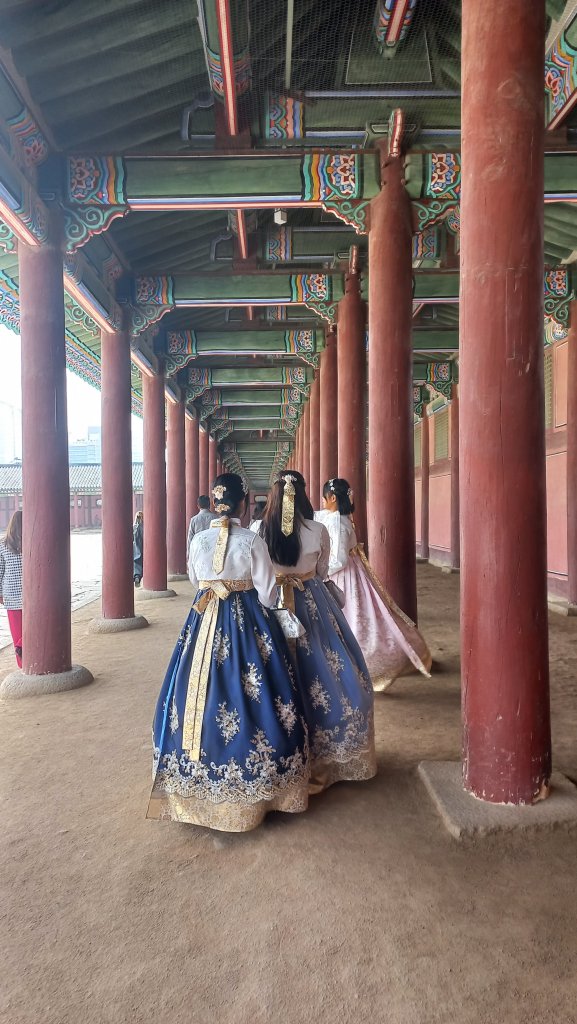
The hanbok is a traditional Korean clothing. It’s been depicted in illustrations since the time of the Three Kingdoms during 57 BC to 668 AD. It was often used to signal a person’s social status as well.
For women, the hanbok consists of 2 parts. The top (Jeogori) and skirt (chima). The top is long sleeve and covers the shoulders closely. The top has become shorter over time showing off more of the skirt. The skirt, is floor length in somewhat of an A-line shape. Underneath, a netting skeleton is wore to achieve the shape.
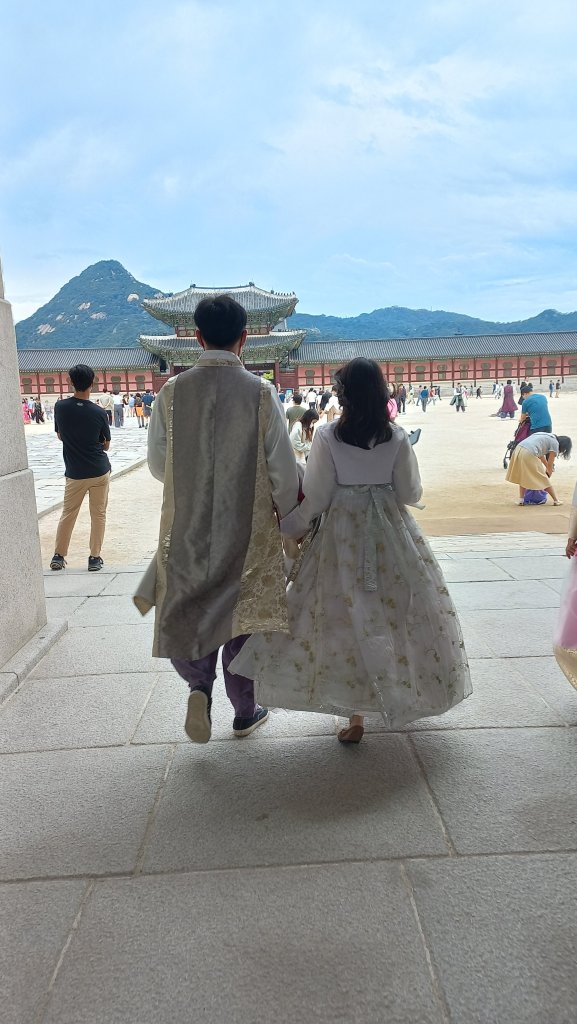
For men, the hanbok consists of 2 parts as well. The top (Jeogori) and pants (baji). The top is longer than the women’s and almost robe like. The pants are loose fitting. Today, when visiting the Palaces, many of the men were wearing a hat called a gat. Back in the Joseon dynasty, only the noblemen wore these.
Both man and women wear a belt (twii) and all these major components have remained largely unchanged until today. The tops were initially fastened in the middle then to the left and now mostly on the right.
You will see so many people wearing hanboks in the Palaces
I loved this couple in their colour matching hanbok entering the Gyeongbokgung Palace
Me in a Hanbok consisting of a top, belt, skirt, underneath the skirt is a tube of hoops.
Of course as from these, there were different robes for different occasions.
Today, the hanbok is worn on special occasions such as weddings, birthdays and holidays (such as New Year). For tourists and locals, you will see plenty in the Palaces in Seoul where free entry is granted to anyone who is wearing a hanbok. For tourists, these can be rented from one of the many rental stores surrounding the palaces. You will get the full experience of getting to select all the elements of your hanbok. There is such an array of beautiful colours and styles to choose from. Getting your hair done is also part of the package and I think some places also offer make up services.
I’m always wary when travelling, is it culturally appropriate to wear traditional clothing? In South Korea at least, it is encouraged as a way to keep the traditional culture alive and also to welcome visitors at the chance of getting closer to the culture.
Hanbok On Stage
Two of the biggest pop groups out of South Korea (Blackpink and BTS) have also donned modern style hanboks for performances.
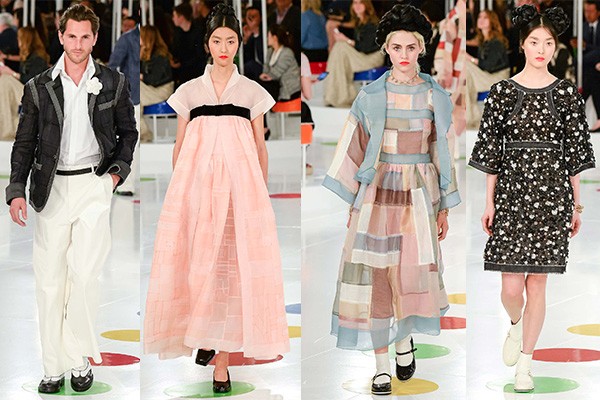
Hanbok Inspired Runway
Back in 2015, Karl Lagerfeld created the Korean inspired collection featuring bright colours, decorated blazers and rounded shoulders.
Karl Lagerfeld line for Chanel in 2015Hanbok Wave project in London in 2022 featuring 10 Korean designers
With increased popularity from Korean cultural exports from TV shows, movies and K-pop music, South Korean fashion designers have also been reinventing the hanbok to become more easily worn everyday. I think that these designs are very modern and for women could be worn in the office. It’s also admirable that they want to modernise a part of their culture especially something that is quite traditional.
What do you think? Have you heard of hanboks before? Could you see yourself wearing a modern version of it day to day?
I previously wrote about exploring Korean literature. Now, I’d also like to keep exploring Japanese literature. I’ve noticed so far in my reading adventures that the themes are quite different although I’m just basing it on the availability of translated books. Perhaps it just so happens that these were the popular books that were translated and there is still a whole fiction category that has not been translated. It sounds like it is probably the case.
I have found that my choices of Korean books were largely based on real life events that have happened to people and the psychological aftermath and cultural impacts. In contrast, my choices of Japanese books have lead me to discover more magic, alternate worlds and more reflections of society.
During my travels, I did notice that bookstores were not as big in Japan as they were in South Korea? Have they all moved online? Did I just not see them? Please let me know.
Read
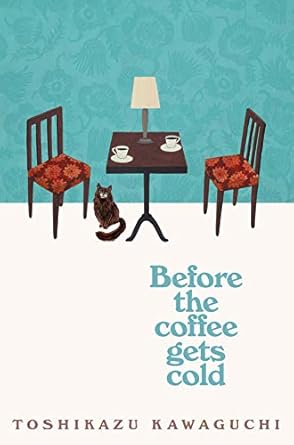
1. Before The Coffee Gets Cold by Toshikazu Kawaguchi I got so emotional reading this book. This book is set in a coffee store which allows customers to go back in time. As you can imagine, many customers were trying to correct past events now that they had the hindsight. Would you change anything from your past if given the chance? Are there particular moments or people in the past that you are strongly attached to? It’s easy to read but if you’re easily moved, prepare the box of tissues.
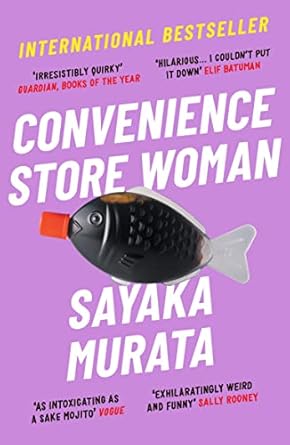
2. Convenience Store Woman by Sayaka Murata This book was so enjoyable to read. Centred around our working culture and the pressures in society on having a “career growing ladder climbing job” and also what it means to be a woman. The main character is a 36 year old woman is perplexed at all of this and it follows her story. There is also a man in the book who also is outside the ‘norm’ and gives his reflections and perspectives as well. I liked the book and the commentary around the societal expectations. It’s easy to read with a joyful ending.
Reading List
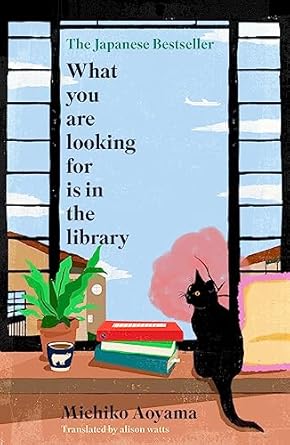
3. What You Are Looking For Is in the Library by Michiko Aoyama Drawn to the setting of a bookstore and the front cover, the inner book lover can’t help but feel intrigued by this book. A librarian knows exactly what to recommend each visitor. Will one book change your life? I like to believe so!
4. The Miracles of the Namiya General Store by Keigo Higashino I came across this book through a recommendation from one of my students in South Korea. I thought the plot was funny so it immediately made me want to read it. Three robbers take shelter in an abandoned general store when a letter flies in asking for advice. It appears that the previous owners were offering counsel to letter writers and the three robbers now share their wisdom to continue the work of the previous owners.
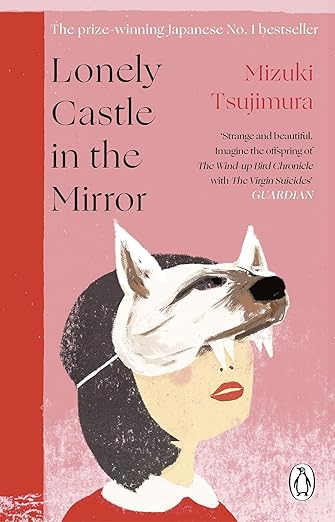
5. Lonely Castle In the Mirror by Mizuki Tsuhjimura A select few of teenagers wake up one morning to find their mirrors glistening and a world within. These lonely teens are able to enter a world where they pass puzzle rooms in order to be granted a wish. The catch, they must leave the world in the mirror before 5pm or they will be punished.
Have you read any of these? What did you think? Are there any other books from Japanese authors that you would recommend?
Located in the south eastern corner of Poland, the Bieszczady National Park borders onto Ukraine and Slovakia. I imagine getting here via public transport might be difficult but with a car, there is parking available in the National Park to be able to access the hiking trails. My friend and I came by car with the intention of leaving home at 7am. Obviously, you know that that is not what happened. We left much later and also needed to stop for fuel and food. With a 3-hour drive to even get to the National Park, we decided to push on. It was a lovely day and my friend had the day off work.
The national park is huge and is Poland’s biggest at 27,064 hectares. You need to pay to access the paths which is 8 PLN ($2-3) for a whole day access. There are 2 camping sites- Bereżki and Górna Wetlinka but other than that, there are just trail paths and also guest accommodation in the nearby town. There are local buses that run at the bottom of the mountains which will allow you to get back and forth between accommodation or the car park but there is no information regarding this on the website. There would be information at the ticket booth or you may need to contact them ahead of time (for English). Apparently it is quite busy on the weekends so get there early or try a weekday as we did.
This is a map of the national park. On this day, we covered what I marked in purple (and we returned the same way) which took us about 3 hours including stopping for breaks and a long-ish stop at the top.
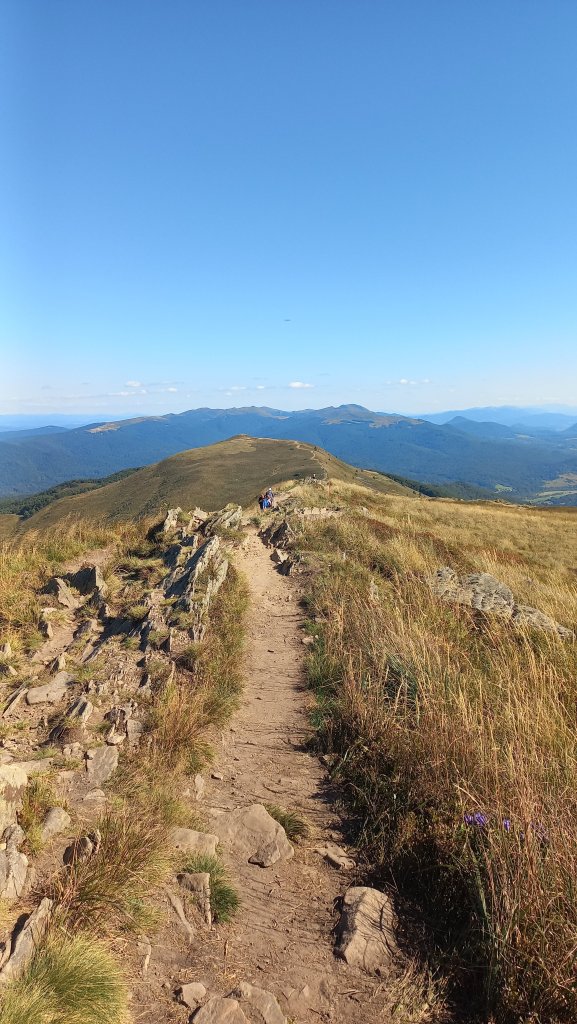
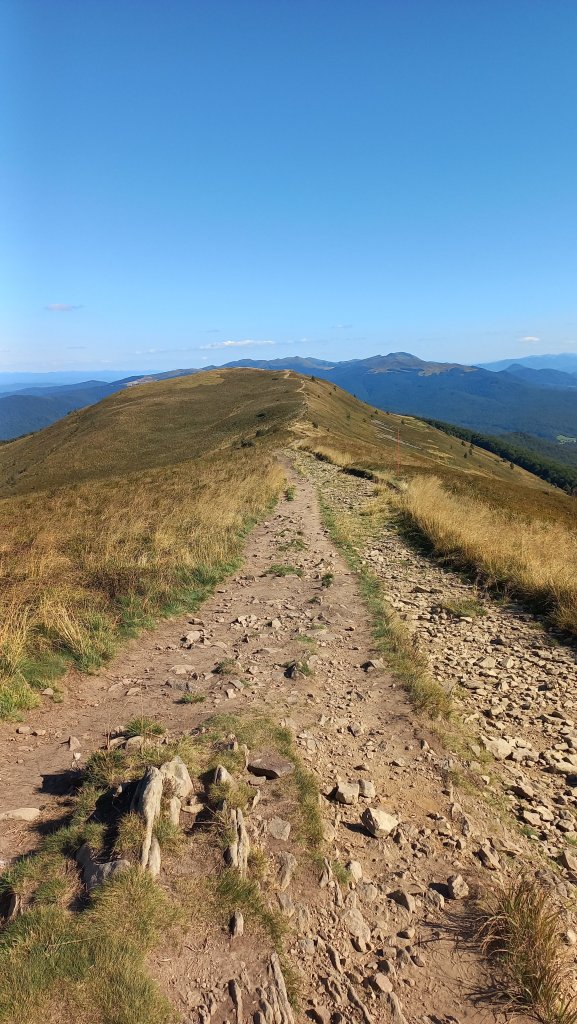
There is something so inherently beautiful being somewhere in nature where it’s quiet from our modern inventions. Not a single car sound, I was in heaven. The trail starts from the road and inclines quite quicky through the forest. There are clear paths marks and as it’s a national park. There are wolves, bears and lynxes in the area too but most of them would probably be out at night. Once past the forest area, the landscape becomes more and more barren. At the top, it feels like you a (literally) ontop of the world. It was quite rocky with scarce vegetation however, beauty can be found anywhere. There were small flowers blooming even at the top. It looks like we just missed the peak of the flowers blooming. We came across 2 seating areas at the top which included benches to stop, eat or lie in the sun as some people were doing. It was very windy at the top so do ensure you pack a wind breaker. Despite the blue skies, the wind was quite cold on this day. As I learnt, whilst we were walking up, we were passing people coming back down and most (if not all) said hi. My friend told me it was a thing in Poland, to greet others on hikes with the people going uphill not obliged to reply.
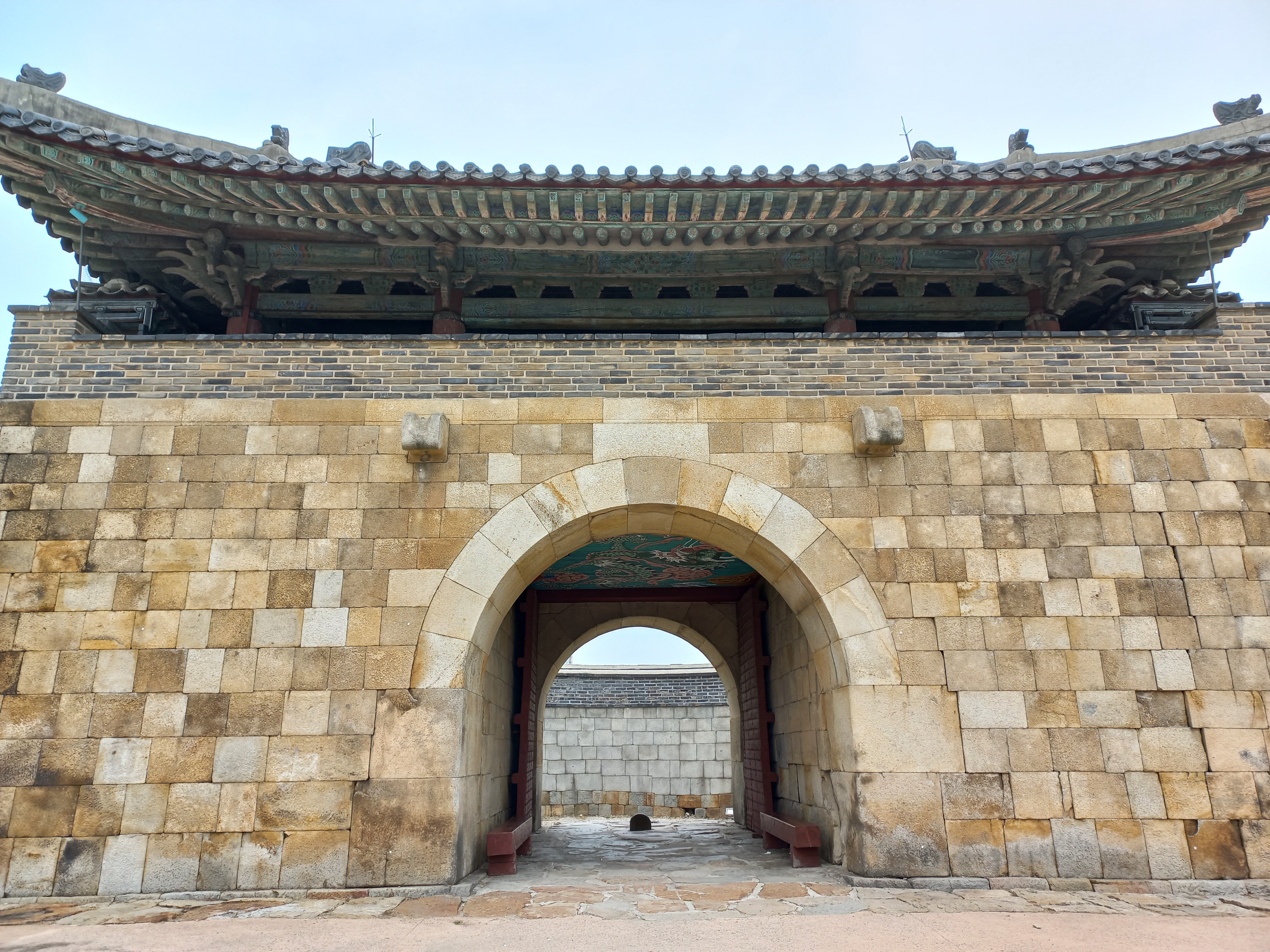
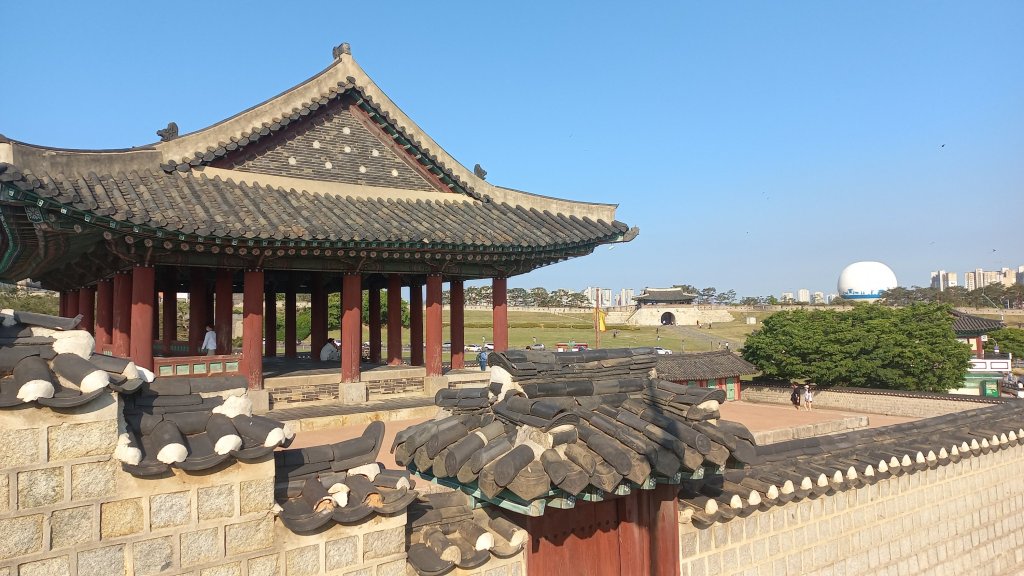
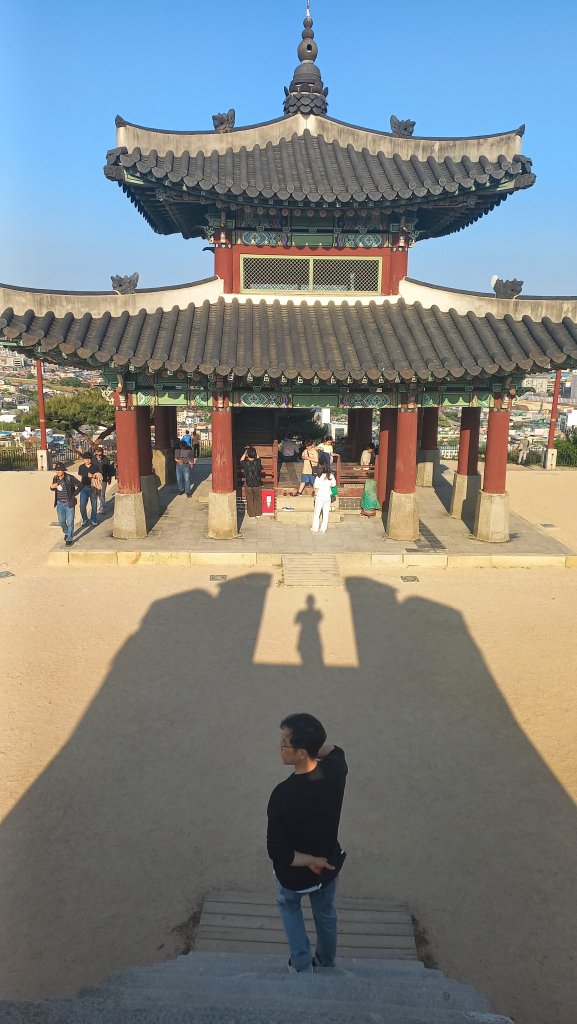
When I was trying to pick which cities to put down on my list of city preferences for teaching, I had no idea as I had never been to South Korea before. I wanted to avoid Seoul after reading that it was more expensive to live there (for food and groceries) and also being home to 10 million people. My search led me a city called Suwon which is famous for the Hwaseong Fortress. And just like that, my gut was telling me that this was the place. I don’t think I listen to my gut often enough and often it’s not very vocal but when it comes to travel, I get such strong pulls from it particularly where to travel to.
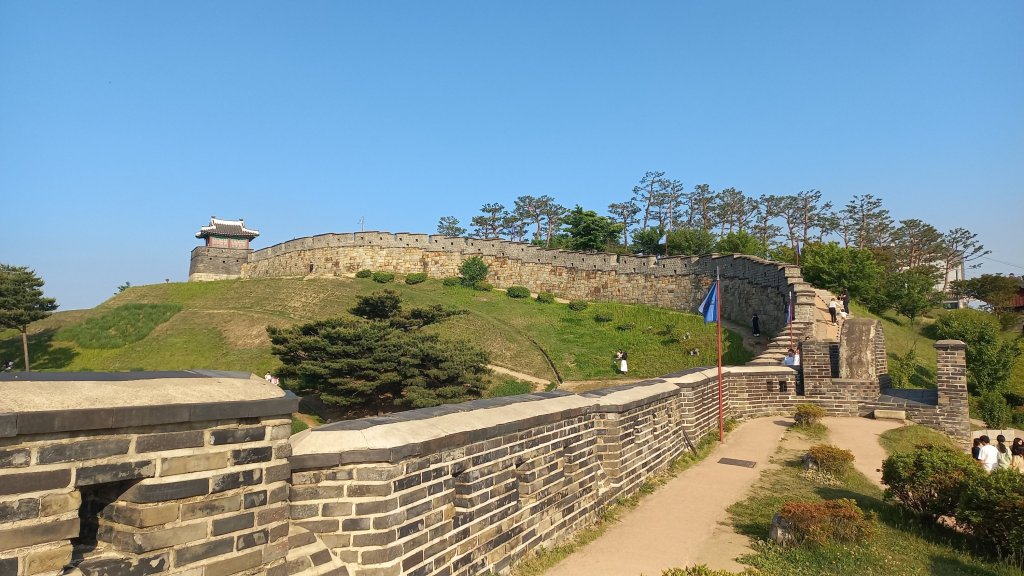
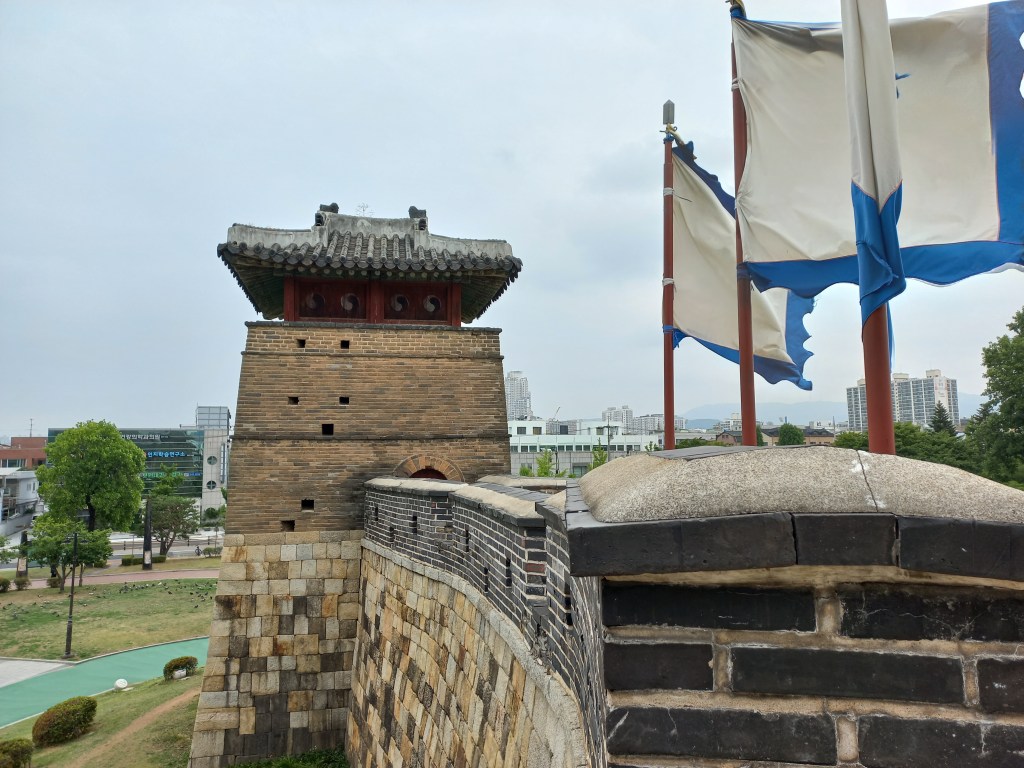
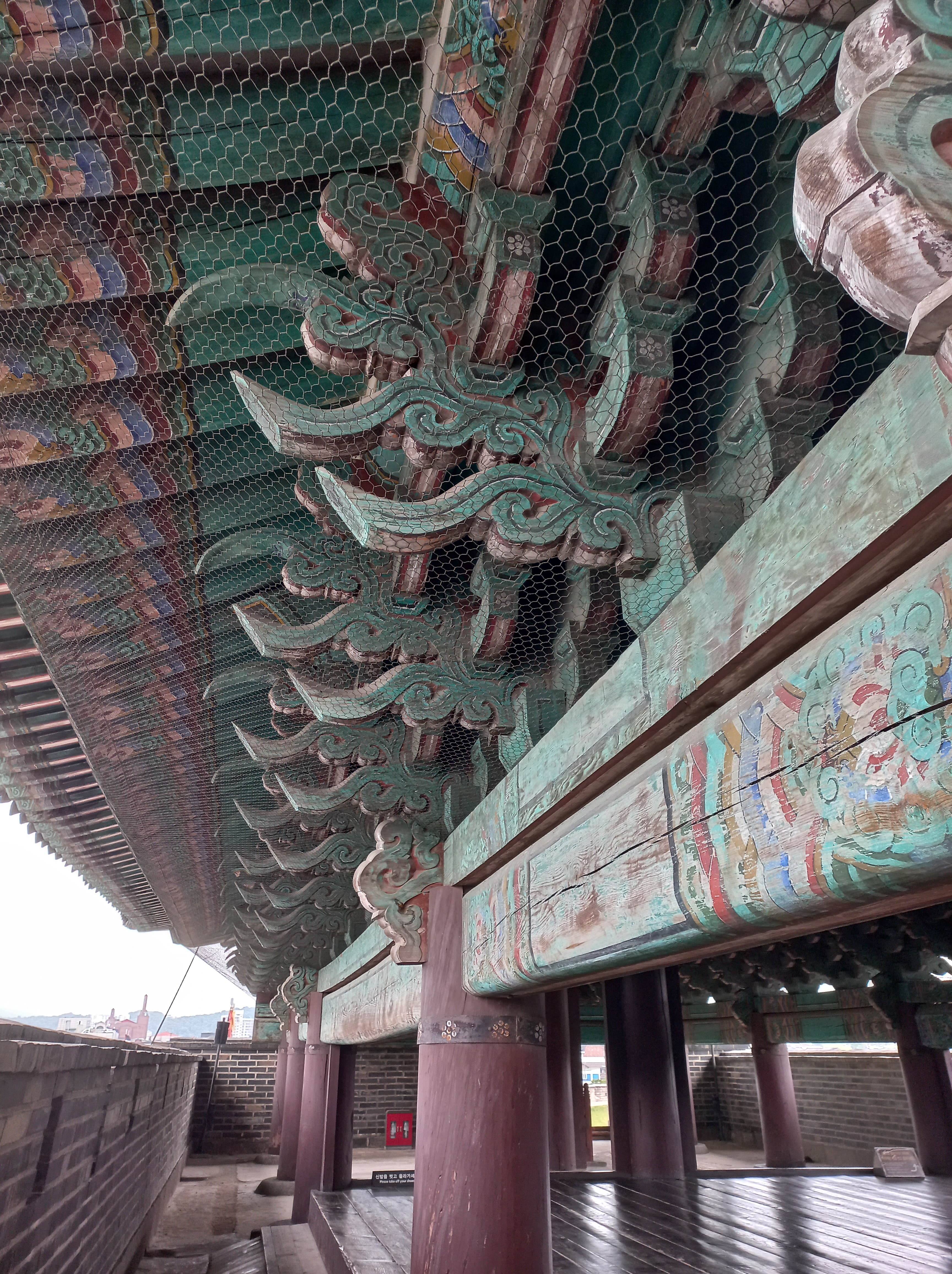
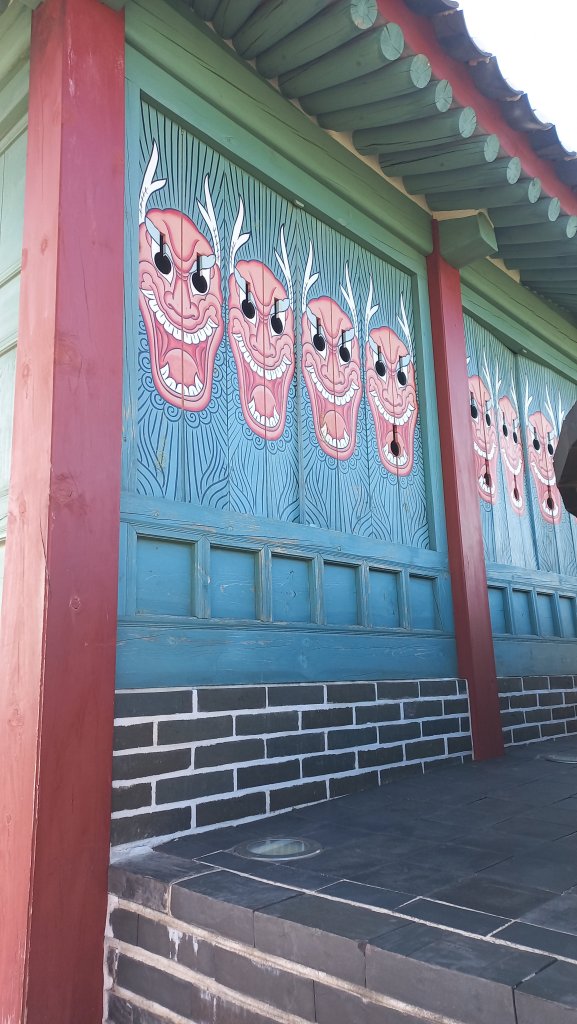
The star of the city is really the fortress. Building started in 1794 by King Jeongjo during the Joseon dynasty with plans to move the capital city from Seoul to Suwon. It was interesting to find out that the architect of the wall, Jeong Yak-yong, would later become a well known leader of the Silhak reform movement. The Silhak reform was developed in response to the strict Confucian social structures and instead wanted to encourage the use science and technology to improve the lives of the people. This school of thought is credited to have influenced the country, building it into what the country is today.
Contained in 10 volumes, the blueprint proved to have been invaluable as it was used for reconstruction. The fortress unfortunately suffered major damage in the Korean war and was rebuilt in 1970. With the exact blueprints to reconstruct the fortress to the same detail as it was built, it led to the successful registration of the fortress as a World Cultural Heritage site despite being a modern restored building.
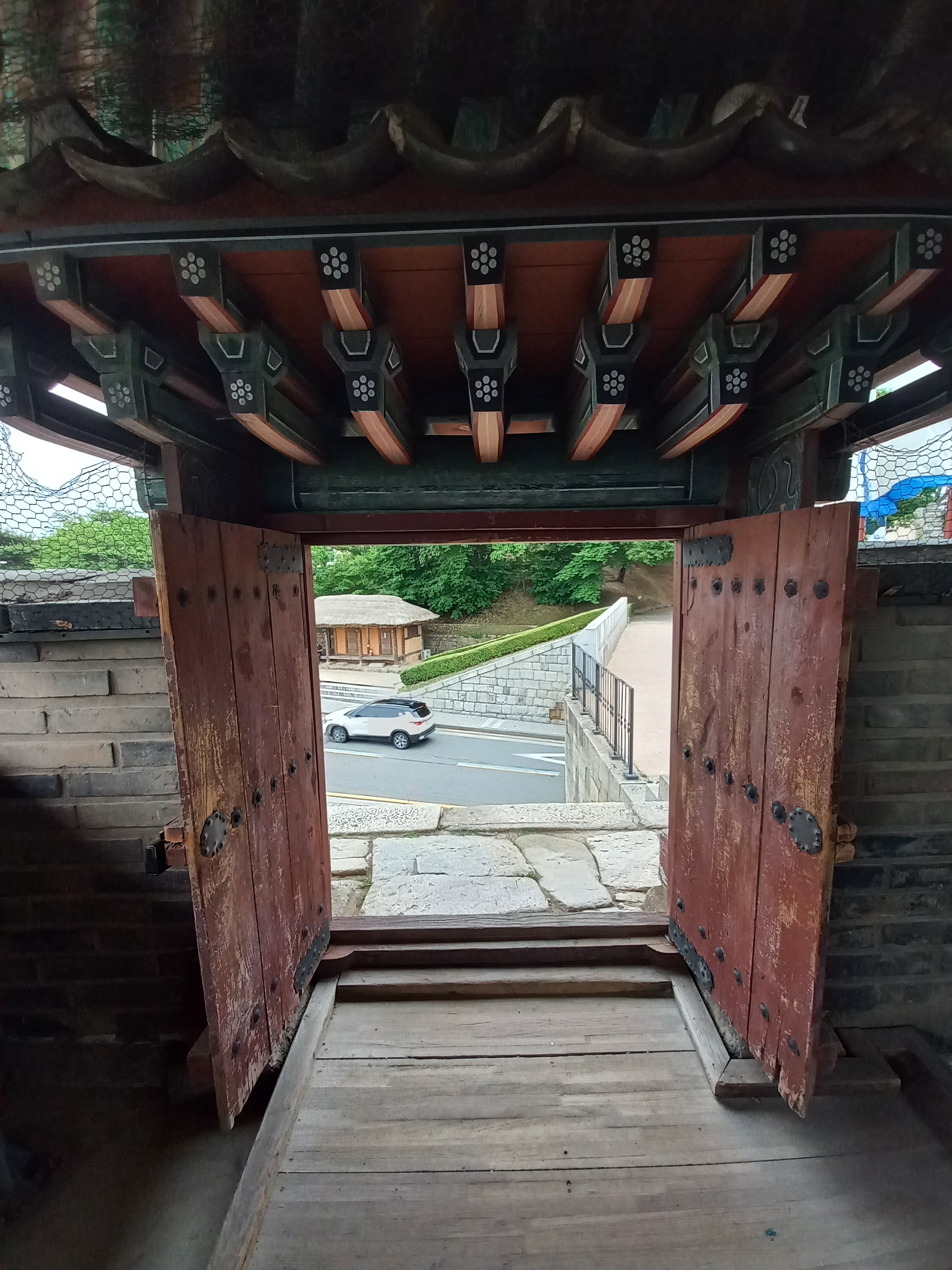
You can also sit inside on the wooden floorboards if you take off your shoes
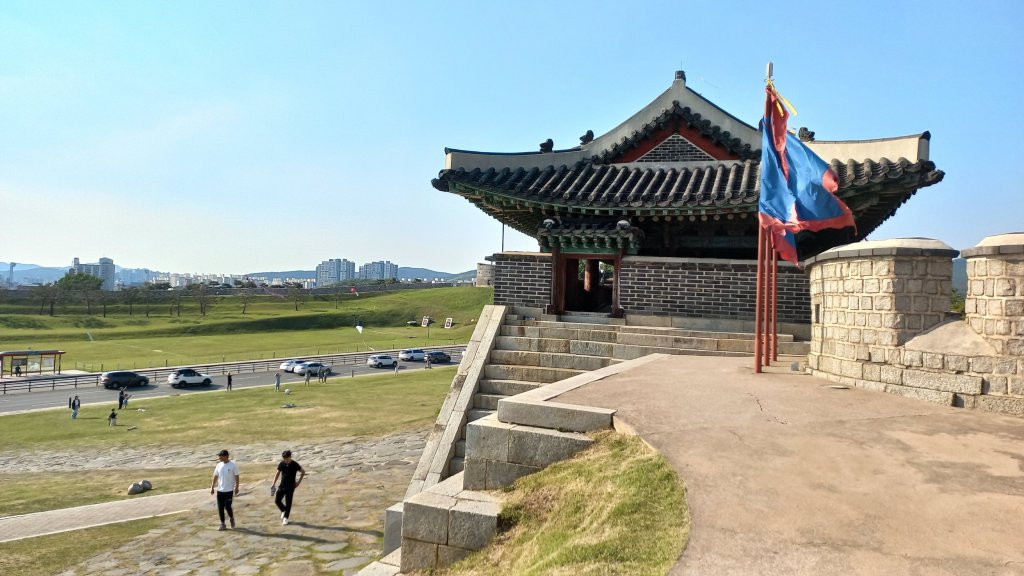
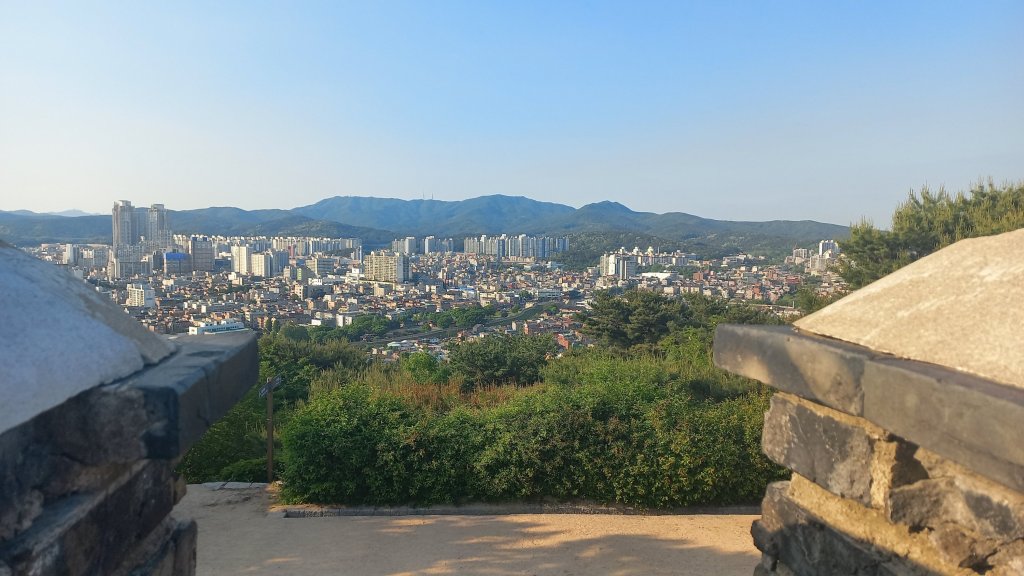
The wall is just under 6 km long and is built over and along some mountains. It was built to include structures that allow defensive and offensive attacks. Today, it is a walking route, surrounding by green areas for picnic go-ers, kite flyers, cafes and an area for archery. On either side of the Suwoncheon stream, there are cafes and gift stores that you can stumble upon by walking the streets. If fried chicken is what you are after, you’re in luck. There is the Suwon Chicken Street also within walking distance where you can pick a restaurant to have chimeck– chicken and beer (maekju is Korean for beer).
I have been to the fortress a handful of times and found out a few months before leaving that I could actually walk there from where I lived! It’s the perfect spot as well to watch sunset and a less crowded break from Seoul. You can walk along the wall and enter most structures (gates and towers- but they are locked out of hours). The wall is always open and you can keep walking the length of it but will just need to come down to cross the road before going back up to the wall on the other side to continue.
Inside the towers, there is a wooden floorboard you can sit on if you wish to have a break but you will need to take off your shoes. It’s very cool and breezy inside in summer which is a great spot to take a break from the humidity and sun.
I am so happy that my gut led me to Suwon and all because of this fortress. Not only a place of historical importance, a sliver of history in the every day and an engineering feat, it has blended into the current modern landscape with beauty and functionality. I know the next time I go back to South Korea, I will need to walk the walls again, seeing views over Suwon from above and below and being able to see far away- space.
I guess a post like this was in the works from the moment I stepped on my flight leaving Seoul. I look back with great nostalgia and am often smiling to myself thinking about all the adventures that I had, struggles, fun and moments of peace. I listened to a lot of k-pop whilst there as they are usually playing in all the shops and even outside stores (especially phone stores for some reason) and even today, I am brought back in an instant if I hear any song that I had heard often enough or have associated with my stay in Korea.
Change in Seasons It was my first time living somewhere where I got to experience the complete changes in season. Here in Australia, our seasons are quite mild relative to each other. As our climate is different, we don’t really have many trees which are deciduous so we don’t get the wash of autumn colours. It doesn’t snow. Right now, I’m seeing so many pictures and videos from places where the leaves have changed colour and I am envious of being able to have such places just to be in nature and walk in.
Seeing the change of seasons before your eyes really gives you an obvious time marker- something that I was not use to. For me, it added some urgency into my life and to stop sitting on my hands. Here, the summers and winters feel longer and spring and autumn are missed if you blink. It feels like time is drawn out more. I also miss the range of activities and events that the different seasons can bring adding to the excitement of each season.
Plastic Recycling I actually really miss plastic recycling. Being able to put plastic food bags, takeaway containers, food packaging and bubble wrap all into the recycling bins downstairs in the apartment general rubbish area was such a great way to be able to easily get to recycle what so much of our food now comes in. In Australia, we do have plastic recycling…..if you save it all up and take it to the supermarket. Which makes it a more cumbersome process.
Delicious Healthy Food (for cheap) While prices in South Korea have also gotten more expensive, it’s still a lot more affordable than here. For $10, you are able to have a sizzling bowl of hot soup, rice and a range of side dishes (with free refills). Korean bbq was also quite affordable if you went with some friends. Drinks too (especially from the convenience store) are also friendly on the wallet and I frequently helped myself to a strawberry smoothie throughout summer for $3 a cup.
Transport system I miss not having to wait more than 10 minutes for a bus or metro. This meant that I didn’t need to plan so much about having to make a certain train or bus. Public transport is frequent, clean and quiet. Oh I’ve missed the quietness! I have a short fuse for people who play their music on their phones for the whole carriage to hear and worse now, people scrolling tiktok or instagram with no headphones! It seems like I experience this every time I take the train here.
Green Spaces Contrary to some assumptions that South Korea might be all high rises (and in some areas it is), there are plenty of green spaces, nature walkways, big parks and mountains. South Korea is a mountainous country so travelling between cities also means getting to see mountains. In my town, I often walked to through a hilly forest area behind a university which has been made for walkers and also included exercise facilities. There was also a large lake nearby with a park built around it which was filled with a constant stream of people exercising and small children riding their scooters. A lot of old desolate areas have been transformed into outdoor recreational areas like the old stream Cheonggyecheon and areas under highways. With most people living in high rises in the big cities, they’ve really catered the outdoors to include plenty of walking tracks. In contrast, many Australians live in houses and our cities are very spread out. As most of our cities are along the coast, land is previous and big park spaces are hard to come by. Being a dry country too, the further inland you go, the more barren the parks become (not to mention all the deadly bugs).
Cafes I had written a post before with pictures of some of the cafe’s I’ve been too. They were peaceful places (except those in Seoul on the weekend) where care had been taken into creating a ambient place to relax or work. Plants, soft lighting, big wooden tables and simple decorations were usually the elements of most of these cafes. The drinks were not just your matcha latte but included other options for non coffee drinkers. I miss being able to go to one and enjoy my drink while getting lost in a book or chatting with friends. They were not places where people rushed in and out but enjoyed the day away. There was also this culture of going in for a drink only or to pair it with a dessert which eliminated the constant kitchen smells and loud noises.
Walking I miss being more accidentally active during my day. Being a teacher meant that I was standing most of the working day and had to take public transport daily, often having to stand for part of my ride. I had walks to and from both bus stops. I took the fire stairs at work which is open all the time and what the students use as there were just not enough space with the 2 elevators. Over the weekend, as I was out exploring, I continued to clock up the kms. This was the fittest I had been in my whole life. Certainly the way the city is built, helps with this with shops being all walkable from apartments and always seeing people outside. It’s harder when your city is a city built for cars and shops are further away.
Appearances Something I did not expect to miss, the superficiality around appearances. I don’t miss the heavy make up, the unrealistic beauty standards or everyone sporting the same look but I miss the notion of taking a little more care or having more intention in looking presentable. Without this added societal pressure, I’ve gone back to my old ways of messy bun and overly casual look. I really do miss looking a little more polished but when you stand out if you are, it has made me relax my way of dressing. I guess this is something for me to work on.
Do you miss any aspects of other countries that you’ve lived or travelled to?
Something that I didn’t expect to do in my life was to take a tour in a different language. But here we are. I joined a Polish tour with my friend (who was my translator) as it got us from where we were to where we wanted to go. It was cost effective and also easy because it was all planned.
It was a bus tour that would take us through Lithuania, Latvia, Estonia, a day trip to Helsinki and then back. We didn’t stop in Vilnius in Lithuania so I won’t be writing about Lithuania but I will write about Latvia (Riga first)!
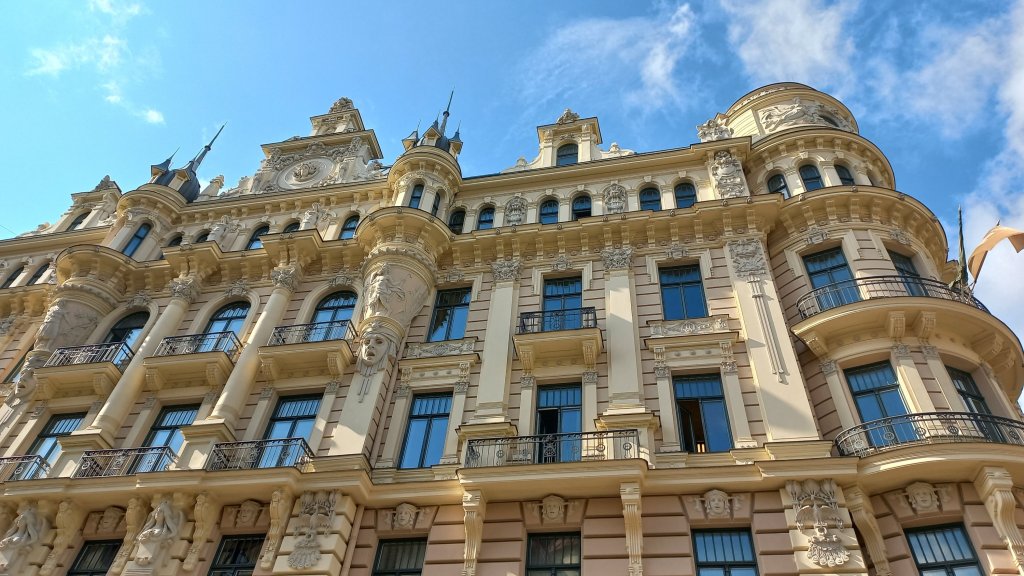
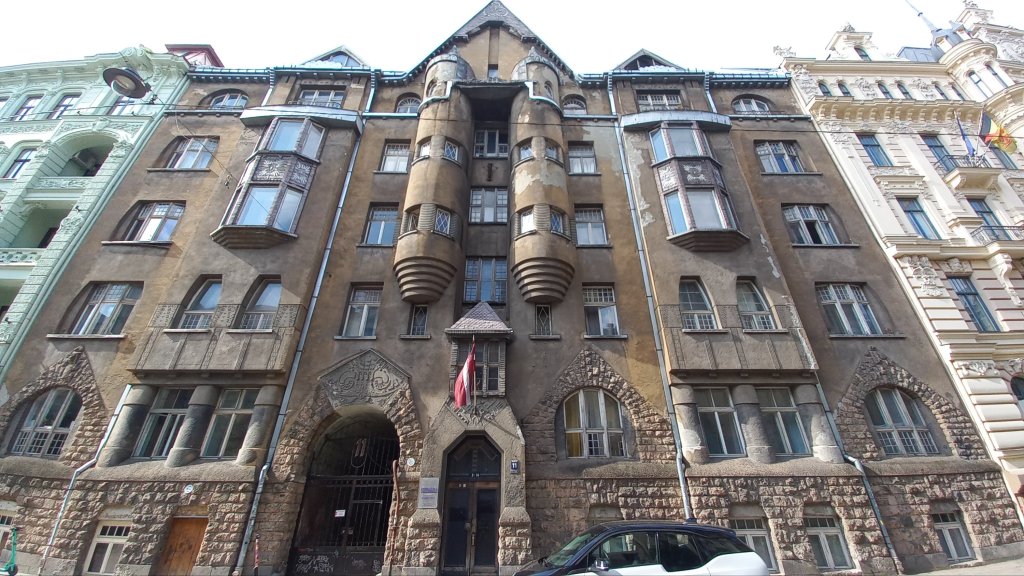
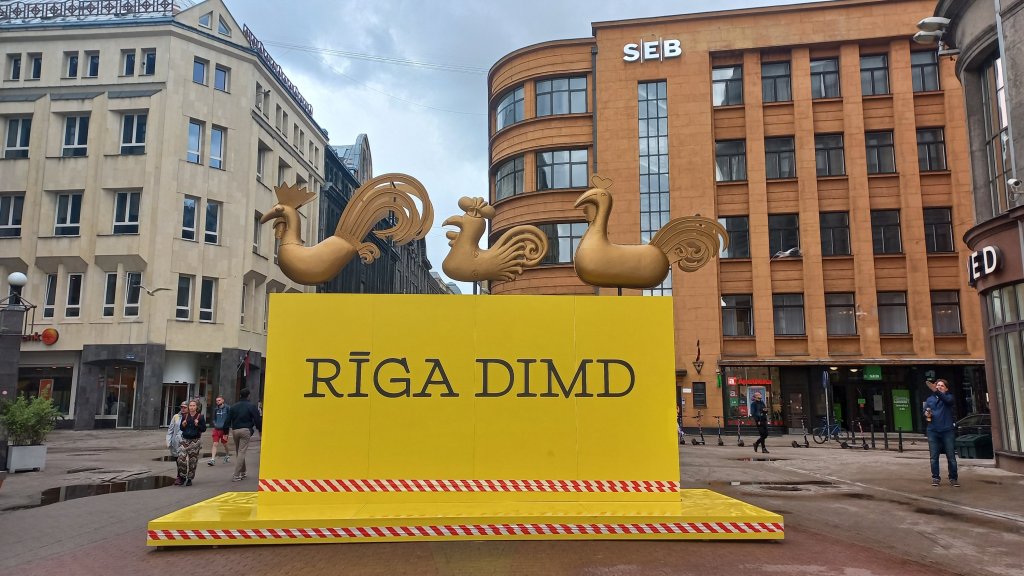
Riga is marvellous. When there are so many art nouveau buildings around, each with a unique façade, it was hard not to be impressed. Riga is said to have the highest concentration of art nouveau architecture anywhere in the world. Easily accessible by river, Riga has been a centre for trade since the Middle Ages. Riga has been ruled by the Holy Roman Empire, Polish–Lithuanian Commonwealth, the Swedish and Russian Empires. As well as being occupied by the Soviet Union and Nazi Germany. Latvia was declared independent in 1991.
We started our morning with a walk through Albert Street, a street well known for all the art nouveau architecture. Each building was different from the next in colour, design and features. The details and embellishments on some of these buildings are just amazing and left me with with great admiration of the craftsmanship. It’s something one can probably only dream of, living in an apartment like this although most of these were offices, stores or Government buildings.
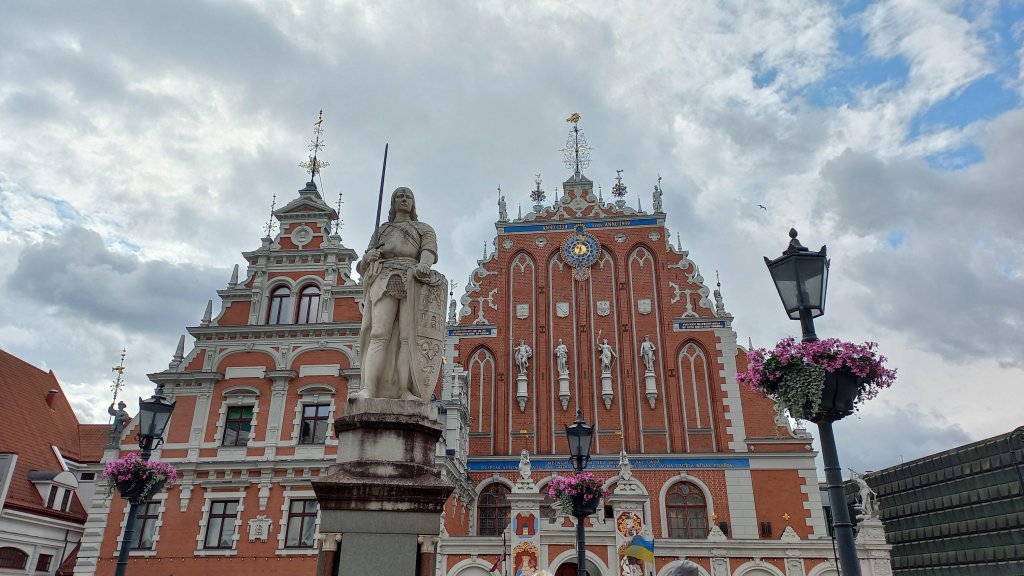
We then piled back onto our bus and went to Vecriga, which is the original Old Town for a walk around. Our first stop was of course, the market square Rathausplatz Riga which houses the Town Hall and the House of the Black Heads. This building was built in the 14th century by the Brotherhood of Blackheads (a group of unmarried merchants, shipowners and foreigners). They were originally a military organisation but survive to this day as a social organisation.
House of the Black Heads (rebuilt after WW2)
St Peter’s Church
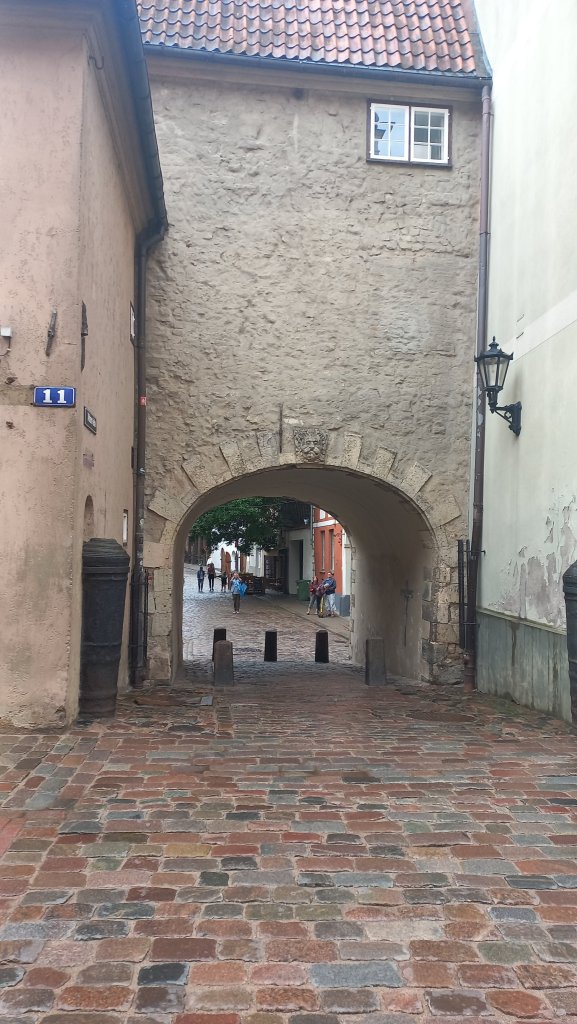
Back view of the Swedish Gate
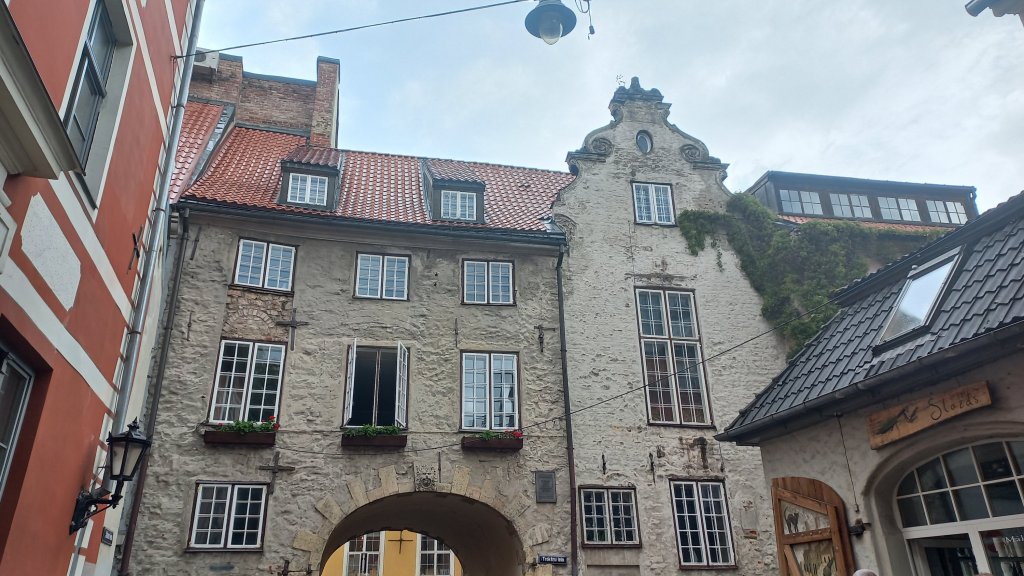
The Swedish Gate is part of the medieval wall that enclosed Riga and is the only gate left. It also allowed access to the barracks when Riga was under Swedish rule. Part of the wall still remains nearby here however most of the wall is gone.
Front view of the Swedish Gate
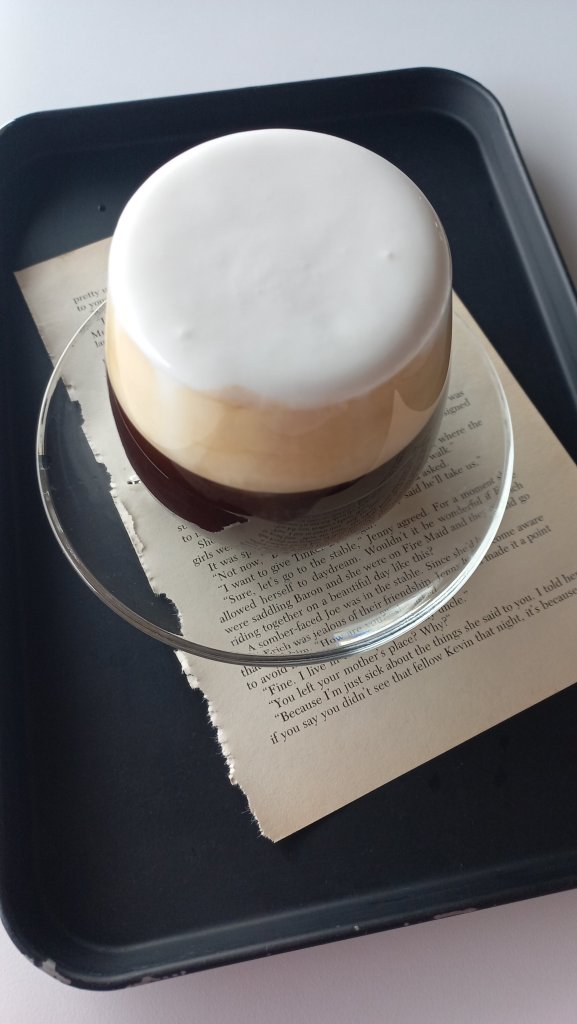
After our brief walking tour and then had some free time to eat and wonder. Unfortunately, in my usual style, I was too hungry to take a picture of the food first but we ate at LIDO Alus seta and tried the famous Latvian grey peas and dark rye bread dessert (Rupjmaizes kārtojums). Rye has been grown in Latvia for over 1000 years and dark rye bread is a popular staple in the Latvian diet due to it’s high nutrition. The dark rye bread dessert is similar to a trifle. I was told that this was a healthy dessert and quick to make for children whilst also being good for them (and adults too). I’ll have more please!
We were served dark rye bread in our hotel and let me tell you, as an avid dark rye bread fan prior to my visit, I felt like I was in bread heaven. You’ll notice immediately that the Latvian version is more dense and therefore heavier than your usual bread (and definitely more than the ones we have in Australia). Caraway seeds are added which gives it this different aroma. It also has a more bread like texture than pumpernickel. Gosh, I could do with some now.
Speaking of rye, another popular Latvian beverage which is made from dark rye is Kvass! It’s a carbonated fermented drink that I learnt is also popular in neighbouring north eastern European countries. I got some at a supermarket and we brought some back to Poland (and continued looking for it in Poland).
Bringing dark rye bread back to Poland
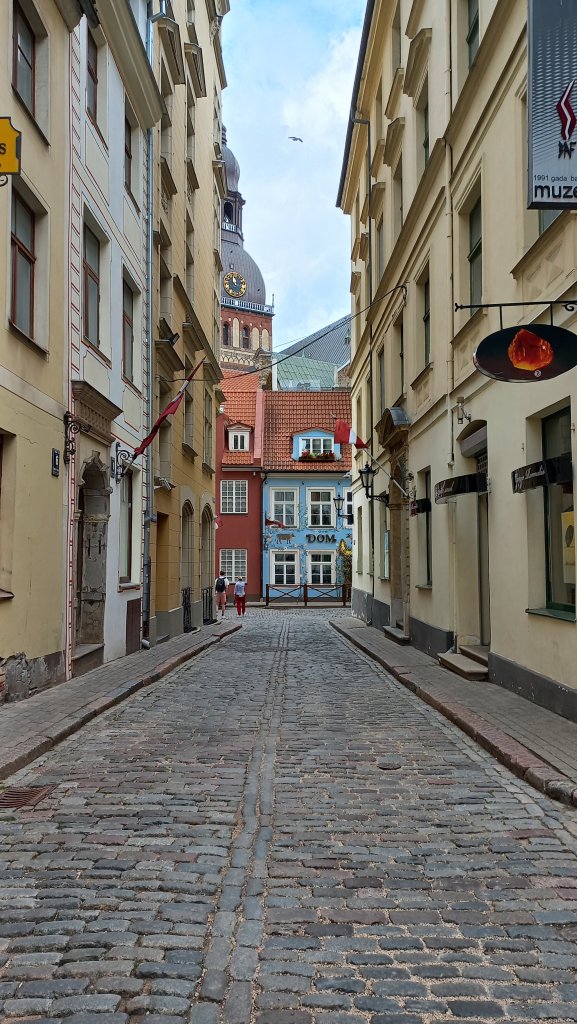
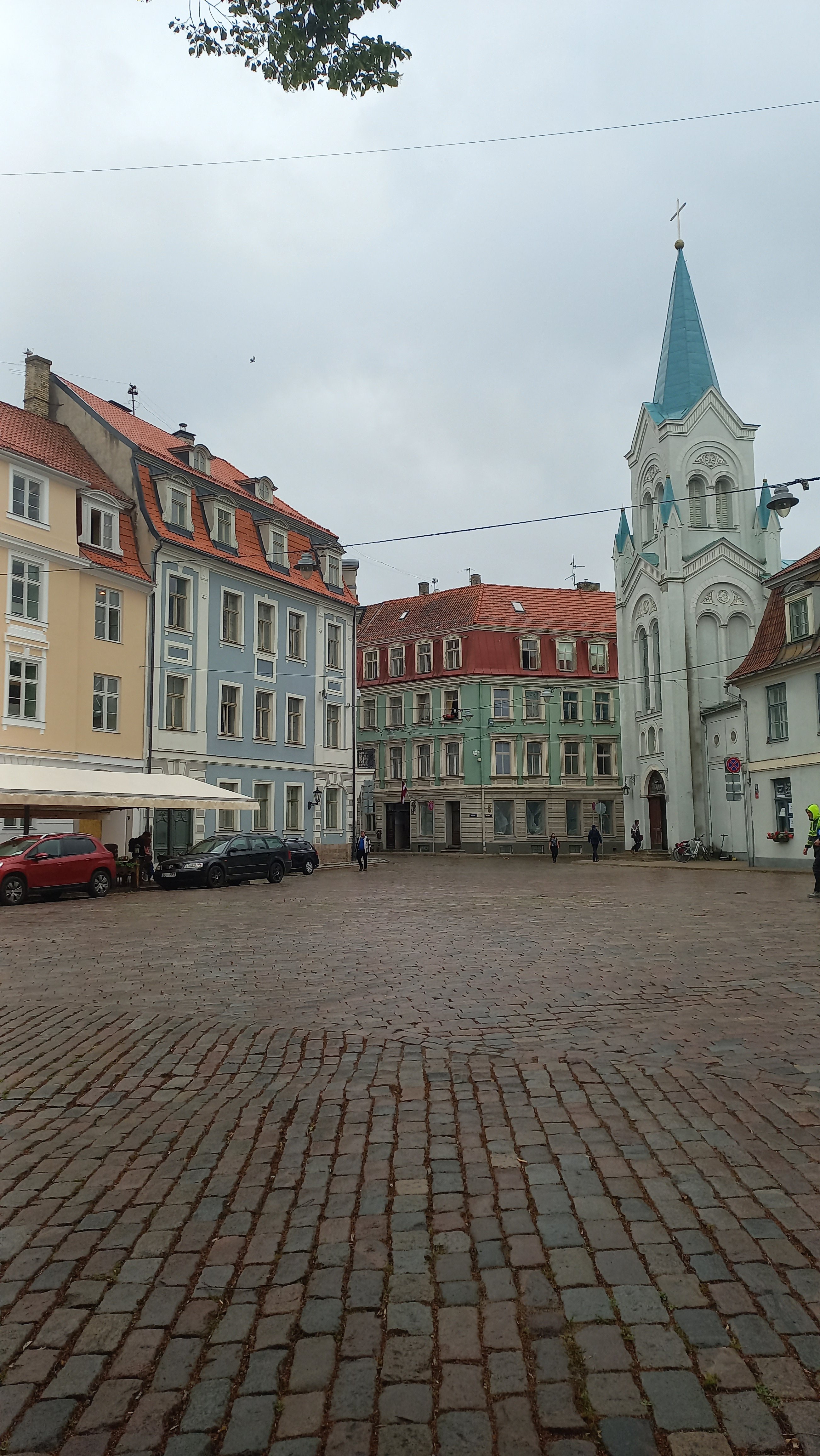
The streets were not as busy as other more popular cities in Europe so it was pleasant to walk around. There were plenty of courtyards, outdoor dining and cobblestone streets to explore. It was pretty, not overly touristy and seemed to be not yet be an overly expensive place to visit.
As this was one of those city hopping trips, I hope that I will return one day to Riga to be able to explore more. It’s a city that is so rich in history that a few more days are needed. Not only to drink more kvass and eat more dark rye bread but there are a few museums that I would like to visit too. These are:
Riga Art Nouveau
Latvian National Museum of Art
Museum of the Occupation of Latvia
Museum of Decorative Arts and Design
Museum of the History of Riga and Navigation
National History Museum of Latvia
The Corner House- former KGB headquarters.
Brought back some Balsam- a traditional Latvian herbal liquer
Aside from the many memories, photos and letters from students, I did buy some keepsakes to ‘remind’ me of my year of living in South Korea. Always keeping my eye out for pieces that I love, souvenirs are such a special objects that I hope I can have a place one day to display them all.
One of the good things about South Korea is that they still have a strong manufacturing industry so many items are still made in the country. For me, having items made in the country is a big factor when buying souvenirs.
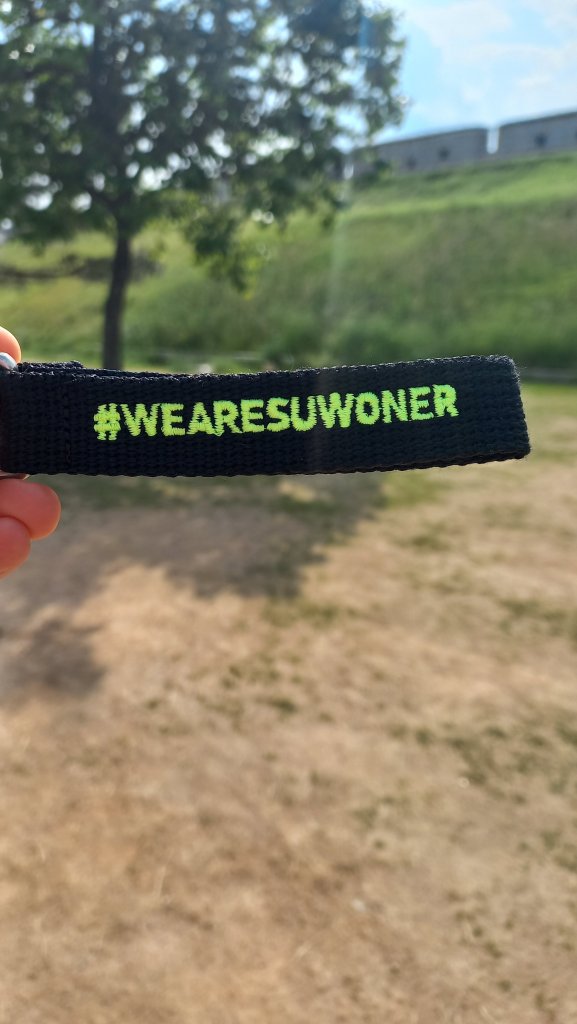
We are Suwoner keyring
I lived in the town of Suwon and always thought that I should find something that reminds me of the town. At first, I thought that I could buy myself the local soccer team shirt but 1) I know next to nothing about soccer 2) they are always made of polyester so I never reach for them and 3) I never seemed to be around to catch the games (where I could go to a store at the stadium to buy a shirt). Towards to end of my stay, I was roaming around the cafes around the fortress walls when I came across a small cafe that was selling this keyring. The cafe name is something else though so I’m not sure if it’s actually from a local designer or just a happy coincidence that it is just ‘We are Suwoner’ but I thought it was still a nice momento to keep as a reminder of the beautiful city that I loved to call home.
Small ceramic set
I picked up this set of vases from the art district of Insadong. Celadon (pottery items made of this green colour, which is also celadon) spread from China to parts of Asia including South Korea. During the Goryeo dynastry, celadon became the traditional Korean ware and was also the time of peak high quality production. Obviously these important artefacts are in the museums but there were small pottery pieces being sold in Insadong. Moon jars are also famous in South Korea which were made during the Joseon dynasty. You can find small moon jars and magnets in Insadong too. I thought this was a nice reminder of the history of South Korea and portable enough for me to bring back home.
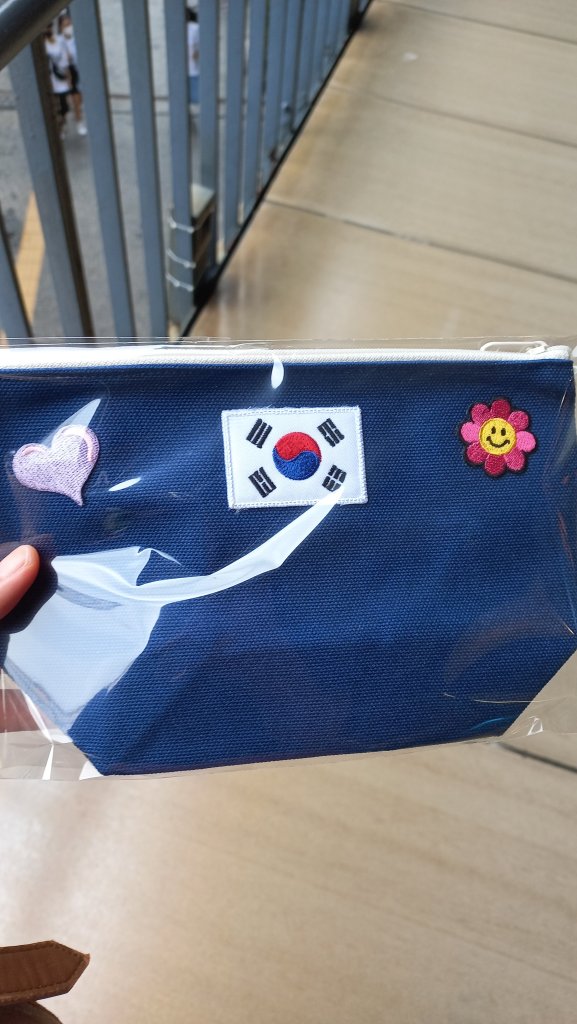
DIY iron on pouch
A nice and easy souvenir was a store where you could make iron on pouches, bags, keyrings and pencil cases. They had plenty of Korean themed iron on patches and I decided to choose the flag as a little reminder. I think I was one of the few big kids in the store who was making something for myself and not a gift for someone else! It’s handy to keep any loose essentials in my bag together and easy for me to move from bag to bag if needed.
Set of prints from Busan
Attracted by the colours of these prints, I bought this set of prints from a small gallery in the Gamcheon Cultural Village. In both prints, the artist included the Gamcheon Cultural Village and to me, both prints signify adventure, daily wonder and human connection (isn’t that what life is all about?). One day in my future place, I’ll have these hanging side by side.
Pouch, bookmark and Busan magnet
The pouch and bookmark were the first 2 souvenirs that I bought in South Korea. The pouch has proven very useful so far. I’m not sure why I bought the bookmark, I have some bookmarks lying around but for some reason, I’ll use a piece of paper as a bookmark instead. I need to swap these pieces of paper out. The busan wooden magnet I bought was from another cultural village in Busan. To me, it is also a nod to Soju, one of the national drinks of South Korea.
Do you have any favourite souvenirs you use or see daily?


































 Lingo in Transit
You must be logged in to post a comment.