• A Tale of a 24hr Layover in Singapore

    With my European holidays coming to a close, I had the unfortunate event of 2 out of my 3 flights back to Australia be cancelled and rebooked. It wasn’t ideal cutting my holidays 2 days short and leaving me with a 24 hour layover in Singapore. All in all, it wasn’t too bad but I had not anticipated another country stop before going home.

    Something similar happened when I landed in Europe, my last flight was cancelled and I was put up in a hotel and rebooked onto 2 flights to reach my final destination 1.5 days later.

    I’ve never had so many flights cancelled on me and am sure that this is the last time I’ll be flying with this carrier.

    The silver lining was that my luggage was not lost with all these flight cancellations.

    To make the best of my situation, I ended up booking a hotel halfway between the airport and city centre (and after having been told my hotel could be reimbursed to now being told it can’t be- to be continued….). The cost of accommodation around the airport was astronomical and with that much time, I thought that maybe I would be better off exploring a little bit rather than walking laps in the airport. I landed late afternoon and my departing flight to Australia would be the next night.

    After I landed, I needed to collect my luggage as it wasn’t going to be checked through to Australia. I was irritated when I found out but was so honestly over this airline by now. Not wanting to haul a packed to the limit suitcase around in Singaporean climate, I checked it into a luggage storage facility at the airport which cost $15 for 24 hours.

    Navigating the metro system was easy enough and I opted to just tap on and off with my money card instead of buying a pass. My accommodation was located near hawker markets (woohoo!) and shopping centres so after checking in, I walked around outside exploring and trying to adjust to a new timezone.

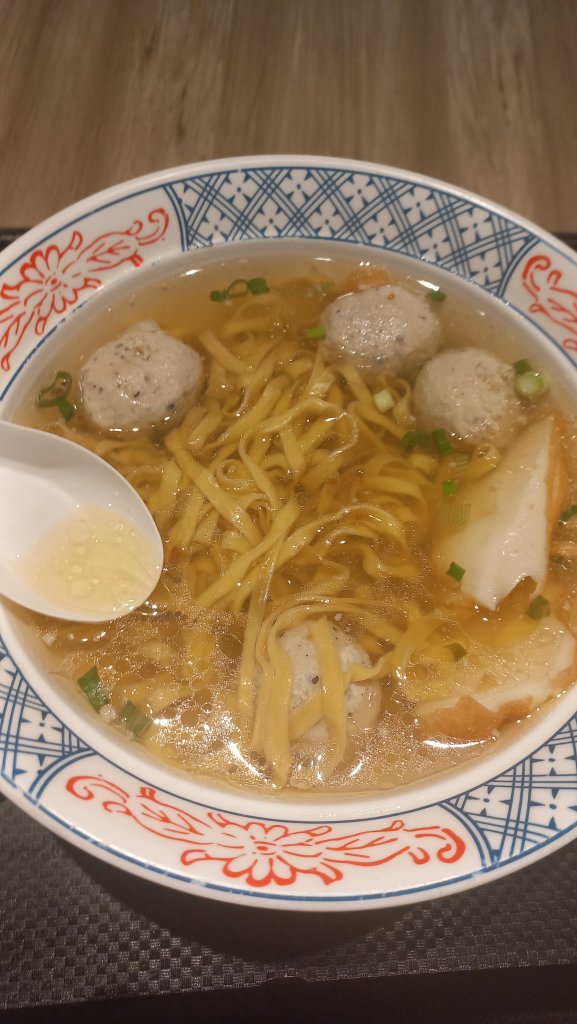
    Out of the restaurants at the hawker markets that were open, I opted for the above egg noodle dish with fishballs. I missed egg noodles so much which doesn’t make an appearance in South Korean cuisine. I spied some Indonesian desserts too but was already full from my dish and hot weather.

    I decided to head into one of the shopping malls to have a look and walk. I grabbed a bubble tea for dessert. At this point, I got a notification from my bank asking me if I had made a transaction. This is weird, I thought. I had not got a notification from them during my entire trip abroad. After logging in to check, you can imagine my horror when I saw many many unauthorised transactions on my card. I hurried back to my hotel so that I could lock my card.

    Obviously, this had put a further dent in my mood. Oh well, I thought. They’ve spent my money. I would just need to wait until I’m back home to deal with it.

    Luckily I had some cash on me.

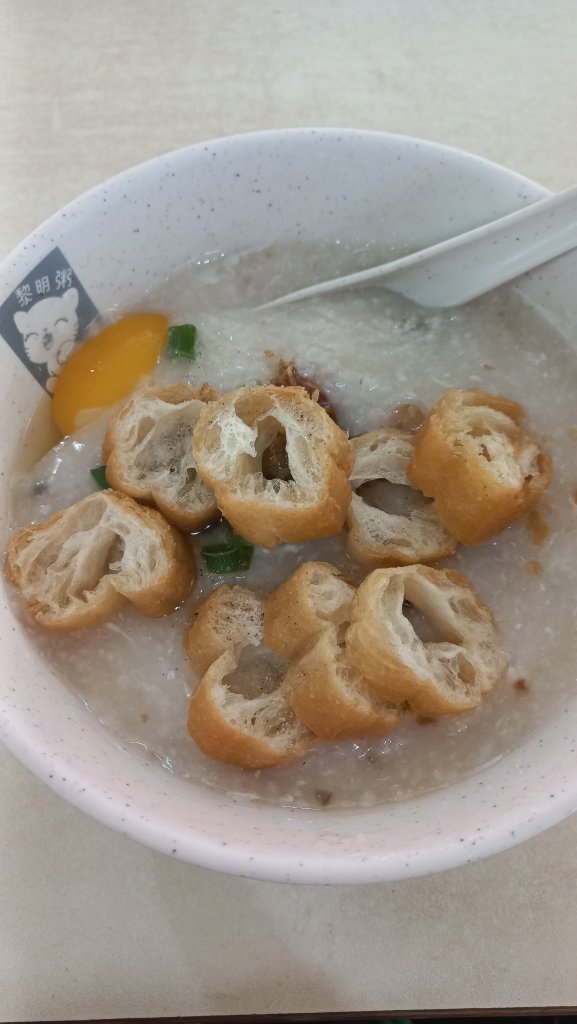
    I did not sleep much or soundly that night but enthused by another chance to eat at the hawker’s market, I went out mid morning and found some delicious thousand year old egg congee with freshly made youtiao (fried dough). Also known as century egg, these preserved duck eggs are dark/black in colour and having it with congee (rice stew) is a classic dish. I tried it with a raw egg added for the first time.

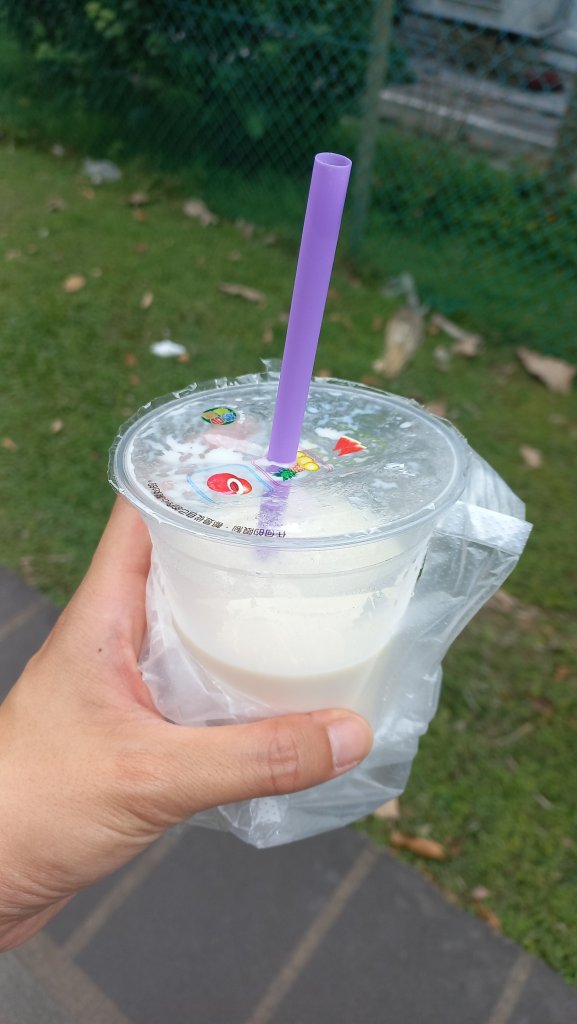
    I also saw some soymilk being sold at the stand next to the congee stand and got one to go.

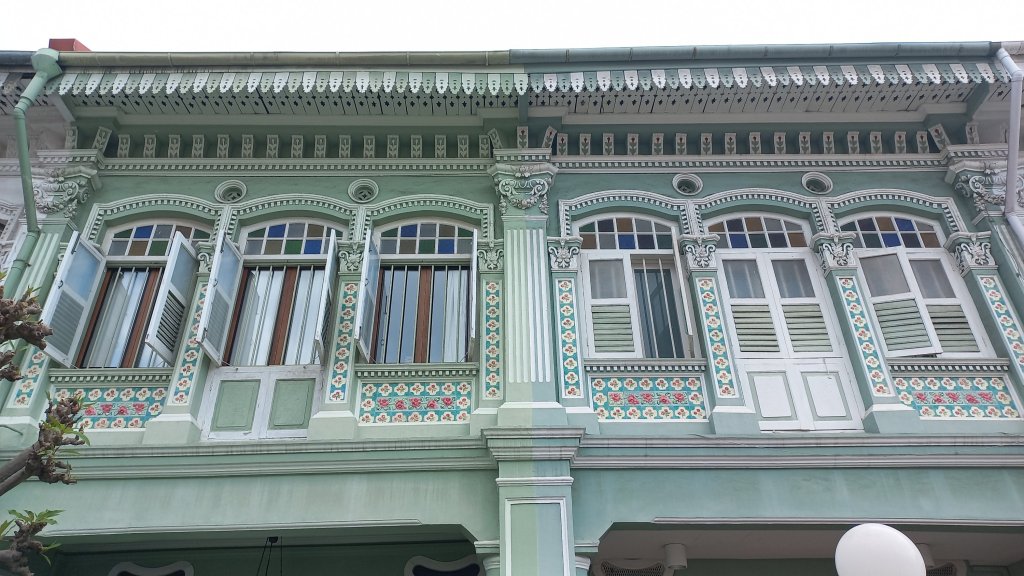
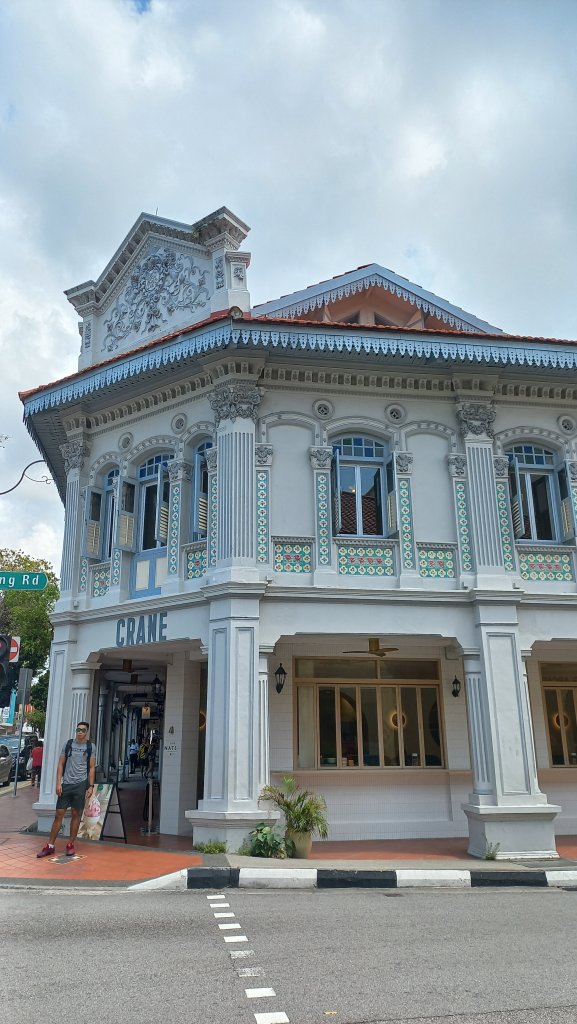
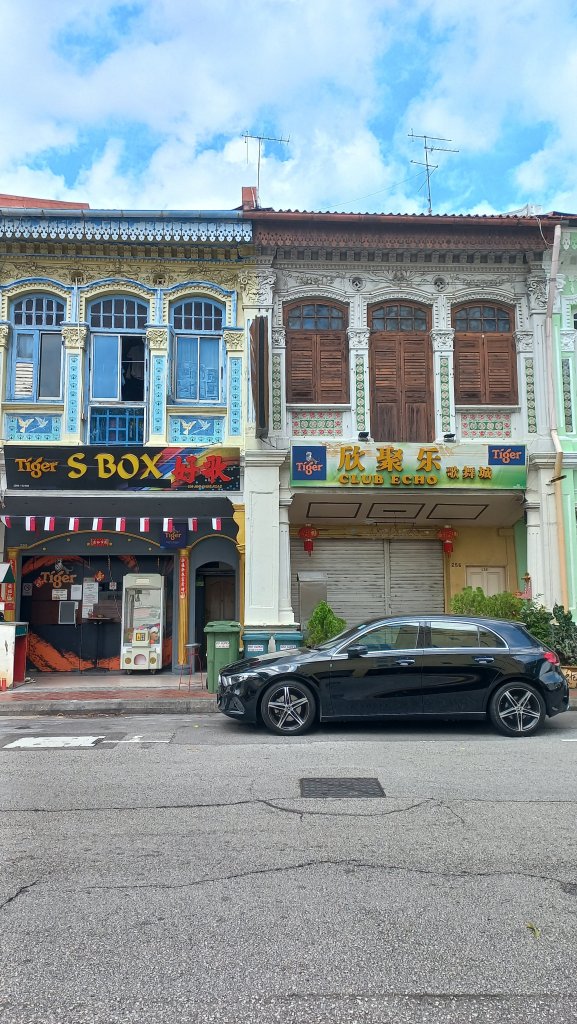
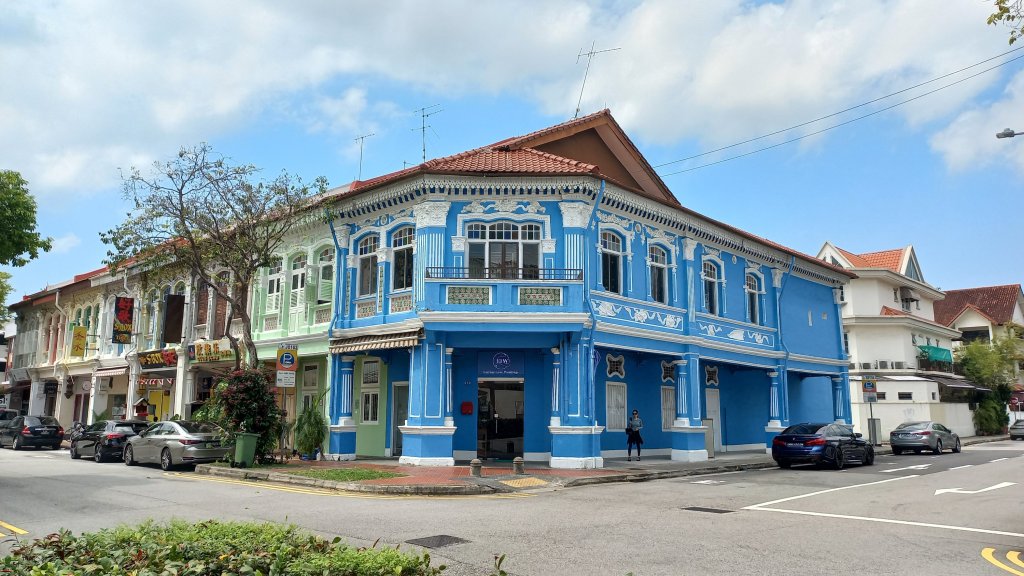
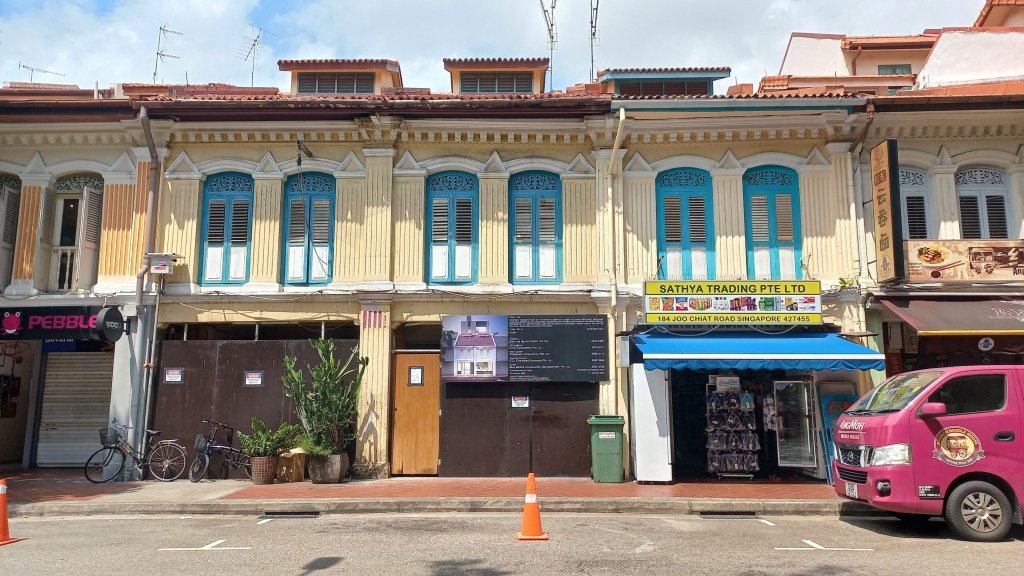
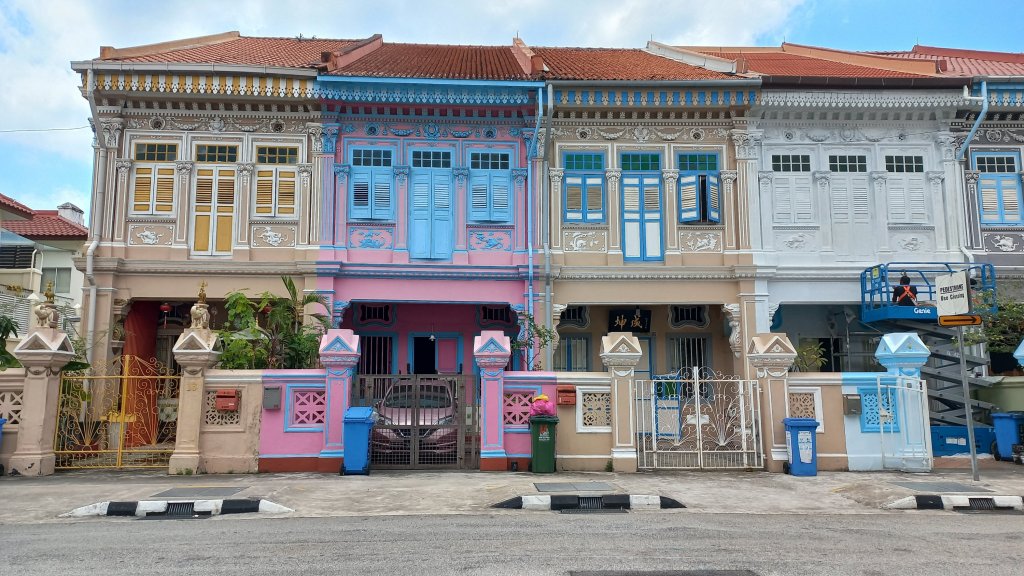
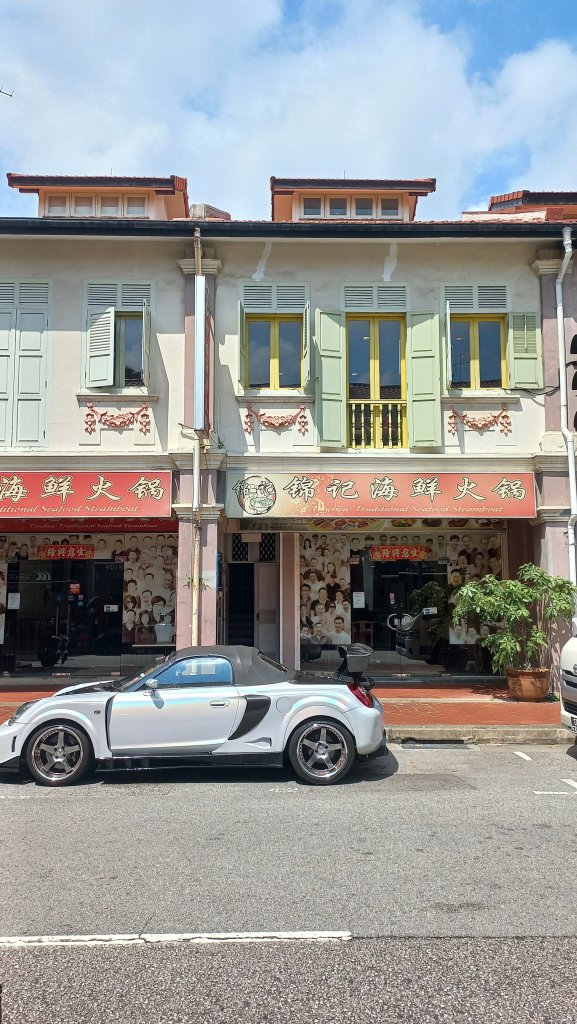
    My morning stroll took me the Peranakan Houses which are such a feast for the eyes. The area where these houses are isn’t very long but to get here, you get to also walk past Peranakan shop fronts (all the other pictures in this post) which are as beautiful.

    By now, the heat and humidity were on its way up and I was not feeling so good so I took refuge in a shopping mall to keep out of the heat. Soon after it was time for lunch (no picture) which was more egg noodles with wontons and Chinese bbq pork (char siu) to then off to the airport early.

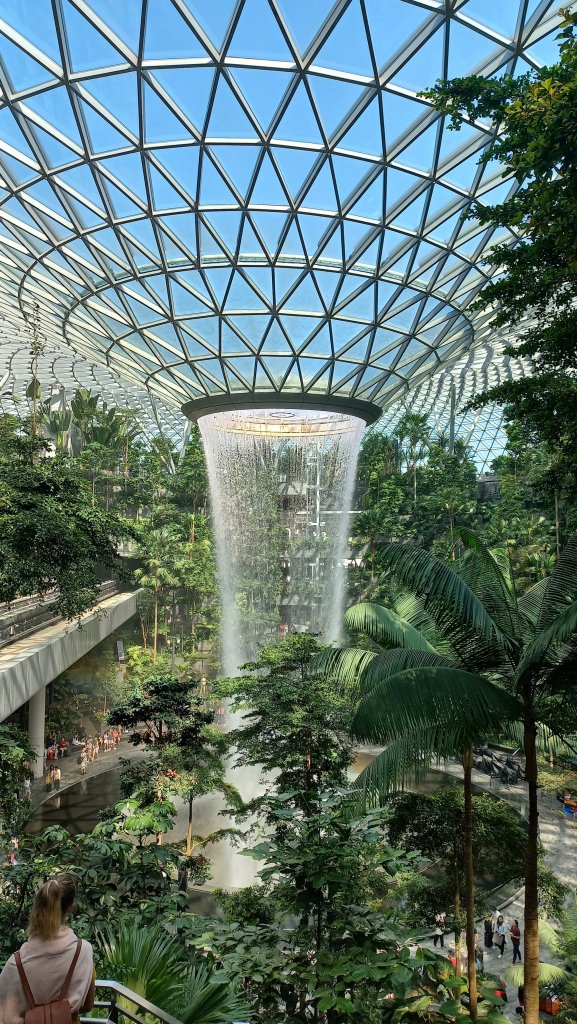
    At the airport, I had plenty of time to find the waterfall in Singapore Jewel. The terminals are all easily connected with a sky train so it’s easy to go from one to another. The waterfall is impressive and a beautiful sight with the plants surrounding it. After wondering inside in the mall area, it was time to pick up my suitcase and make my way to my terminal ready to check in.

    Have you had a quick layover in Singapore? What did you do? Has anyone else had such bad luck with flight cancellations?

  • Returning Home Checklist

    By the time I publish this post, I would have arrived back home after my year living in South Korea and travels. As bad as it sounds, it feels a bit like time travel where I’ve come back to the same family home, the same town, people are going about the same lives that they lead when I had left. Now that I’ve written it out, it sounds a little narcissistic. Of course, my parents are and look older, my friends have continue to progress in their lives by getting promotions, having babies, getting engaged and buying homes. I’m coming back to familiarity yet it won’t really be as well.

    I feel like an alien out of water for the moment.

    I’ve spent almost 16 months in places where I didn’t understand a word being said around me. I loved it because it meant that I couldn’t accidently listen in on conversations and that I was truly in my own world. Everything was new which satisfied my inner wanderer.

    So what does one do when you get back from time abroad?

    Apparently I’m going to feel some reverse culture shock. Just because it’s home, doesn’t mean it’ll be any easier. Perhaps it’ll be harder given that the excitement of being in a new place, is not there. I’ll have to get use to everything again. Maybe I’ll feel some annoyance that all the things that I had wanted to change in my life and did, are back where they are 16 months later.

    I’ll be doing my life administration with ease. I’ll be scheduling all my health appointments and getting them ticked off one by one.

    I feel the sudden urge to collect more family stories especially from my parents. I’ve got a sense of urgency about spending more time with them and to gather as much information about their lives before they are not able to tell them. I feel like seeing my friends and being there for them through the thick and thin. The past few years through the pandemic have felt less than satisfactory regarding all relationships.

    I need to unpack my boxes of belongings that I sent home from South Korea. I’m excited actually to rediscover my belongings despite it being a small number- they got my through my year away and are essentially, all I need. I had such great anxiety on whether they would make it home, through customs and if my illegible writing was legible enough.

    Which brings me back to next one, decluttering. I managed easily probably less than half my wardrobe and belongings. I don’t remember much of the clothing that I had left behind aside from a handful that I’m looking forward to be reunited with. There are probably many things that I don’t actually need and can find a new home for them. I want to make room for new things to come.

    Lastly, I had a list of foods that I want to eat. One thing that I usually miss about being abroad is the good international food offerings that are available in Sydney. I’ve had my fair share of non-authentic meals abroad which were all disappointing and just reminded me of all the authentic dishes I could have back home. I usually always crave Asian dishes so they make a big appearance in my list:

    • Laksa
    • Pad See Ew
    • Xiao long baos (dumplings)
    • Banh Mi
    • Pho
    • Australian coffee
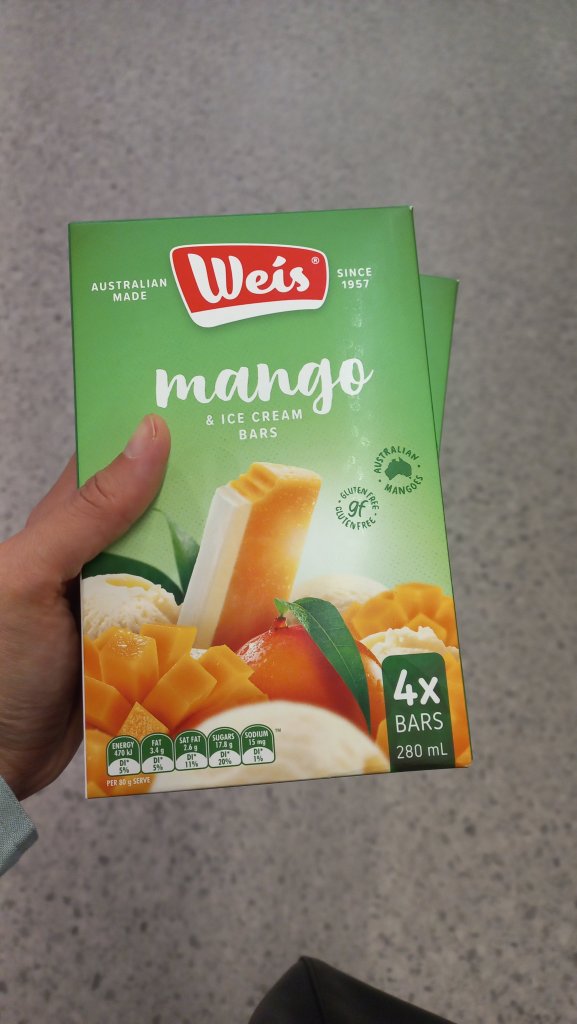
    • Mango Weis bar
    • Prawns

    One thing is for sure though. It’s moth season so I’m sure I’ll be attacked by a bogong moth.

  • Recount of 3 Days In Budapest

    Budapest was the last major city on my list of ‘must visit soon’ in Central Europe. I’d seen pictures of the Parliament Building and chain bridge so many times yet had never quite made it there. So this trip to Europe, Budapest was the city that I was looking forward to visiting the most.

    Day 1

    In the morning, we joined a free walking tour, which is still my recommendation when in a new city to get a general layout of the city and a lot of information. This tour was just on the Pest side and we saw all the landmark buildings which I will go into more detail about as I went to visit all of them in my days in the city.

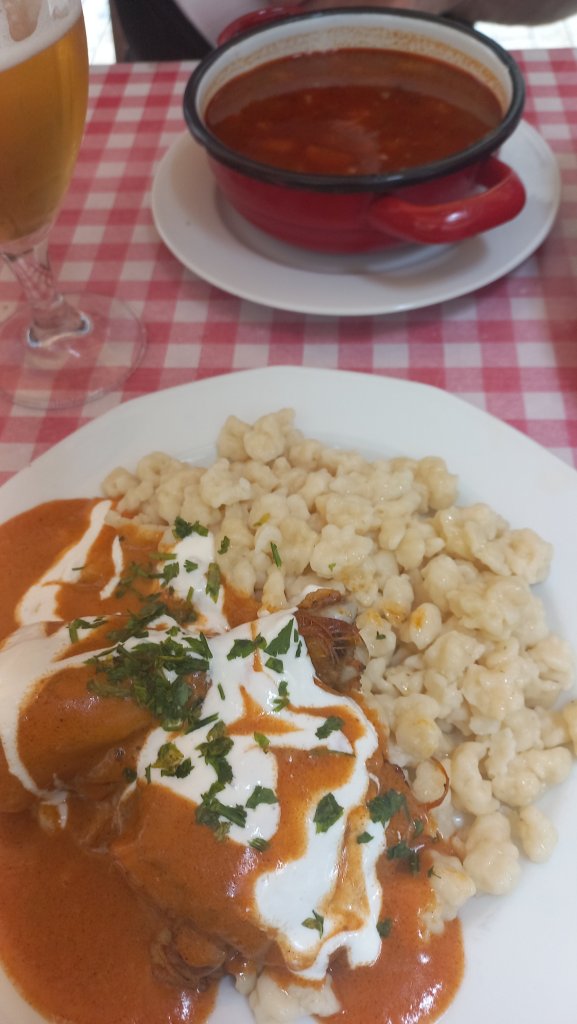
    Once the tour finished, it was lunch time so I found a traditional Hungarian restaurant along the way. A Hungarian goulash and chicken paprikash went down well and was a great introduction to Hungarian cuisine. However, my eyes had already grown wider at the prices on the menu. They were larger than I had expected, researched and budgeted for.

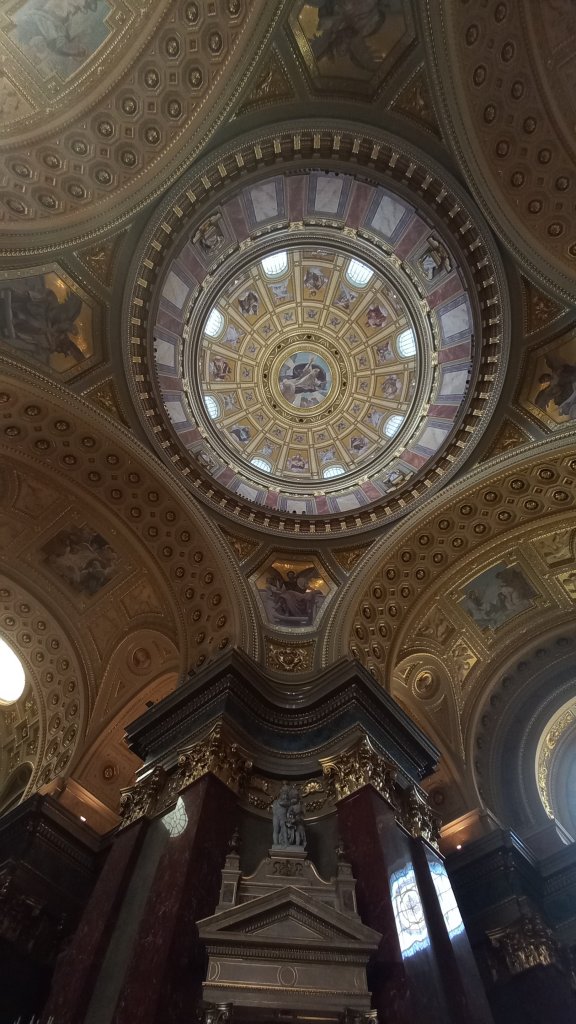
    After lunch, I went into St. Stephen’s Basilica. With construction starting in 1851, it was named after Stephen, the first King of Hungary. Interestingly, his mummified right hand is inside the Basilica. Entrance is paid but worth it in my opinion. The interiors are beautiful and it is the largest church in Hungary. I went the combined ticket which gave access to the rooftop lookout which allows you to walk the circle of the dome and also to the Treasury (which isn’t very big).

    The beautiful weather meant that the views from the rooftop were stunning. No other buildings can be taller than the St Stephen’s Basilica and Parliament House, so you have uninterrupted views across the river or to the suburbs. Although further out, there looks to be some skyscrapers at the far end of town.

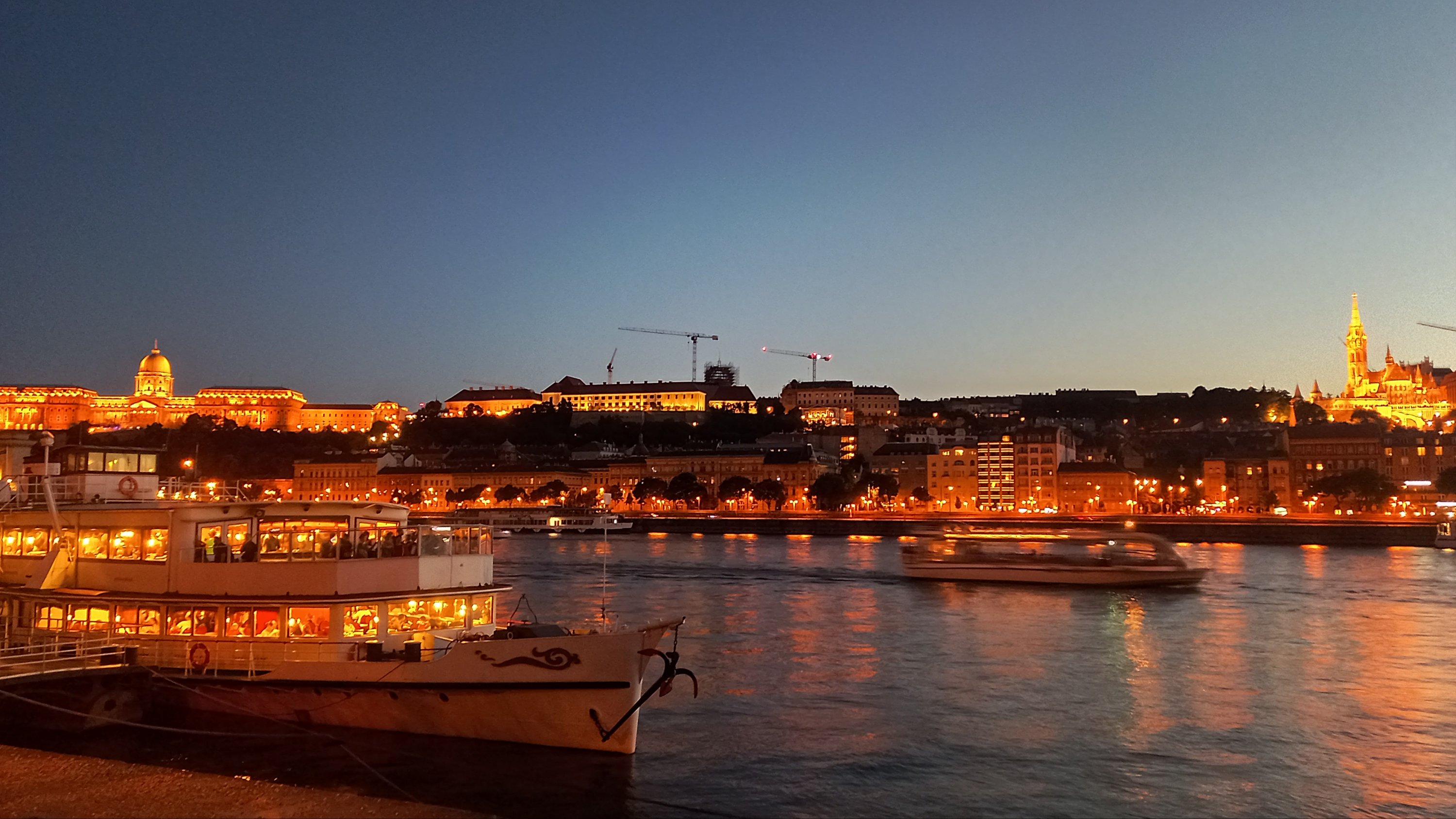
    Deciding to make the most of the great weather, my friend and I decided to continue walking until night. We walked through the city streets admiring all the beautiful architecture and made our way over the bridge to the Buda side to see it in the evening. In particular, we were waiting to see the Parliament Building being lit up.

    The old town in Buda was very quiet except the odd tourist group. There seemed to be a lack of restaurants and cafe’s compared to Pest. Still, this made the walk around very relaxing and easy to take in the views.

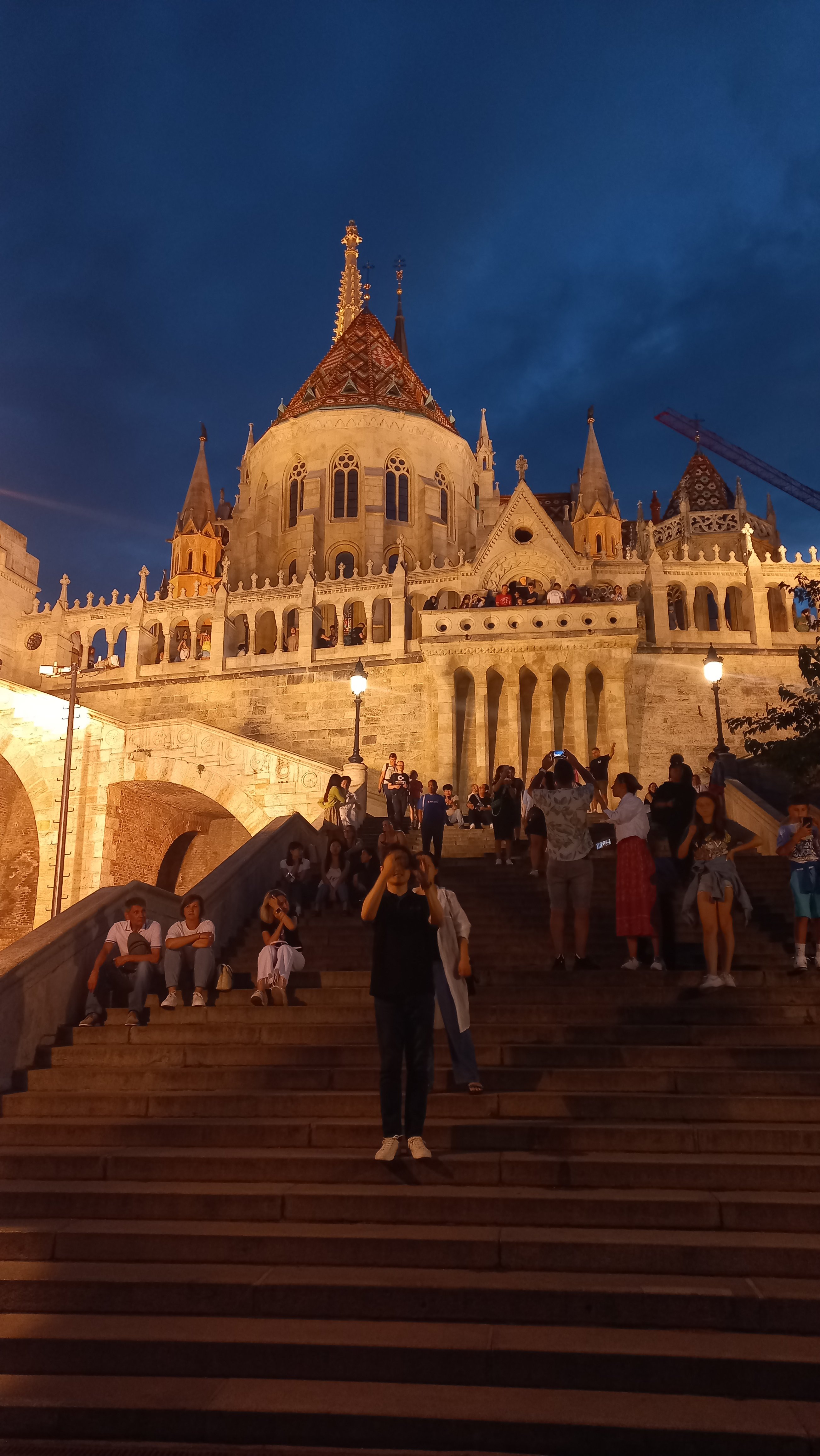
    When darkness fell, we made our way back to the Bastions with everyone else there and found some space on the steps to take in the beautiful views. We had debated on whether we wanted to take a river cruise here to see all the night lights but I’m glad we didn’t. I had imagined the whole night sky to be lit up but it was just some of the landmark buildings on either side of the river which you can easily see walking the banks of the river.

    Day 2

    The next day, we had book tickets to do a Parliament Building tour. Tickets were quite expensive (they charge more if you are not an EU citizen!) but completely worth it considering how unique the interiors are. My huge tip is to book early is you are after an English tour as they sell out pretty quickly (I’m talking about 2 weeks in advance). Which is the reason why we had to do the 9:30am tour!

    The exterior of the Parliament Building is impressive enough itself and the interiors were such a special treat. You are given an audio guide and ferried around the building as a group and not able to roam.

    The tour took about 1 hour but in the last exhibition room, we stayed longer to watch short videos and read more information about the history of the building. Once we exited, we made our way to the Museum of Terror (no pictures). The museum details the Russian occupation in Hungary after WWII with 4 floors of exhibits. It took us almost 3 hours to complete the whole museum with our audio guide and some waiting. When we exited, the line to get into the museum was out the door. Go in the morning if you plan to go!

    Starving, we quickly found the nearest Hungarian restaurant and ordered. A Hungarian goulash with traditional crunchy bread and a potato dumplings with beef cheek. The meal was delicious but expensive for my view of Hungary (each dish was about $40 aud).

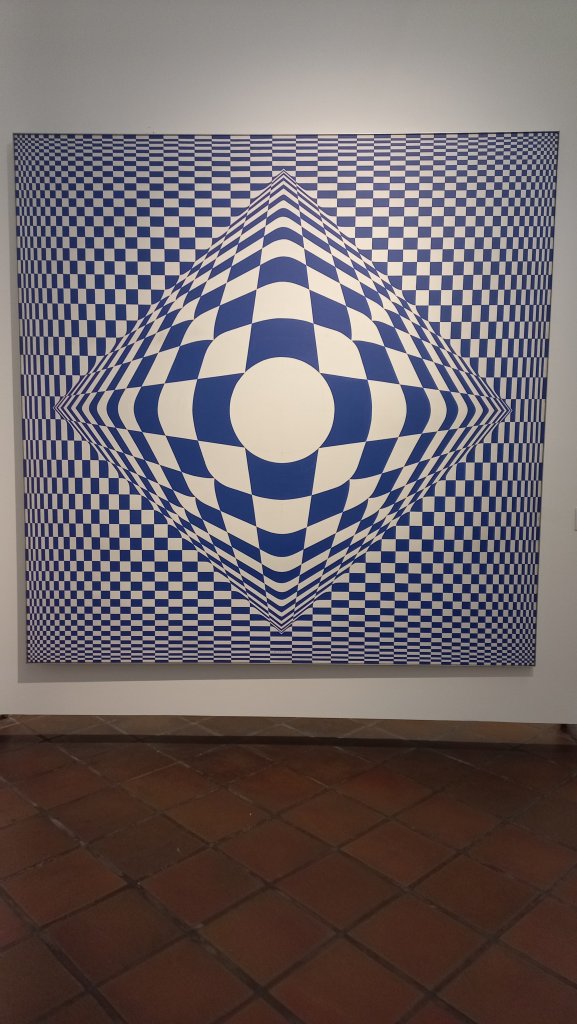
    With our stomachs satiated, we went to the Vasarely Museum after getting it recommended by a friend. The museum was out of the city centre and very quiet. We almost had the entire museum to ourselves. It was a pleasant visit and there were many artworks on display.

    Day 3

    On our last full day in Budapest, we had reserved it to visit the Széchenyi Thermal Baths but as the days here were PERFECT pool weather, the reviews on Google suggested otherwise. Many were complaining that the water was dirty and pool crowded, so we made the last minute decision to skip it and walk around the park instead.

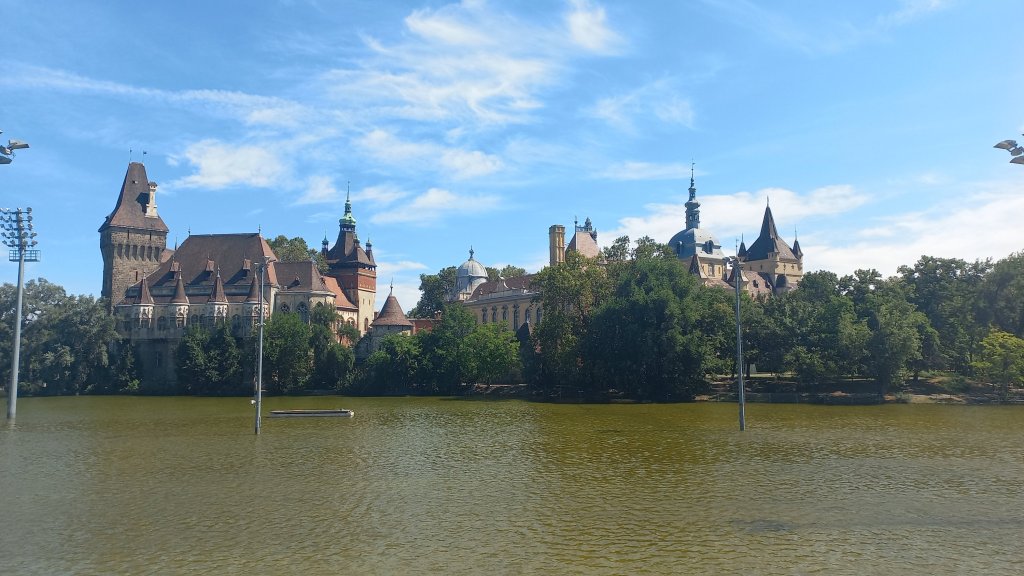
    The park was beautiful and the leafy cover from the trees made it very nice to walk around. There are some stall holders selling home made snacks and drinks. There is even a castle there (but we didn’t go in)!

    We made our way across the road to Heroes Square to see the Millennium Monument and statues of notable people from Hungary’s past. The square is huge and a tourist stop however, there isn’t much else around and with the blistering sun, not a place that you want to spend too much time at.

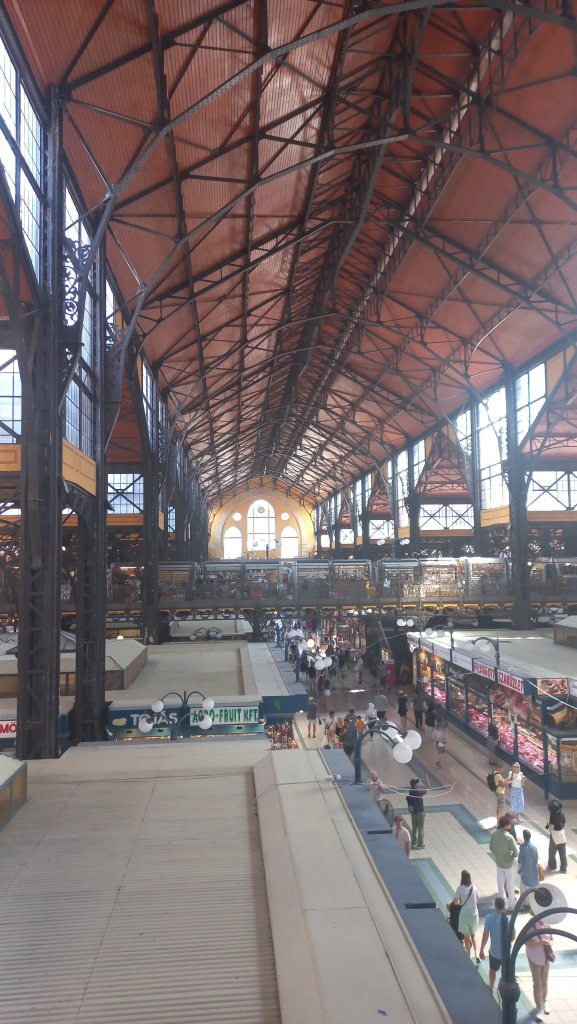
    Satisfied with our trip and morning, we headed to the Central Market Hall (Nagy Vásárcsarnok) for lunch and souvenirs. Upstairs are some restaurants and a food court of sorts. We just picked the biggest so that we could sit down. Of course, the prices are a little elevated to tourist prices but to be fair, we were pretty much paying the same prices elsewhere that we had eaten. Also here were all the souvenirs that you could imagine- the famous secret boxes of all sizes and colours, tablecloths of all sizes, keyrings and bags. Downstairs was the fresh food market including fruit and vegetables, cold cut meats and spices (perfect place to pick up some Hungarian paprika).

    Once we emerged, we decided to go and sit somewhere after being on our feet all day. We found a park and some ice cream and had a nice time people watching and resting until sunset.

    With renewed energy, we walked along the river bank at sunset and even found some benches to sit on after walking past and deciding not to go down the steps to the actual river bank where you can sit on rocks. The crispy skies made for a beautiful sunset over Budapest before all the buildings starting lighting up. We eventually made our way to Parliament House to get a close up of it being lit up at night. It’s just as astonishing during the night. It’s also quiet around the Parliament house and plenty of benches to sit and admire the building’s night lights to end the 3 days in the city.

    Final Thoughts
    I was so happy and excited to be able to finally visit but the prices of food actually shocked me. I had researched and thought that $15-20 aud per meal would suffice but if you want to eat Hungarian cuisine, it seemed that I had to double my budget. My idea of Central Europe being cheaper to travel was shattered. Whilst the Austro Hungarian architecture was present everywhere, I couldn’t help but notice that many buildings were very run down. I don’t have enough information to determine why without knowing all the social and economic factors but perhaps it’s still expensive to give some buildings a face lift.

    Have you been to Budapest? What was your favourite about the city? Any Hungarian food favourites? If you haven’t been, is there anything you really want to see?

  • Day Trip To Nara From Osaka

    Located 45 minutes to the east of Osaka, Nara is a popular day trip from Osaka or from Kyoto. Nara is famed for the deer park and is also home to one of the oldest wooden structures in the world. With my extra days in Osaka, I planned a day trip to Hiroshima and another day to visit Nara.

    Nara (Kintetsu-Nara station) is easily reached by metro from Osaka. Upon arriving, I followed the crowd and found a bus stop where the bus would take me into Nara Park. Of course, it can be walked but with the summer temperatures, I opted to catch the bus to and from the park.

    The main site that I wanted to see was Tōdai-ji, a wooden temple that was built in the mid 700s that houses the world’s biggest bronze buddha statue coming in at 16 metres high.

    Signage was not that great in the park. I think I got off the bus a stop too early but continued on foot following google maps. I walked through a shopping area and a carpark until I found the stream of people.

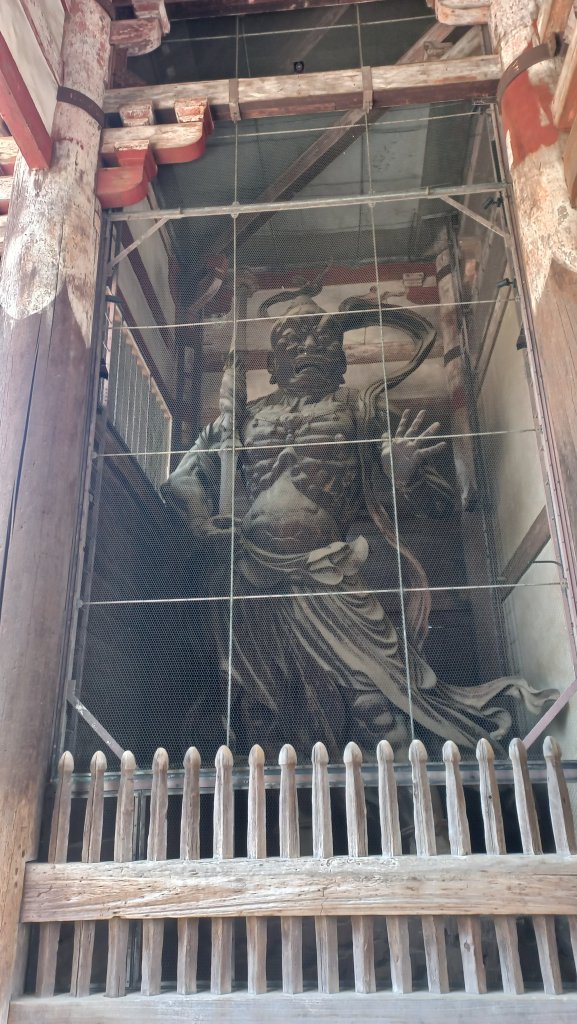
    To get there, you first have to enter the grounds through the Todai-ji Nandaimon (Grand South Gate). Inside this gate stand the 2 Nio at 8.5 metres tall. They are the fierce guardians of Buddha and I’ve noticed them a lot in Japan.

    Once past the gate, I found the ticket office and bought a combination ticket that also included Todai-ji Museum which was just behind the ticket office. I went there first looking for an escape from the heat. The museum was small but housed some beautiful statues that I enjoyed.

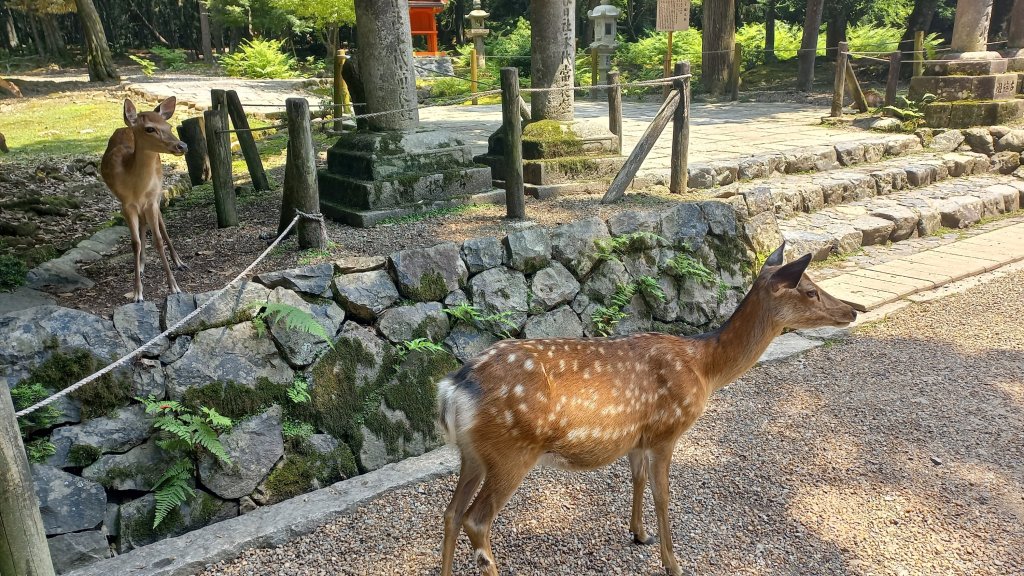
    Back out to the heat, I followed people heading towards the direction of Todai-ji, dodging deers and their poop. From my short experience with the deer, I had decided that being in a deer park was not really for me. They are cute but with the heat, the poop and the hoards of deer sometimes chasing after people with snacks, I thought that I could do with not being around the tourist deers. Luckily there were no deers within the Todai-ji complex.

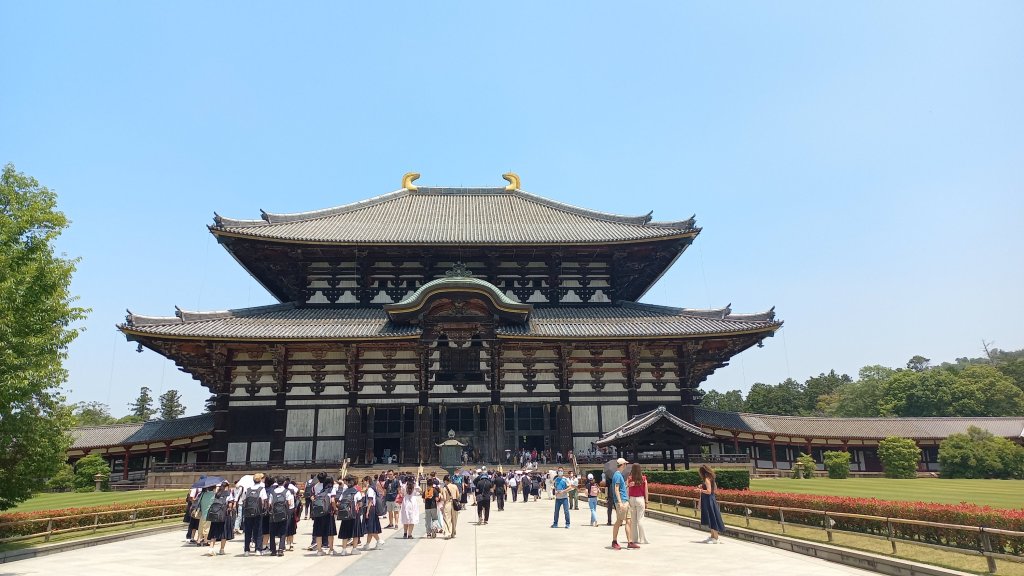
    Walking in the courtyard towards the Todai-ji, the huge structure is staggering. Surrounded by pristine gardens, the building is 57 metres long, 50 metres wide and 49 metres tall. Apparently this is smaller than the original complex! When you reach the entrance, the Great Buddha is there to welcome you. It is impressive to see such a huge statue which was originally put together in the mid 700s that still exists today (with repairs of course). Not to also mention the artistry of it and grandiose of the statue and temple alike.

    Inside, you can walk around the Buddha and read about the building of the temple and have a close up look at some of the other statues.

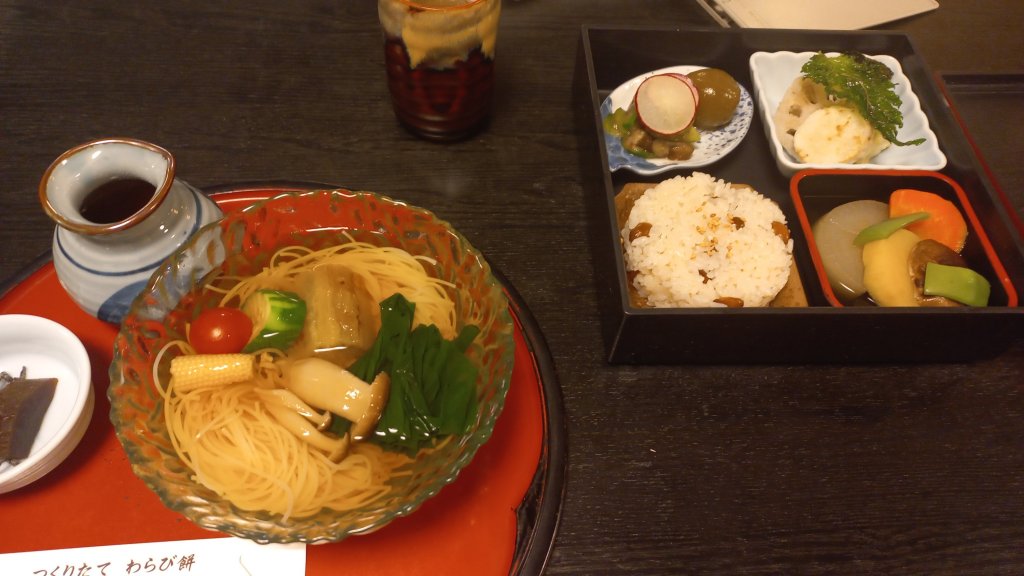
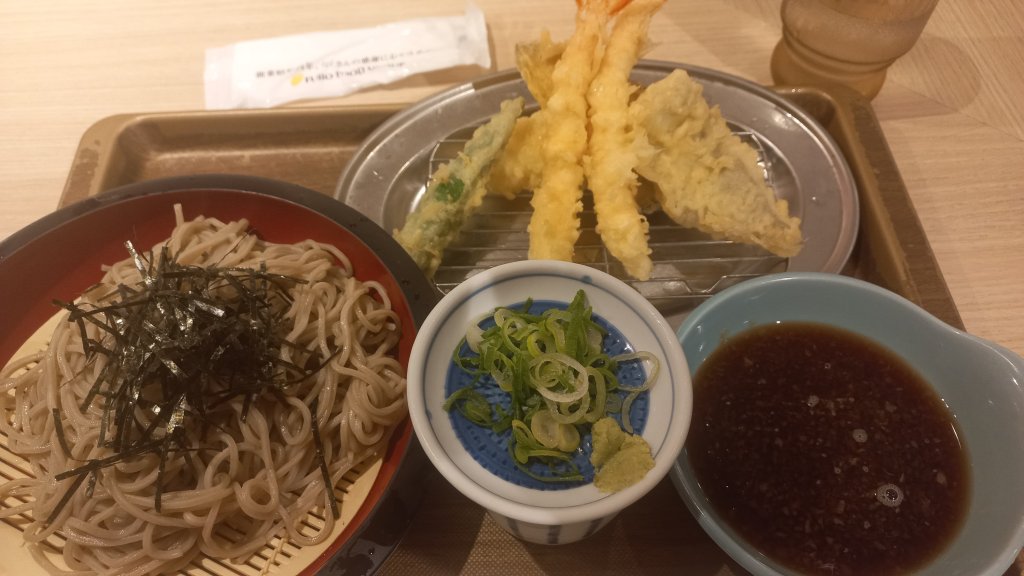
    Once finished, I decided that lunch was in order and had saved a few places on google maps throughout the park. I didn’t realise the park was so big and with the added heat, decided to go and have a look at the nearest ones. I settled on Satei Yusui as it wasn’t as busy and the other option and had an indoor space. I went with the somen set, cold noodles served with vegetable dishes that included some tempura vegetables. It was delicious and I quickly cleared all my plates. I had read that their desserts are also very good but on this occasion, I didn’t have any.

    After lunch, I spotted some shrines on the map and walked to the general area. I’m not sure which ones I had stuck my head into or wandered into but it was a peaceful and leafy area. There was the odd deer here and there but they were not as aggressive as the ones previously right outside Todai-ji.

    After walking around in the shrines, I decided to head back towards the main road going through the park to find some dessert. I had seen a sakura icecream earlier in the park area but decided not to backtrack and instead to try my luck elsewhere.

    I found my way to the shops and carpark area that I had to cross initially to get to Todai-ji and had my mind on getting some pudding from Mahoroba Daibutsu Pudding. However, upon arriving, I decided to get ice cream instead from them and went with a custard and green tea mix.

    After that, I decided it was time to head back to Osaka to rest. In hindsight, if I hadn’t been so tired I should have also gone to Kōfuku-ji Temple as well.

    All in all, the park is huge and there are more temples, restaurants and shrines throughout the entire park. I think it would be hard to cover it all on foot. The city bus does go through the park in both directions as well which is another option but as it is a local bus, does not solely serve the park.

    Have you been to Nara? Did you do anything else there?

  • Exploring Seoul: 3 Day Itinerary

    Seoul is an exciting city where there is always something to see or do. In order to maximise your time, I’ve clumped together activities in order to make the most of your time there. Here is what I would do if I had 3 full days in Seoul.

    Day 1

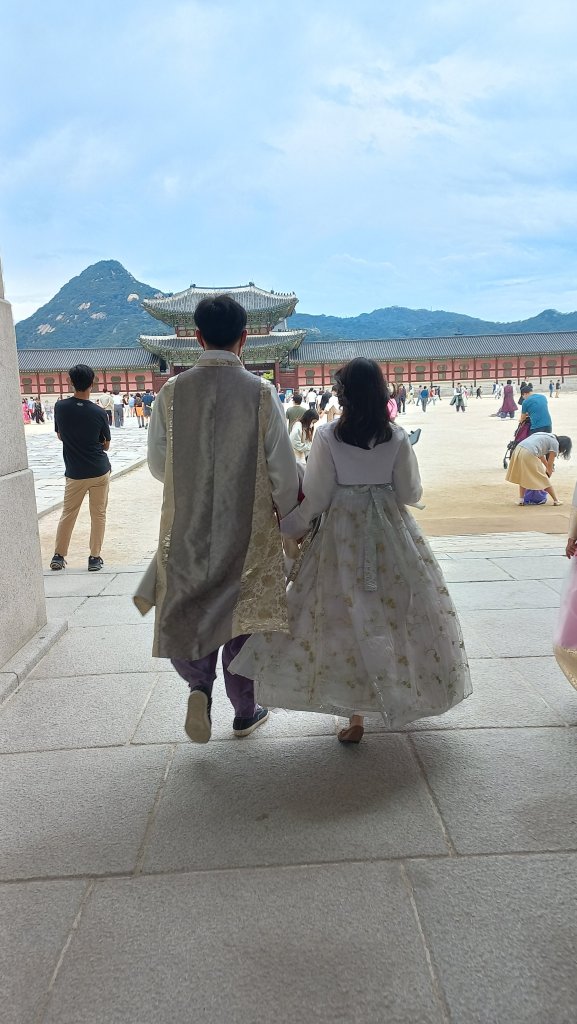
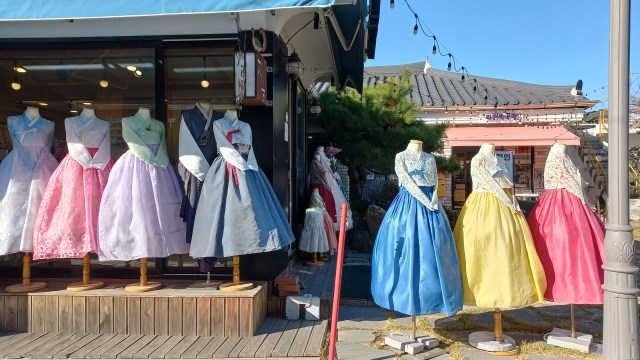
    AM: A visit to Seoul is not complete with a visit to one of the palaces in the city centre. I would recommend Gyeongbokgong Palace but if you want a more quiet palace then maybe Changgyeonggung Palace might be a better option. If you decide to rent and wear a hanbok, entry to the palaces are free.

    Nearest metro stations: Gyeongbokgong Station or Gwanghwamun (so you can walk past the King Sejong statue in the newly renovated Gwanghwamun Square). Anguk Station for Changgyeonggung Palace

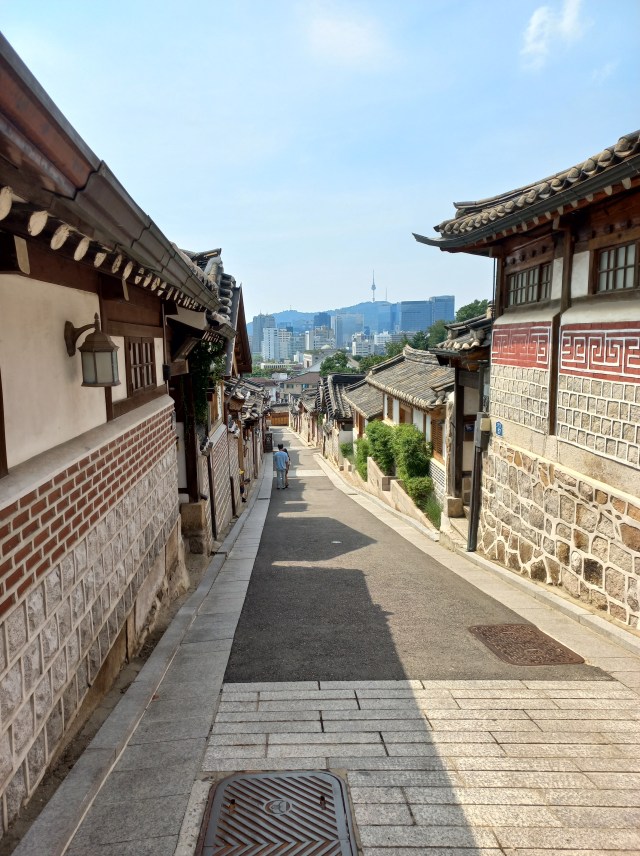
    PM: While you’re in this area, take some time to visit the Bukchon Hanok Village and find yourself some lunch or snacks. Better yet, why not stay a few nights there for a traditional hanok stay experience like I did. My recommendations for food in this area would be:
    – Oreno Ramen Insa (오레노라멘 인사점) for some chicken ramen
    – Cityfood Noodles – Myung-ga (국수명가) for traditional Korea noodle dishes
    – Bukchon Son Mandu Samcheong-dong (북촌손만두 삼청동점) for Korean dumpling dishes

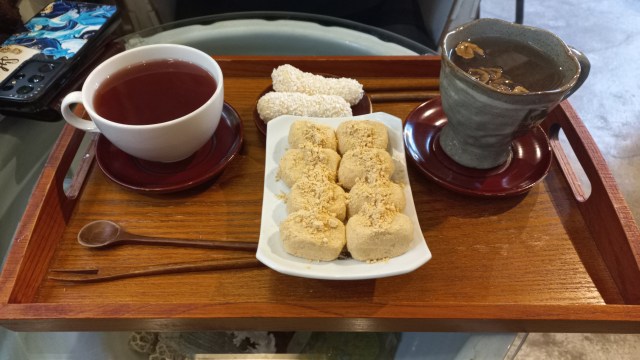
    PM: After walking around, head down to south to Insadong where you can find many souvenirs, free art galleries to walk into and traditional tea houses. For my list of traditional teahouse recommendations, click here. If you prefer a more hip area with instagram worthy decor in cafe’s and restaurants, head over to nearby Ikseondong Hanok Village.

    Day 2

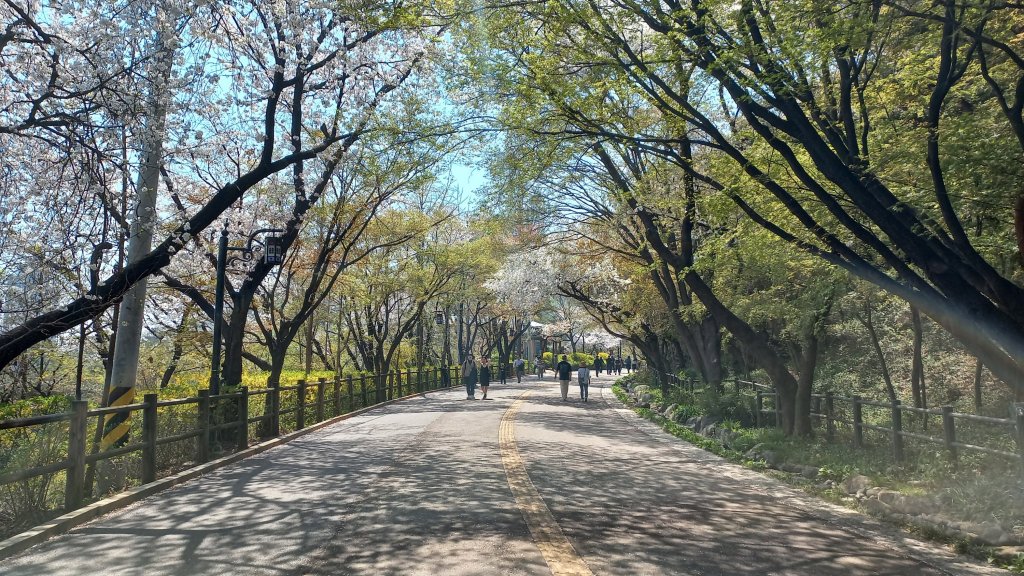
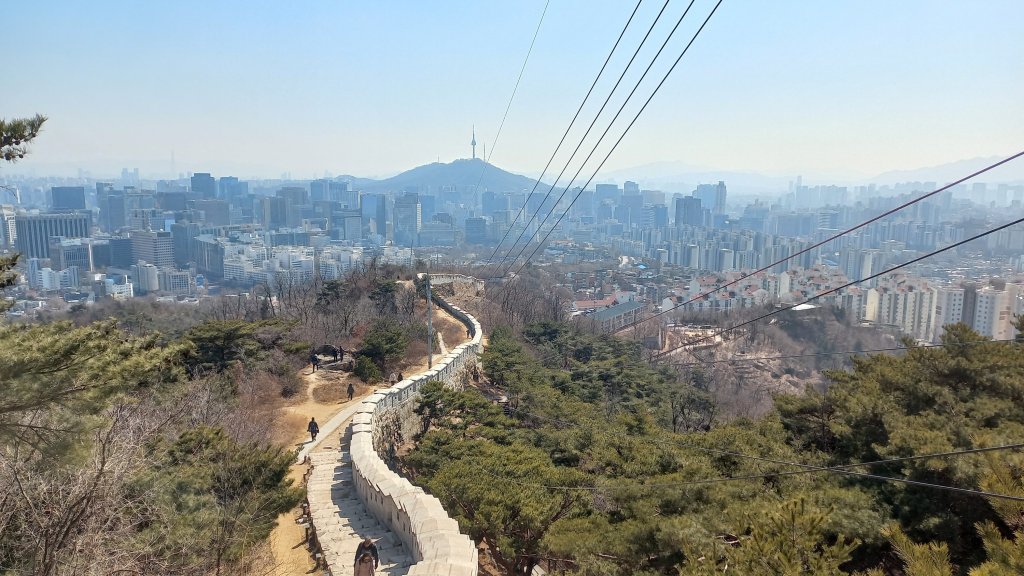
    AM: Start the day with fresh air by walking up to the N Seoul Tower. This park is beautiful with tree covers, plenty of walking space and many visitors and locals exercising. There are rest areas, water bubblers and toilets. At the top, you can take in the views, have a snack or even go up the tower for a small fee.
    Nearest metro station: Dongguk Univ. (walk in the direction of going through the park). If you prefer to take the bus, you can get on here or at Chungmuro station. There is also a cable car option from Myeongdong but lines can be long.

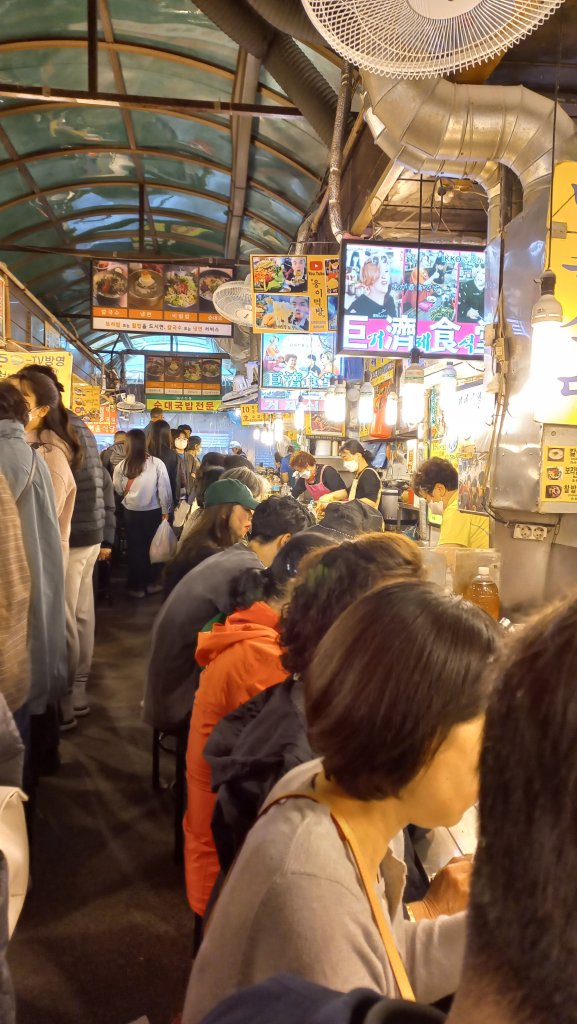
    PM: From N Seoul Tower, you are going to head down towards Namdaemun Market to have lunch. Find the little alleyways which will lead you to delicious, cheap and quick meals before wondering around for sweets or more souvenirs or accessories.

    From here, spend the afternoon along the Han River (or come straight here for some ramen lunch) catch the metro on the same line to Ichon station and walk towards the Han River. You can walk along the river, rent a bike, eat at the convenience store or bring a mat and have a small picnic while waiting for sunset.

    PM: For dinner, head on the same metro line back to Myeongdong to walk the streets filled with street food vendors and big name stores if you need anymore shopping. Alternatively, walk through the alleys to find a restaurant for some dinner.
    My recommendations for food would be:
    – the famous Michelin star cheap eats restaurant Myeongdong Kyoja Main Store (명동교자 본점)
    – Korean bbq chain Wangbijip Myeongdong (왕비집 명동)
    – (If you are in for pig trotters) Myth Jokbal Myeongdong (미쓰족발 서울명동점)

    Day 3

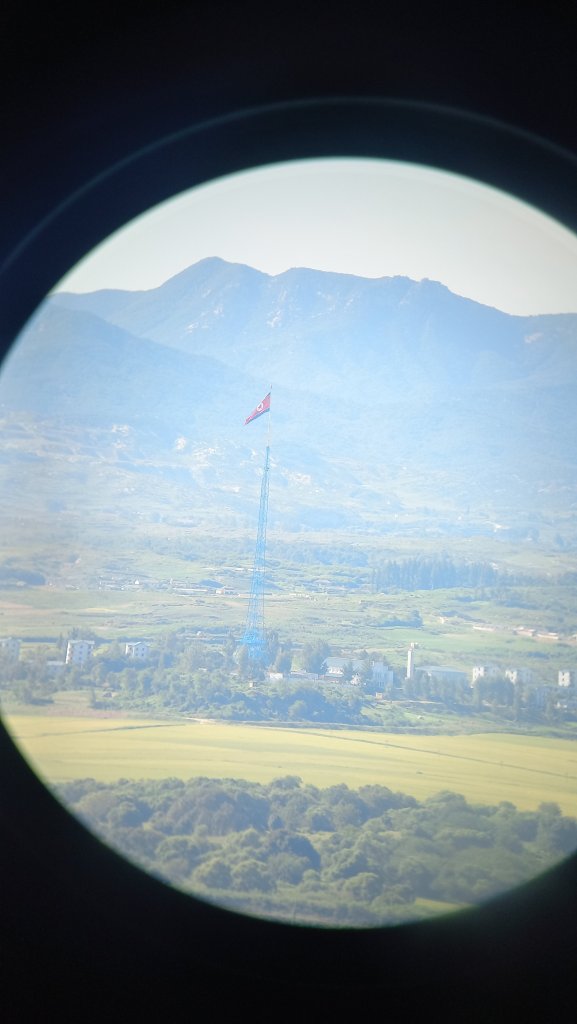
    For the final day in Seoul, I would actually recommend a day trip to the Demilitarised Zone (DMZ). Tours run everyday and you will need to book this trip ahead of time but it’s a fascinating place to see (and be able to see). I wrote about my day trip here.

    Alternatively, if you prefer to remain in Seoul then here are some options depending on what you want or like.

    Shopping: Head to the south side of the river and walk around Gangnam and when you get bored, head over to the Starfield Coex Mall.

    Outdoor activities: There are a few hiking trails along the wall that you can do and are free. There is Inwangsan, Baegaksan or Naksan (the easiest of the 3).

    Food: Visit Gwangjang Market for lunch for mungbean pancakes, tteokbokki, noodle soup (kalguksu), dumplings and dessert.

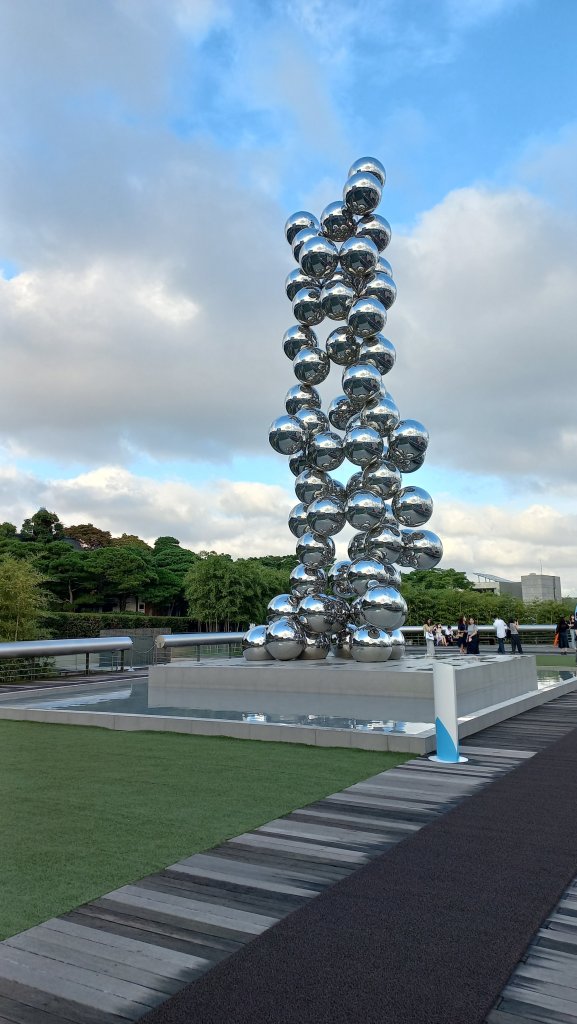
    Museums: Both the National Museum of Korea and National Folk Museum of Korea are a treasure trove where you can easily spend a few hours in. Located near the National Museum of Korea is the War Memorial of Korea (also free entry). For art, I highly recommend the Leeum Museum of Art or MMCA (National Museum of Modern and Contemporary Art). Both are paid entry. Leeum Museum of Art has a free Korean Art exhibit but you will still need to ‘reserve’ a ticket online.
    Hopefully this was helpful to you in planning your visit to Seoul if you are visiting for the first time. Are there any must see or must do on your list for Seoul? I’d love to hear them.
    Related Blog Posts:
    Helpful travel trips and customs for South Korea
    7 fruits to try in South Korea
    Cafe’s of South Korea

  • Helpful Travel Tips And Customs for South Korea

    If you’re about to go to South Korea, 1) I’m jealous and 2) You’re going to have a great time! If you’re reading this, it means that you are trying to find helpful information for your trip. Let’s get to it.

    Helpful Apps

    Naver Maps or Kakao Maps
    Google Maps doesn’t work well in South Korea and doesn’t have the walking option. South Korea have their own apps (for everything) so ditch your Google Maps and download one of these instead. The downside is that many places will be in Korean so you might need to go back and forth with Google Maps. Both Naver and Kakao are in English though and are great at letting you know which buses or metros to catch.

    Papago
    English is taught throughout school but there are still many places which might not have an English menu or you may find yourself with a language barrier trying to communicate. Papago has the best English-Korean translation with proper honorifics (Korean has many levels of speech depending on who you are speaking to and it’s probably better you use Papago to ensure your not using casual language with someone you just met). Papago can translate speech, pictures and text.

    Seoul Subway
    This new app was released by the Seoul local Government for foreigners and tourists in April 2023 which enables you to navigate around the metro lines in real time and also showing you where the exits are and attractions in the city.

    Kakao Taxi
    If you think you’ll be using taxi’s, this is the app the use to find and book one. You can select to pay the driver in the app so don’t need put any card information in.

    Public Transport
    The public transport system is amazing (less so in rural areas or small towns). You’ll need a T-money card which you can buy at any convenience store and you can add some money onto the card then and there. But, you can only add money to the T-money card via cash. This is the same for the recharge machines in the metro stations. This card can be used on the metro and buses in every city. You can see how much you have left on the card when you tap off the bus or out of the metro station. Or you can check on a recharge machine.

    KTX train bookings
    KTX train tickets are released one month in advance. If you’re travelling during any public holidays in South Korea, be sure to book your tickets early! I repeat. Be sure to book your tickets early! There are a few links that come up but the cheapest and most reliable site is to book with Korail who run the KTX. Be sure to print, download or screenshot the screen that shows your seat number otherwise you’ll need to log back in to see it.

    Public Transport Etiquette
    You’ll probably notice that it’s unusually quiet on the metro, trains and buses in South Korea. You can even be met by the ajumma or ajusshi’s telling you to be quiet. Speaking loudly and god forbid, taking loud phones calls or listening to music with no earphones are a big no no so keep your volume down.

    Let people out of the metro and train before going in (it still surprises me when I travel and people barge in without letting people out first). Front door entry and back door exit on buses (tap on and off).

    With the exception of the KTX, there is generally no eating and drinking on public transport. There are no signs to say that you can’t eat or drink but it seems to be an unsaid rule to not eat and drink.

    Toilets
    Toilets are located practically everywhere and are free. In most metro stations there are some, in underground malls, in big shopping malls and in commercial buildings (usually not the ground floor). I would say on the whole, toilets are very well maintained and cleaned.

    Food and Drinks

    Water
    Water is free in restaurants and there is sometimes a water filter where you have to DIY. At most cafe’s there is also a small area where you can help yourself to a cup of water. In big shopping malls, there is usually a water filter and paper cups located near the bathrooms.

    Banchan
    Banchan or side dishes are usually served at traditional Korean restaurants and refills are free! If there is a station of side dishes, most of the time you can refill yourself. If not, you can ask the staff for more.

    Cleaning up after yourself at cafe
    It is customary to usually bring your empty cups and plates back to the serving counter once you have finished. There are usually signs to point it out but when it doubt, return everything. Cafe’s are usually so busy that the staff don’t have enough time to go around and wipe and clean after customers so be a good tourist and return your tray and rubbish when you’re done.

    Are there any other tips you think can be helpful? Have you found any of these tips helpful?

  • Hiroshima Day Trip from Osaka

    Hiroshima is about a 2 hour shinkansen bullet train ride away from Osaka. When I was planning my trip, I thought that I should go to Hiroshima so allocated more days in Osaka. I’m glad I just did a day trip from Osaka. Hiroshima is home now to about 2 million people which is a lot less people than the 19 million in Osaka and 37 million in Tokyo.

    I joined a day trip which was quite pricey but to have to tour organised and transportation included, to me, was worth it. Up nice and early, I met my tour group at Osaka station and we boarded the bullet train to Hiroshima where we were met on the other side and ushered into a bus.

    Hiroshima doesn’t need much of an introduction. It’s the first city that was targeted by a nuclear weapon in the 2nd World War where about 150 000 civilians and soldiers were killed. Most were civilians.

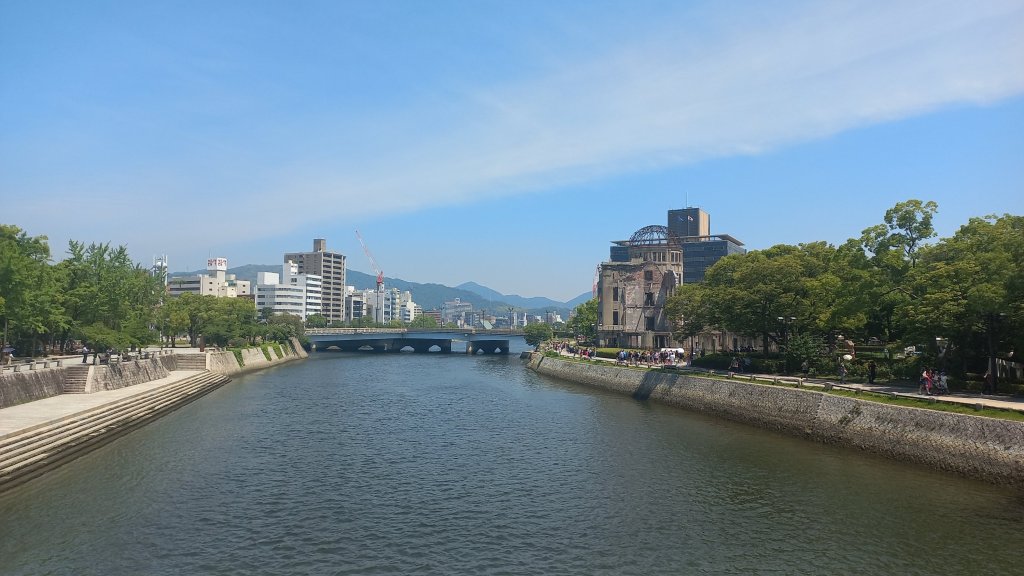
    Our first stop was the Atomic Bomb Dome which still stands today and is a reminder of the atrocities that have occurred. We are lucky to have it still remaining as evidence and a site of remembrance as there was much debate after the war whether this reminder should be destroyed. Once a beautiful Industrial Hall, the steel dome skeleton and some concrete walls remains.

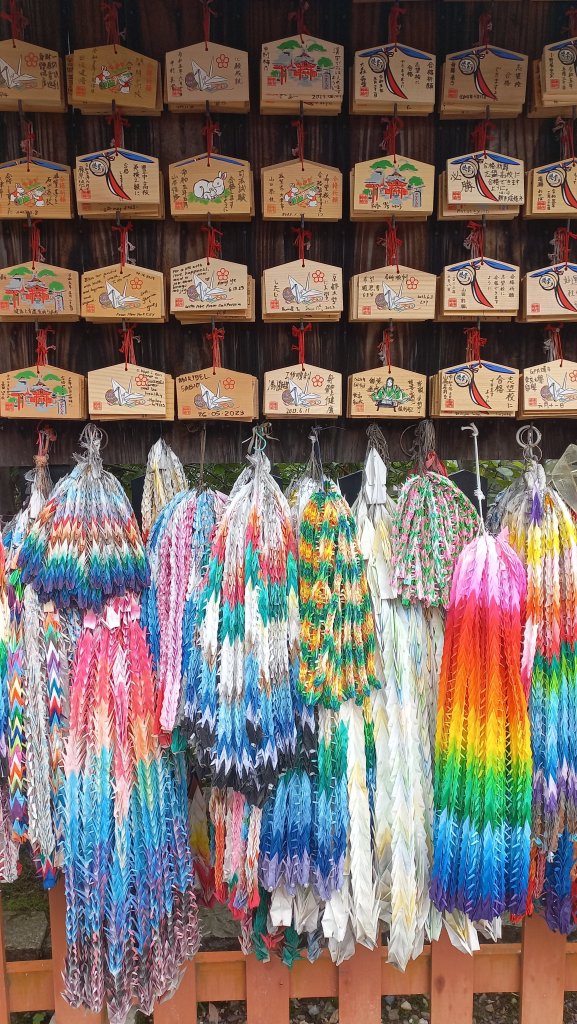
    Across the river lies the Memorial Peace Park. Throughout this entire area, there are different monuments to remember all those who had lost their lives. There was a Children’s Peace Monument, as during the war, children were mobilised as workers as well with many being in the area at the time the bomb dropped. Paper cranes are folded by current school students and on display here.

    Behind the Victims Memorial Cenotaph, a fire burns, said to be extinguished once there are no more nuclear weapons on Earth. But everyone calls it the eternal flame.

    We went into the Hiroshima Peace Memorial Museum which was saddening and a little painful to be in. There were many visitors and it was quite squishy inside to be able to read and see everything on display. People were sniffling around me holding back tears which made me want to hurry through before I started crying too.

    After our sombre morning, it was time for lunch and we were treated to a Hiroshima style okonomiyaki. It’s a savoury pancake and Hiroshima style is to have it all layered and not mixed. Egg, noodles and pork and then a delicious sauce on top. I was so hungry, I completely finished the whole thing!

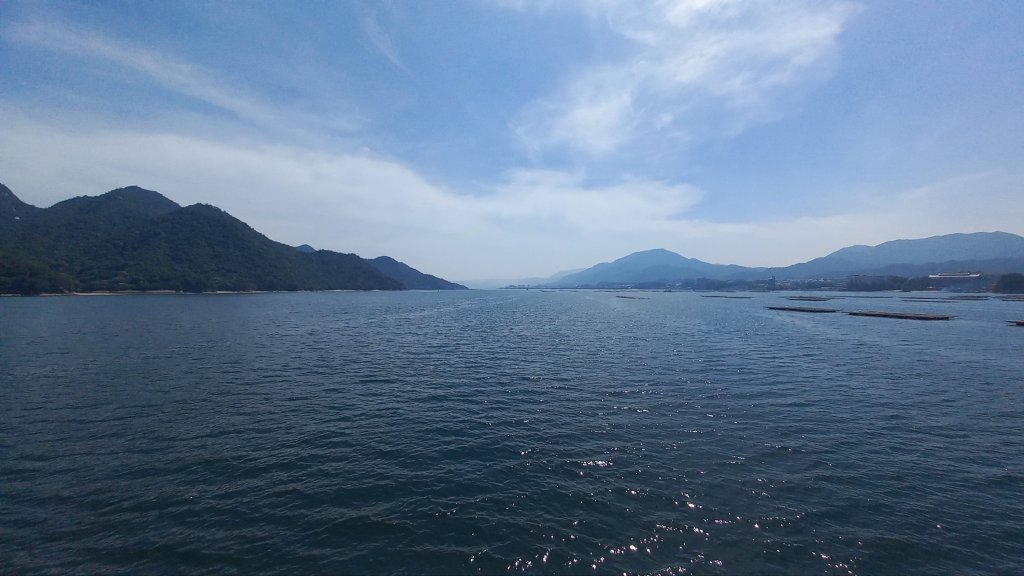
    After lunch, we took a bus and then ferry to Miyajima Island which is a huge semi-rural island with hiking mountains. This island is famous for the huge floating Itsukushima torii gates (at high tide). Once you get of the ferry, there is the Miyajima Omotesandō Shopping Street where you can get ice cream, oysters, drinks and the island’s famous maple leaf sweets (Momiji manjū) which is red bean paste inside of a buckwheat type dough. There are many different filling types if you don’t want red bean (I went with a custard one).

    Watch out for the deers, they were a little aggressive and not shy about getting up close and personal in your pockets and bags!

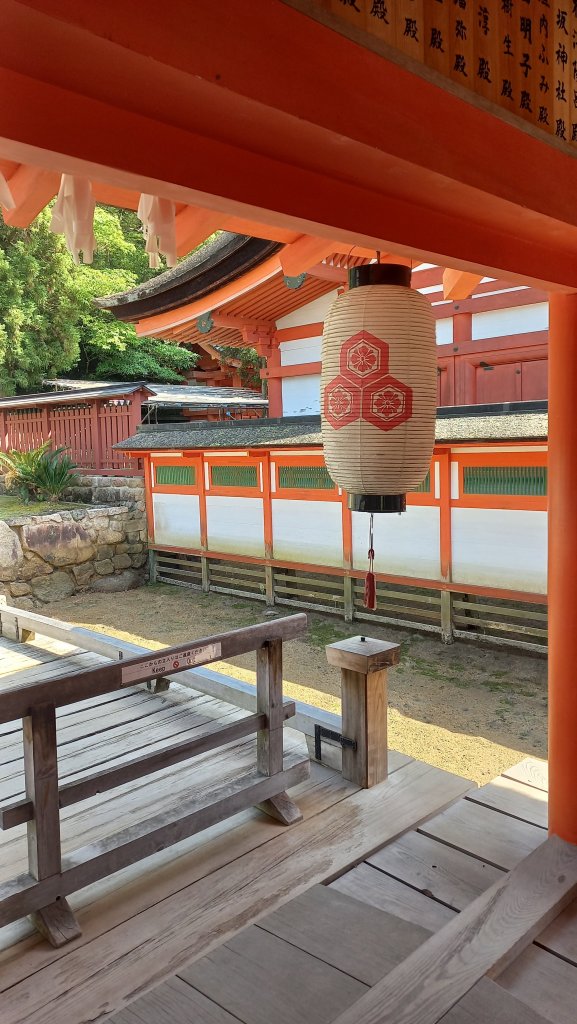
    At the end of the shopping street is the Itsukushima Main Sanctuary (shinto shrine) which also is “on water” at high tide. It’s a beautiful open shrine which is said to be constructed around 1168. It’s dedicated to the goddesses of the seas and storms.

    Miyagima Island would be a beautiful place to stay for a few days to be able to see more of the island and do some walks although I’m not sure how travel friendly the island is.

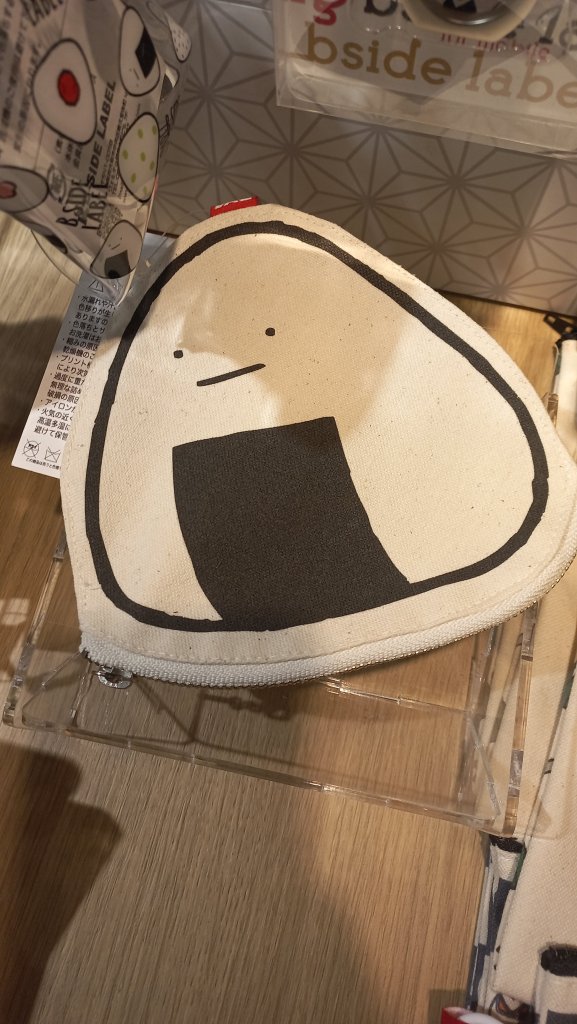
    It was then time to head back to Osaka. Hungry already, I bought a bento box at the station. These bento boxes sold at stations to accommodate shinkasen go-ers are hugely popular. There was a lack of hot food being sold and I suspect this is so you don’t smell the entire carriage with your food choices so all the bento boxes I saw were cold. Mine was an array of vegetable options with some onigiri (rice with seaweed).

    Is Hiroshima a place you would like to visit one day? Are there any other places in Hiroshima that we should check out? I would love to know.

  • Osaka Highlights

    The final town on my current Japan trip was Osaka which I had planned to stay for 5 full days. I had 2 days trips planned (separate posts) so the rest of the time was for Osaka which I have lumped together into this post (and relaxing because my legs were about to fall off any day now).

    After taking the Shinkansen from Kyoto, I arrived in Osaka late afternoon and went to explore. More modern and bustling than Kyoto but not as enormous as Tokyo, Osaka felt like the quintessential image of Japan that appears in all the animations with the neon lights and power lines on smaller and more empty streets.

    My first impression was that Osaka also appeared to be a foodie heaven with so many restaurants packed so tightly everywhere and for the whole street.

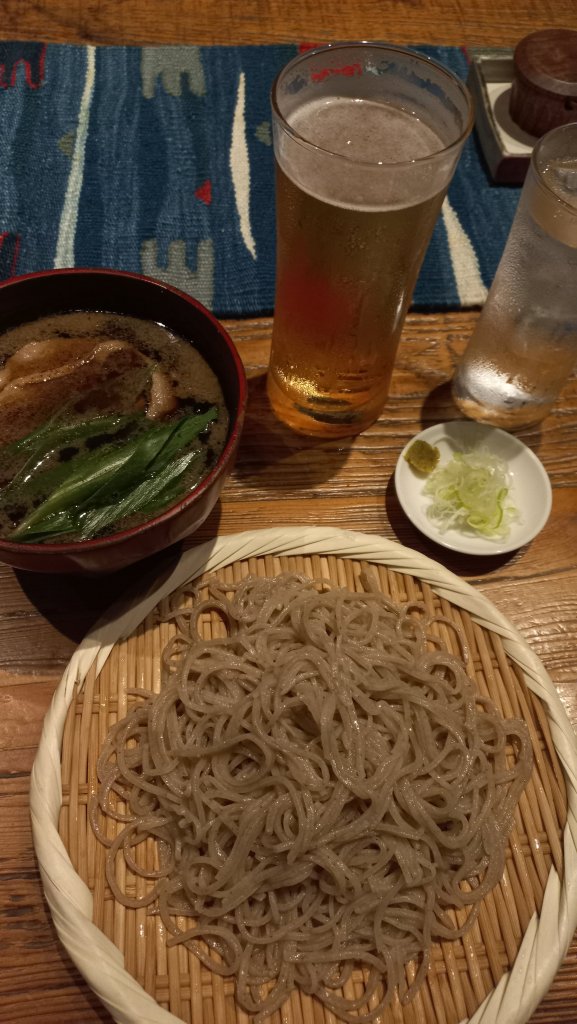
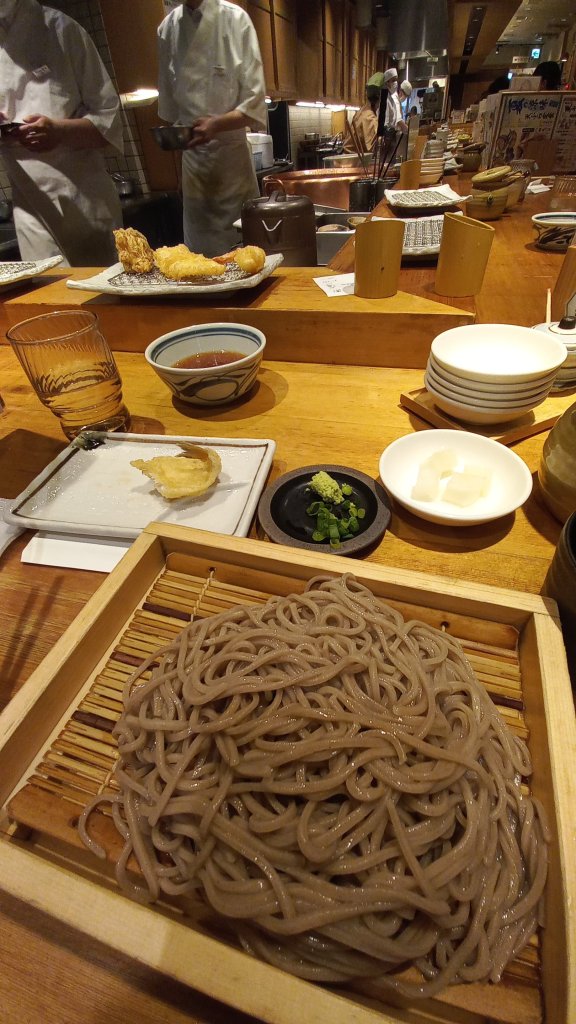
    I met a friend for dinner as it was the last time that we would meet before she left. She had a cold soba place recommended to her so we went there. I was not so much of a cold soba fan before this trip as I thought it was pretty boring to have cold noodles with a dipping sauce when I could have udon or ramen. But after having so many, I’ve been won over! I particularly like the wasabi with the soba and dipping sauce which seems to pair so well and especially in hot weather.

    I went with a duck soup with soba whilst my friend had the soba with fried vegetables (and a DIY fresh wasabi to grate). The meal was delicious and started my cravings with cold soba for the remainder of my trip.

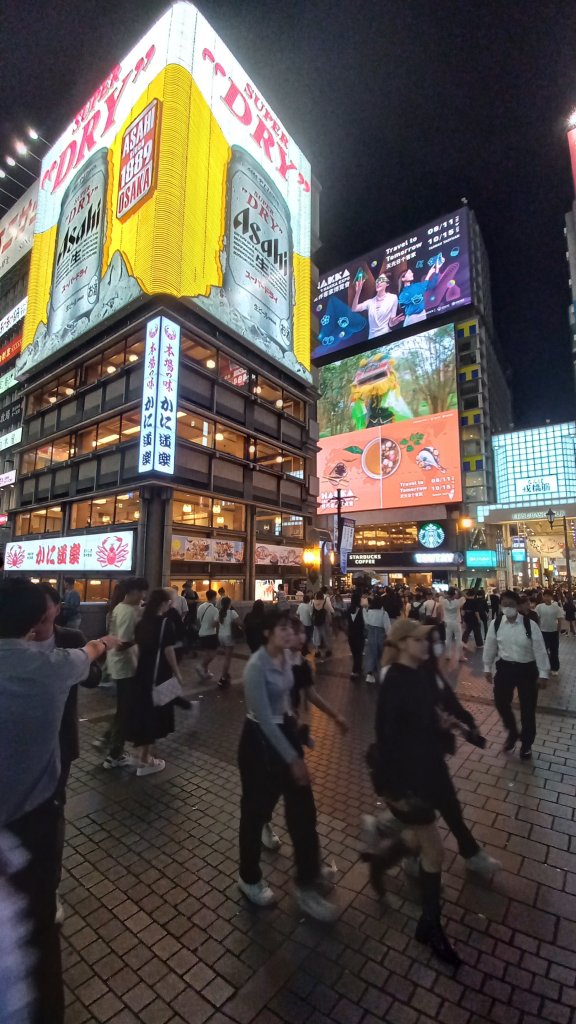
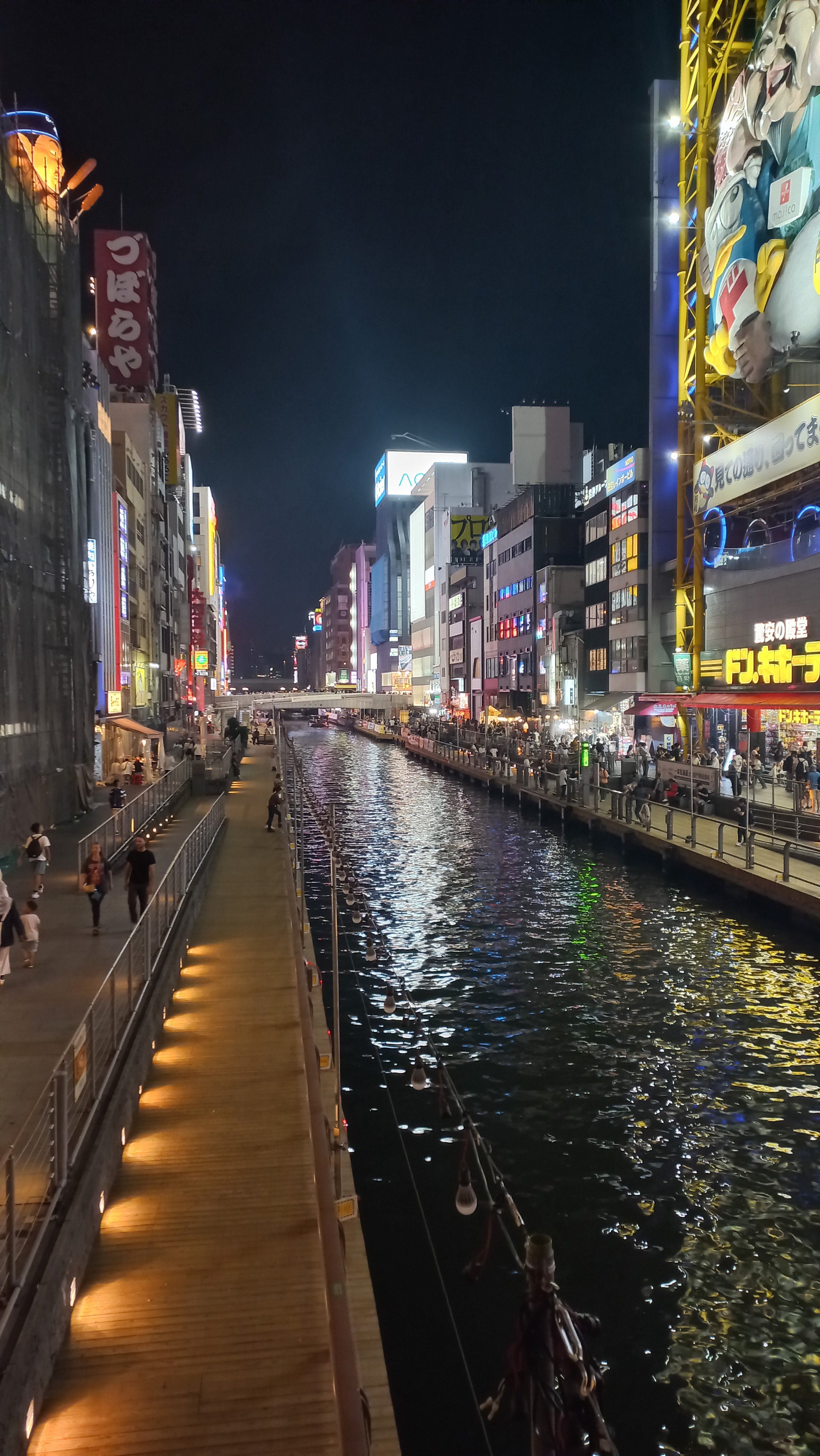
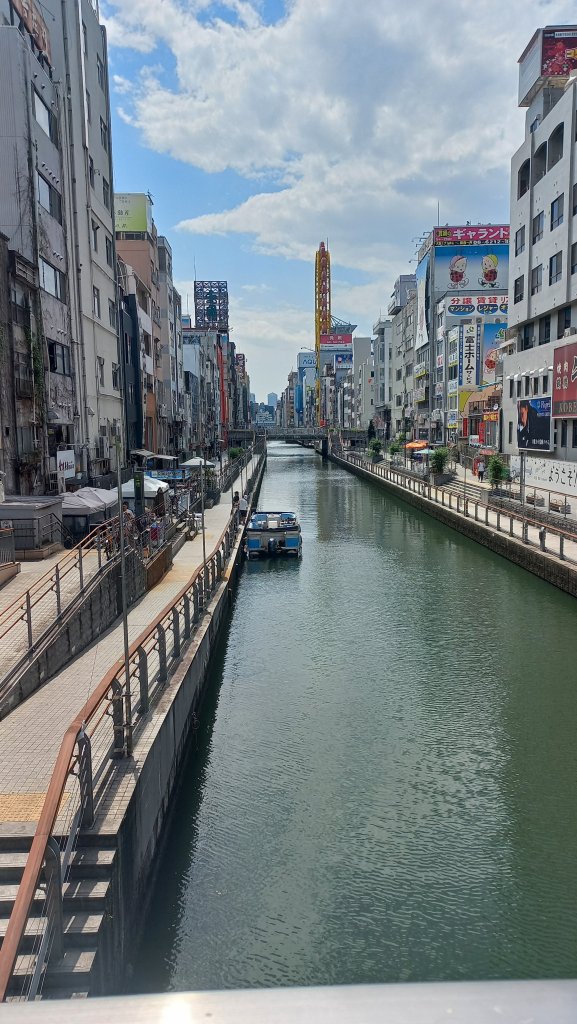
    After dinner we went for a walk to Dotonbori which is a lively area in Osaka with many shops and restaurants. There is a canal here that was constructed in 1612! It’s a great place to see the bustling night life and also walk off all the food.

    We then went on the hunt for some ice cream which was so hard to find (lost business opportunity)! We weaved in and out of the alleyways back and forth. We even considered McDonalds but one left turn and we found an ice cream place and then called it a night.

    Day 2

    The next day, I had slow morning at my accommodation and only headed out at noon. I found some sushi for lunch and then headed to the Kuromon Ichiba Market. This market was started in 1902 and today sells a lot of seafood, desserts and homeware.

    Still not over the huge seafood options, I decided to have an XL oyster that was bigger than the one I tried in Tokyo. I shied away from the 2XL which looked TOO big. To be honest, oysters are better when they can fit in your mouth all in one so an L size would’ve sufficed but it’s just the novelty of the size that was worth trying.

    Eating at the fish markets can be pretty pricey so be prepared for that if you want to have a meal here.

    I walked past a dessert place and saw a dango. Eager to give it another go, I bought this small box of dessert. I’ve decided that dango is not the dessert for me.

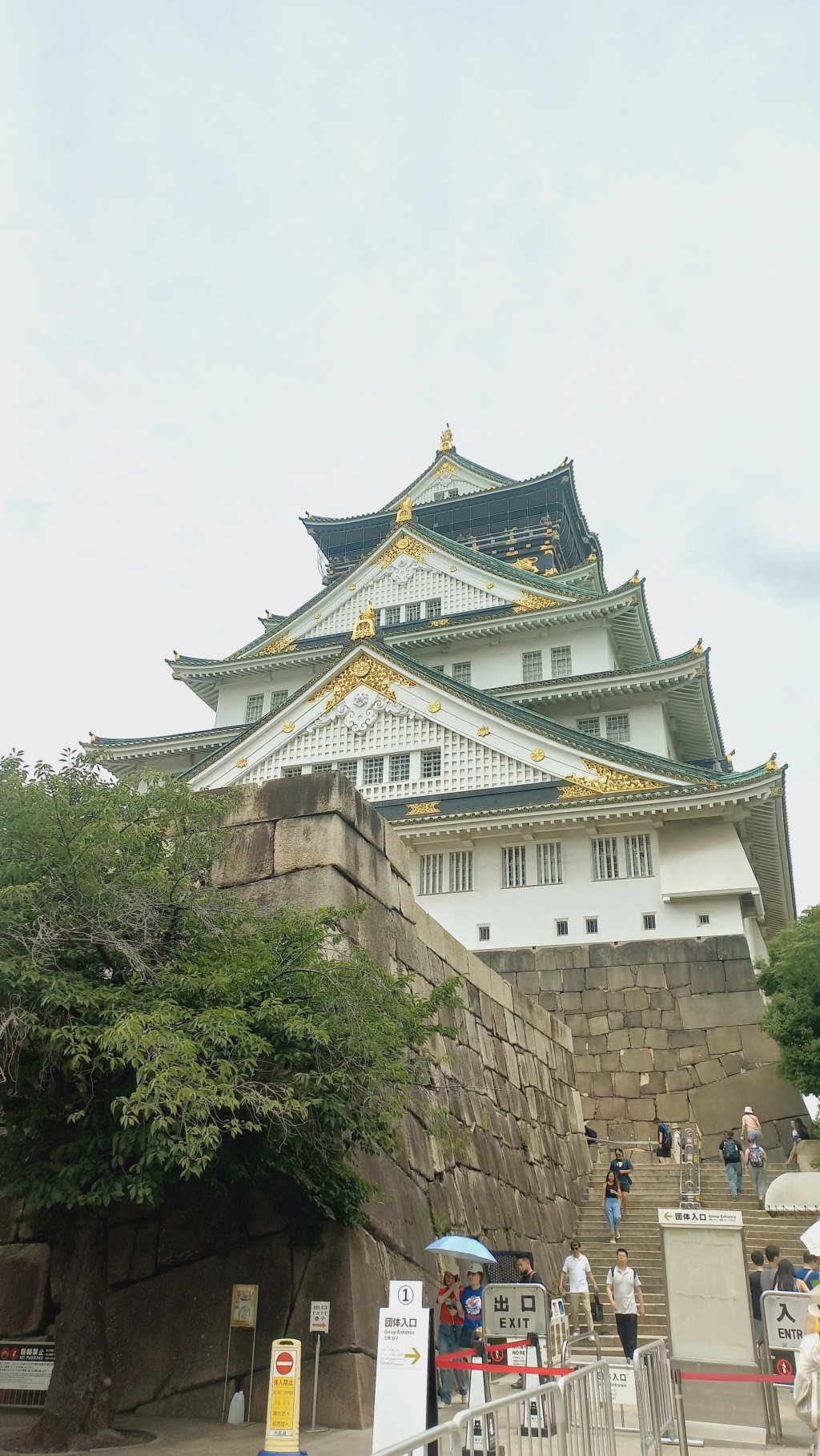
    On my last day in Osaka, I went to Osaka Castle. Construction began in 1583, the entire castle in the present day is a historical museum with an observation deck at the top. Inside, there are floors of artifacts and information of the history of Osaka and the castle. It is a popular sight with the line for the elevator quite long so take the stairs if you don’t want to wait.

    The grounds surrounding the castle are huge and I didn’t fancy walking more than I had to so just settled for a visit to the castle being going back into the city centre.

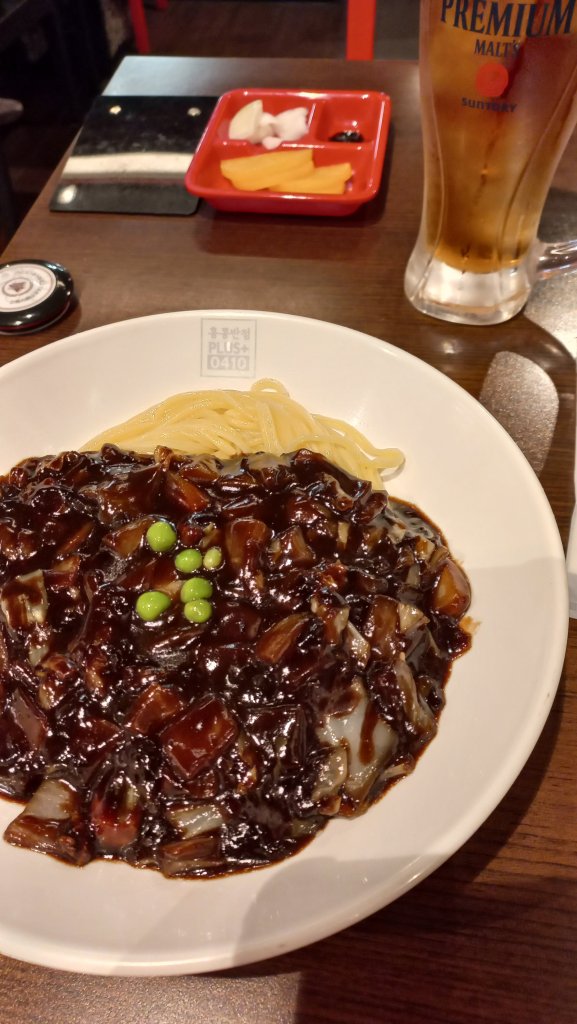
    In my last few days, I also had a sudden craving for Korean food and was able to find a Korean restaurant quite easily. I had Jajangmyeon (black bean noodles) which was one of my last meals in Seoul.

    There was one more area in Osaka that I had on my list that I didn’t get to which was Shitennoji. It’s suppose to be a lively eating area but I was just too exhausted to do much more walking towards the end of this trip. In hindsight, I could’ve had 1 less day in Osaka and perhaps another day in Tokyo.

    Is Osaka a city you would like to visit? Do you have any favourite places in Osaka or recommendations?

  • Sightseeing in Kyoto (2nd time): Days 2, 3 and 4

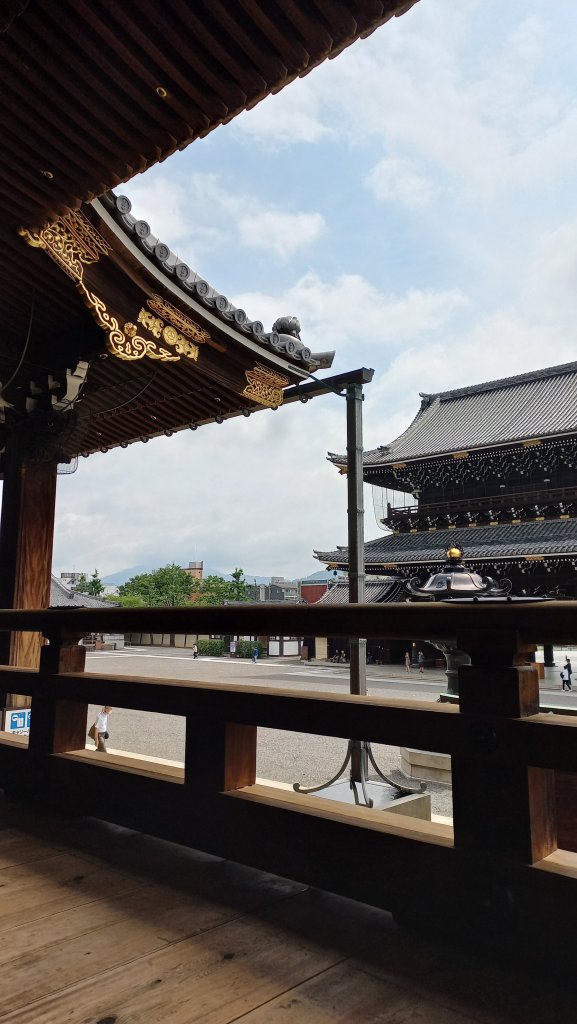
    After my extreme sight seeing and walking day on Day 1, Day 2 called for a more serene day. Starting off by doing the washing in the morning. During the washing cycle, I went to a nearby temple, Higashi Hongan-ji, that I had walked past on my previous trip to Kyoto.

    Higashi Hongan-ji is unexpected with the dark wood, something that I would not normally associate with Buddhist temples. The Founder’s Hall is about 70m long and is one of the world’s largest wooden structures. You can enter for free after taking off your shoes (there are plastic bags so you can carry your shoes with you).

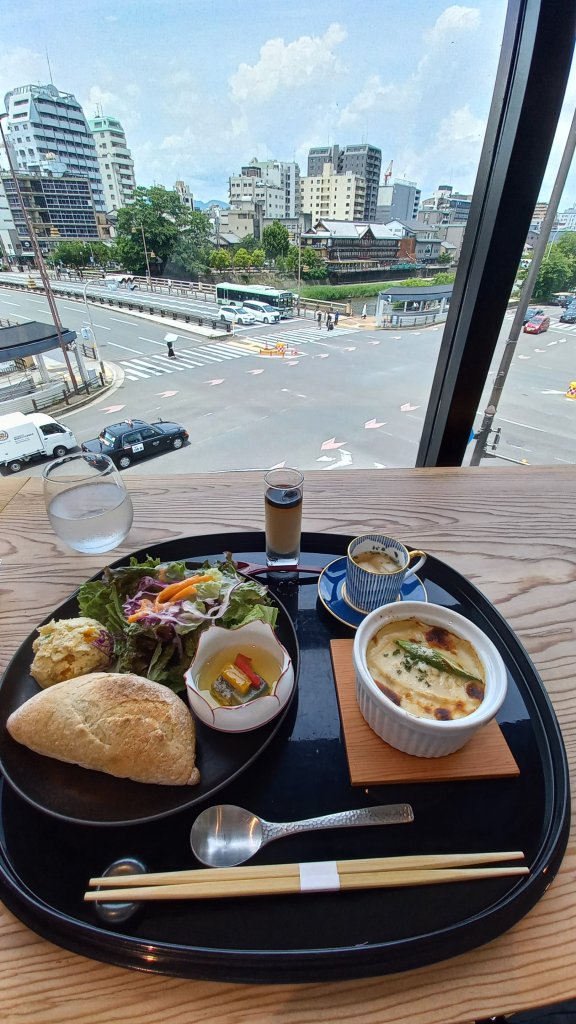
    After going back to attend to my washing, it was lunch time and I found a place on google maps that looked good. It was located on the 2nd floor of a this corner building with a view over the Kamo River. There was a Japanese style lunch option and a Western style lunch option. Won over by the bread, I went with the Western option. A delicious meal of gratin soup, a small teacup of vegetable soup, mashed potato, salad and a small delicate pudding dessert was served. One thing I particularly love about Japanese cuisine is the aesthetic. The mix and match plating in beautiful ceramics and the small dishes and cups.

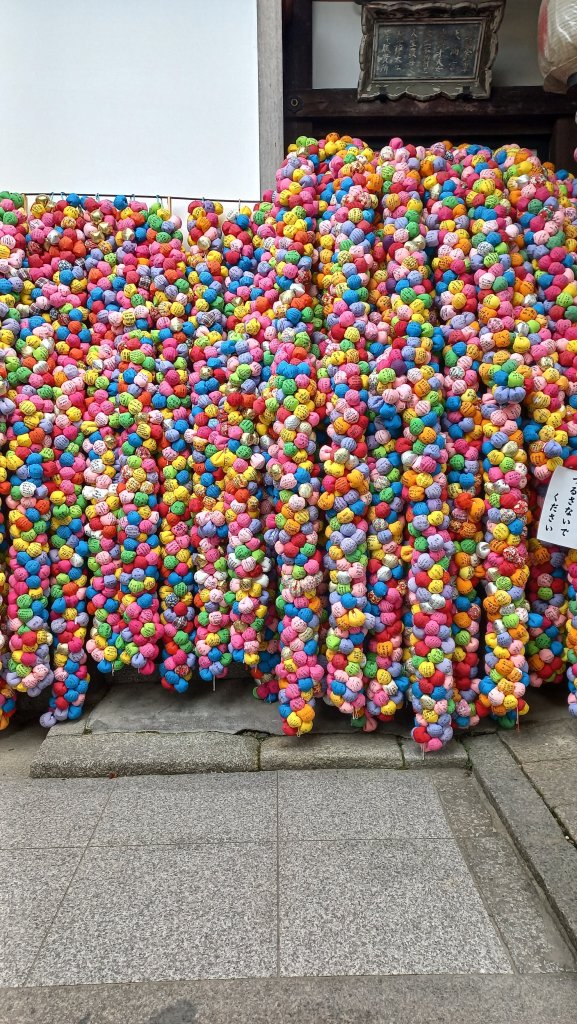
    After being fed, I walked to Gion. I had previously only see some parts by night the last time I was here so I was interested in a day time visit. I was walking freely and navigating towards the direction I wanted to go in but didn’t have a set path so to speak. This was great because I happen to walk past the Yasaka Koshindo, a Buddhist temple with these colourful balls which had prayers written on them. I haven’t seen any other temple that was so colourful. The temple wasn’t any building you could go into but rather a small courtyard.

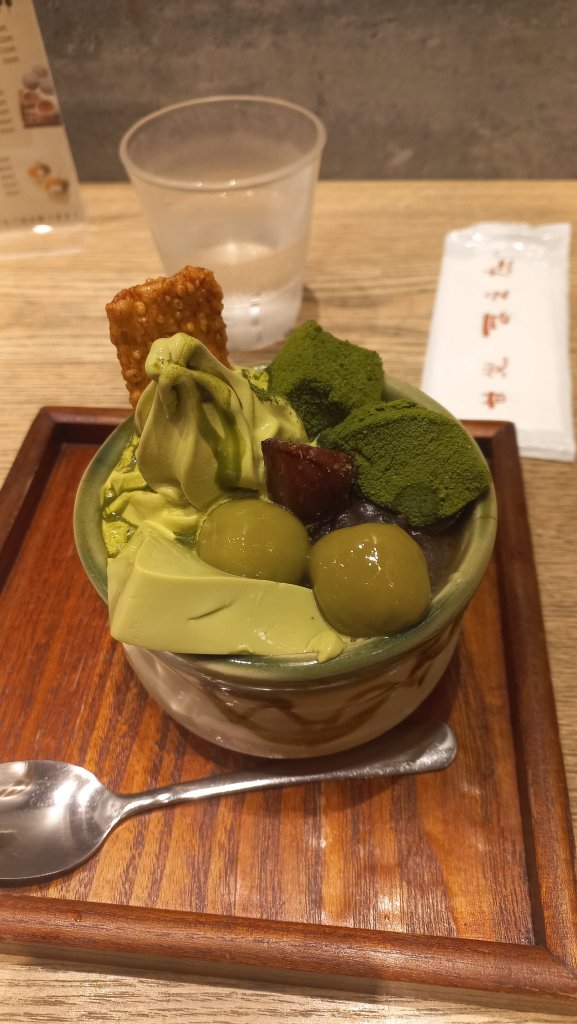
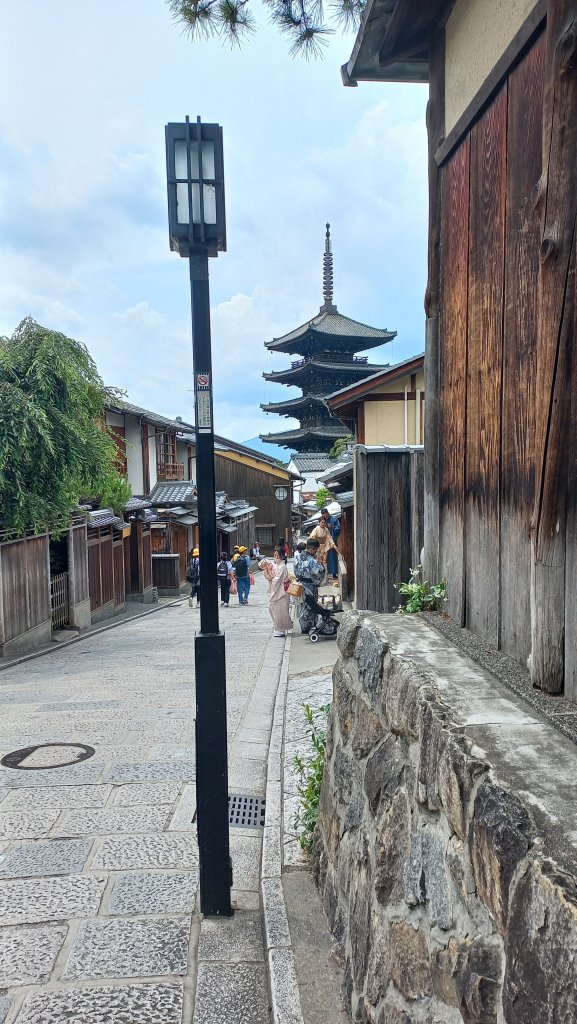
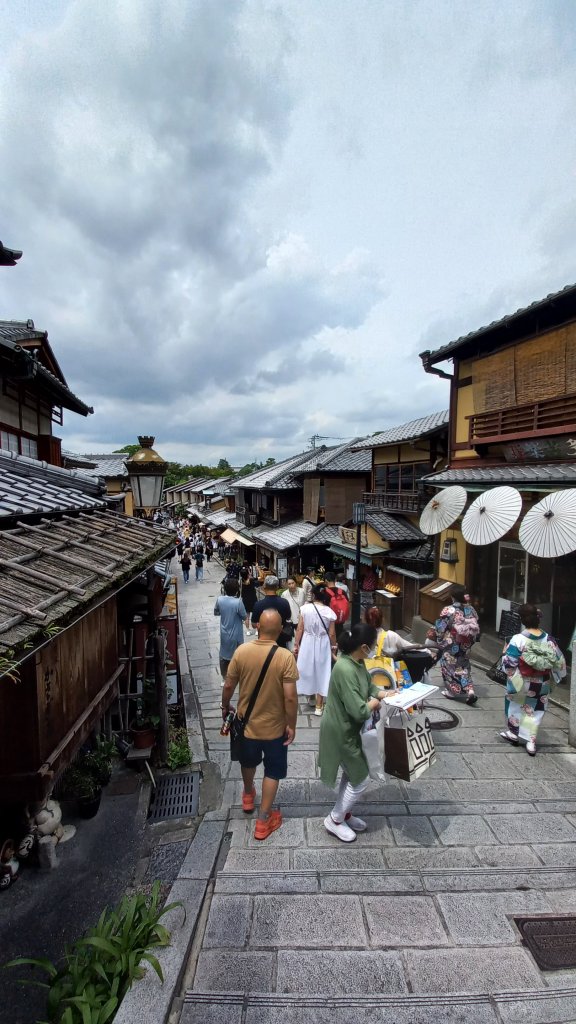
    If you keep following Ninenzaka and then veer left, there are a few stores and the quiet end of this area. Veer right and you end up on Sannenzaka which will lead you uphill to the Kiyomizu-dera (which I had visited on my previous trip here). There are many tourist type stores here which I popped in and out of but nothing really took my fancy. I headed back for a matcha ice cream and made my way back to the hotel to rest and then had dinner with a friend.

    Day 3

    I started my day by pottering around in my accommodation. Tired by now from travelling in general, I took it easy in the morning and took my time getting ready. I think this is something that many travellers don’t talk about but after being on the go, hitting up all the tourist sights, sometimes you just need to stop. I was lucky enough to be able to on this trip as I know the feeling of not wanting to stop to waste those precious annual leave days.

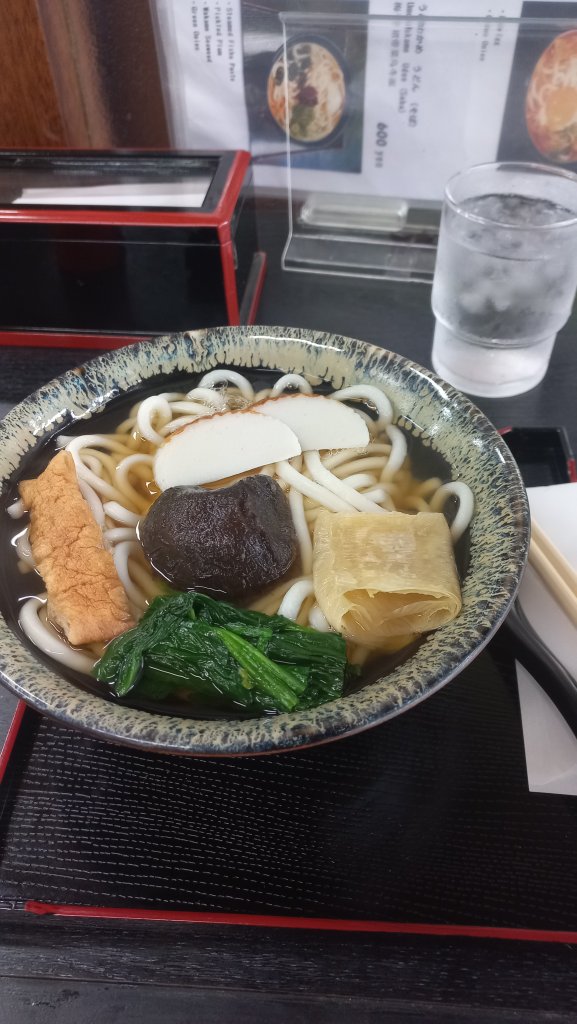
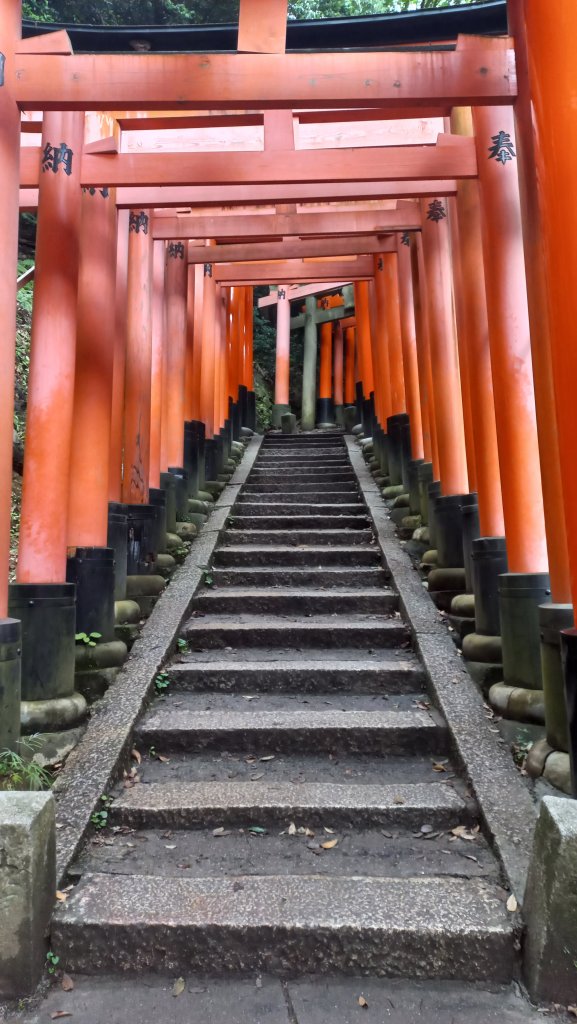
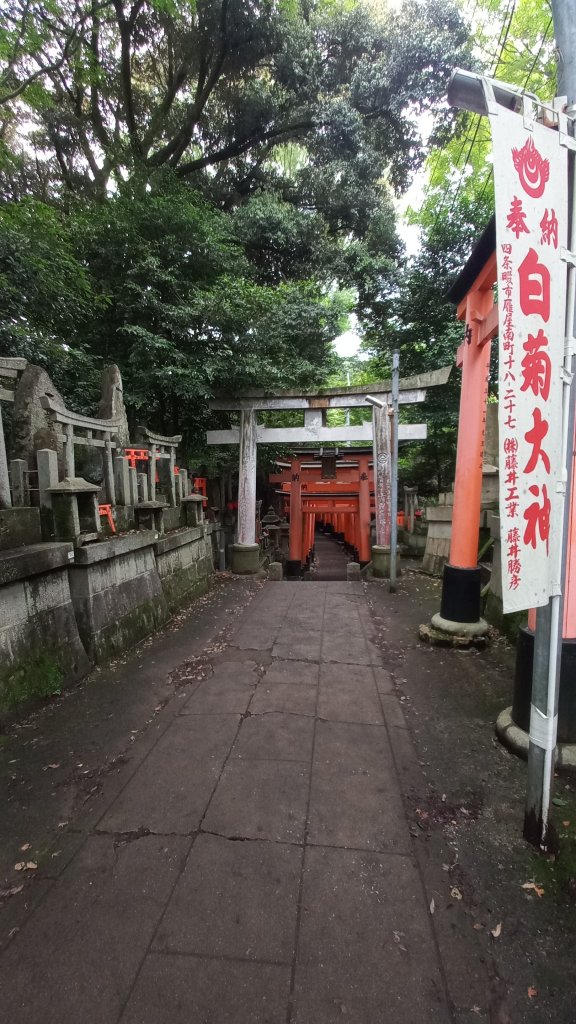
    Today was Inari Shrine (again). I first came on my previous trip but didn’t hike the whole way up to the peak so I was determined this time to do the whole hike. I had initially planned to do a night hike but was just keen to stay in at night so opted for an afternoon hike. I found a lunch spot near the station for my first udon of the trip. It was not bad but I’ve had better udon in my life. The restaurant was super busy though and there were also many school students inside.

    I’m particularly drawn to this shrine. It sparked a curiosity to learn more about Shinto religion. It’s grand, quiet and surrounded by nature and seems to be such a peaceful spot. It was raining again this day when I had come to visit which might have been a blessing in disguise because it would’ve been SO hot otherwise.

    Tip: wear insect repellent

    It does get less full once you get back the initial gates at the bottom but there are still many people around enjoying the shrine.

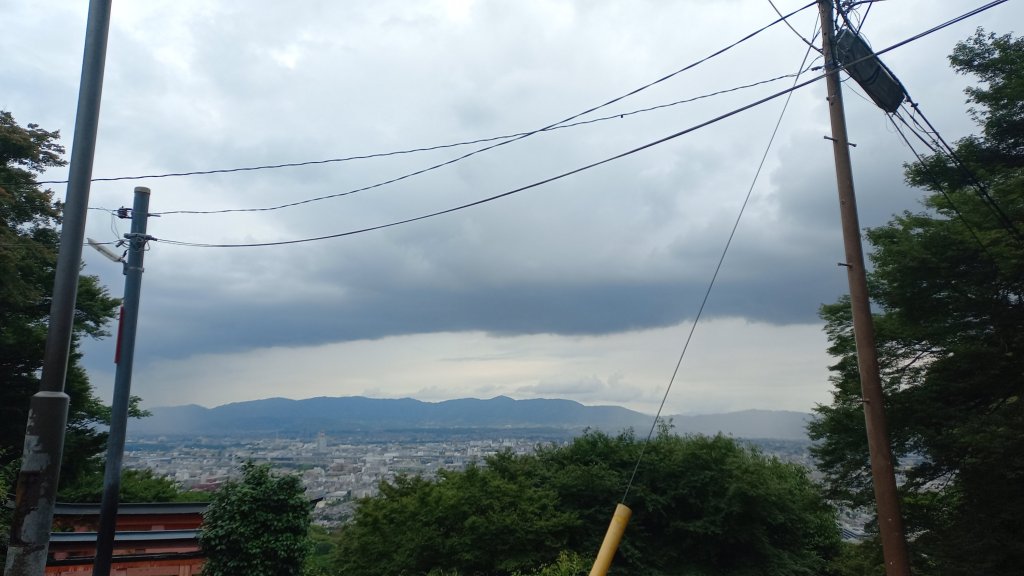
    There are good signposts and you can’t get lost if you are following the gates around the mountain. The peak is view less so enjoy the journey up. I think I spent about 2 hours in total at the shrine.

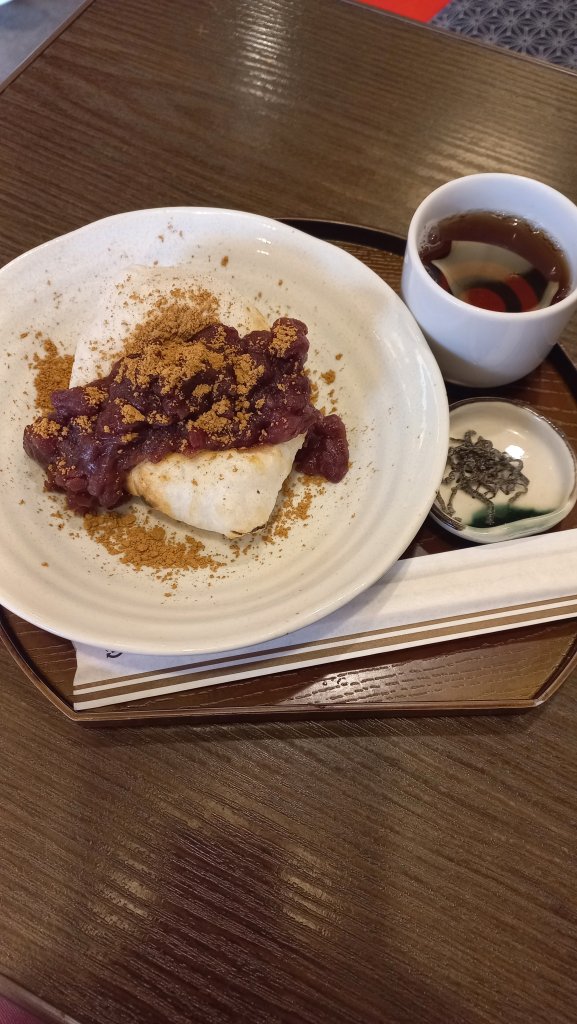
    The afternoon beckons for dessert so I went to the exact same Fushimi Inari Sando Chaya dessert cafe I went to last time and ordered the exact same baked mochi dessert. It is just SO good. Those strips that come with the dish as I have now found out, is seaweed!

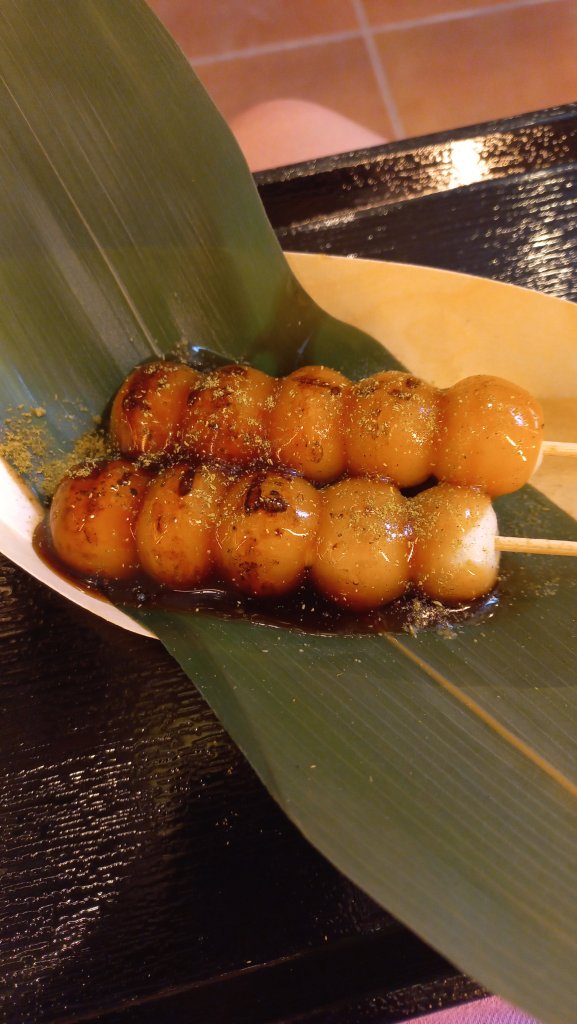
    Whilst walking to the train station, I finally came across mitarashi dango. I had not yet tried any dango which seems to turn up in all the Japanese animation films and there’s even an emoji of it on whatsapp so I was keen to finally get to try some. To my disappointment, it wasn’t to my taste. I wasn’t expecting the savoury soy sauce dressing (I thought it was a sweet dessert!) and the balls were not as chewy as mochi but I finished it all regardless.

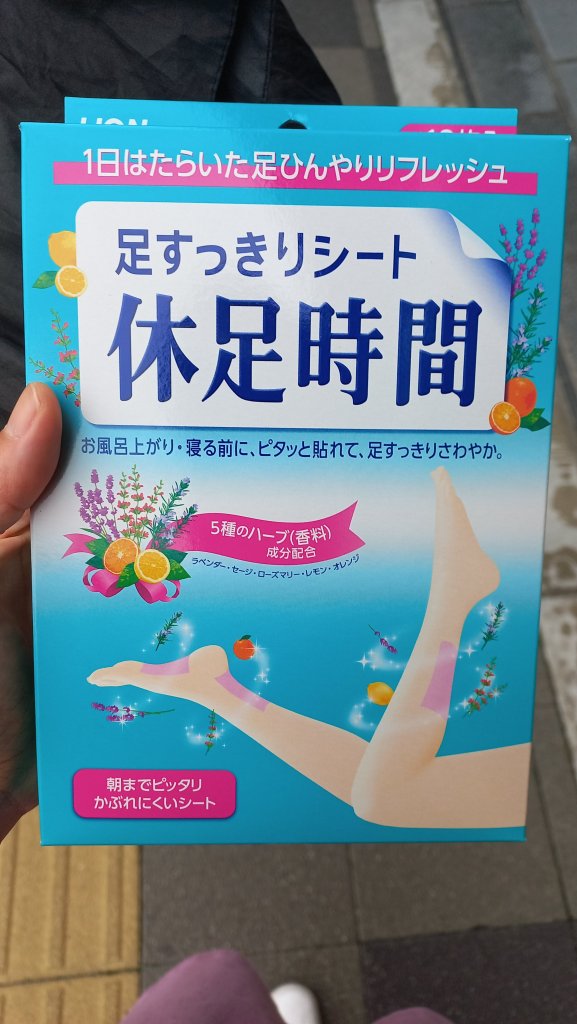
    After speaking to a friend and reading another blog post from a blogger here, I decided to give these refreshing leg patches a go for my tired and sore legs which I picked up at a pharmacy. These stick on patches are cooling and are suppose to ‘revive’ tired legs. Let’s give it a go.

    Day 4

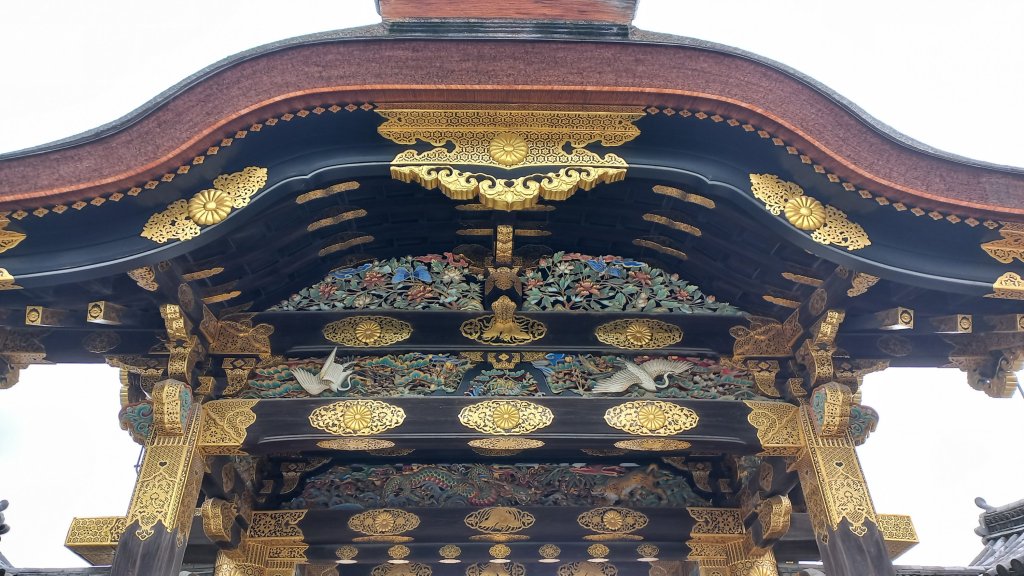
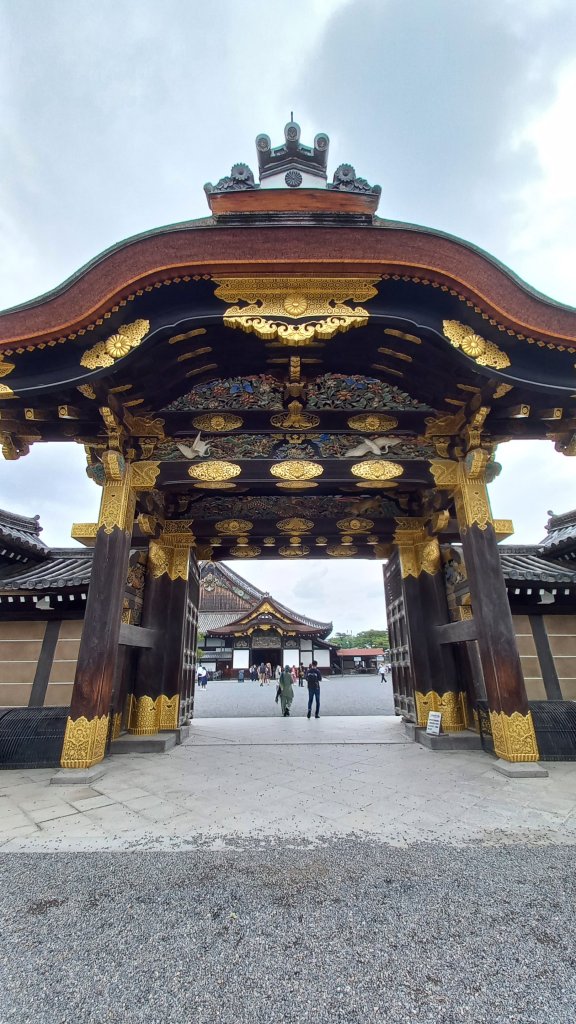
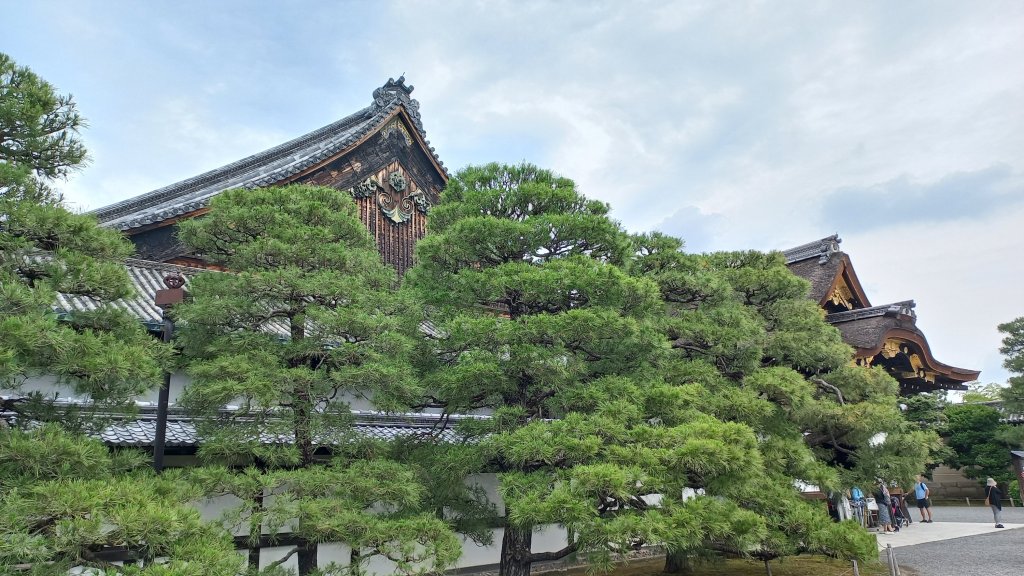
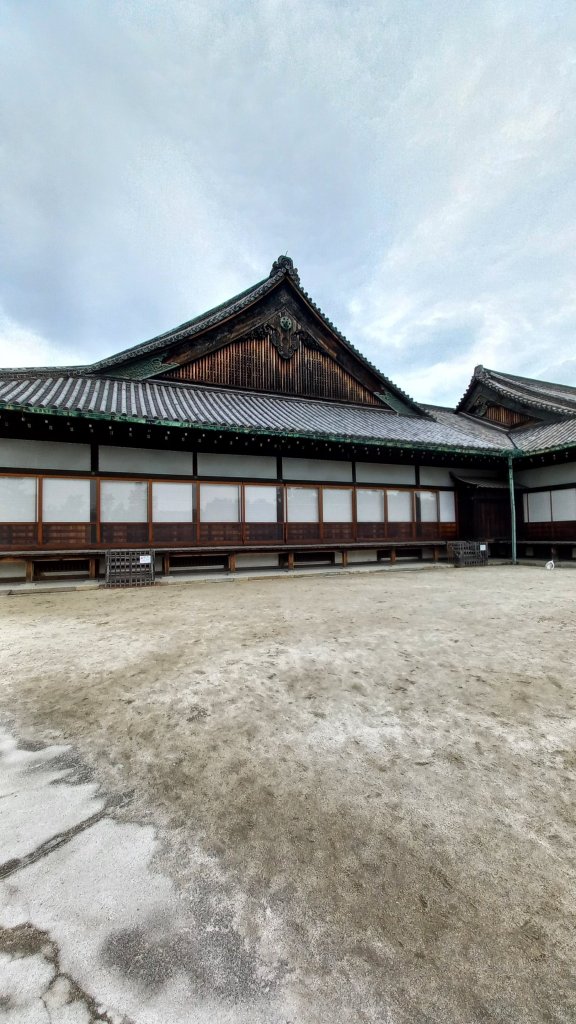
    Waking up to my last day in Kyoto, those leg patches did not seem to particularly work. But alas, the show must go on. I went to Nijo Castle. I was tossing up between Nijo Castle or the Imperial Palace and after some googling, decided based on popular opinion, to go to Nijo castle instead which was suppose to be more interesting.

    The castle was built in 1679 and consists of an outer wall and moat. Aside from the gardens, you can enter the Ninomaru Palace which has rooms lavishly decorated and and interesting inner design in each room with a raised ceiling to signify status. There is a set one way path in the palace and as you walk around, the nightingale floor chirps beneath your feet. There was no sign to say that it was to keep the ninja’s out though.

    On my way back to pick up my bags from the hotel, I stopped at a highly rated google maps udon place. It did not disappoint and was way better than the one I had the previous day! Tempura anything is so well done in Japan so I did not hesitate. The udon is handmade here and hit the spot exactly.

    With sore legs and now a trusty box of leg patches, my next stop was Osaka.

    Have you been to any of these places? What did you think? Have you tried dango?

  • 48 Hours Offline Experiment

    This past weekend, Amanda from Something To Ponder About and I decided to go without the internet for 48 hours. Amanda has already posted her experience so it would be interesting to also read her thoughts on our offline weekend as well. With the internet so engrained in our daily lives, would we find this easy enough? Are we more addicted than we first thought? What will our days look like? No apps, emails and browsing except phone calls for emergencies.

    I was excited to do the experiment and also had some doubt about myself. Would I have the internet itch and be looking at phone resisting the urge to touch it like a 3 year old looking at a forbidden chocolate bar?

    Day 1

    My first thought when I woke up was “how freeing”. I didn’t expect to think this or feel a sense of relief immediately. The only explanation I can think of is that maybe I was already so bothered about being contactable at any moment of any day or this added thing that I needed to check. Call me an introvert but there seemed to be something more empowering about deciding when you can be contacted.

    By now, I would’ve already caught up on all the social media happenings since I was last awake. Realistically, this is not needed. The world continues on with or without me and I don’t need to know about what has transpired in the areas that I’m interested in in the last 8 hours.

    Being abroad means that I have more things to do and entertain myself with. My day consisted of a farmer’s market, bike riding, making lunch and even trying to make a summer drink.

    I didn’t feel the need to check my phone but did pull it out to take pictures. I did think about using my digital camera instead but to save space in my bag, went with my phone.

    By the afternoon, I realised that I was thinking about how I would have already sent a few pictures to friends/family and some running thoughts that I’ve had. I can always send them later and didn’t need to do things instantly. Have I been treating my relationship with others as a more surface level ‘they are always just a message away’ instead of really treasuring the relationship? Do I do enough and say enough to them when I’m with them to express my gratitude? Maybe this needs further exploring.

    There were times during the day where I had a thought and wanted to look up something on google but couldn’t. This is what I missed the most. Being able to search information instantly.

    Day 2

    The next morning was similar to the day previously. It didn’t bother me at all that I couldn’t check my phone and went about my daily routine in peace. Instead of being preoccupied with what others were doing and had to say, I was more worried about my day and what I would be doing as this 31 degree C European summer day lay ahead of me.

    My morning was spent picking blueberries on a my friend’s plot of land and in the late afternoon, we went to have a wander around town where a festival was taking place. I read on my kindle while waiting for the peak of the heat to pass. I felt settled and calm.

    My disconnect to the internet was broken at midday when I bumped into my friend’s family member whilst I was walking back alone. We needed Google Translate to communicate so I had to connect to purely use this app. Where would we be without the internet? Not talking.

    By night, I was still not really missing the phone and even had to remind myself that I would be able to turn on wifi the next morning.

    Final Thoughts

    I was definitely less distracted through the weekend and more focused on the activity at hand without having my ear listening out for a ping or thinking that I was bored. I felt that I could’ve done another day of being offline and am now thinking how I can limit my ‘connectiveness’.

    One action that I did straight away was turn off some app notifications that I could’ve done a long time ago but did not.

    I’ve come to realise that we are never really offline at all. We’re still contactable all day at work and then all night as well within our personal lives. Maybe by allocating only certain times of the day to be connected to the internet/apps, I can try and regain more quiet time in my life without the pings going off around the clock.