Not exactly the right time to visit Gangneung, I decided it was time to go and booked a quick trip to sit by the beach. Gangneung is located on the east coast of South Korea, a beach side town with what I imagine would be a great summer destination. It takes 2hrs on the KTX train to get there from Seoul Station. Accommodation just by the beach, seafood restaurants and cafes too many to count, I was hoping for a relaxing time to stay still.
The first thing I noticed when I arrived in Gangneung, was how much more scarce public transport was. Regardless, it was still ok to move around without a car although it would have been easier with a car.
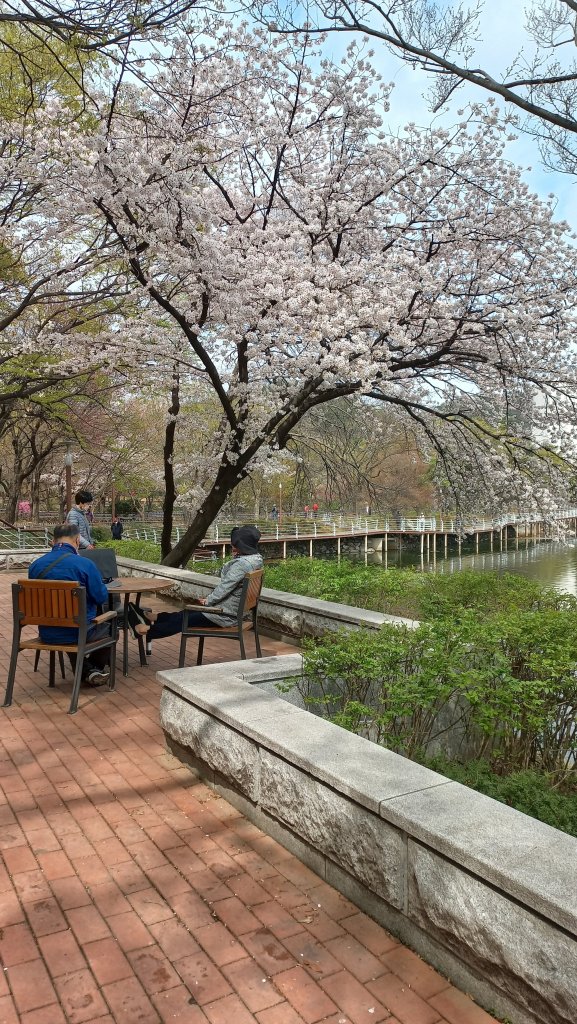
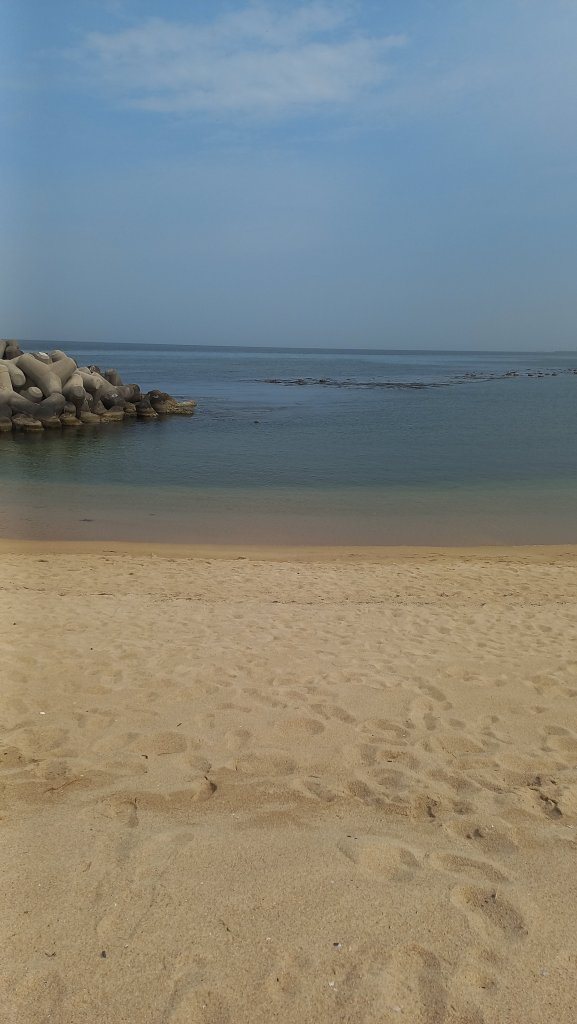
My accommodation was near the beaches so I headed there to find lunch and walk along the beach. My travels were aptly timed to a cold wave so the day time temperatures were between 12 to 15 degrees C. There weren’t that many options but I found a burger place for lunch (which was not good) before walking along the beach and finding some benches to sit on.
Seafood dinner success
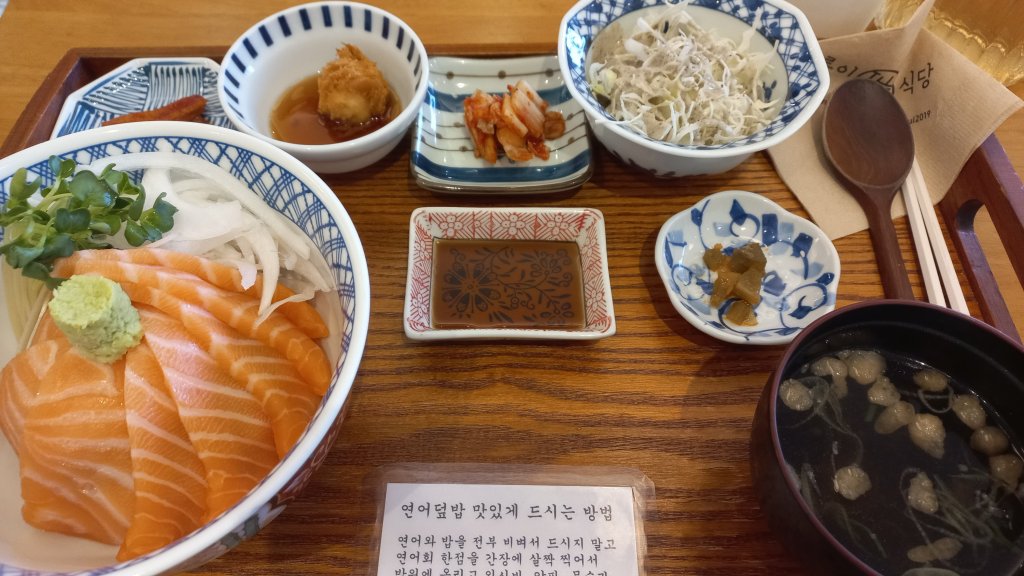
After checking in and resting a little, I decided to find some sort of seafood after searching for restaurants and having to scroll past all the king crab and raw fish places which appear to be catered for groups. I found a Japanese place nearby called Rui that sold individual dishes which was exactly what I was looking for.
After dinner, I did another beach walk to watch the skies change to night and the building lights come on. I went to a cafe to have some dessert (because holidaaaays). Walking back to my hotel, there were families and friends letting off fireworks on the beach.
The next day, I found myself a brilliant brunch place called 카피 밀 (Coffee Mill) which served up the type of breakfast I was looking for. I decided to then walk towards the Arte Museum and passed the Heo Gyun Heo Nanseoulheon Memorial Park. Not wanting to just pass by, I entered the Memorial Park to have a look around. Heo Gyun is a Korean novelist and politician during the Joseon Dynasty and author of Tale of Hong Gildong.
The Arte Museum is a multimedia exhibit with different rooms with different projections. It was interesting but I’ve seen something similar elsewhere so the only room that got my attention was the room with laterns and mirrors. I wished they had seats around so that we could sit down to enjoy the different projections.
It was so nice to slow down for this weekend and it was much needed.
1. Online Banking Banking here is what I imagine the pits of hell would be like. Bank books are still used here and with what they like to called added security, a simple task like transferring money is not that simple.
Being able to transfer money is a set up of its own, includes the download of security programs and an annual certificate number that allows you to transfer. I haven’t managed to get it to work so use my banking app which only works on the Korean version.
2. How everything is linked Your name and number on your resident card is what you need to put on your phone bill, internet plan, banking services and services to order online. Everything online is connected here so you need to usually verify yourself in the first instance. I’m not sure why, but verifying yourself is a task. Sometimes your name order works and other times it doesn’t. You need to select which phone provider you’re with before you can be sent your text with a code to enter. If your phone company made an entry error, you’ll be going in circles until you figure out where the error it. If you have a long name, goodluck.
3. Air quality and dryness There is not much more to say apart from the air quality sucks most of the year. There is a nice outdoor culture and plenty of things to do outside here but it just not enjoyable when you’re struggling to breathe or are constantly clearing your throat. In winter and shoulder seasons, it is very very dry. I’ve gone through 2 tubes of hand cream in winter alone and 1 whole lip balm. If you wear contact lenses, I suggest eye drops throughout winter and these shoulder seasons. Many homes and workplaces also have humidifiers for these dry months (and you’ll also potentially need a de-humidifier in summer). Humidifiers and filters are easy to find and are reasonably priced.
4. Conformity I think I touched on this elsewhere but everything is very samey here. Same style. Same make up looks. Same hairstyles. Same natural colours everywhere. Being different in any sort of way leaves you sticking out amongst the sea of same. This is something that I miss. More individualism and a more multicultural society.
5. Clothing material Fast fashion is quite big here and I’m not sure the rejection of fast fashion is as big here as it might be in other countries. I’ve been thinking if this is linked to how appearances really matter here. As such, finding decent quality clothing for affordable prices has been more of a challenge here than back home. I’ve just been sticking to going to Uniqlo here if I needed anything and have found the odd nice piece in random stores. But from my experience, nice to wear fabrics seem so hard to find here. A lot of what you’ll see are polyester or poly blends. I guess it’s been good because then I haven’t felt the need to buy much.
6. Couples Being in a couple here is such a big deal. Weekend cafes are filled with couples on their dates and even on the streets you will see couples with their matching outfits (also a thing here), taking selfies together and a bundle of flowers. It’s so noticeable more than back home. I guess because a lot of people live with their families, the only way to hang out with their significant other is to be out and about. Sometimes it’s cute but most of the time, a little too in your face. As a solo traveller most of the time, if you’re not the awkward one eating alone in a culture where half the restaurants are catered for groups (hello kbbq), then you’re the one awkwardly in a cafe alone surrounded by….couples.
7. Solo eating This brings me back to my next one. A lot of the food and restaurants are catered towards groups of people. Sharing a skillet of chicken, pork trotters, traditional Korean meal, seafood bbq and Korean bbq are all delicious sounding food that can only be eaten when you are 2+ people.
8. Hustle culture South Korea has one of the longest work hours in the world and recently even wanted to increase the hours per week to 69 (to much protest). The Korean work culture has also long had Hoesik which is after hours drinks/meal to boost team bonding. I’m not sure how widespread this is now since the pandemic but I have had 1 team lunch prior to work. As someone, who likes to clock off on time and not a huge fan of out of hour work functions, I was hoping my workplace would not have many of them. Working overtime and on weekends is not foreign from what I’ve seen in my workplace and hearing from friends. Add this to the very limited number of annual leave days (11 days for me on a 1-year contract) which is 15 days of annual leave granted after 1 year of working.
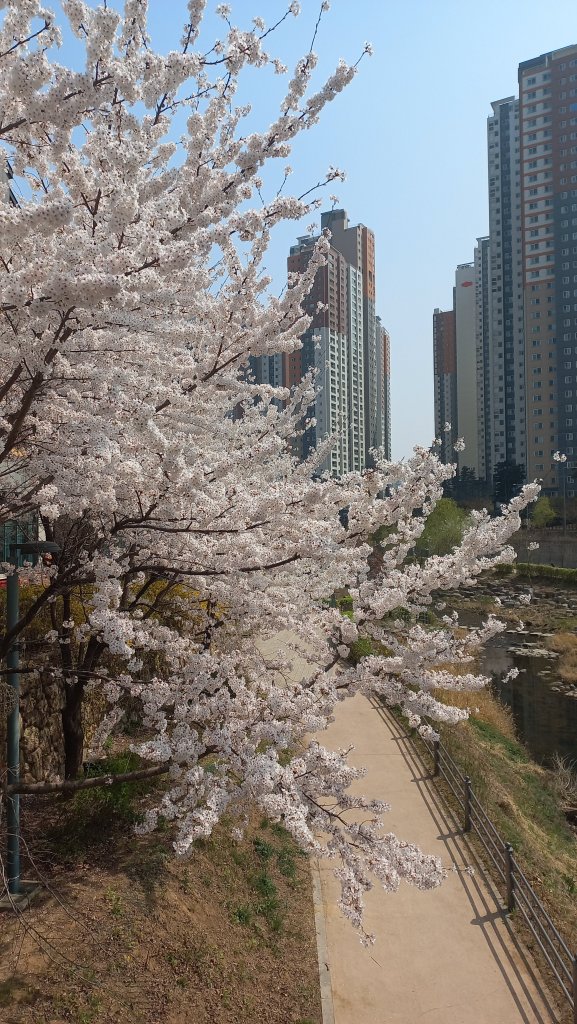
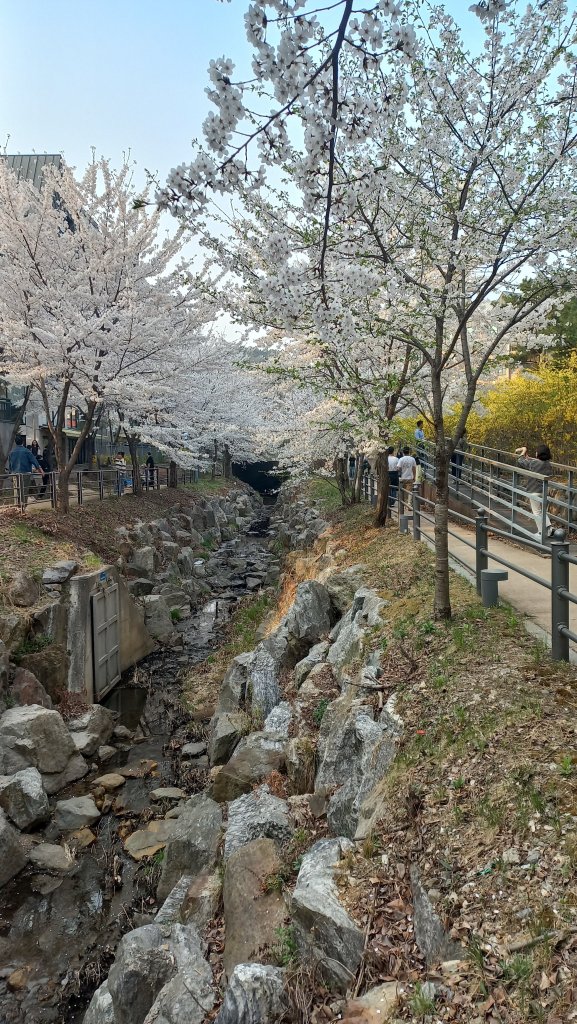
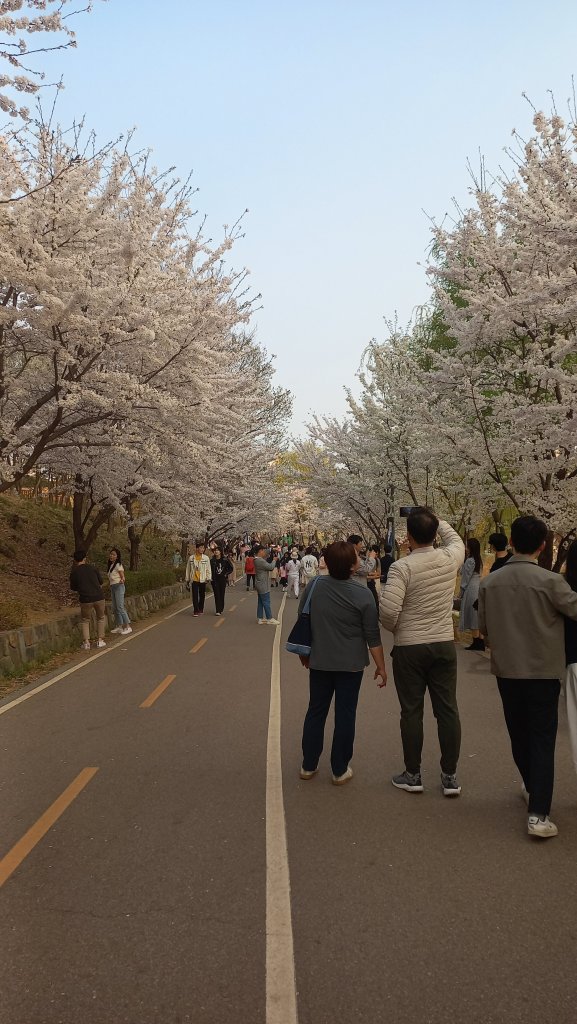
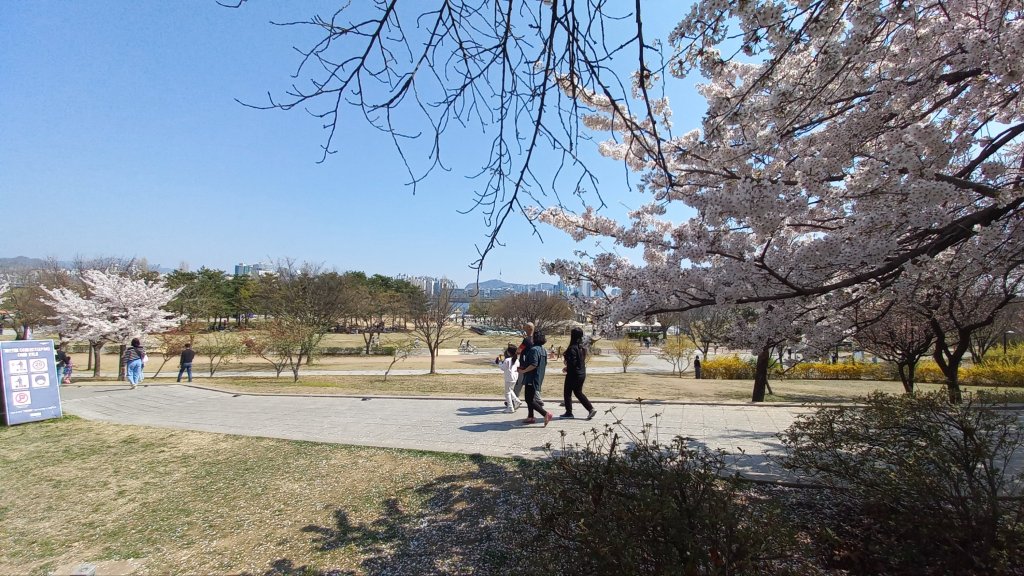
Following on from my trip to Daegu to catch the cherry blossoms (and see Daegu), I spent the following weekend chasing them in Seoul area. Spring was so sudden. One day it was cold and trees bare and then with a blink of an eye, spring buds started appearing.
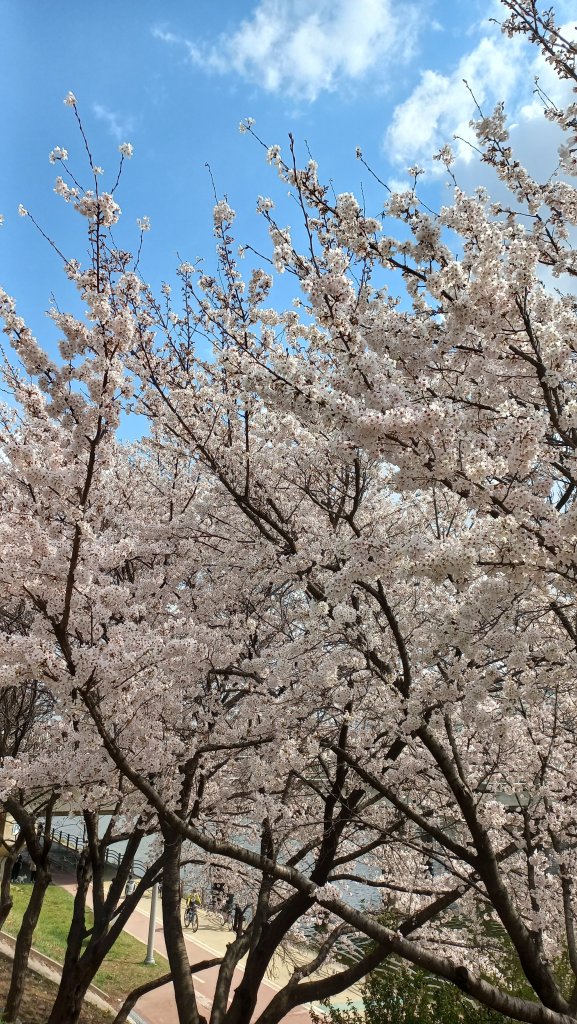
The cherry blossoms were the same. Warmer weather came a little earlier this year meaning that some cherry blossoms festivals had to be moved forward at the last minute. The cherry blossoms can be seen around everywhere although there are some famous spots in Seoul.
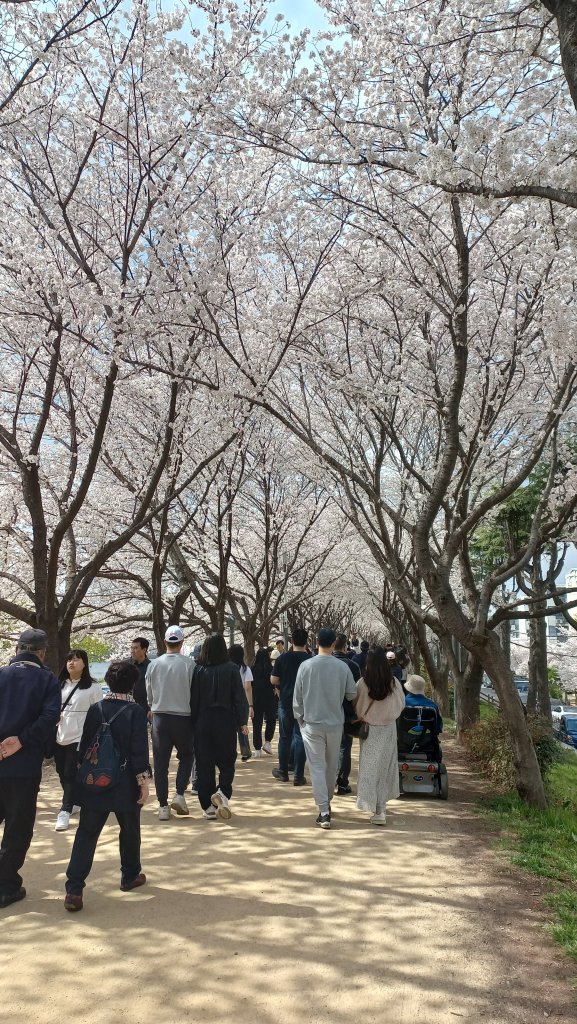
On Saturday, I stayed local in my town. Having lunch at an Australian inspired cafe with a friend and lounging the afternoon away at a cafe and then strolling around. We seemed to have come at the right peak time as the paths were filled with people. As full as they seem, the winds also made a lot of the petals fall.
The next day, I planned my way around Seoul. I would only have time to hit up 2 spots. In the morning, I went to Yeouido where the trees lined the Hangang Park area. If you want to avoid, the crowds, it’s best to go early. There was still plenty of walking space but many picnic go-ers already on the waterfront. The day looked gorgeous and the air was clean (halleluyah) but a forest fire ended up breaking out at about noon, washing the sky a cloudy white.
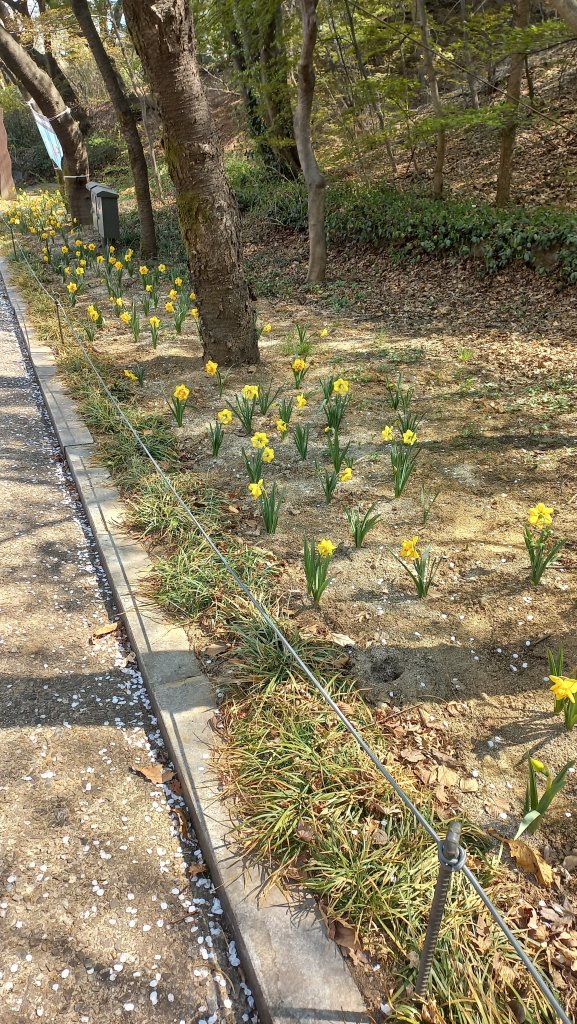
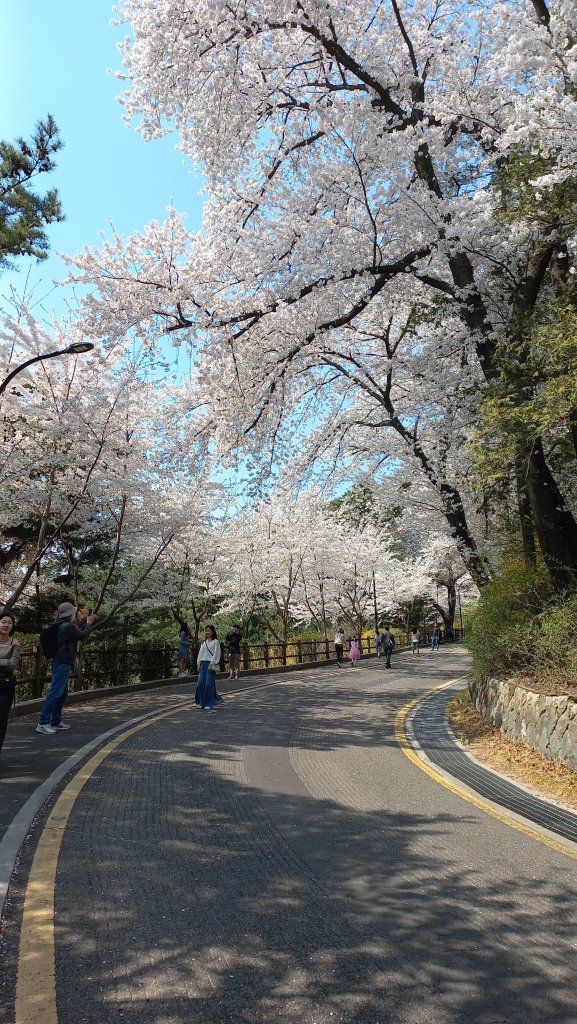
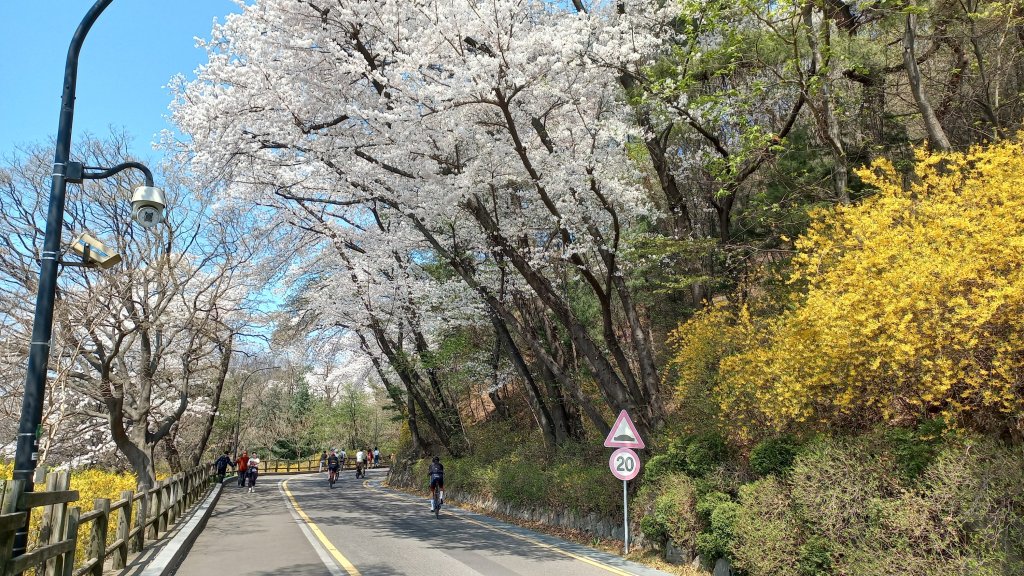
In the afternoon, I went to Namsan Park and walked up to the N Seoul Tower. This is one of my favourite walks in Seoul and my big tip is to start from Dongguk University station. There will still be stairs but not as many as from the Myeongdong end.
Daffodils in bloom
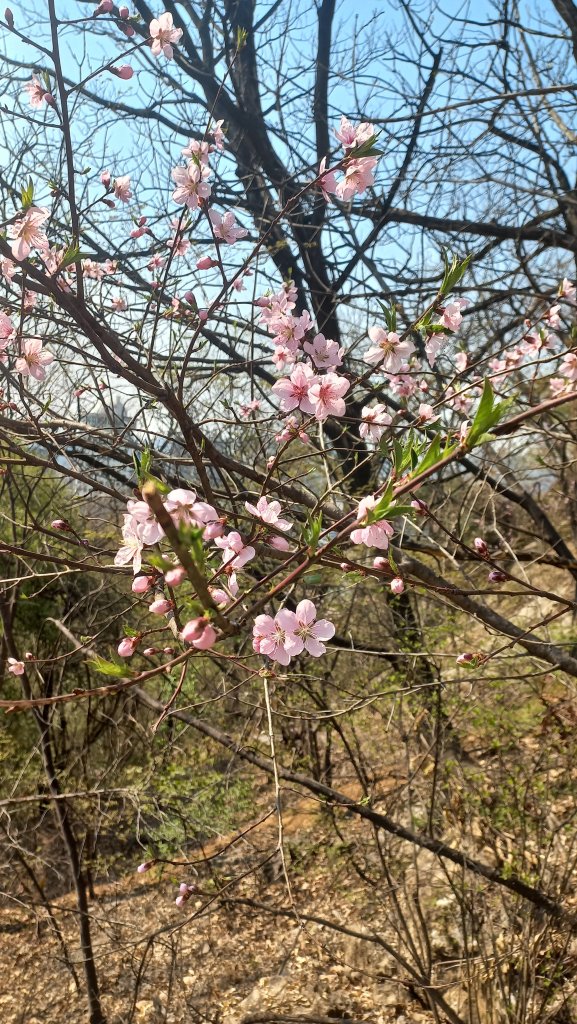
The wide roads can accommodate cyclists, pedestrians and the bus that goes to the peak, it is a great leisurely stroll past all the cherry blossom trees. In the summer, there is decent leaf cover from the sun.
Plum blossoms
The next day, I woke up and noticed the cherry blossom trees were less noticeably white. Winds and rain arrived and as quickly as they came, they were quickly gone.
Academies are locally called hagwons which are privately run. I don’t think there is an equivalent that I know of. It’s like a tutoring centre except the students come 2-3 times a week after school and spend a few hours at the academy each time. The academy I am at runs English and Maths classes. Classes are run for elementary school students through to high school students. The first class for elementary starts at around 4pm. My last middle school class finishes just before 10pm. Finishing at 10pm is mandated by law now as previously classes ran a lot later.
Part of the reason behind this is that where you went to school and university still has a big influence on your career opportunities.
As such, attending an academy is more the norm here with parents wanting their children to have the best chance of landing the most coveted university spots in Seoul (Seoul National University being #1). Many of the students I teach attend English, Maths, Science and Korean academies (there’s also sports and music too) and have a jam packed weekly schedule. Some also on both weekend days.
It is no surprise then that the South Korean education system is regarded as one of the best in the world with the country having high rates in literacy, maths and sciences. In 2020, approximately 51% of the population in South Korea held a Bachelor’s degree. Compare this to Australia in 2020, where approximately 30% of the population held a Bachelor’s degree.
Interestingly, compulsory subjects in high school include Maths, English and Science. If you’re just not inclined at these subjects, that is just too bad so sad. There is no way out of it. When I was at school, I at least had the choice on what level of Maths and English I wanted to take. Here, there is just 1 level of each subject.
When I first got the job, I did think “Wow, that’s really late. It’s almost my bed time”. But I actually didn’t know how late it was until I started teaching. It sounds late for the teachers but we also start our work day in the afternoon. The poor students have started their day since morning and will go home and do homework after and then go to sleep. When I talk to my students, I feel bad that I’m sleeping earlier that they are.
You can feel their tiredness in classes sometimes. Mood changes because they’ve just been told of all the upcoming practice exams at the academy to prep them for their school exam. You do get the occasional student who falls asleep but bless their socks, they’ve had a long day.
You might be thinking then that during their vacations they might be able to have a break. That is where you are wrong. Academies run holiday programs (like ours) where we start earlier so we can finish earlier and they get ANOTHER class with a native English speaking teacher. Other academies do the 7 hour vacation days but ours just shifted times to be earlier.
Whether they should be spending hours and hours in classrooms after school is debatable. You can blame the parents, the system, the country, culture but at the end of the day, you cannot deny that is has contributed to the high education rate in the country and the turn around in the country’s economy.
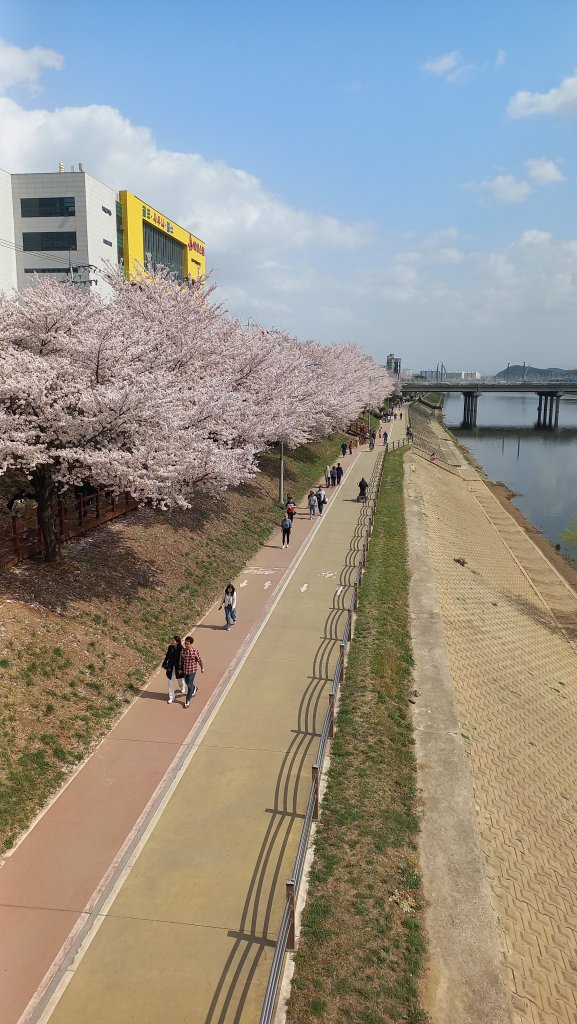
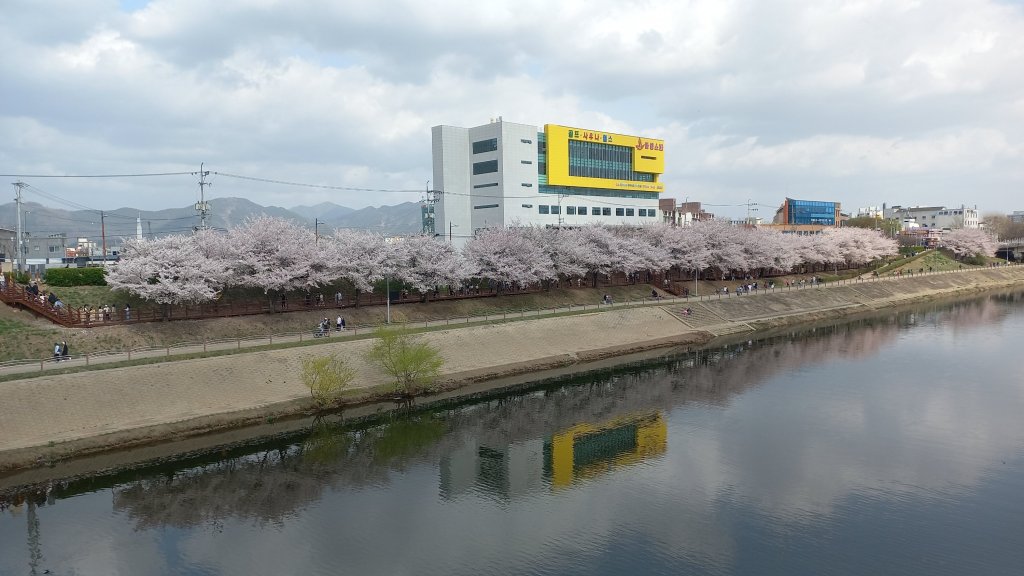
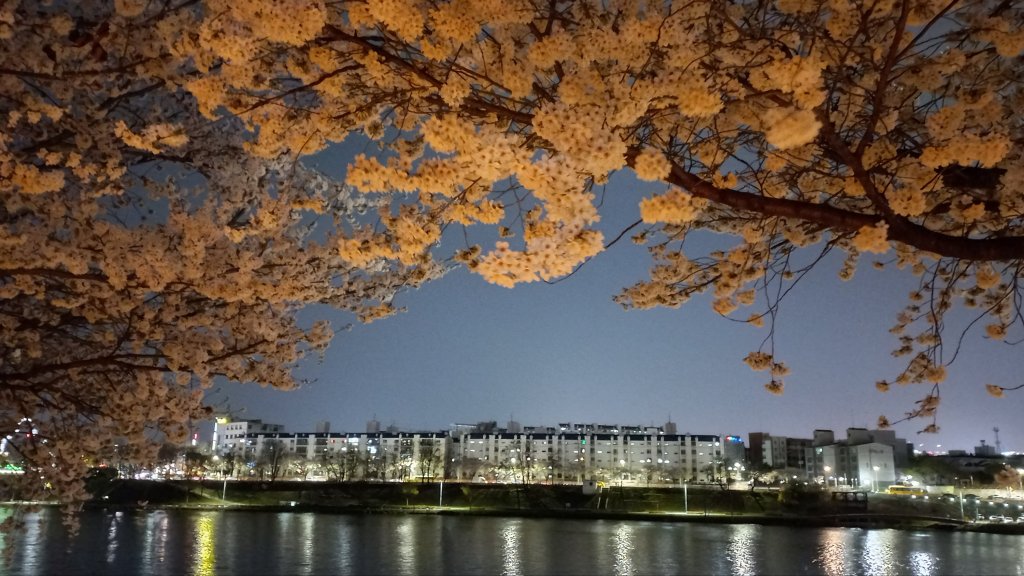
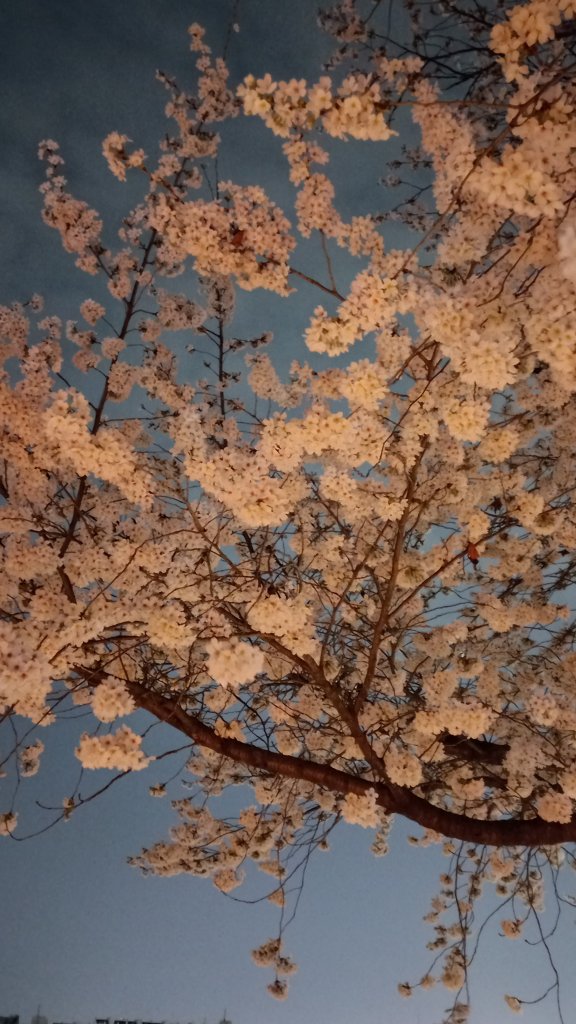
The cherry blossoms. Need I say more. It’s that time of the year, where spring is officially here. I spent a weekend in Daegu and timed it to coincide with their peak cherry blossom blooms. It’s warmer down south of the peninsula and great to catch it there before it reaches Seoul and the surrounding areas.
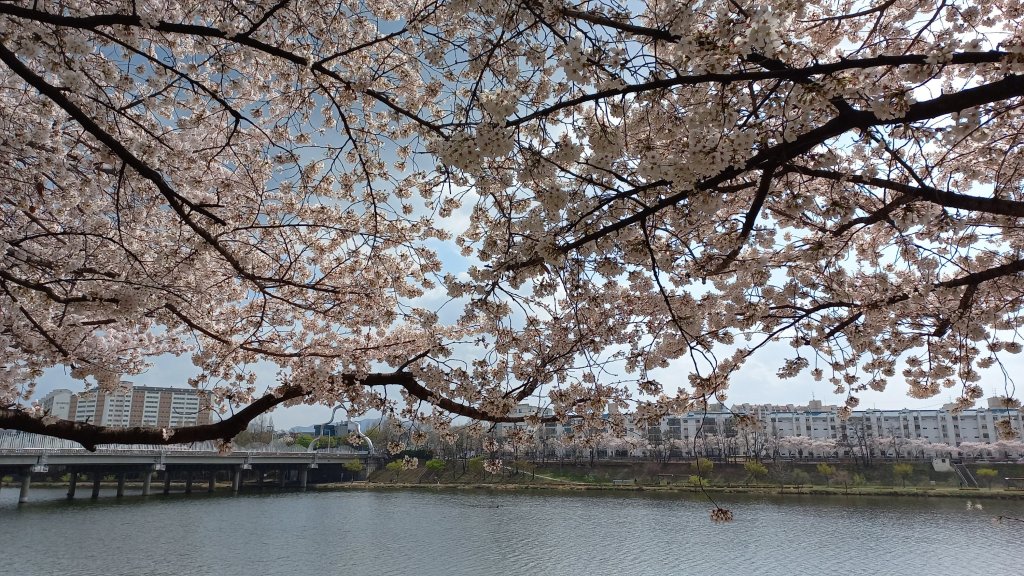
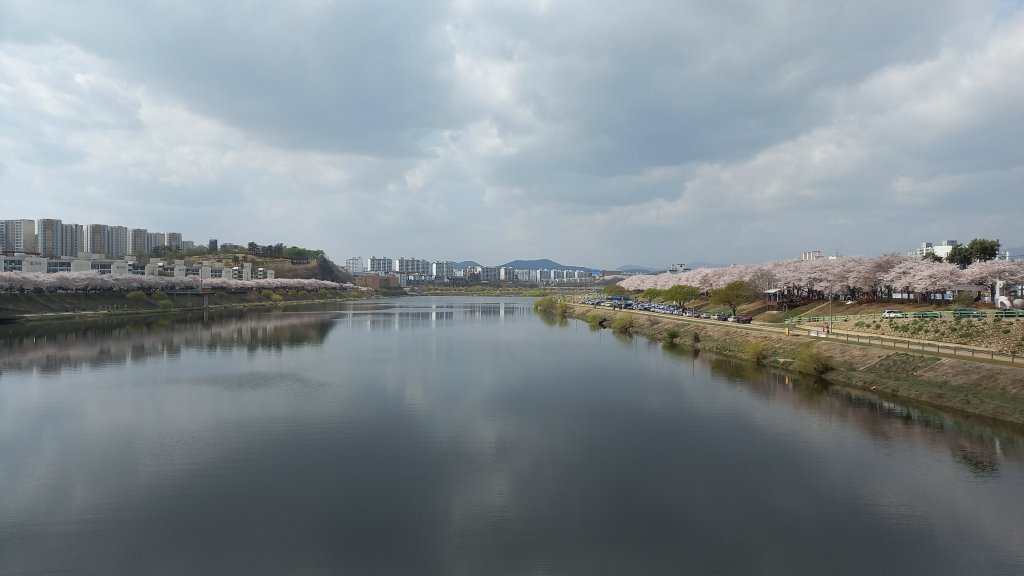
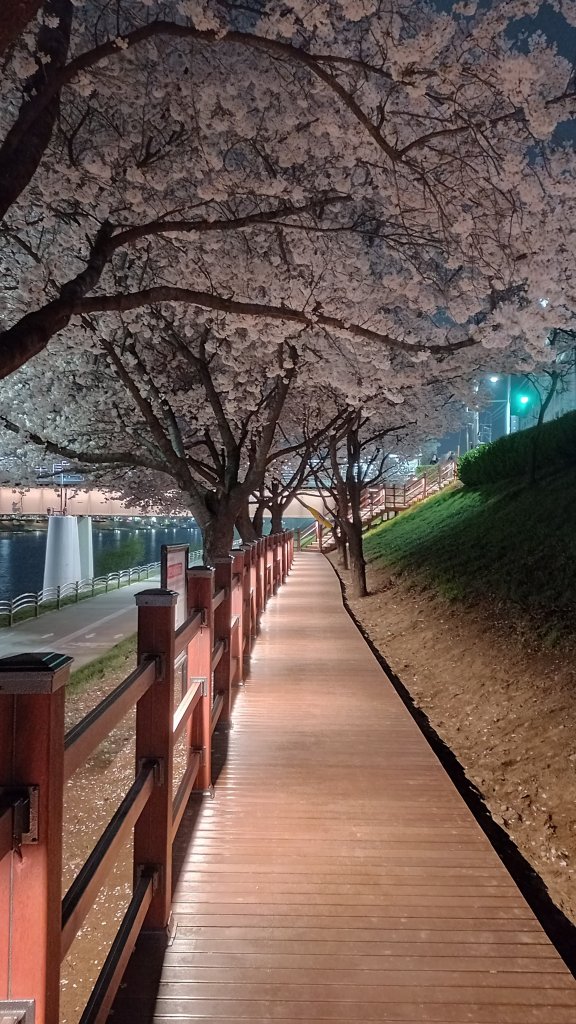
One particularly good spot in Daegu is along the river near Ayang Bridge. One the side closer to the airport, the stream edge is filled with the light pink blooms. You can see them from a mile away. It’s a beautiful area to walk, not too busy and also a popular outdoor area filled with families, picnic-ers, couples and groups of elderly lunching with their friends.
Duryu Park
I also made a short visit to Duryu Park which is also suppose to have lines of cherry blossoms trees. I only walked into the park alittle as I was short on time but I think if you follow the path and everyone else, you’ll see the trees further into the park.
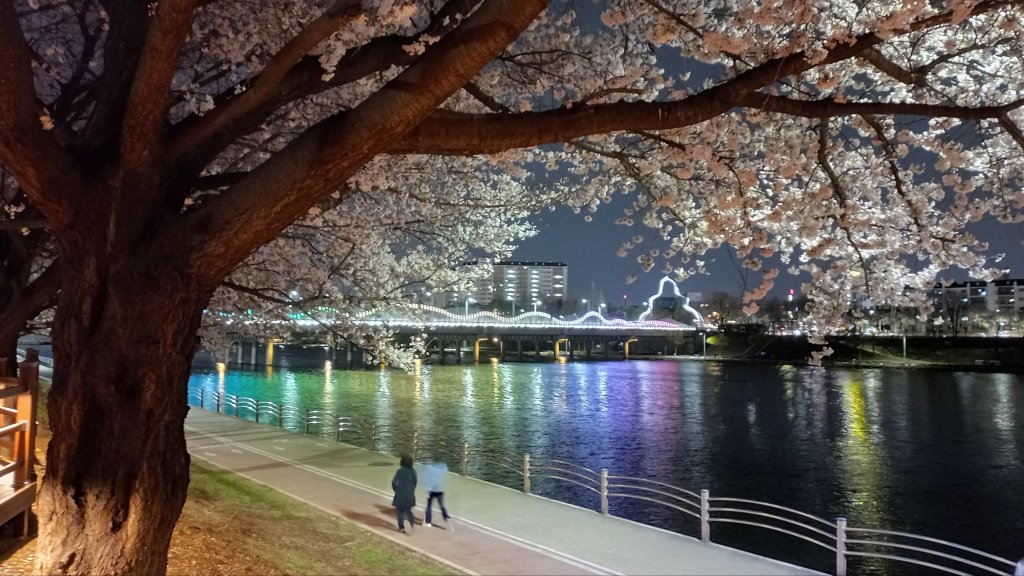
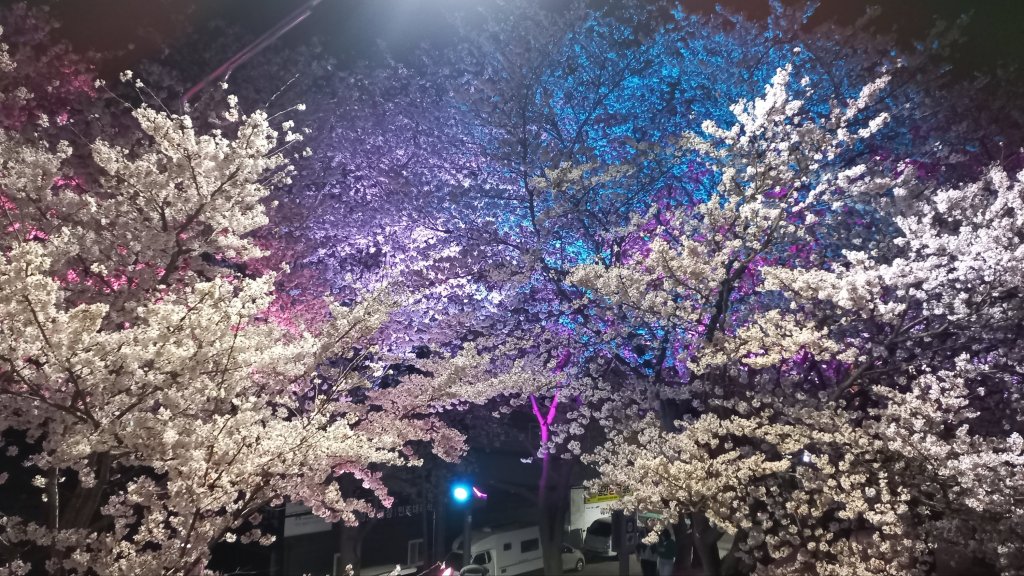
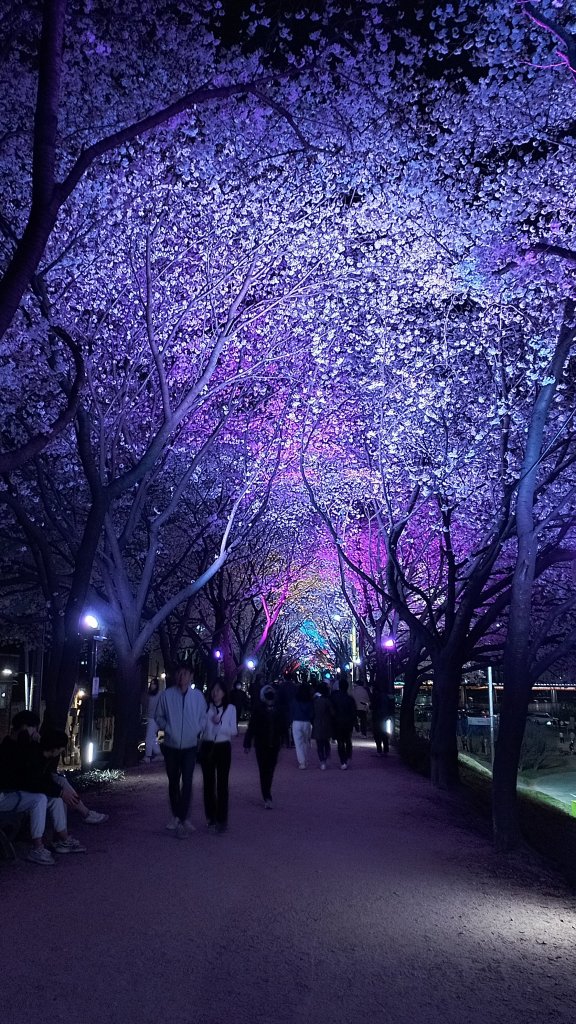
It is also worth visiting Ayang Bridge at night. The walkways are lit up near the bridge and if you keep following the path, there is a light show further down where they project the lights onto the cherry blossoms.
I haven’t seen so many cherry blossoms in one spot before. It was so beautiful, I honestly could have cried! When the wind blows, the tiny petals fall creating a shower of specks which made me feel like I was in an animation although this was real life!
The only 1 downside was that I don’t think my phone picked up on all the details enough and was overwhelmed by all the flowers and petals. I wish I had brought my camera.
Whilst there are some famous spots around Korea to catch the stream, path or road filled with cherry blossoms trees, they can be found in random places anywhere in Korea!
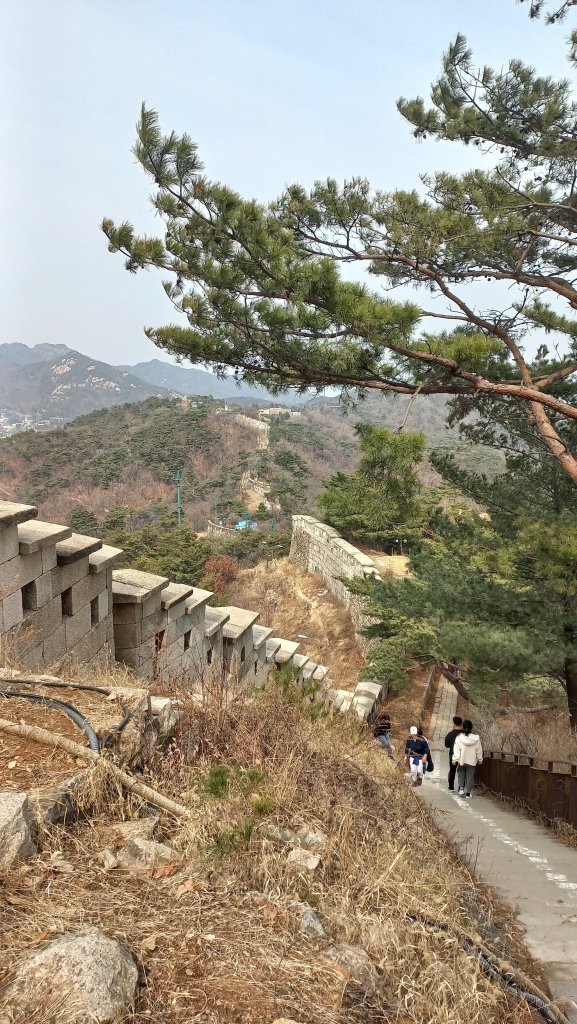
As the weather gets warmer, it is the time to dust off those hiking shoes and discover the great outdoors once again. Located directly behind Gyeongbokgung Palace and the Blue House, Baegaksan offers about a 3 hour hike along the Seoul wall.
Public access to this section of the wall was closed to the public for 40 years after North Korean special forces make their way over towards to the Blue House (presidential residence) in 1968. This area was opened in 2020 back to the public and in 2022, the whole route was opened.
I started on the east side at Hyehwamun Gate and made my way west. The reason for starting at this end will be apparent by the end of this blog post!
Spring buds appearing
View of Namsan Tower
Getting away from the crowds is always great, particularly in Seoul. I always enjoy the peace and views from the northern part of Seoul. Not many spring buds had appeared yet when I was did this walk however there were signs of them all starting. Spring unfortunately here, coincides with some pretty bad days of pollution. The air quality has been terrible since the cold disappeared.
Halfway through, there will be a pine tree with bullet holes which were from the 1968 incident. Pictures around this area are also restricted in one direction of the wall as it’s still a military area. There is signage alerting visitors to this.
The part that I like best about walking along the Seoul wall are the Korea pine trees everywhere! They’re hardy and green all year round.
The decent down included all these stairs which is why I started on the other side. If stairs are your thing, by all means start on the west side! This section of the wall is not open 24 hours so I advise to try and finish before 5pm (earlier in winter). I didn’t make note of the closing time and haven’t been able to find the information online.
From living here, some of these were immediate and others were observations that occurred over time. I have rounded up 6 things that have really taken me by surprise in Korea. I’m sure this might change over time but for the moment here is my list.
1. How big coffee is here You can’t walk more than 1km without passing a coffee shop here. There are so many coffee chains here and independent coffee shops. I actually thought tea would be bigger here being in an Asian country, but coffee is more popular and easier to find here. The coffee drink of choice seems to be an iced americano. As an Australian, I’ve not really seen americanos on our menus but I think it would be a long black. And cold coffee?? What is that? Whilst I still very much like my coffees hot and with milk, I don’t mind a cold latte every now and then.
2. How little English there is Ok ok, a bit of an English snob to even be thinking this but I thought that as there is a big influence from the US here, English would be more widespread. Plus, the booming international trade scene and Korean culture wave. Even in Seoul, I think I give it 50/50 when picking a place to eat whether they will have English on the menu or if you will be using your translator. At least the metro stations and signs have some English. Quite popular here is also using a touch screen to order food/drinks and sometimes there is also no English or you select English and most of it is still in Korean. Yes, I am the one holding up the line trying to translate the screen.
3. How expensive fruits are While there is a variety of fruits available, they are so terribly expensive compared to what I was use to back home. Expect to pay 9,000 won for 3 peaches or more than 20 000 won for a watermelon. 15 000 won for a bunch of grapes and I’m sure I’ve not even seen the more expensive fruits. I think I had read before that this was due to production and land required to grow them although I’m not really sure on this.
4. How quiet buses and trains are There is this unsaid rule to not make so much noise on public transport. You will be stared at or even told off if you are speaking too loud. This is obviously such a blessing because there are times back home when someone has decided that everyone else in the carriage should listen to their abysmal taste in music. There’s none of that here and definitely no-one chowing down a burger on the metro.
5. There are CCTV camera’s everywhere This is the country where you can leave your bag and laptop at your seat and go to the bathroom and still come back to everything there. You can even have picnics and leave for a walk and come back with everything still there. There is so much trust in no-one taking your stuff because they know they can easily find the person stealing through all the CCTV camera’s around. There’s even camera’s where the apartment trash is. This high level of trust in the community does mean that they can have nice things. Nice metro stations, heated bus stop benches and kids freely walk themselves to and from school.
6. Fashion forward or fashion same I thought that Seoul would be a melting pot of styles. Just as London is or even what I’ve heard of Tokyo. But everyone dresses within the same confines and in the same style. Don’t get me wrong, everyone dresses very well here and takes a lot of care of their appearance but I thought I would be seeing more different styles. I think this fits into the larger cultural norm of not standing out and fitting into society’s “standard”.
Are there any other things that you would add to this list?
Following on from my previous post about what I did on Day 1 and 2 in Kyoto, this is the next and final blog post for my trip to Kyoto.
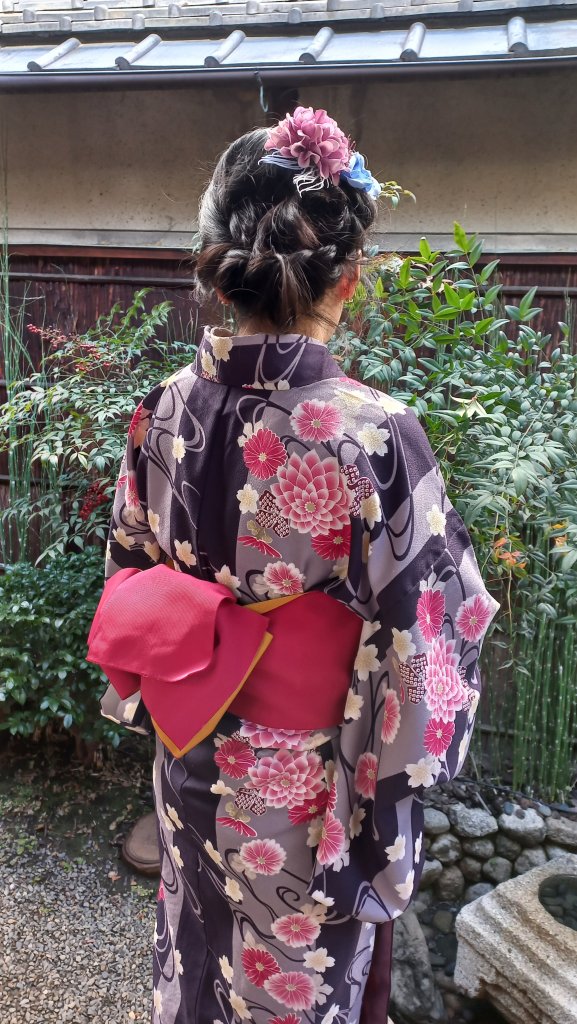
On the morning of Day 3, I booked to do a tea ceremony in a kimono. I had found this on Viator and booked in for the first session of the day. After getting to choose the colour of my kimono, I got changed with a lot of help. Underneath the kimono are layers of wraps to tighten and hold. I got my hair styled and accessories sorted and then off it was to the tea ceremony.
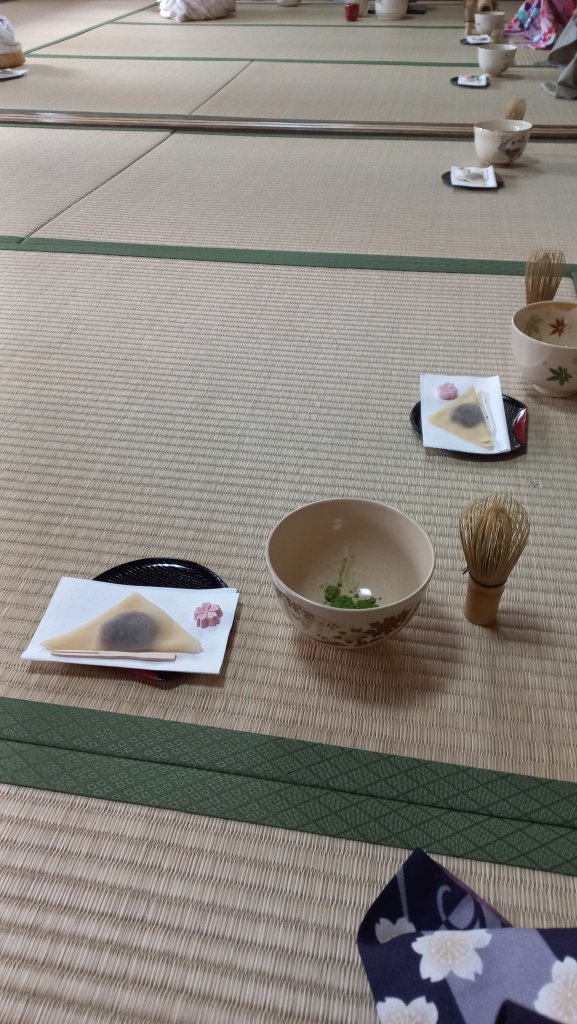
There were about 10 others in the room and our teacher told us about the origins of the tea ceremony and did demonstrations for us before we had a go at whipping up our matcha tea. Served as well, was a red bean sweet with a dusting of cinnamon on top and a small sugary sweet on the side.
Calm seems to not be quite the right word but from the explanations of our teacher, we were told we should eat the snacks first as you shouldn’t eat while drinking. Do one thing at a time. This was such a change from our daily lives of distracting ourselves when we are eating be that either reading or using our phones. I found the whole ceremony peaceful, revelling and paying attention to the sounds of the crockery hitting each other and even the brush when whisking our tea.
This experience reminded me to take more time when eating and to also enjoy silence and all the incidental noises too.
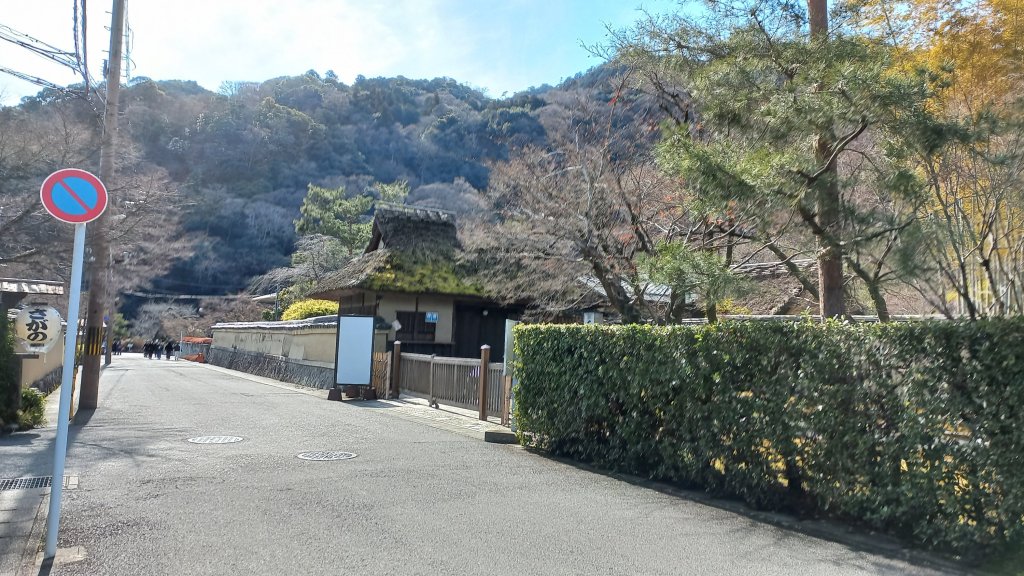
During the tea ceremony, I met another solo traveller and we decided to head to Arashiyama together to see the bamboo forest. I think we ended up transferring 3 times across train lines but we finally got there we decided to look for food first. My new friend had a place in mind which was the Tenryuji Temple Shigetsu– a vegetarian meal inside one of the temples.
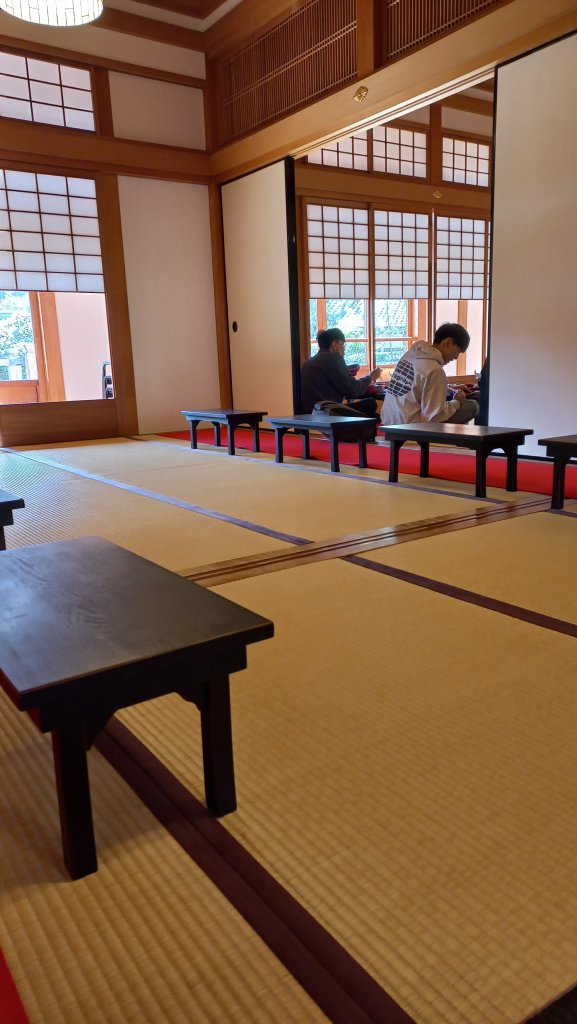
Inside, we were seated in a hall of sorts on the floor with a small table in front of us. It was pretty quiet inside despite the scatter of people and we were surrounded by mountains on one side and the gardens of the temple on the other.
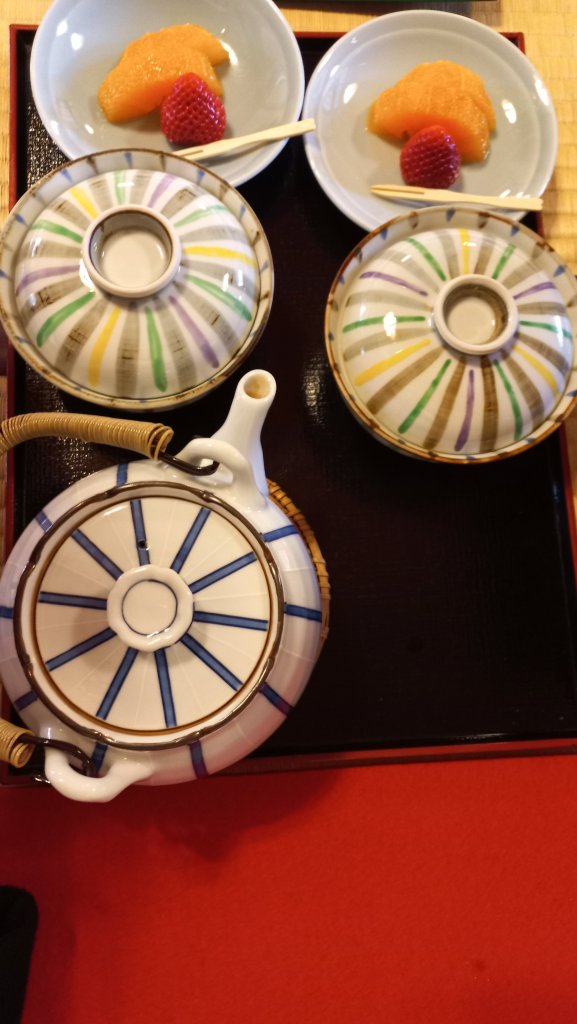
The meal that came out was beautiful as it was filling. Unfortunately, we couldn’t be 100% sure on what we were eating but it all tasted so good! There was a heated soy milk soup, tofu, mushroom and some picked/boiled vegetables. The heated soup milk soup was really tasty.
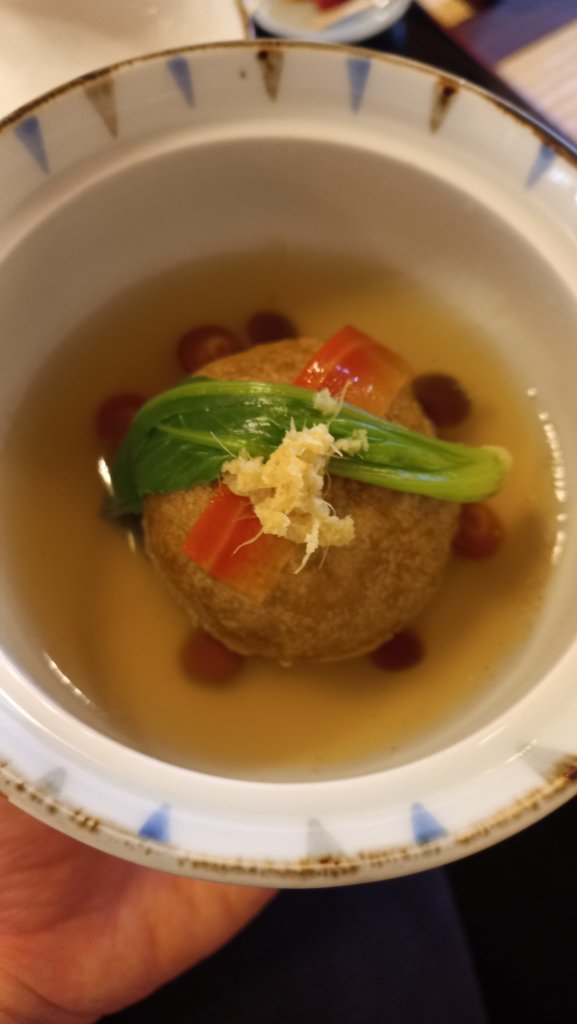
Then, another tray came out containing what I thought was all desserts. But the dessert was the fruit. Inside the bowls was a savoury soup dish containing mushrooms and a ball that tasted like it might’ve been made from chickpeas or something similar. It was such a lovely meal and an interesting restaurant. I would highly recommend it.
Inside the Buddhist temple grounds
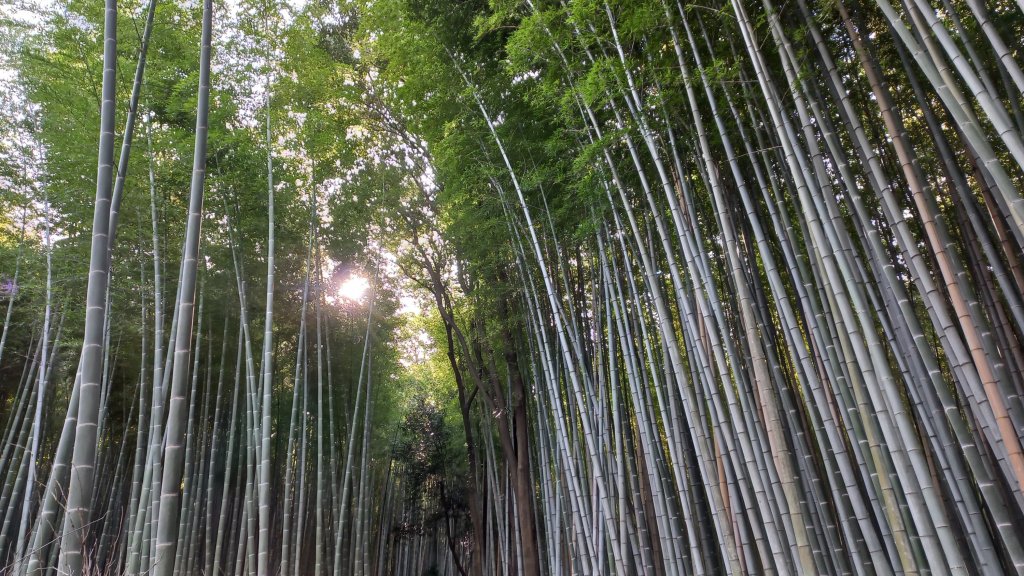
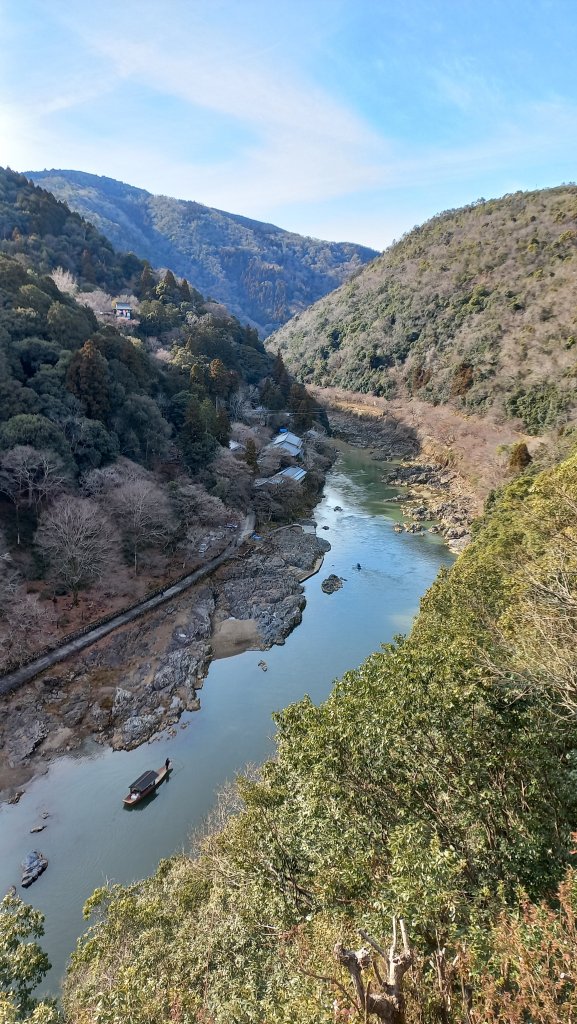
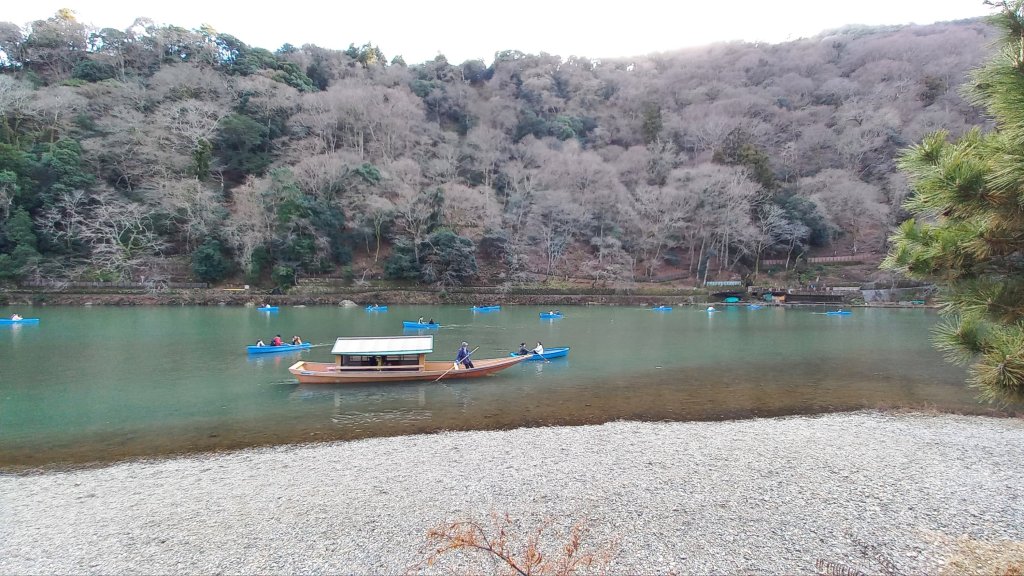
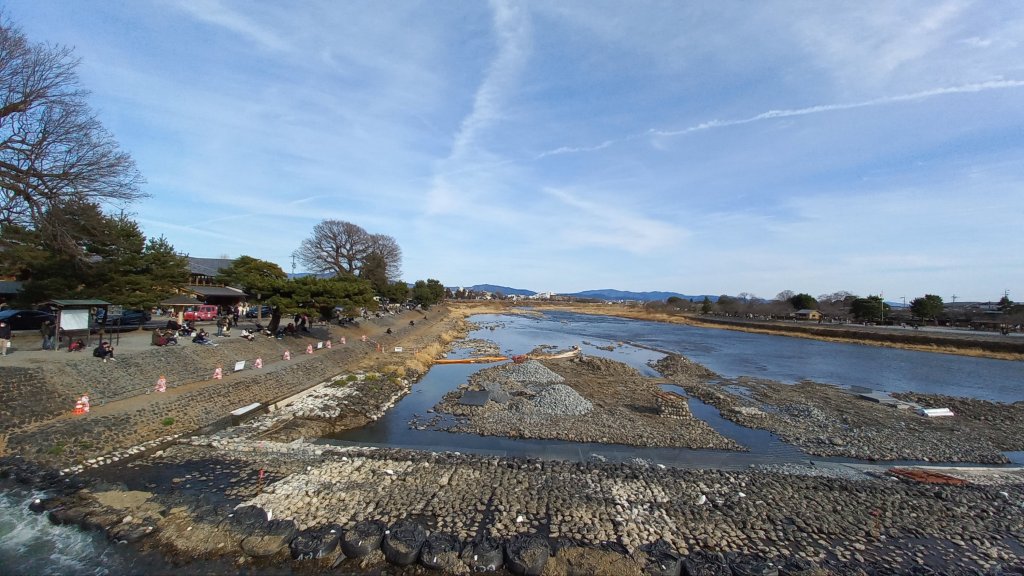
After our bellies were filled, we headed to the bamboo forest. It was quite busy but still enjoyable and I would advise to keep walking until you reach the end. Many people just tended to mill at the beginning of the walking path. We spent a nice time then walking through the adjoining park and made our way to the Togetsu-kyo Bridge. I can only imagine how beautiful this area would look in autumn or in spring. There were so many people enjoying the waterway on row boats and walking along the paths.
We found ourselves some ice cream near the lake chatting before sticking our heads into some stores near the station. After this, we headed back into the city and parted ways.
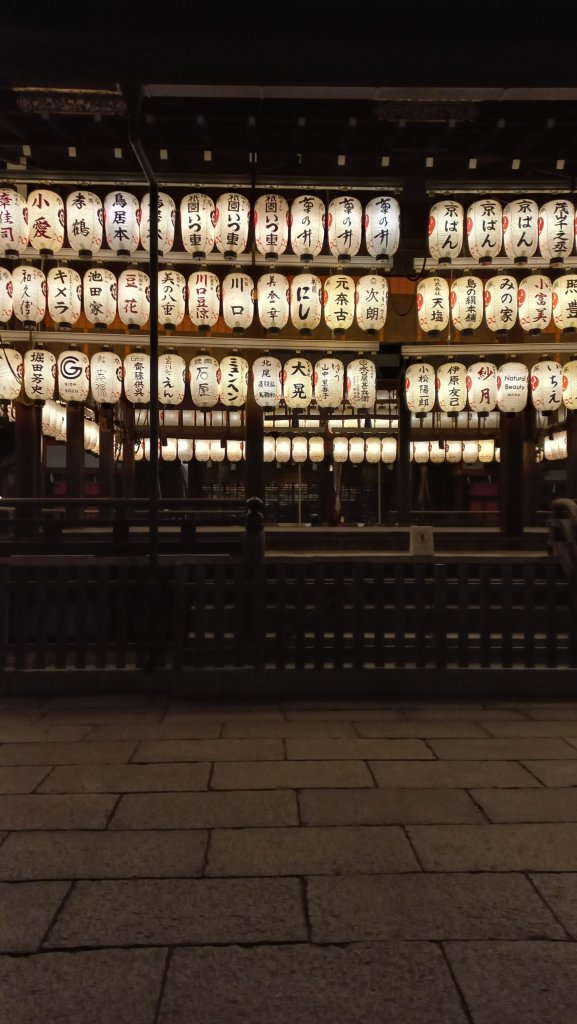
At night, I joined a walking tour that I had found on airbnb experiences. We spent about 2 hours walking in the Gion district learning about the world of Geisha’s and the many mainstream cultural misconceptions (apparently Memoirs of a Geisha is extremely inaccurate!). The Gion district is so beautiful and much more peaceful at night and it was nice to be able to learn more information from a local not only about the Gion area but also about shrines and daily life in Kyoto and Japan in general.
I recently used some annual leave to make a quick trip next door to Japan for 4 days. It was my first time in Japan and it felt like I was finally getting the chance to visit after hearing about how great Japan is from basically everyone. I picked Kyoto as I thought that the amount of days I had might be better suited to Kyoto and I was after a relaxing and cultural trip and not one for a busy city.
From Incheon airport, I flew into Osaka Kansai which was about a 2 hour flight. Getting from Osaka to Kyoto was only an express train ride away on the JR Haruka Express (you can buy tickets in advance here for a cheaper price than at the train station). It’s about an 80 minute train ride. Upon arrival at Kyoto Station, I found a place to have lunch and then walked to my accommodation which I had purposely booked to be in walking distance.
One thing to note about the train lines in Japan, they are all privately owned and by different companies. It is super confusing at the train station because each company will have their own ticket vending machines. It would be best to get a travel card that you can load money on to tap on and off. For my trip, I went with the IC card.
Eager to not waste any time, after checking into my accommodation, I walked to the Kiyomizudera Temple which is a temple with a wooden stage on the side of a hill. It is said that this wooden structure is not held by any nuts and bolts but by interconnecting the wooden beams together. Walking there, I was able to see the surrounds of mountains, pottery stores and traditional style houses.
To get to the Kiyomizudera, you need to walk through the bustling uphill streets below Higashiyama District. Here, you will find plenty of souvenir and snack stores to peruse on your way either up or down. It was really crowded when I went and it was on a weekday!
On the temple grounds, you are able to walk around to see other parts of temple below as well but the main attraction is the wooden stage. The temple closes at 6pm and many of the stores and restaurants in the surrounding street were closed at 5pm.
Day 2
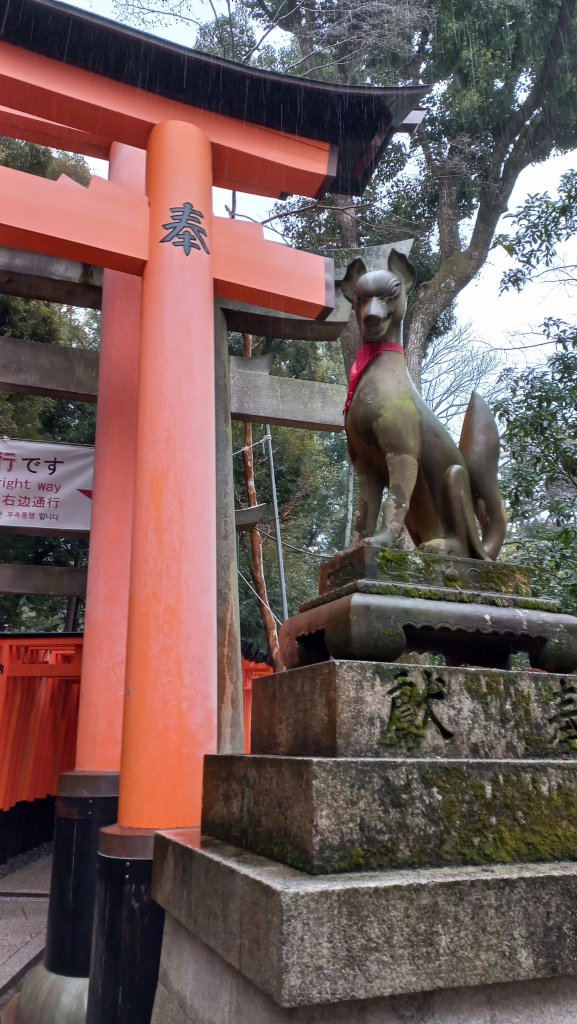
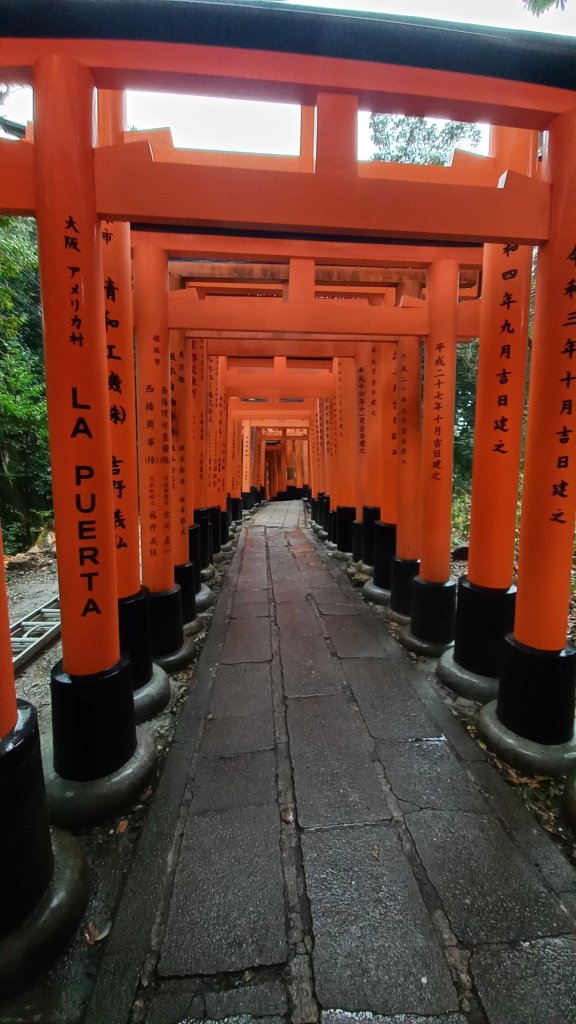
Up nice and early on Day 2, this morning I was headed to the Fushimi Inari Shrine which is infamous for its orange gates. A shinto shrine, it is free to enter and walk around. A helpful tip, you should definitely go early to avoid the crowds and tour groups. I didn’t walk all the way to the top as it was raining the whole morning and also I was short on time. Maybe next time! It is such a serene and peaceful site. I really enjoyed my morning there.
On my way down, I was already hungry but it wasn’t quite lunch yet so I stopped into the Fushimi Inari Sando Chaya dessert cafe (because why not?) and had myself a baked mochi with red bean and soybean powder. It came with a tea and some strips that tasted like salty plum but I am unsure what it was. Together, the tastes of the sweet red bean, chewy mochi and sour/salty plum was such a delight with the array of tastes going on.
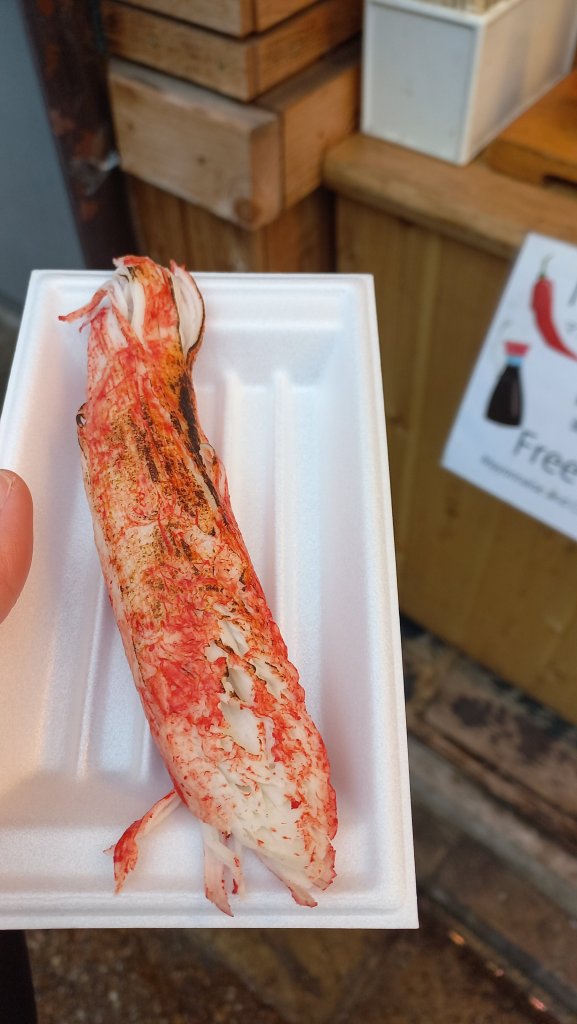
Across the street, I spotted a man selling seafood which he would then bbq. It took my a good few minutes to decide if I wanted a crab leg (I guess this day was already back to front starting with dessert) so decided to try one, It was so good!
Wanting to fit another site in, I stopped next at the Sanjusangen-do Temple, which is on the same train line as the Fushimi Inari Shrine. This temple houses 1000 golden kannon statues inside. Infront of them are 28 statues of guardian deities and in the middle there is a huge buddha statue. It’s amazing because these are all made of wood and then covered in gold leaf. The details are craftmanship are extraordinary. Pictures were not allowed inside but it was such a sight to see (and you can google them). The grounds were quiet with the smell of incense in the air. You can walk around the grounds before or after.
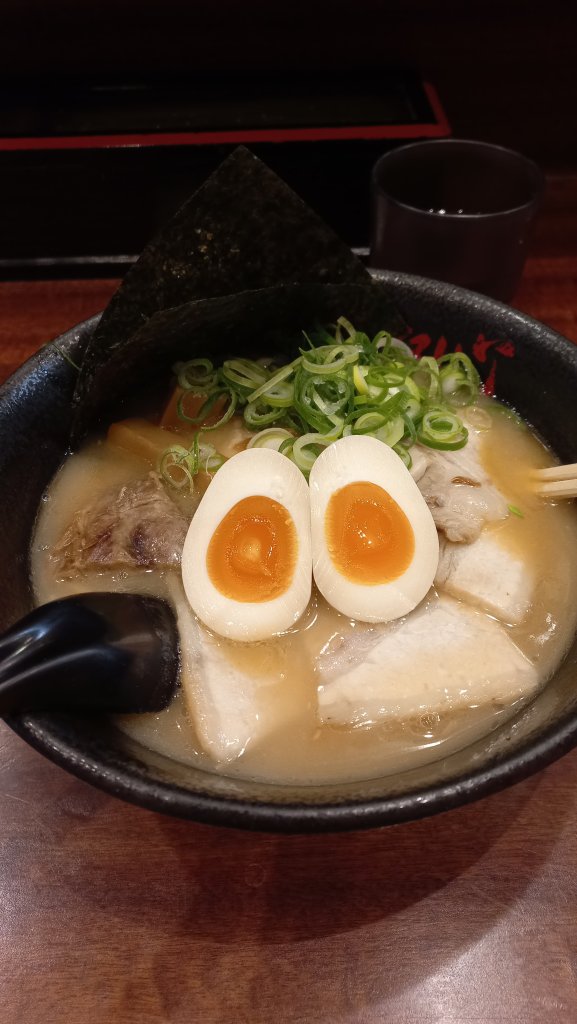
I went back onto the train and headed to the Gion district to have lunch. I found myself a ramen restaurant and was the only one in the restaurant! I had a walk around the area which is one of the geisha districts in Kyoto. There is little signage around of what the restaurant or cafe or shop might be so you will need to take your trip to have a look around or research beforehand. I guess this added to the old district feel of the area. I also stopped by at the Yasaka Shrine to have a look.
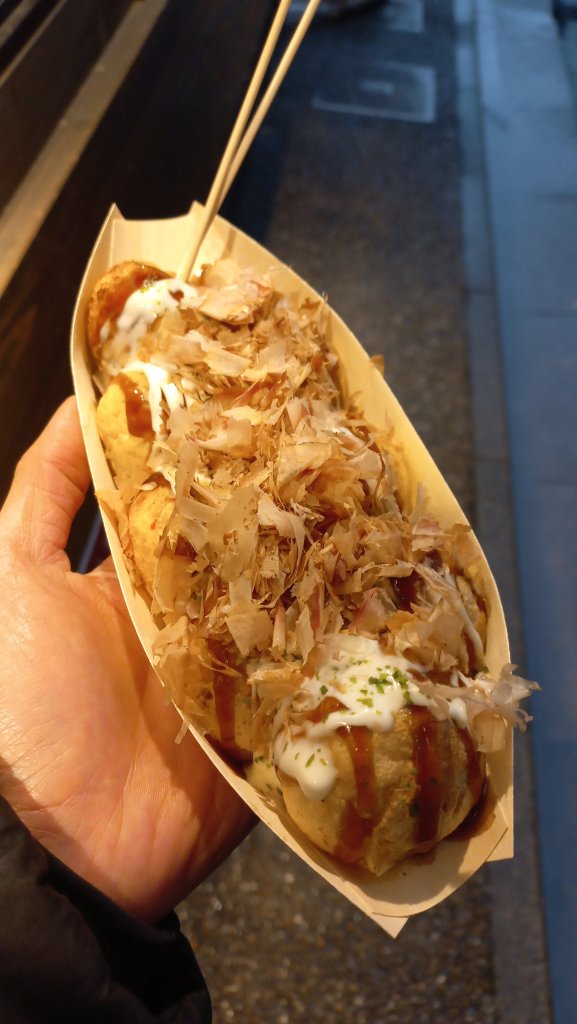
I then headed to the Nishiki Market where you can find restaurants, snacks, souvenirs and fresh food. I had myself a shot sake for 100 yen and my dinner was takoyaki which had a good chunk of octopus inside. Attached to Nishiki Market is actually another mall that runs perpendicular to it (closer to the Kyoto-Kawaramachi Station side of Nishiki Market) which has so many stores. If it’s raining and you’re looking for somewhere indoors to explore, try here!
After ALL the walking, it was time to head back to my accommodation to sleep and be ready for Day 3.
For the food adventurers, fruit in another country is an exploration on its own. Whilst I may have tried similar fruits to be these back home, more all of the below fruits, this was my first time buying and trying them. I’ve not included widely available fruits likes apples, strawberries and persimmon (I think persimmon might be easily found nowadays?)
Korean Pear
Similar to a nashi but more watery, the Korean pear is available all year around but are cheaper at the end of summer. They are very juicy and have a sweet taste to them. They all large in size and heavy! Apparently they are good to eat when the seasons change. The skin is quite tough so it is best enjoyed without the skin.
Jujube
You may have seen these in the dried version- red dates. They are quite popular across Asia particularly in hot drinks, desserts, soups or eaten dried. This was the first time I had seen and tasted the fresh version. They are like a little crunchy apple. It is slightly sweet, somewhat juicy and contain a hard seed inside (not edible!). They make a great snack and are one of those good health foods that are full of vitamins. These are found towards the end of summer and are a popular Chuseok fruit. The browner they are, they sweeter and riper they are.
Shiny muscat grapes
THE grapes to try. A bunch of these grapes will probably cost you around 10,000 won on a good day. Imagine grape flavoured lollies….this is exactly what it will taste like. These can be found almost all year round but are great mid-late summer.
Campbell Early Grapes
I felt like this had a deeper flavour than the shiny muscat. Really sweet, the skin detaches easily from the inside. I wasn’t sure if you were suppose to eat the skin or not but I alternated between eating it and not eating it. The skin is chewier than the shiny muscat grape. Best around mid-late summer.
Tangerines
I have seen these tangerines available starting in summer but it is in winter that these are sold everywhere. Most are seedless and sweet. They are often sold in packs or bags of 10 but these are sure to be easily consumed! A taste of Jeju!
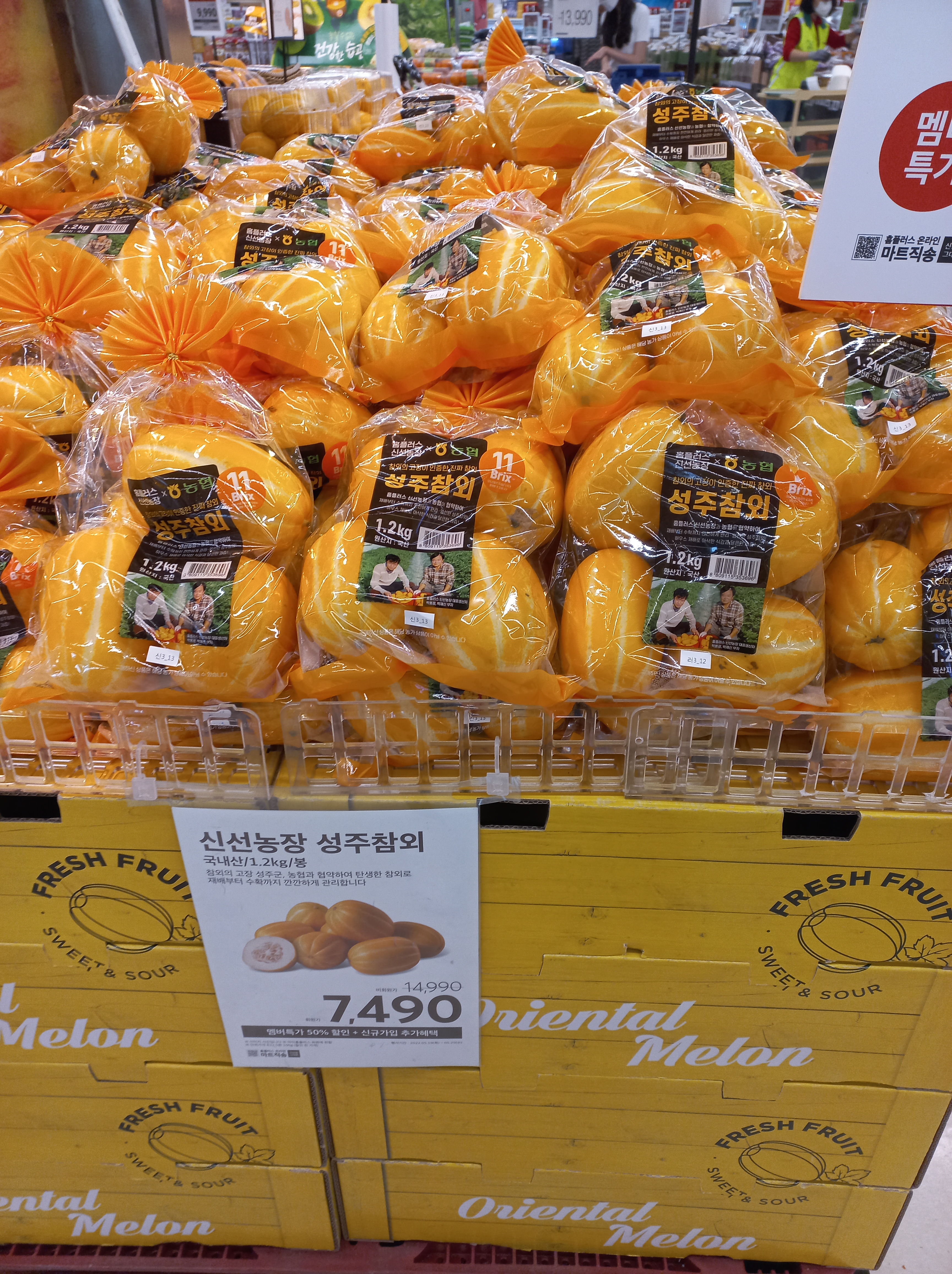
Korean Melon (Oriental Melon)
Readily available during summer, these melons are sweet and yellowish on the inside. It has the texture of a rock melon but is smaller. There are many seeds in the middle that cannot be eaten.
Hallabong Oranges
Available mid winter, you might smell these before you see them. They are so fragrant and seemed freshly picked once they all appeared in the supermarket. The season for these is quite short. They are sweet, tangy and have that aroma of ‘orange when you squeeze the skin’.
Which of these would you something that you would try/have tried? Thoughts?
You must be logged in to post a comment.