• Exploring Kyoto: 3 day Itinerary

    Kyoto, the city that offers both modern day and tradition in close proximity to each other. A popular city for visitors when travelling to Japan, Kyoto is one of my favourite cities so far that I’ve been to in Japan. Offering outdoor peace and not as busy and shopping heavy as Tokyo or even Osaka, if you’re looking for a peaceful place- Kyoto is it. The itinerary here is for first timers in Kyoto who want to see the main attractions. I’ve grouped them together so that you won’t be travelling from one side of the city to the other side. Bear in mind that Kyoto is quite big and it will likely take about 30 minutes from the city centre to some of these sites either by train or bus (or walking).
    Day 1

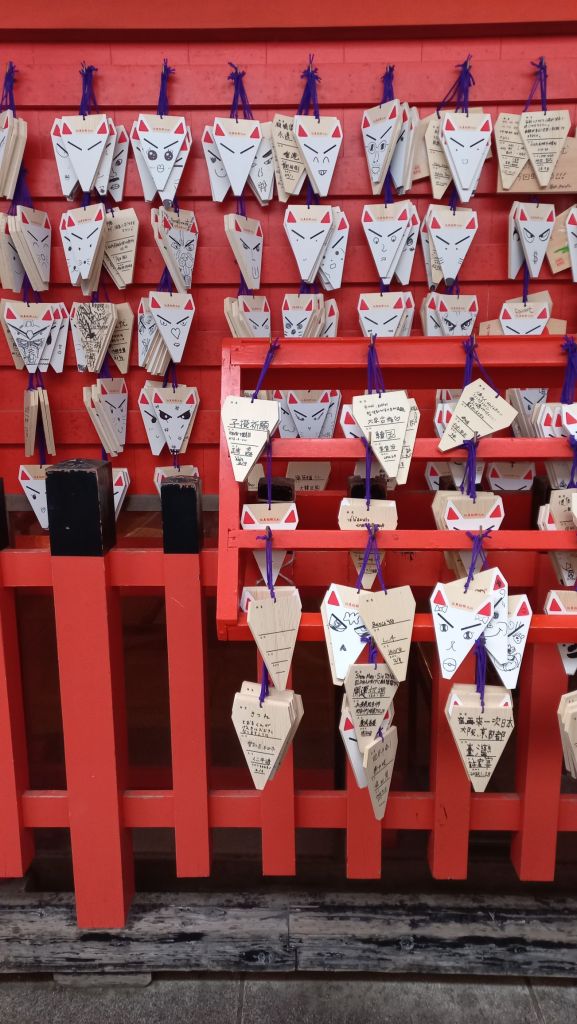
    Take the train to Fushimi-Inari Station where you can easily walk to the Fushimi Inari Shrine. Entry is free and it is advised to go early if you want to beat the crowd and tour buses. Walk through the Torii Gates in this area of quietness and nature. If you decide to walk all the way up to the top and around, set aside about 2 hours. There are lots of stairs but not very challenging. If visiting in the warmer months, I would advise to put on insect repellent!

    After your visit, eat lunch nearby or head back onto the same train line and go a few stops later to Shichijō Station to visit the Rengeō-in (Sanjūsangen-dō) Temple. Inside, there are 1001, life sized wooden statues of Kannon, the goddess of Mercy. The temple hall is Japan’s longest wooden structure at 120 metres. There is no photography allowed inside but you can find some pictures on google. Entry is 600yen.

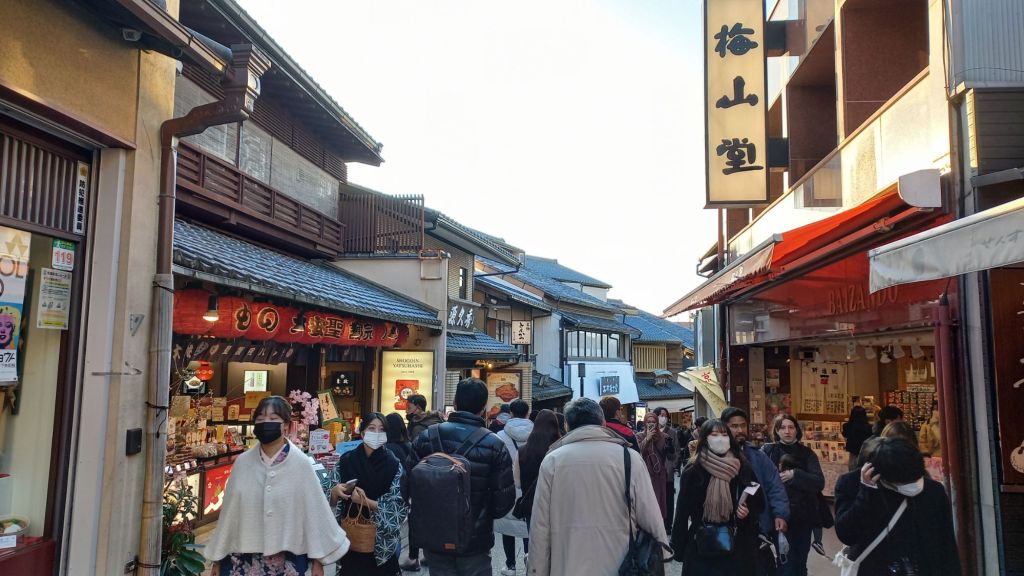
    Hope back onto the same train line and go one stop to Kiyomizu-Gojō Station where you will get off and walk to the Kiyomizu-dera. It’s a fair walk and uphill too with plenty of souvenir and snack stores. Kiyomizu-dera is a temple with a wooden terrace that overlooks Kyoto. It was founded in 780 on the site of the Otowa Waterfall, which you can still go to at the base of the wooden terrace. There is a small entry fee.

    Day 2

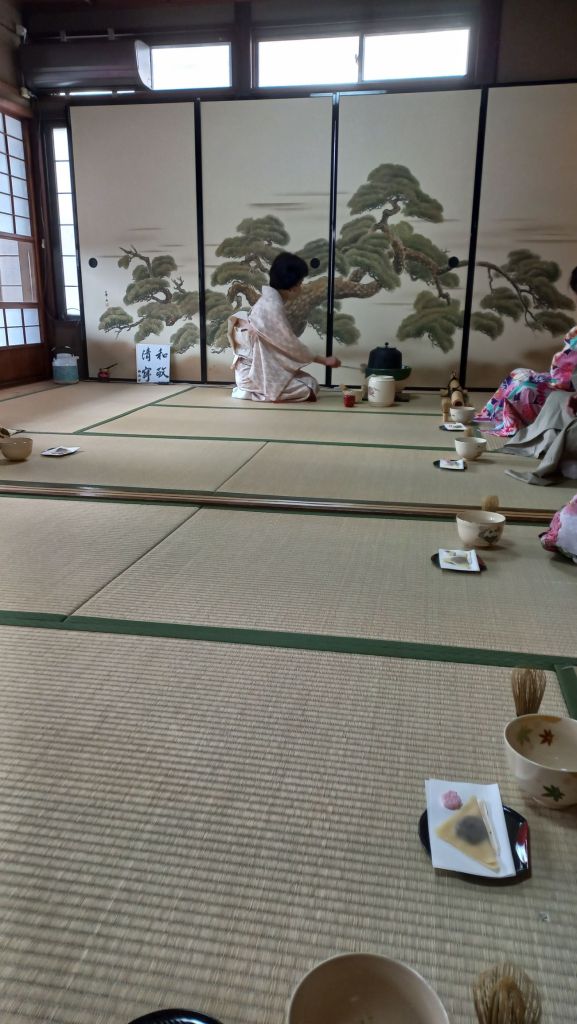
    Start you day with a cultural experience at a Traditional Tea Ceremony whilst getting to wear a kimono. I went with this Viator tour which I recommend! Ensure to book well in advance as spots get booked out quite quickly. Here, you’ll learn about the art of matcha tea making and get to enjoy some traditional sweets (wagashi) in a peaceful and traditional setting.

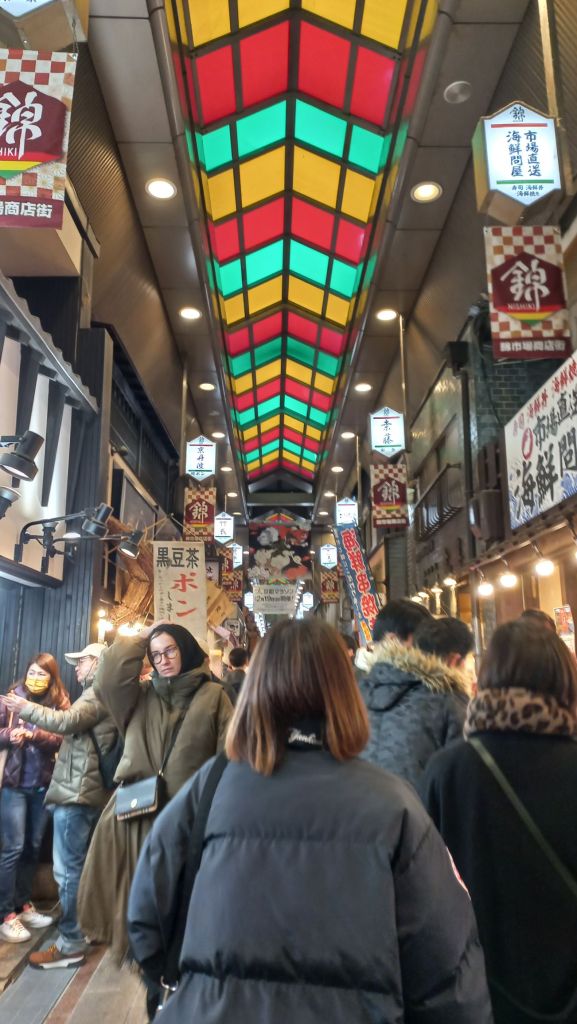
    Next, walk to the nearby Nishiki Market for lunch where you’ll be tempted with seafood, local food plus souvenirs. A site for a market almost 400 years ago, this 400 metre market today is busy. Pick up some lunch, snacks or sake! On the east side, Nishiki market joins with a popular shopping arcade with more restaurants and shops if you feel like continuing to browse.

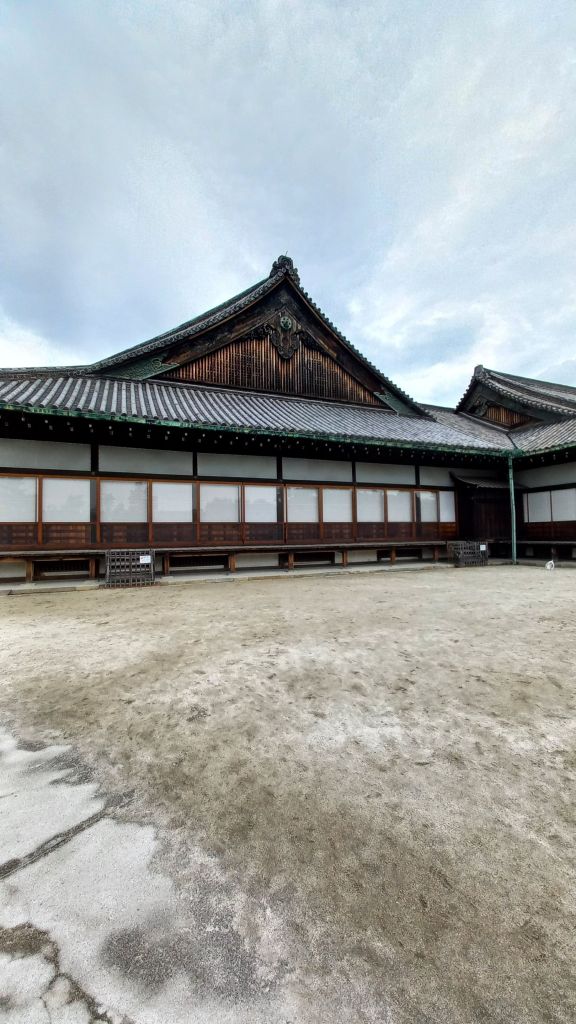
    Next, catch the bus to Nijo Castle. Completed in 1603, it was the residence of the founder and first Shogun (military rulers). You can enter the palace complex where you must take your shoes off and follow the guided path around (which is a nightingale floor! so you’ll hear the constant chirping beneath your feet). You can look into each room, some of which are beautifully decorated or feature an impressive ceiling. You can also take a walk in the gardens before or after. Admission to the castle only is 800 yen.

    Day 3

    Start you last day with taking the bus to Kinkaku-ji (Golden Temple), a historical golden temple which was used to house relics of Buddha. Entry to the pagoda is not allowed but the picturesque gardens and grounds are beautiful. This site is quite small compared to the other popular sites around Kyoto so again, it is advised to go early. There is a directed path through the gardens which is like a U-shape and takes you through to the exit.
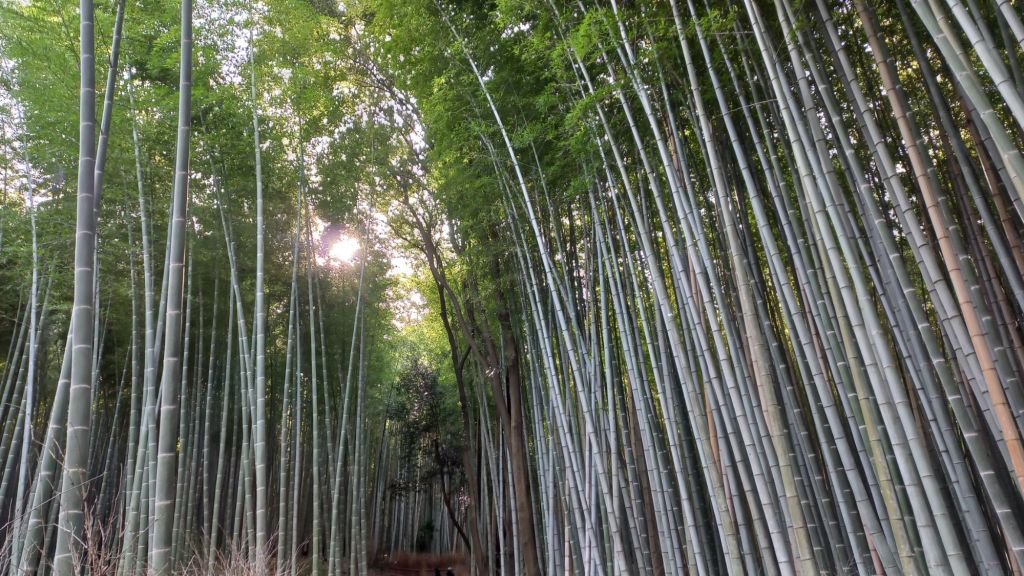
    Take the 2 trains to get to the west of Kyoto to Saga-Arashiyama Station. Here, you can feel more space and at peace with wide views of the mountains and Katsura river. Have lunch at one of the many popular restaurants located just outside the train station (or take a walk to one of the restaurants nearby in quieter streets) before heading to the Arashiyama Bamboo Forest. Most people tend to mill about at the entrance of the bamboo forest so the further in you walk, the less people there will be. Take your time walking through the Arashiyama Park Kameyama Area or even along the river. There are plenty of places to sit to take in all the beauty or at a nearby cafe.
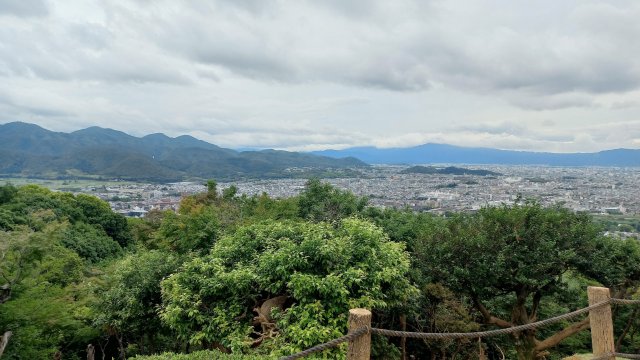
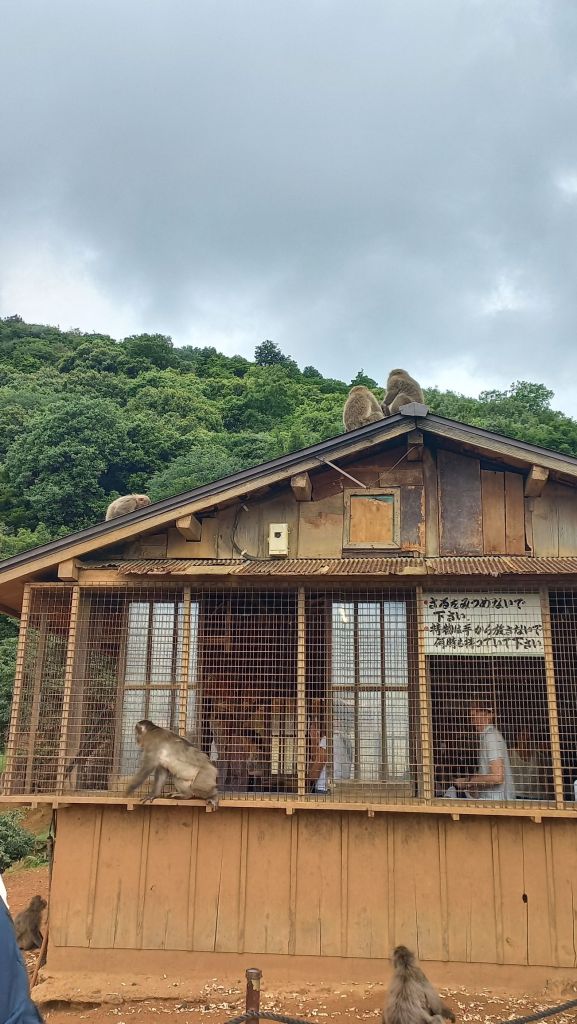
    Cross the famous wooden Togetsukyo Bridge and follow the signs to the Arashiyama Monkey Park Iwatayama. It is a steep uphill walk to the Monkey Park so good shoes (well, good shoes are advised regardless due to the amount of walking) are a must but you are rewarded with a beautiful view over Kyoto and of course, cute monkeys. Entry is 600 yen and can you spend some time standing or sitting, watching monkey business. Inside the park, there is a feeding room where you can buy a small bag of nuts to feed the monkeys. Note that the park closes at 4pm so allow enough time to walk up and down.

    And that’s it, your 3 day itinerary to see some of the highlights in Kyoto. Have you been to Kyoto? What were some memorable places that you went to?

    Related Posts:
    Cute Things In Japan
    Exploring Japanese literature: my booklist
    Sightseeing in Tokyo Day 1 and 2

  • Cute Things In Japan

    Kawaii is a term you may have heard before. In Japanese, it means cute or adorable and can be used to refer to people or items. If you know Hello Kitty or Pokemon, then you’ll have a good idea of what is means for something to be kawaii. I was intrigued that you can also describe someone’s handwriting as kawaii.

    There is also the whole aesthetics of being or dressing kawaii which is also controversial in that the way of thinking that women have to be so and emphasising that one must be forever youthful.

    The economic impact of kawaii culture also can’t be ignored. Just think about how far the likes of Hello Kitty, Studio Ghibli and Pokemon have spread around the world with the target audience not always being kids.

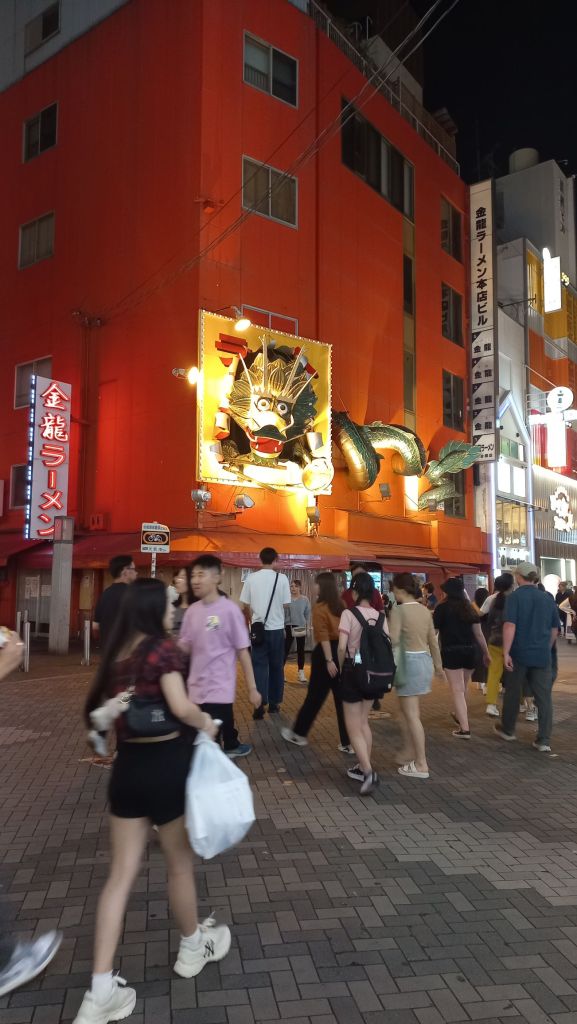
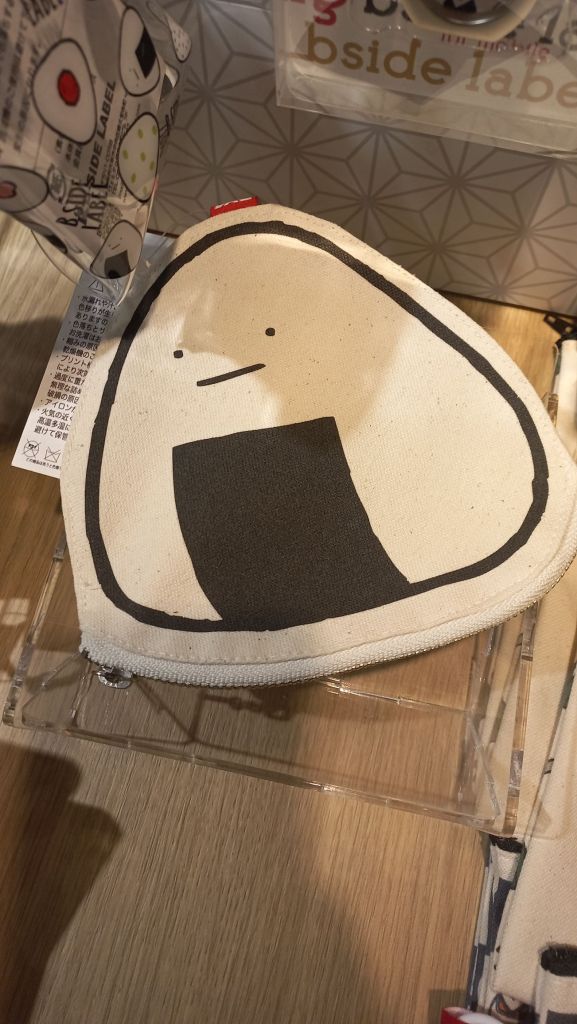
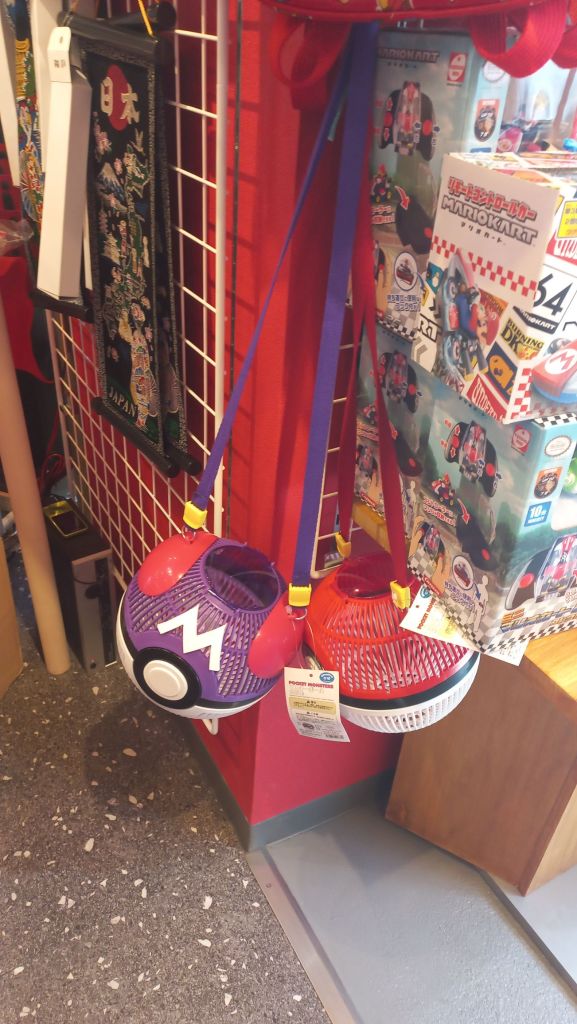
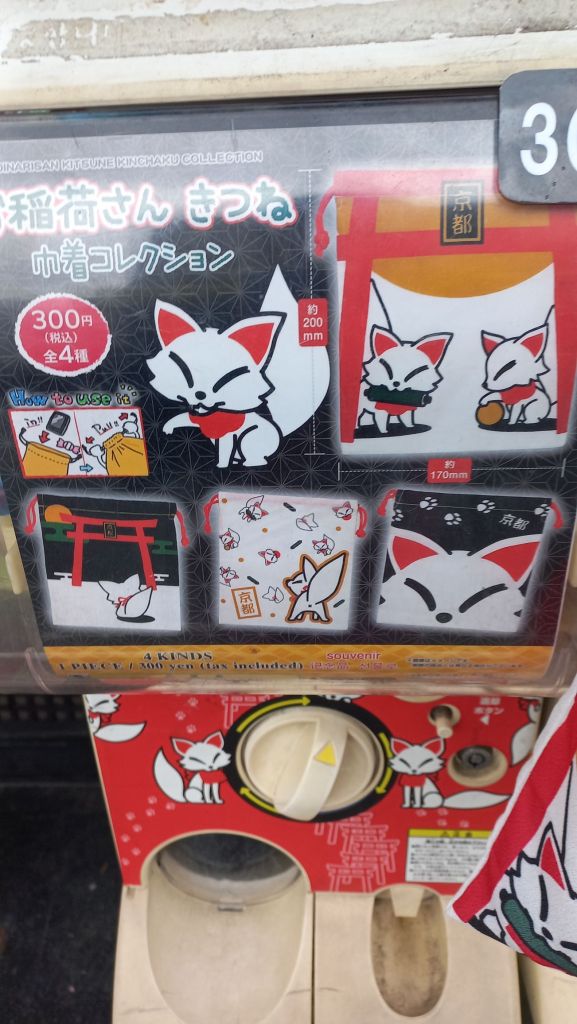
    Personally, I think kawaii culture is infused in daily life in Japan. It’s morphed in along with the Japanese aesthetics in general of appreciated each thing as it is and how items sit in space/nature. Below are some pictures that I’ve taken that seem quite cute to me. Growing up in the west, there has been trickles of kawaii items but it is not readily available or seen. Of course, Japanese cartoons were very much present on TV’s here and on some stationery when I was a kid. As I’ve grown older and read more about the culture of Japan spreading out into the world and how this came to be, I have a new found appreciation for kawaii items however I’ve yet to find the perfect kawaii bag.

    Food

    Environment

    Objects

    Do you associate kawaii culture with Japan? Are you tempted to buy these items?

  • A Transit Stop in Brno, Czech Republic

    The Czech Republic is full of surprises. On this particular trip, it was my second time setting foot in the Czech Republic and I was still mesmerised by the towns that I come across.

    Brno is not usually a town that probably makes the list of places to visit in the Czech Republic. For me, it only came onto my radar because the road would loop us back into Poland so was a good place to stop for the night to rest before hitting the road again. It was more a convenience stop and in hindsight, it would have been worth having a full day just to explore.

    Brno is the second biggest city in the Czech Republic after Prague. But there is a huge difference in population. Prague has a population of roughly 1.3 million whilst Brno has a population of around 390, 000.

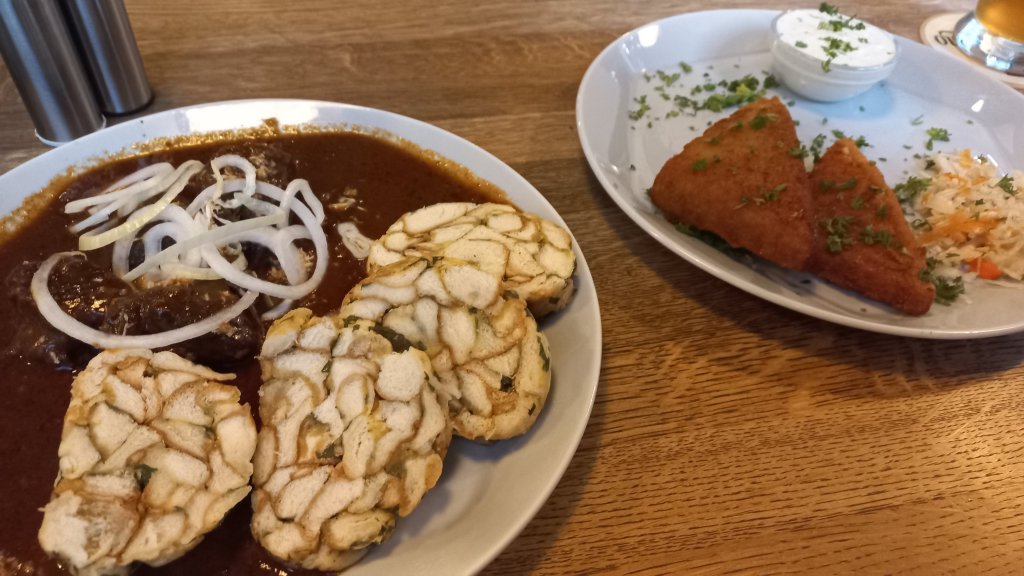
    We arrived in the evening and after checking into our accommodation, were eager to explore the old town area and find some food. Prior to arriving, we had just been in Vienna and were so happy to be able to be met with a decent portion of food for a lot less of a price. When I had visited the Czech Republic many years ago and do remember being impressed by the architecture, but I had been blown away by the food. This time however, I was also blown away by the food. Consistently at every meal and with the beers.

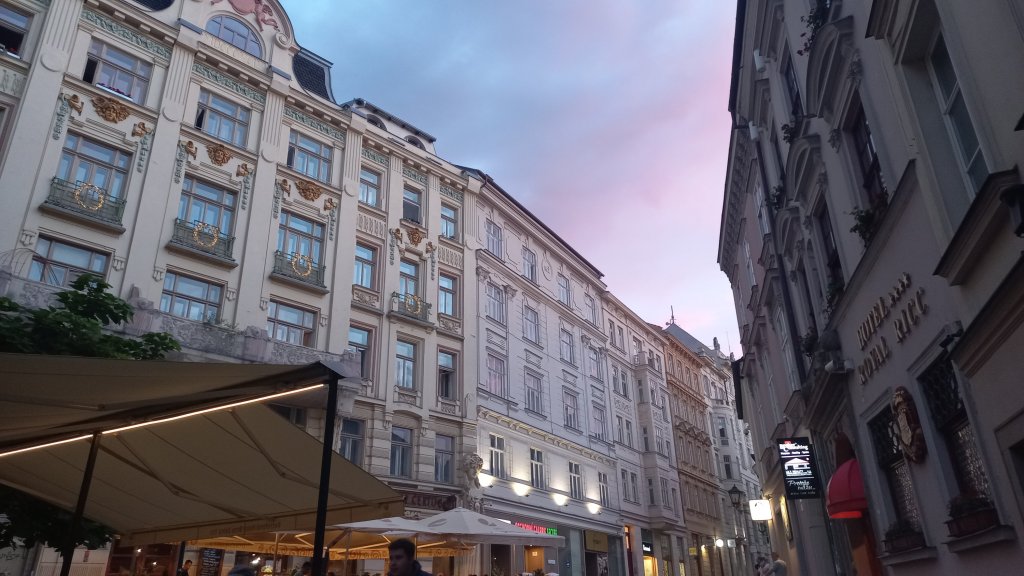
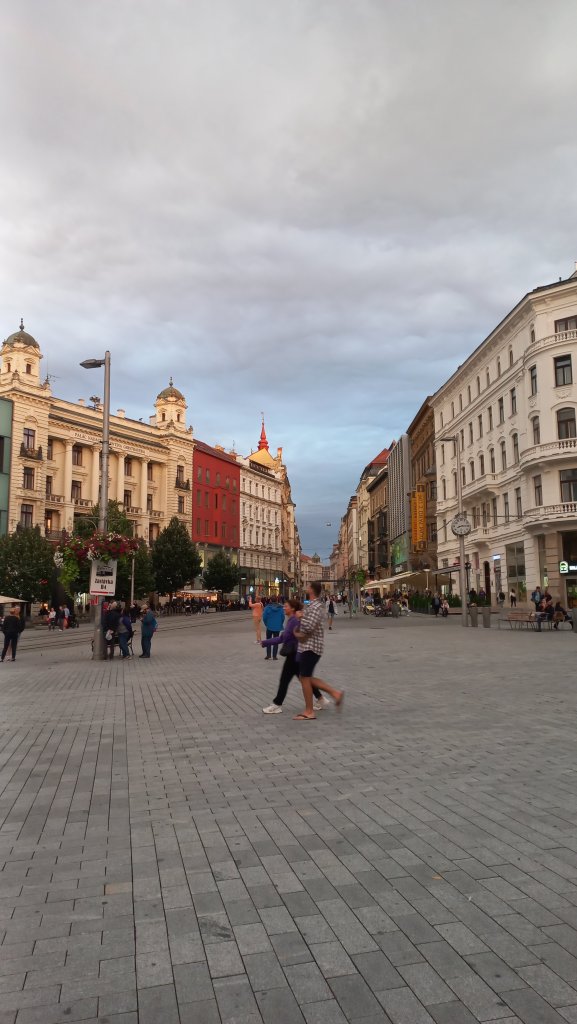
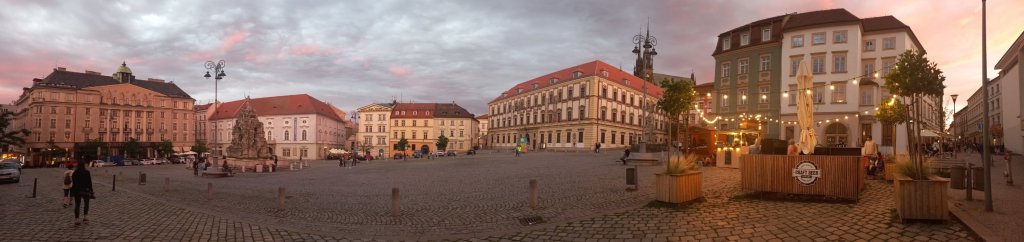
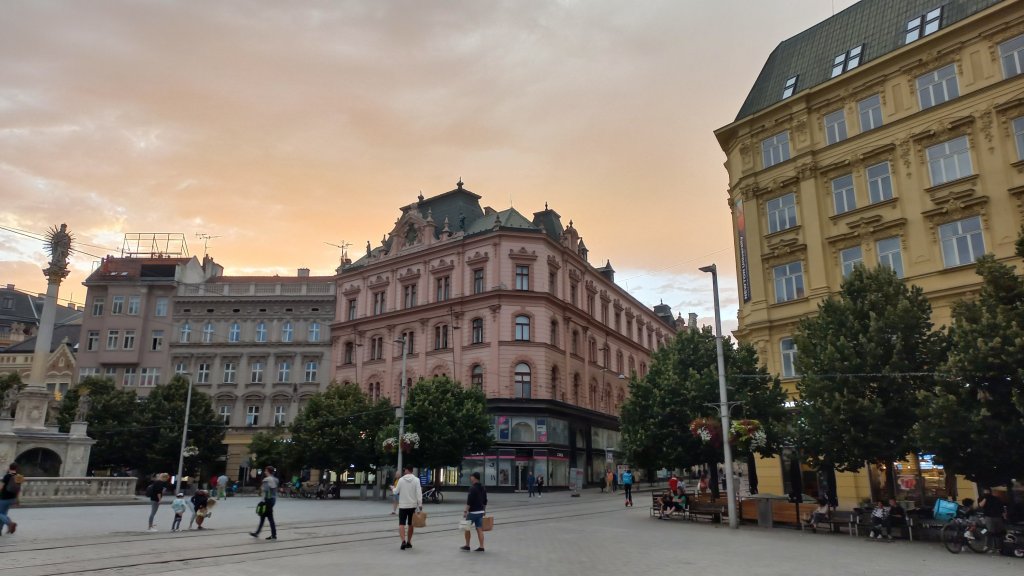
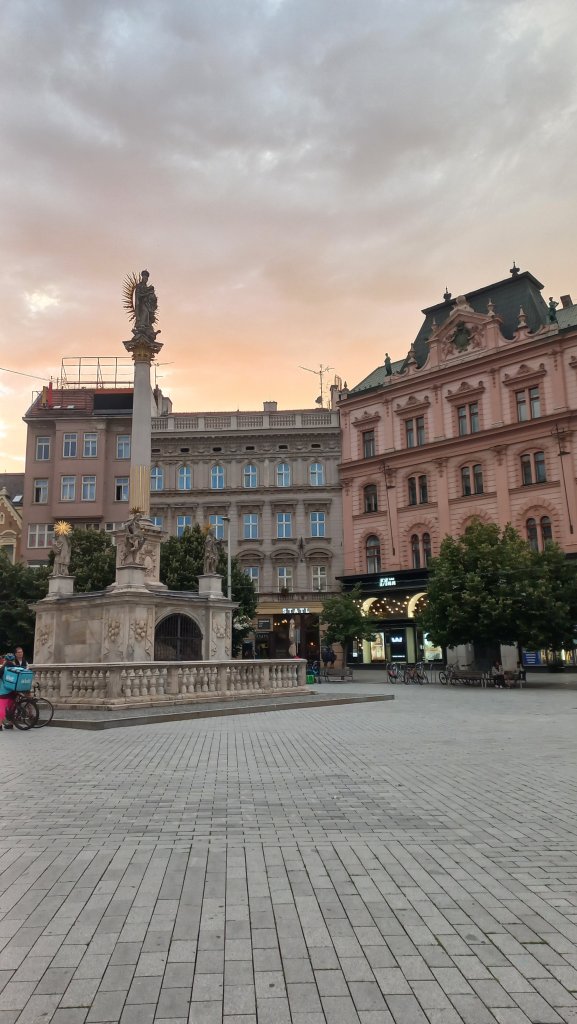
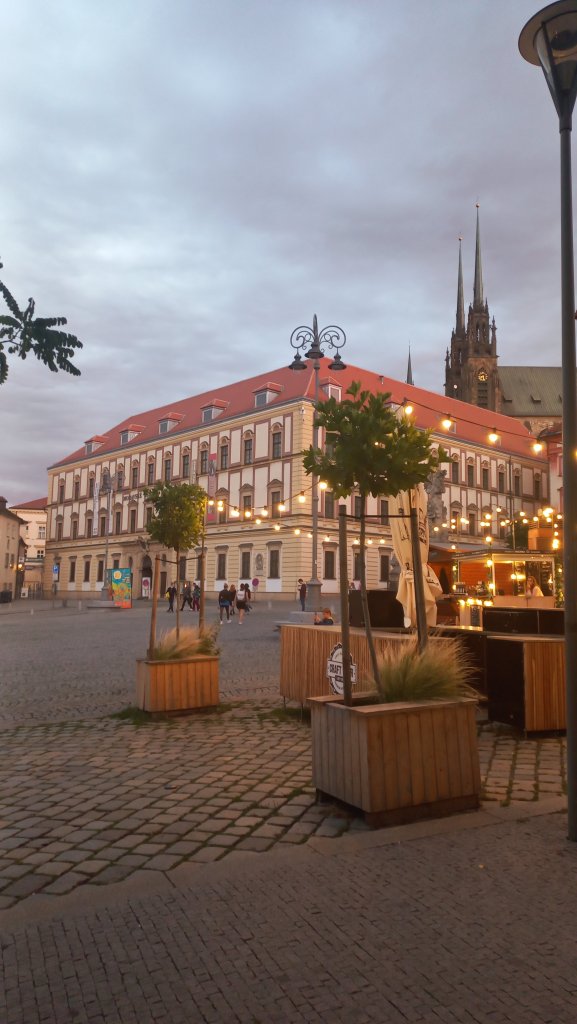
    The Old Town is huge and almost had a big town feel to it. Restaurants with outdoor dining were full. The square was huge and lined with Renaissance style buildings (and probably a mix of other styles). The cobblestone paths, not really a road in this case, was completely pedestrianised with a tram line. Walking around at sunset, it felt safe and lively.

    The next morning, I did visit the Cathedral of St. Peter and Paul which you will not miss as it towers above the city centre. The altar, stained glass windows and general interiors are worth seeing.

    Picture courtesy of By Kirk – Own work, CC BY-SA 3.0

    I’ve made note of these places to explore for next time:

    • Papilonia: a butterfly house housing and small birds
    • Špilberk Castle: exploring a medieval fortress and former prison
    • Moravian Museum: Brno was the former capital of Moravia (the historical region). I think this museum would be interesting to learn more about the history of the area.
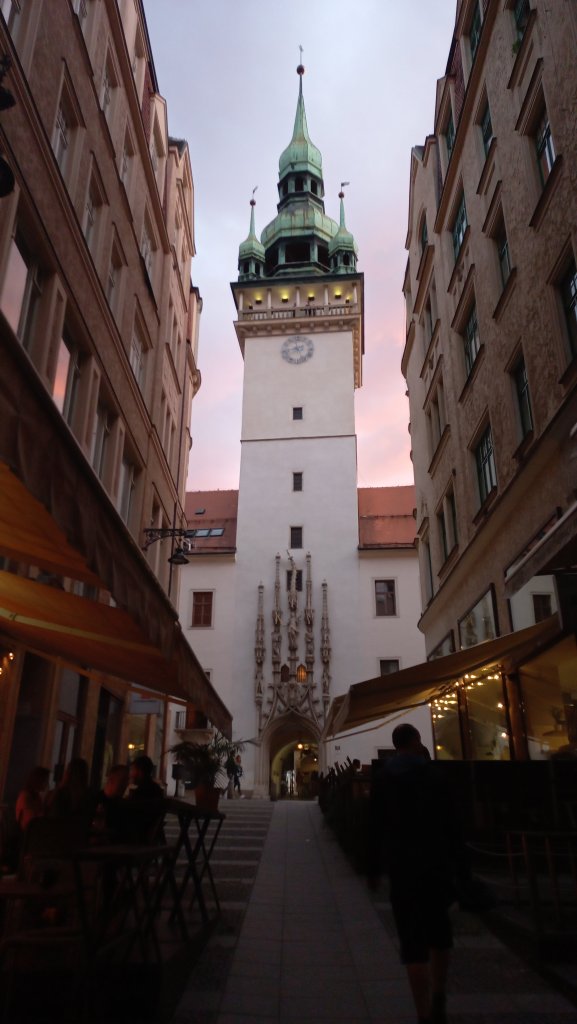
    • Old Town Hall- paid entry. The tower can be climbed in summer.
    • Take a Labyrinth Tour Under the Vegetable Market

    If you’ve been to Brno before, what did you think? Would you add this charming town to your next itinerary?

  • Deoksugung Palace

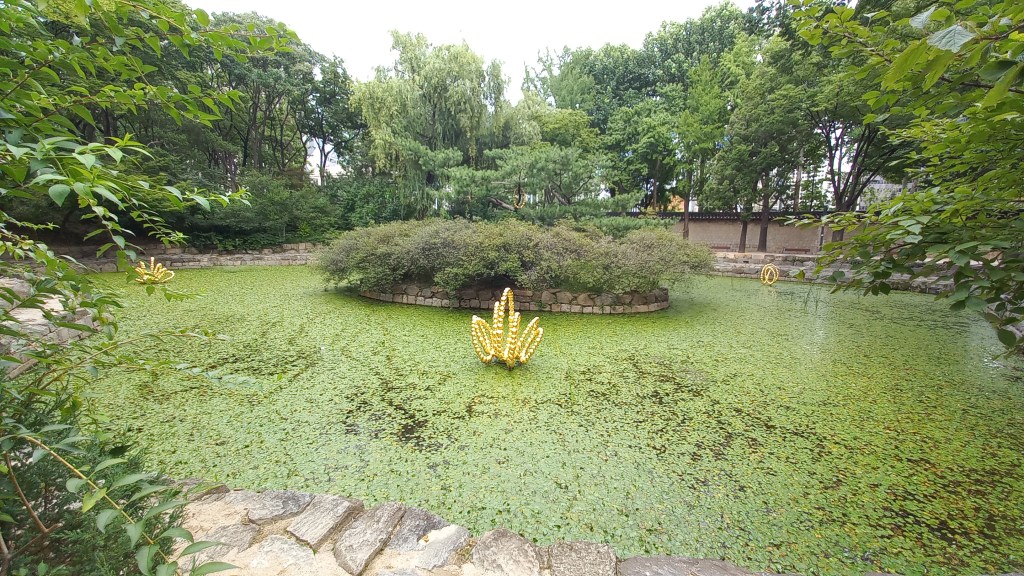
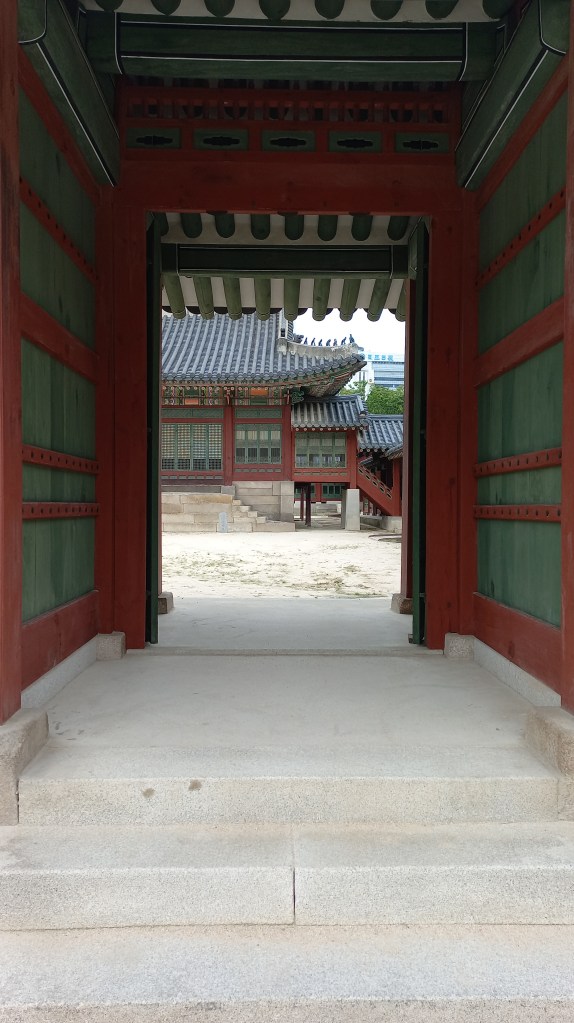
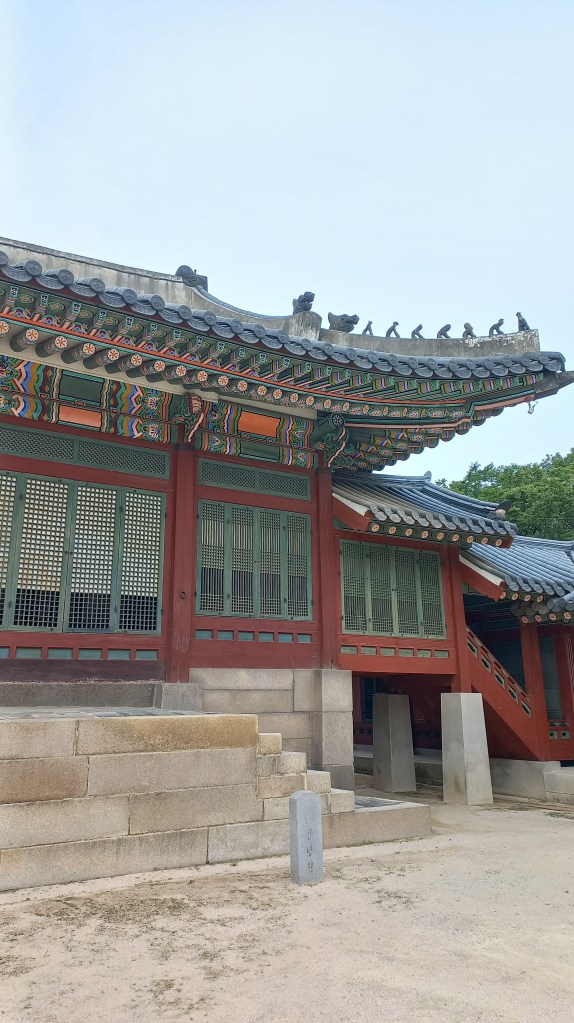
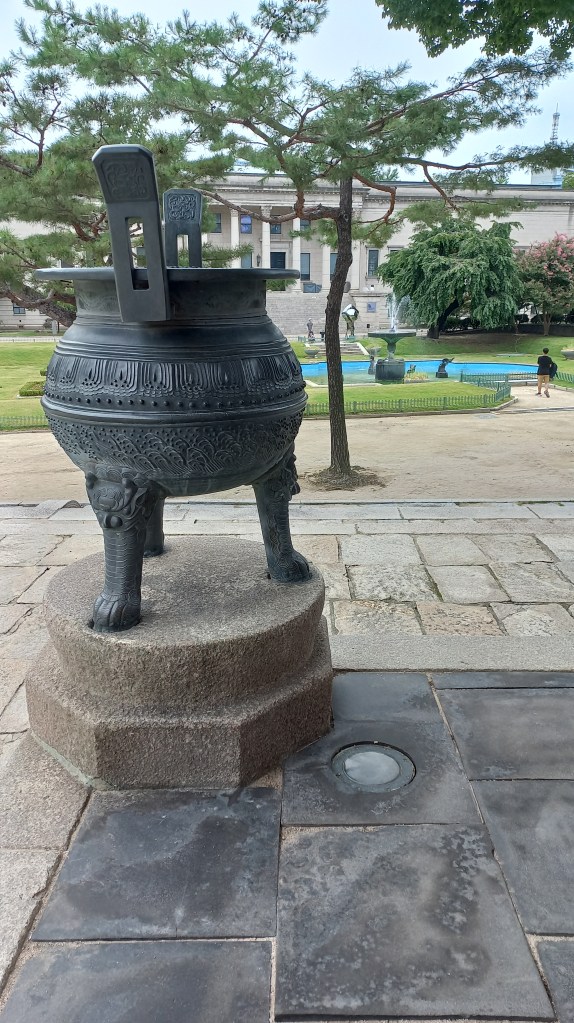
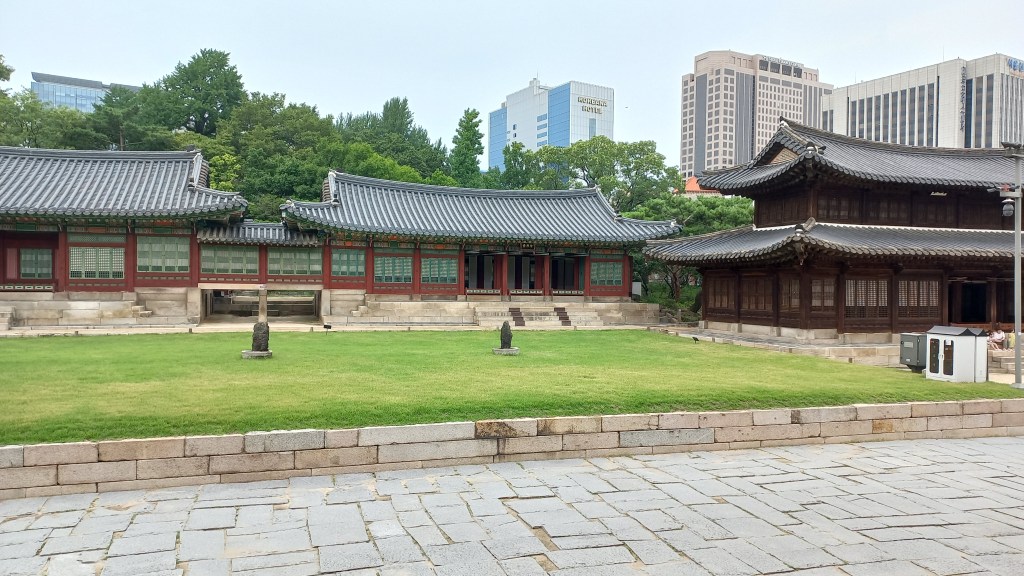
    Deoksugung Palace is located at City Hall station and was initially used as a residence Grand Prince Wolsan who was the oldest brother of King Seongjong. This palace is surrounded by modern skyscrapers and feels like a walking through a secret garden portal. This palace used to be lived in by Korea’s royal family up until 1910 when the Japanese invaded. I was surprised to read that what we see today within the palace, is one third of the grounds that it use to have and the buildings that exist within are one tenth of what it use to be.

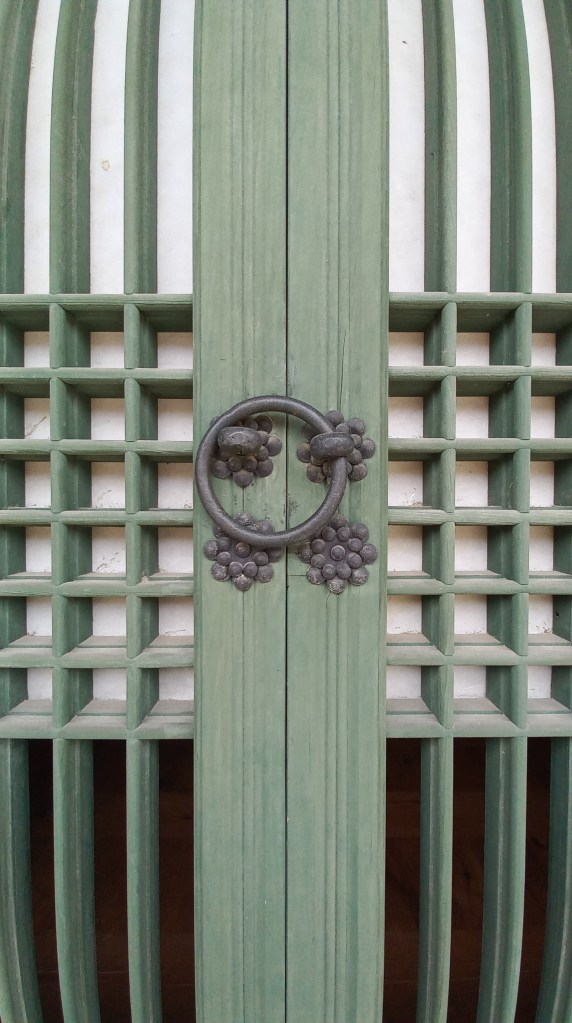
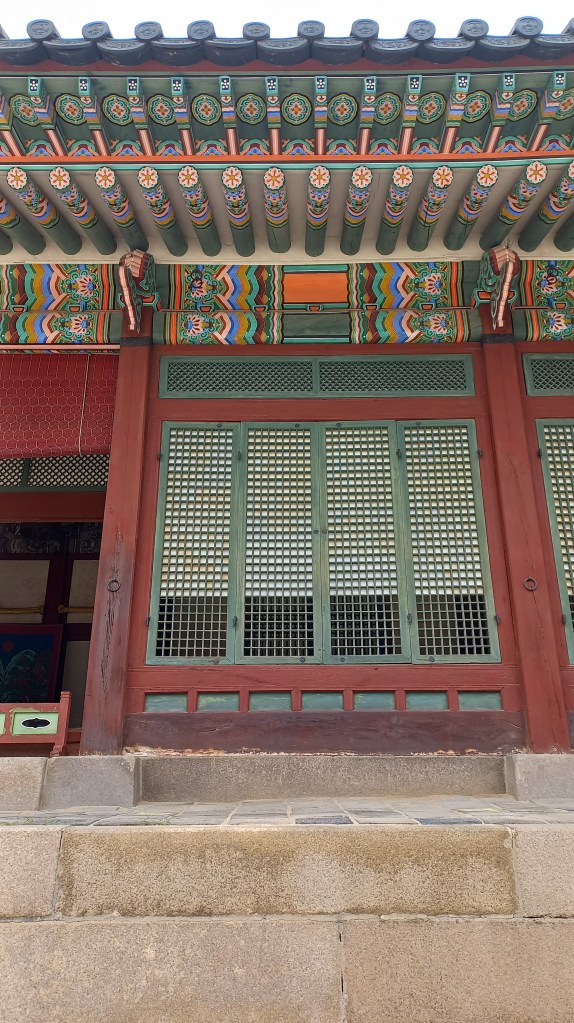
    Deoksugung Palace was actually the first palace that I set food in when I was in South Korea. Braving (and not succeeding) the heat and humidity on a summer weekend. These palace grounds are small and not as overwhelming as Gyeongbokgung Palace up the road. Here, I got to potter around and was able to take in all the small details that I probably would’ve missed otherwise had it been bigger.

    The changing of the guards occurs between Deoksugung and Gyeongbokgung Palace. On this particular day I was waiting within the Palace awaiting the changing of the guards only to find that they guards were coming to Deoksugung from Gyeonbokgung! I did manage to exit and catch the guards marching towards Deoksugung. Note: the changing of the guards starts from outside the Palace not inside.

    Inside the grounds, there is a Daehan Empire History Museum which requires you to put your name down on the list at the entrance of the museum for a free guided tour. It’s a first come first served basis and according to their website, tours run at 11:50 and 14:50.

    Admission to Deoksugung Palace is only ₩ 1,000 for those aged between 19 and 64. Entry is free for anyone wearing hanboks, on the last Wednesday of every month (Culture day) or aged under 18/over 65.

    If you’re looking for a smaller Palace to visit or just in the area, be sure to take a break and step back in time.

  • Coogee to Bondi Walk, Sydney Australia

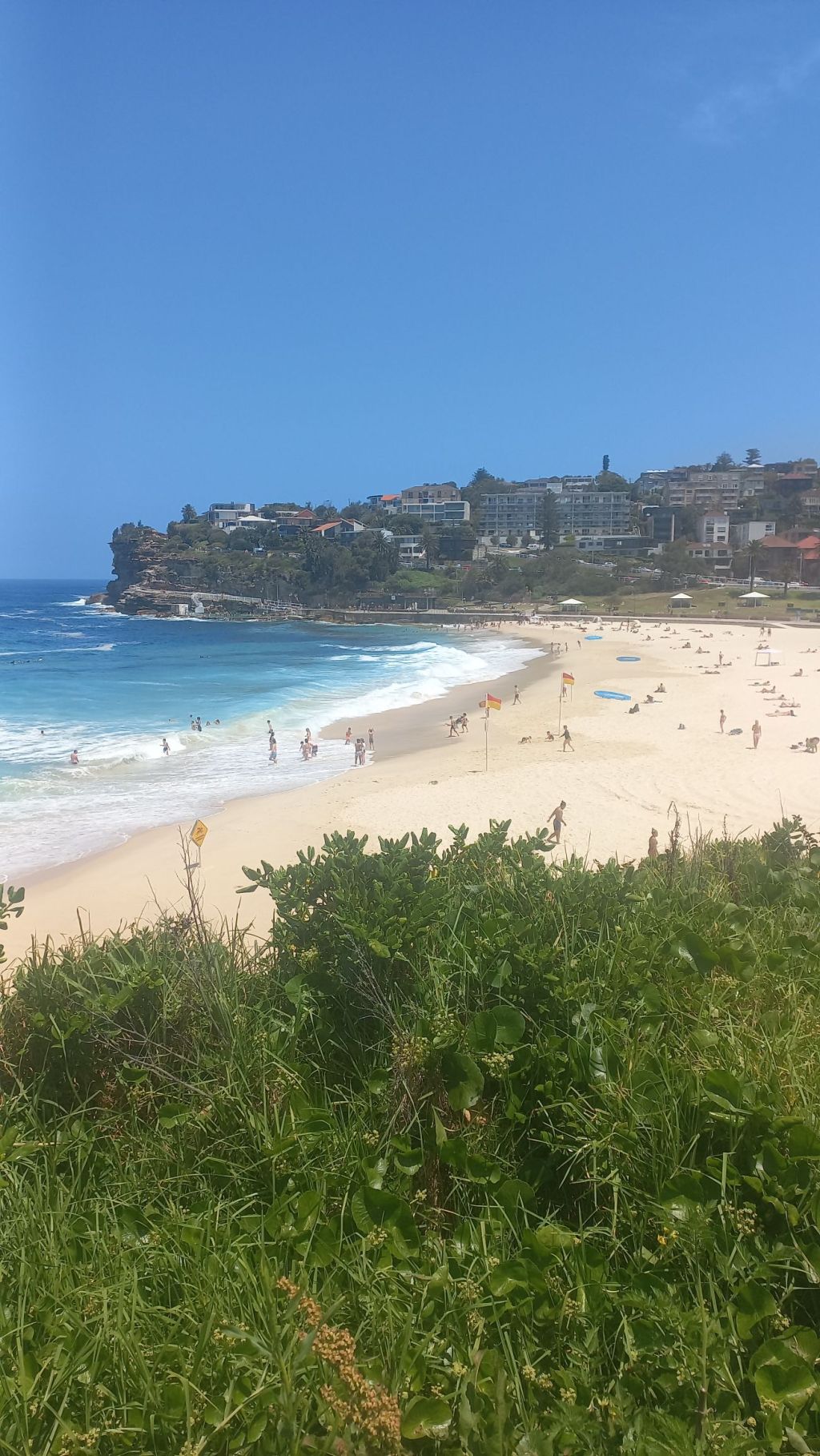
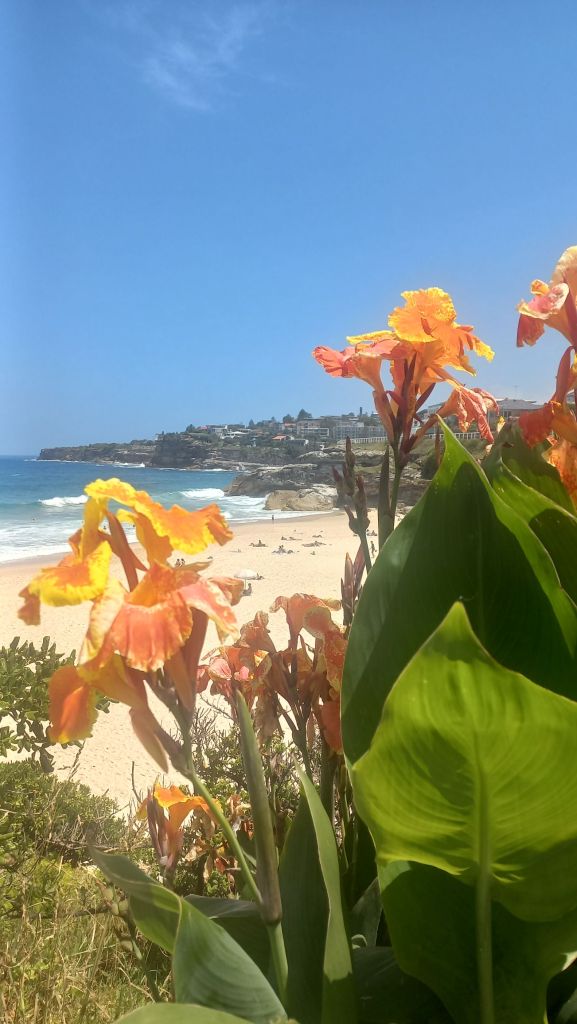
    If you’re looking for activities to do in Sydney, the famous Coogee (pronounced Koo-gee) to Bondi walk will certainly appear in your search. This walk is 6km along the coastline, passing through other smaller beaches and some of the most expensive properties in Sydney. The walk will take about 2 hours but if you’re going to be stopping at the beach/es or cafes, you might be better off taking the whole day for this.

    I started my walk from Coogee but have also started in Bondi. There’s no which is better, it just depends where is closest. The downside is that these beaches can only be reached by bus (or car). Coogee Beach can be reached by bus from Central Station or Martin Place Station (Bus 373 or 374). Bondi Beach can be reached from Museum Station or Circular Quay station (Bus 333).

    Coogee Beach is a smaller beach compared to the other beaches in Sydney. I like it because it’s cove like so the waves are not big and there aren’t many surfers around. There is a main street leading up to the beach which has pubs, cafes and plenty of takeaway food stores. There’s also quite a lot of green area close to the beach so you can find a tree for shade.

    To start the walk, if you looking at the water standing on the sand, you need to head left and just keep following the path (it goes uphill).

    The next indent in the coastline is Gordon’s Bay. It’s not so much a beach but boat ramp although every time I’ve walked past, there are people in the water. You can always smell it before you see this bay!


    Next, is Clovelly Beach. I’ve actually never been in the water here but it’s a beach mixed with a swimming pool vibe. There is sand and calm waves which I imagine is great for smaller kids. Then there’s cement wrapped around the sides like a swimming pool. Despite the cloud cover this day, I can just imagine that it could get quite hot here from the cement trapping the heat and reflecting off.

    After Clovelly is the Waverly Cemetery. I hadn’t been on this walk for years and noticed that they added a walking path here and benches. We use to have to walk somewhat along the cemetery but now there is a clear walking path along the outskirts of the cemetery.

    After Waverly Cemetery, you arrive at Bronte Beach. I’ve never swum at Bronte Beach but I have been here to eat at a cafe and on this day, I did just that. Bronte is not too busy of a beach, there’s trees and plenty of nice cafes nearby. The water looks more rough here than the other beaches though and apparently there’s always a strong rip which is called the Bronte Express.

    After Bronte, is Tamarama Beach which is quite small and there’s a nice park attached. Whilst writing this post, I found out that Tamarama is considered the most dangerous patrolled beach in New South Wales, with more rescues per thousand bathers than any other of Sydney’s beaches.

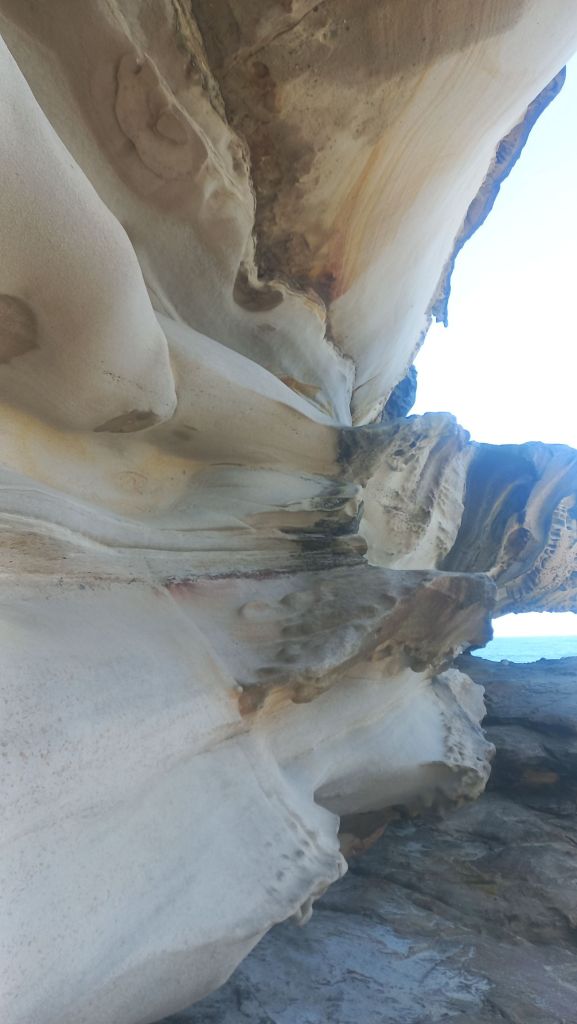
    More and more exposed sandstone means that you’re nearing Bondi Beach. There is a TV show here called Bondi Rescue (not sure if it’s shown abroad) which follows the lifeguards at Bondi Beach. You’re sure to see the filming crew here.

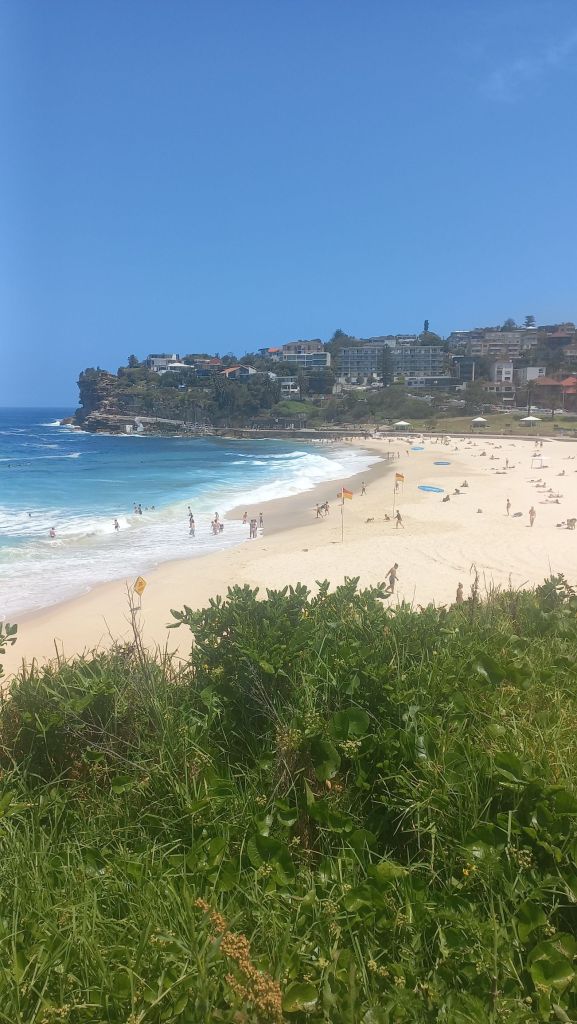
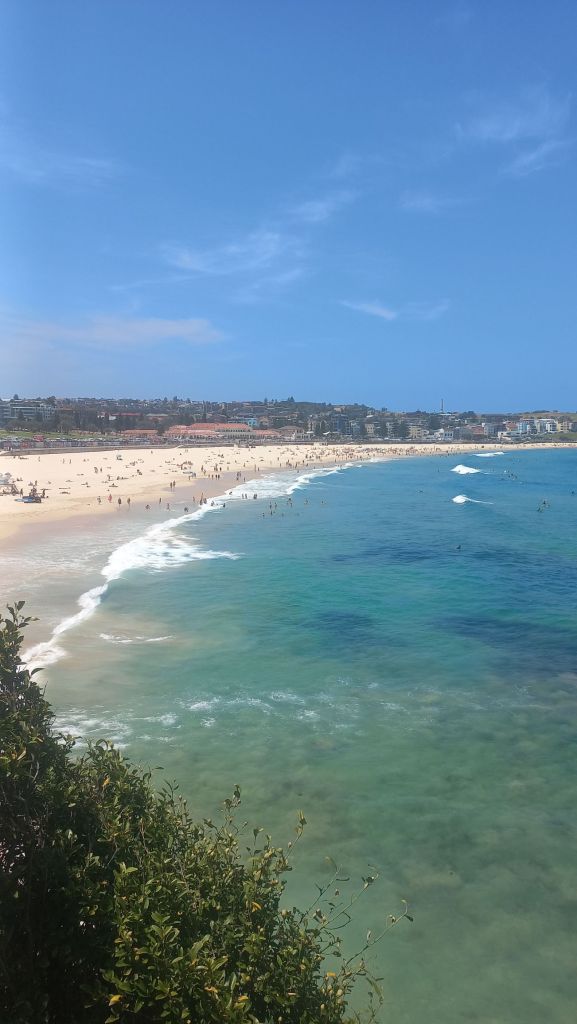
    Of all the beaches mentioned today, Bondi Beach is the largest. Because of how wide the area of sand is, there is very little shade from trees. Immediately behind the beach is a carpark……

    I went on this walk on a weekday which explains why there is so much room on the beach but rest assured, this walking route is so busy over the weekend. The beaches in summer on a weekend are also sure to be packed.

    Once at Bondi Beach, you can take the Bus 333 (which stops right behind the carpark) back into the city or any bus going via Bondi Junction where the train station is which will allow you to access the train network.

    Health: Make sure you wear sunscreen and a hat. Even on cloudy days- Australia has a very harsh sun. Stay hydrated- there are drink stations along the route to fill up your water bottle with. There’s also public toilets (free!) at the beaches and cafes where food is available.

    Safety: Coogee and Bondi beaches are patrolled all year round by lifeguards. Clovelly, Bronte and Tamarama are patrolled only in summer. Please ensure you swim between the red and yellow flags on the beach. All beaches are alcohol and smoking free zones (no alcohol and smoking allowed).

  • Finding South Korea in Sydney

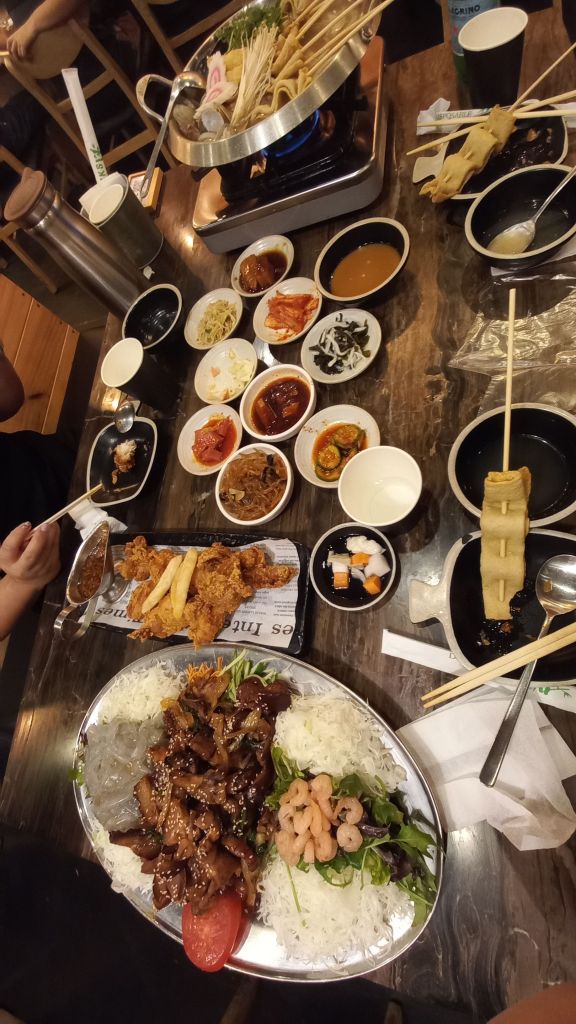
    Apparently one of the ways to lessen reverse culture shock is to seek out the food or culture back in your home town. Luckily for me, Sydney’s multiculturism means that I can easily find Korean restaurants. Sadly not many Korean style cafes though. In the past few months being back home, I’ve sought out Korean food and visited some Asian or Korean grocery stores to see what I could find.

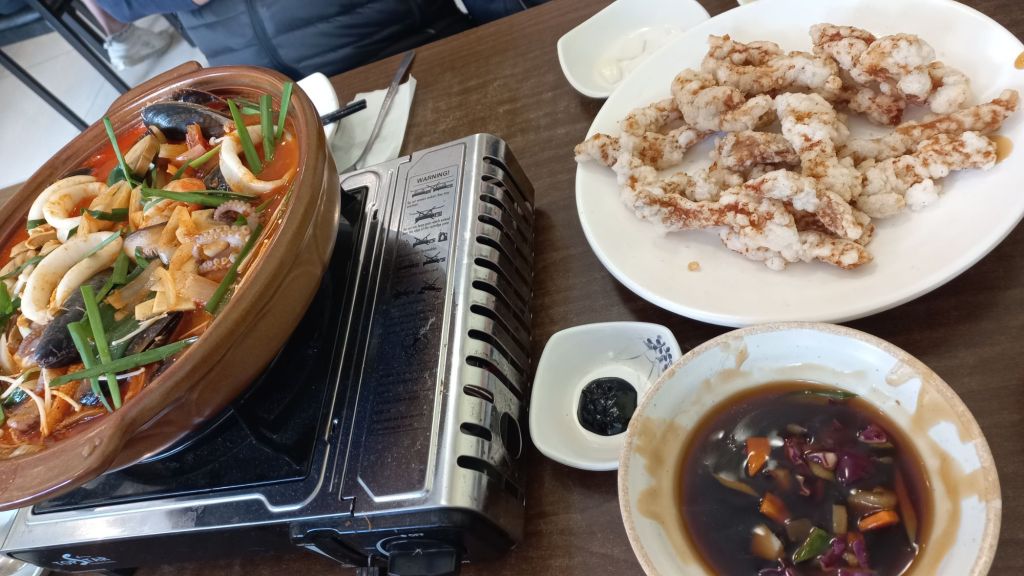
    The taste of South Korean food here at the restaurants are definitely the real deal.

    There is a huge Asian supermarket located in Haymarket which sells so many different products, fresh fruit and vegetables, frozen goods and drinks from all over Asia. In the South Korean section, I found silkworm pupa which is a popular snack. You can sometimes find freshly roasted ones in some of the traditional markets. I had always wanted to try just 1 piece but sadly, you can’t just buy 1 and need to buy a whole cup. However, I didn’t think that it would be that popular that I’d find it here in Sydney. Maybe it’s a sign that I should try it.

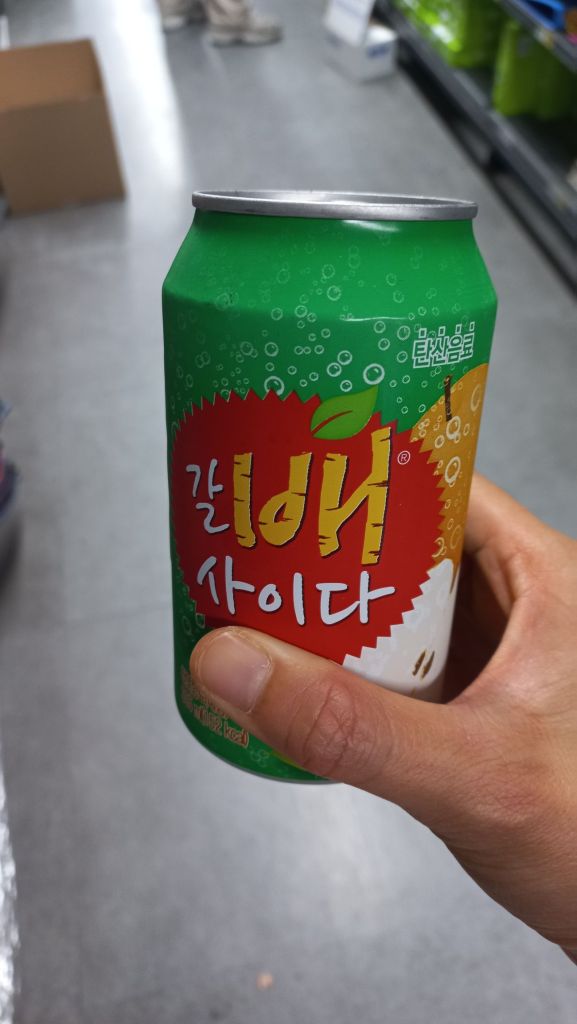
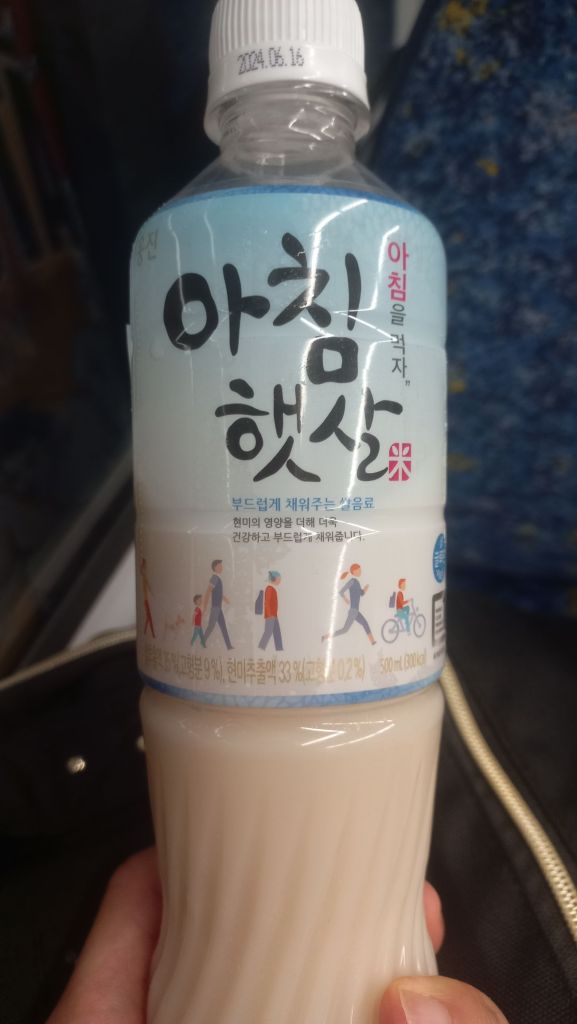
    Every now and then I’ll try a new Korean drink that I haven’t had before. I didn’t really drink that many convenience store drinks other than electrolyte type drinks whilst hiking. I try not to drink that much as now that I can read the label (by law there must be an english translation of ingredients), I’ve noticed that they contain a lot of artificial sweeteners.

    Do you seek out restaurants and food from cultures and places abroad that you love?

  • Photo and Memory Storage

    While cleaning out the bottom shelf of the linen closet the other day, I came a box containing all of our family photos. This box has laid untouched for YEARS. Of course, many of the albums have been ripped or broken in parts or have completely detached from their spines. I have started the arduous task of reorganising and bought new albums to put our photos into.

    The Hard Feelings

    For memories that some might hold very close to their heart and represent special moments in our past, it seems almost shameful for these photos to have laid unforgotten for so long, in their broken albums. To me, it almost seems disrespectful? It we truly appreciated these photos as everyone says they do (first to get in fires for example), wouldn’t we treat them with a higher regard?

    I easily feel the weight of extra stuff in my life and this also includes photos. Back when we had camera with rolls of film, there was no knowing what the picture would turn out like after it was developed. But as I flick through the photos, I find that even the ‘bad’ photos have been kept. I have a box where I started to put these ‘bad’ photos, photos of landscape (hello Sydney Harbour Bridge photo #10) and photos where no-one knows who is exactly in the photo.

    Seeing photos where I don’t recognise the people like of grandma and her friends who have all passed makes me realise how fleeting photos can be. They really only mean something to someone for so long. When I’m wise and older, I’ll have photos where future family won’t recognise the people in the photos.

    I started envelopes to give away photos to relatives. It’s nice to have their family photo but there’s only so much space one can dedicate to photos. I came to realise that it’s not our responsibility to keep photos for others. There are still many group photos in our collection which actually feature people from our family so I’m not getting rid of their existence from our photo completely.

    There were also a lot of feelings of guilt from everyone about sorting and parting with photos. I know photos from the past as ‘irreplaceable’ but getting rid of them does not mean getting rid of the past or part of who we are. Yet there seems to be this feeling around not being able to recover anything from the past and a fear around loosing that so wanting to keep everything. There is no point in keeping everything especially if the box lays unopen for years.

    The Unanswered Questions

    What do you do about photos of other people’s weddings who have since separated?

    How many photos do you need of a birthday party?

    Do you keep photos of friends from the past who are no longer in your life?

    How often do you go back to declutter your photos?

    Why is there so much guilt about letting go of photos?

    Moving Forward

    To me, I hold my travel photos close to my heart and have printed the ‘best of the best’ photos from my trips. It’s been a few years now since I updated that photo album so I plan to continue to update it. Of course, this will mean going through my digital photos to find my favourite ones. Do you display photos from your trips?

    Digital Photo Storage

    Doing this photo sorting of actual photos got me thinking about all the digital photos that I have. I have some recent ones on a free cloud space and most are in hard drives. I’ve been thinking of scanning all the old actual photos and buying more cloud space, although they’ve seem to have made us pay for everything in our life now and I’m just morally against it! I’m after some ideas on what everyone else does. How do you store your digital photos?

    I’m really interested in what you think about some of the questions here. Let me know!

  • 2024 New Year Resolutions To Improve My Life

    Happy New Year Everyone!

    As the year’s go on, I find that some of my old resolutions have now become habits which is great because it means I have one less resolution to try and keep. It’s something that I have been coming across a lot lately. To make things you want to do and learn a habit because it takes out the reliance on motivation. Motivation can be fleeting but when things become as automatic as brushing your teeth, it’s so much easier and requires less inner talk about whether you want to do something or not. Of course, some are easier said than others.

    This year, I have a mix of resolutions which will vary according to how the year goes but I’d like to share the ones below with you.

    1. Declutter
    This has honestly been a year in and year out resolution. But in light of my new experience of living with 2 suitcases for an entire year, I have a renewed frame of mind. More clarity you could say. I’ve been holding onto things that are now from 10 years ago (and more!) which seem to be a time stamp of a particular time in my life. Which is fine except when these things don’t add to my life in anyway other than taking up space in a box or are tied to people or/and moments that actually make me feel sad in the present day because those people are no longer in my life. I think it’s fine to feel sad that you are no longer friends with so and so but to have these reminders don’t serve me or future me in anyway. I’ve come to now think that it’s best to also make room for people, memories and things to come. This year, I plan to let go more, work on keeping things that I use and love.

    2. Replace phone scrolling with reading
    When I got a phone health notification recently and saw what my average daily phone use was for that week, I let out a squeak. I’m one of those people who are always ranting off about how people shouldn’t be using phones when eating with others and that our whole society has been taking over by mindless scrolling. I should take a look in the mirror! I’ve recently read a book too detailing how all these social media apps have been designed to keep us scrolling and I’m saying no more! I have a target time that I want to be on my phone for per day (is it an achievable target? maybe not) and I always have my kindle on me (or a book nearby if I’m at home) so I think I can work towards this goal this year. I know I might not reach it but I want to try and improve on my phone use habits. Last year I completed a 48 hours without internet experiment and loved what I gained from it.

    3. Take some italki classes
    I’ve used italki before for Korean classes and found it to be so fun and flexible enough so that you can work lessons into your schedule rather than the last minute homework you do before your weekly scheduled class. I’m hoping this year to take some lessons to supplement my own learning in French and maybe Spanish. It does take some time to find a teacher you like but there are reviews and different styles of teaching that you can choose from. If learning a language is one of your goals this year, why not give italki a try? Here is a referral code if you decide to give it a try! Once you spend $20, you’ll get an extra $5 credit and I’ll get $10 credit.

    Are any of these also on your resolutions list?

  • End of Year Blog Review 2023

    I recently posted an End Of Year Review here and think it would also be good to reflect back on my blog this year. I have tried to keep posting once a week- which I think for me is a good goal to keep. Sometimes it is hard if the week is very busy or I’m sick but in general, it has been ok. It does help that I was abroad and had many things to be able to write about and review upon.

    I still have some posts to draft and other ideas on things to post about in the new year so hopefully, I’ll be able to still commit to my blog. I want to stay committed!

    I want to also thank you for reading, commenting and liking! It’s sometimes surreal to think that my little space on the internet reaches people so thank you for seeing, acknowledging and conversing. This has been a great place to visit places that I’m still dreaming of, reading opinions and travel stories from near and far and getting to e-meet all of you. I really hold this space close to my heart as we all live such diverse lives and I enjoy getting to know your parts of the world, your travel adventures and lives.

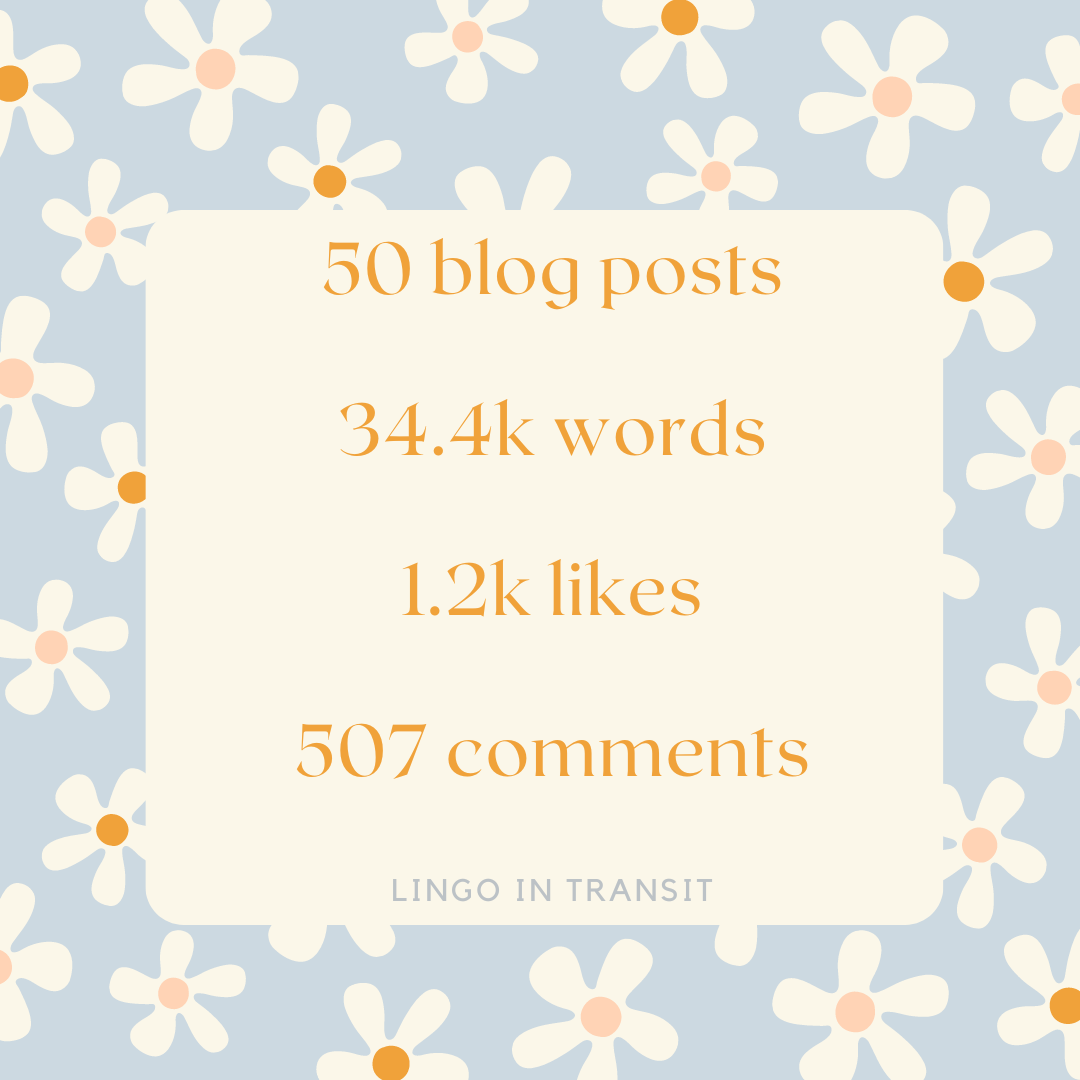
    I was in two minds about sharing some blog stats. It does feel a little narcissistic but I’m also proud of my work! I seem to post the same amount over the years but this year, I’ve seen more visitors to my blog and I’ve written more words than ever before (I really had a lot to say).

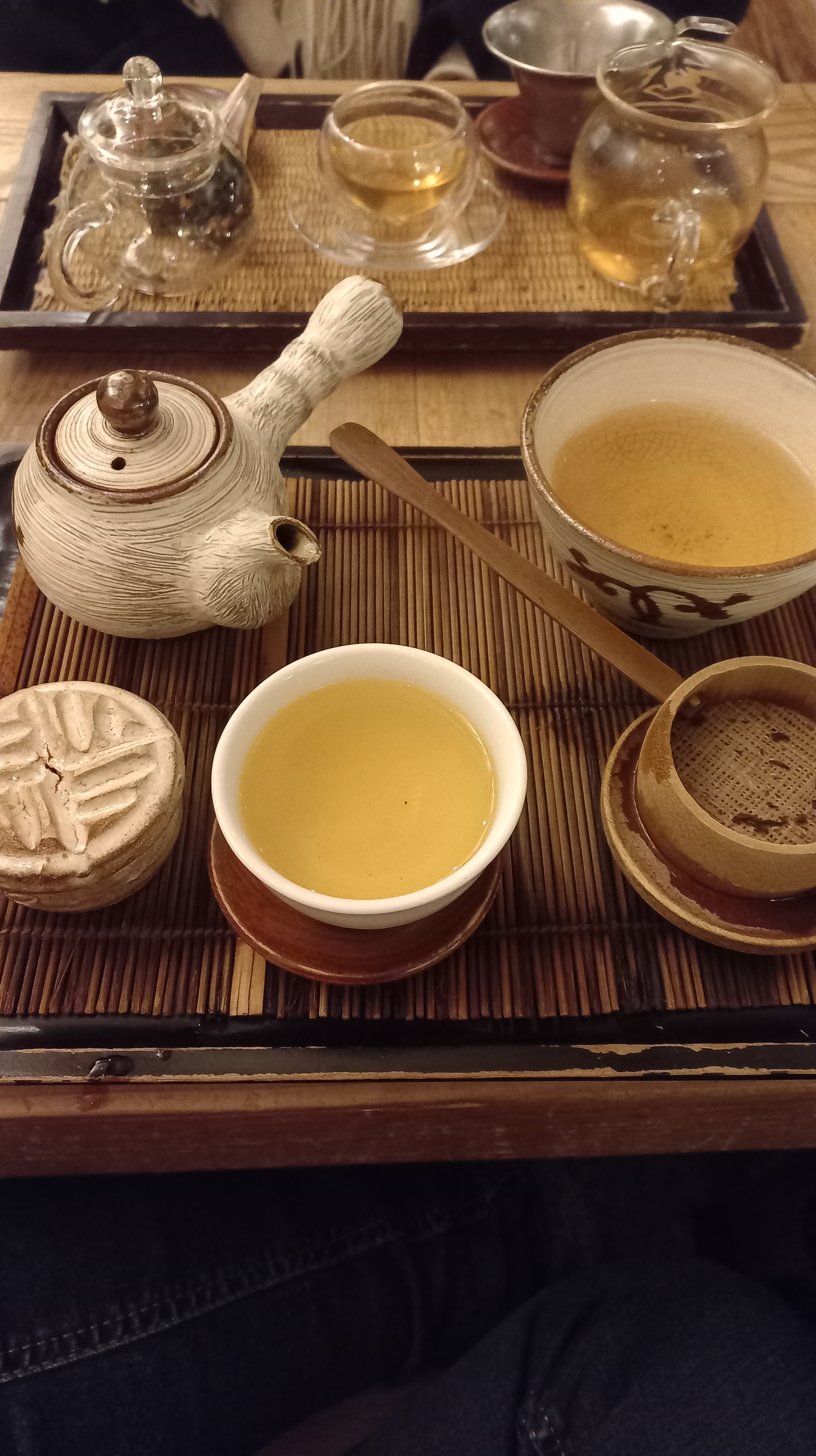
    The most visited post this year was my recommendations on the 4 Authentic Teahouses to Visit in Seoul.

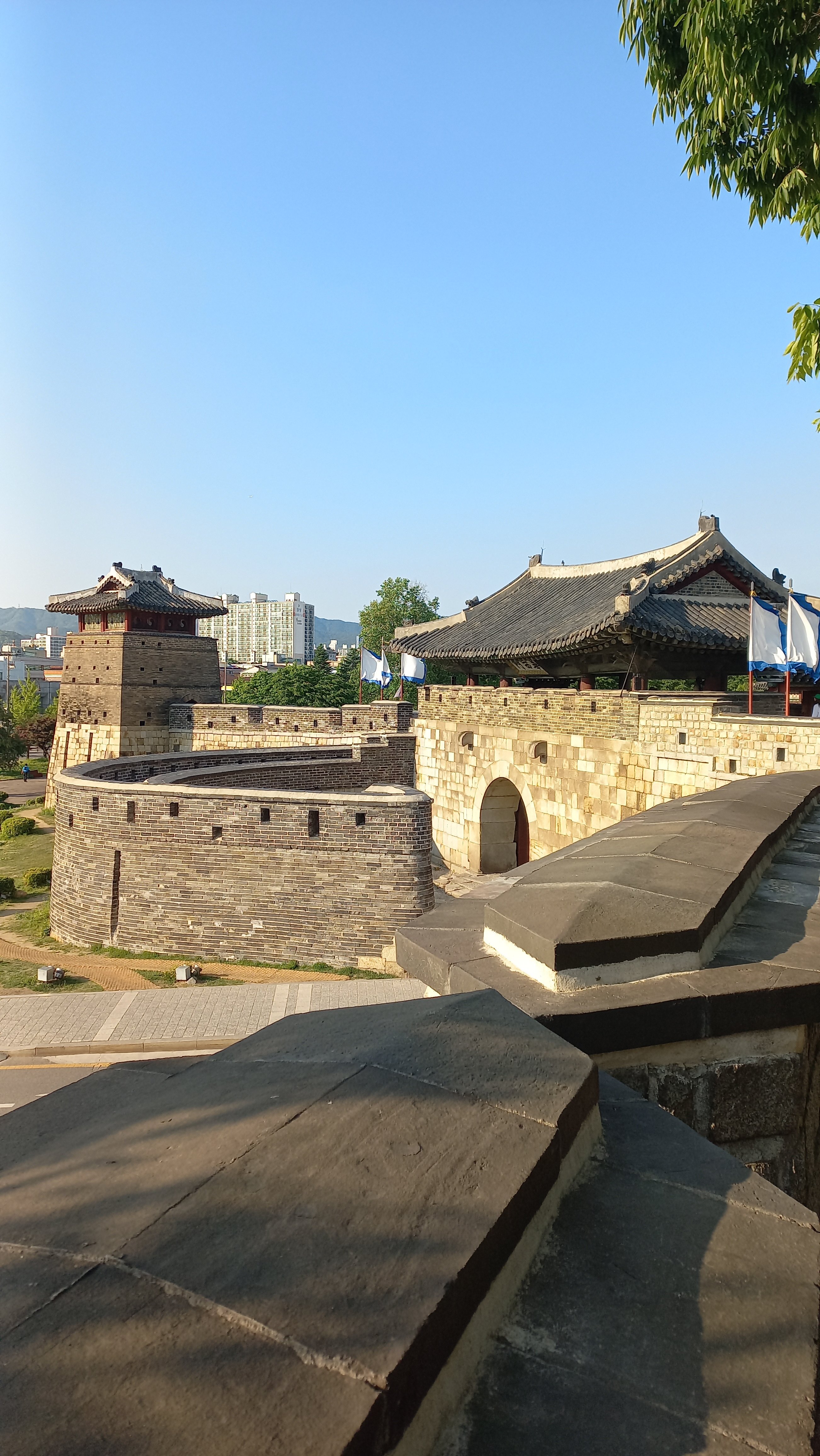
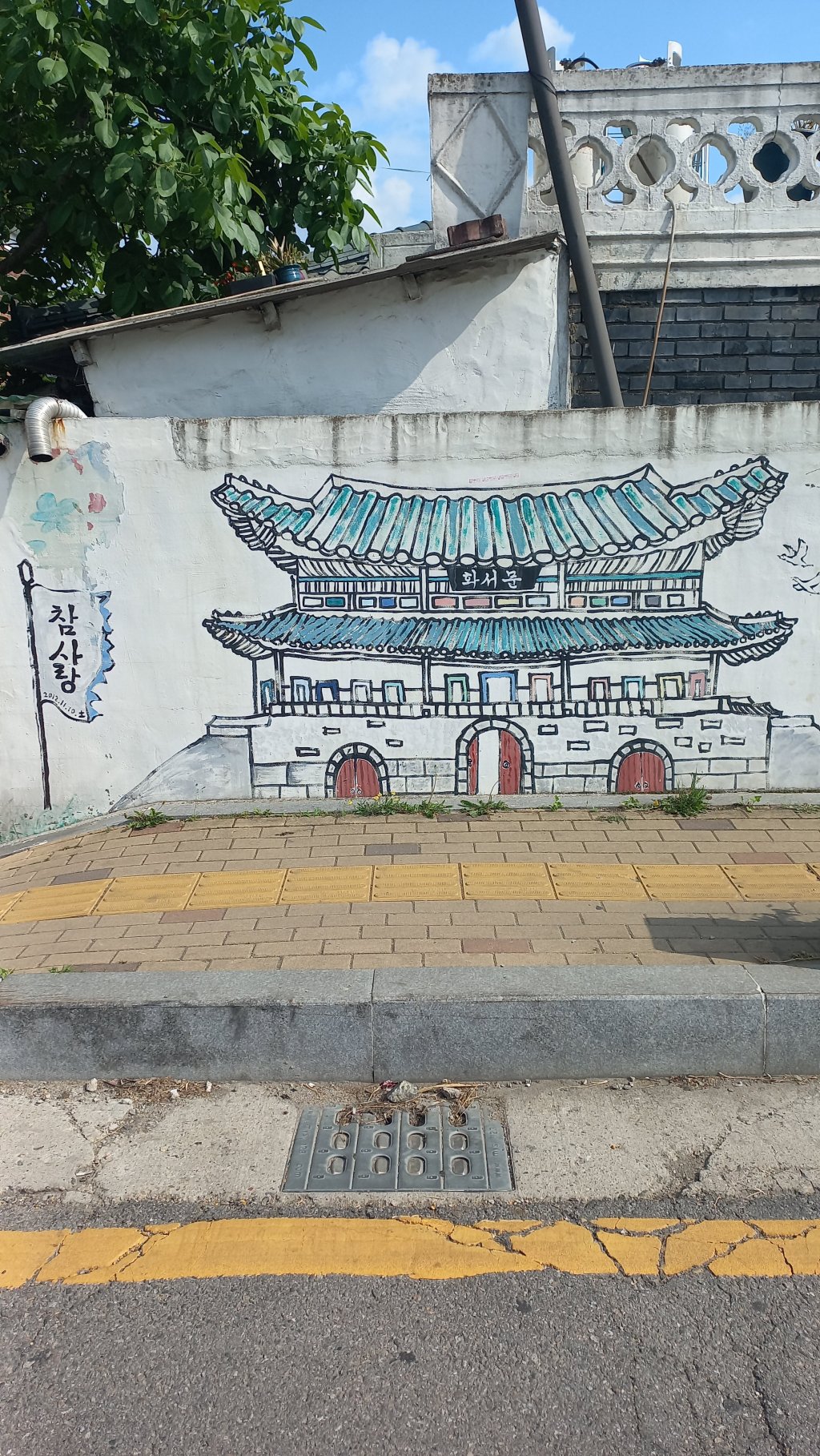
    Coming in 2nd was my post on my beautiful Korean home town of Suwon and the Suwon Hwaseong Fortress.

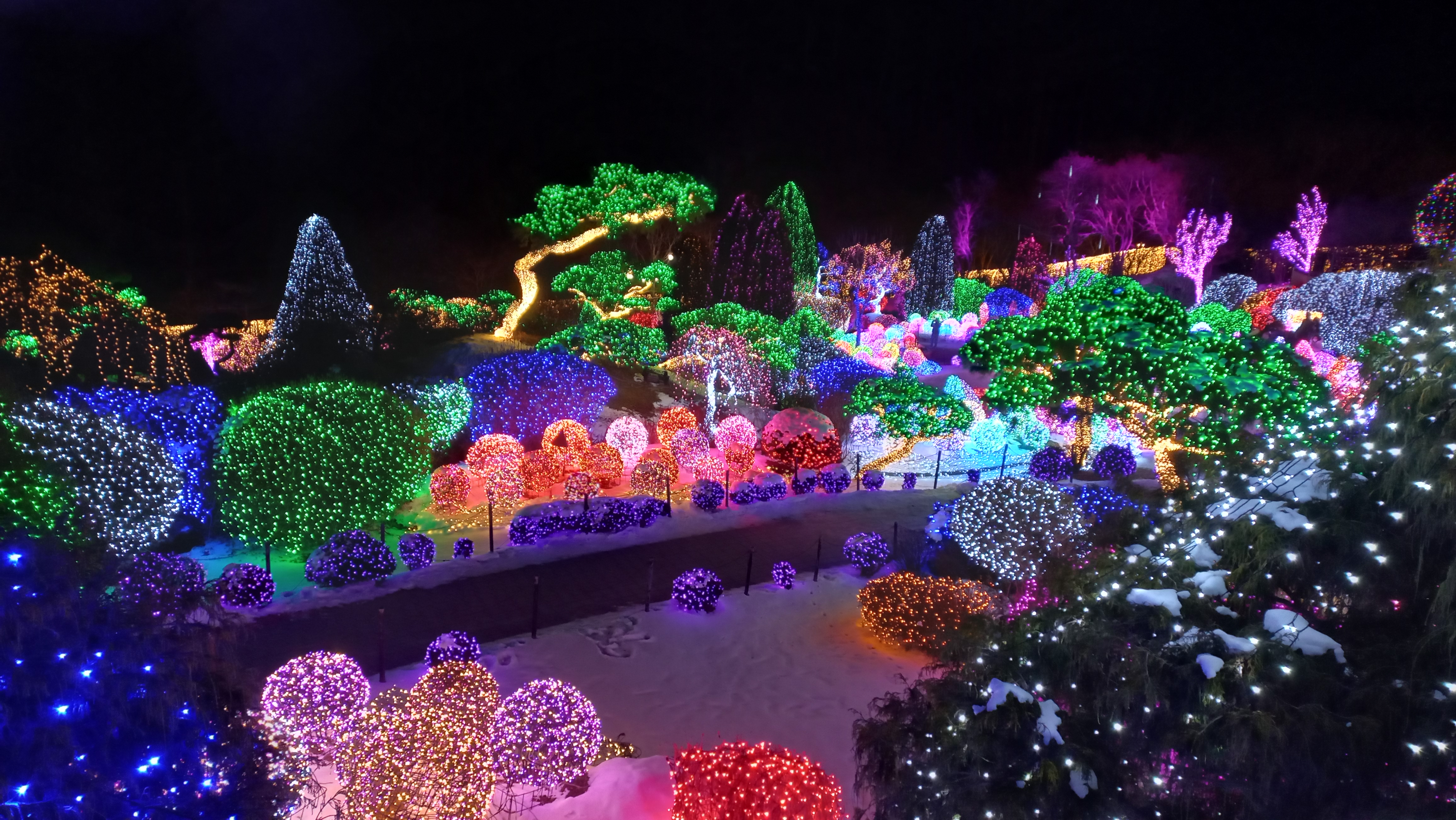
    And 3rd, was the feast for the eyes Garden of Morning Calm Light Festival in South Korea.

    By the time I post this, I would’ve posted another blog post. So here is blog post #52!

  • Merry Christmas Everyone

    To everyone celebrating, Merry Christmas!

    I know this time of the year may be stressful for some. For those who can’t be with their loved ones, are missing loved ones or have a complicated relationship with love ones. The global economy, rising living costs and just general world events are also on people’s mind. I hope that you will take it easy on yourself and others.

    Wishing you all a Happy New Year. May we have good health, opportunities, love and more blogging in the New Year!