Two roads diverged in a wood and I – I took the one less traveled by, and that has made all the difference
Robert Frost
It always seems that society thrusts a map in the hands of everyone dictating what they should do. It’s the acceptable path to take. Why would you possibly need to stray for this?
It’s so ingrained in some of our culture and way of life now that you wouldn’t know if you don’t know. Maybe this map is needed, maybe it’s needed some of the time or maybe we’re blindfolded.
I like many, have walked with this map in my hands. I went to university straight out of school and then got myself a job right after university. But along the way, getting to travel gave me the permission to get lost. On purpose.
To explore all the left and right roads. To look around corners, up high in churches and cathedrals. Underground in bunkers and tunnels. To soak it all in and be surrounded by hidden stories and current stories. The what ifs and dreams. Following the whispers of your soul.
Bury that map away and make your own. Maybe you need to get lost.
I’m currently in the process of moving. Moving is such an experience. Mostly a bad one.
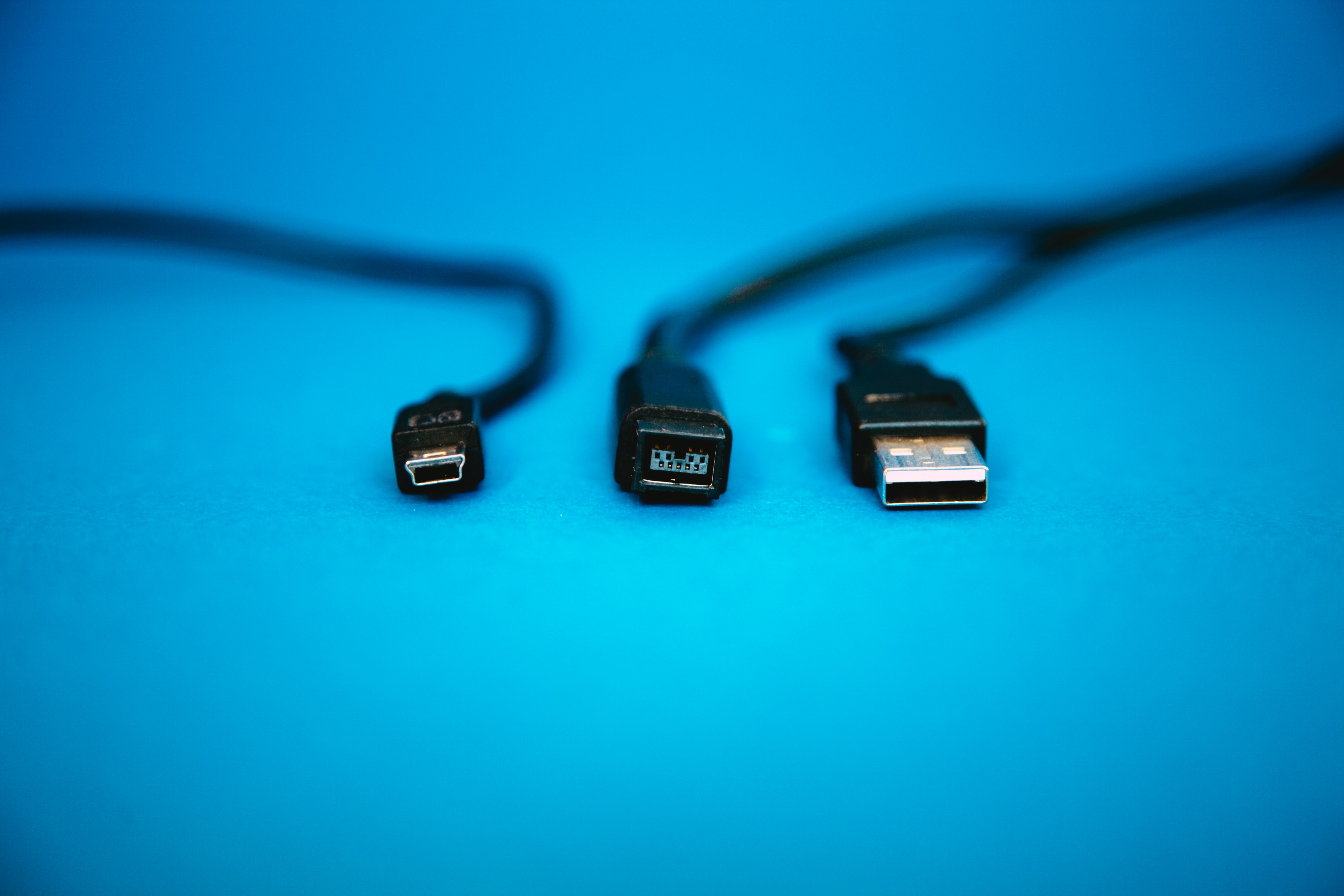
Who knew how much stuff one has accumulated and don’t even get me started on the amount of computer cables that seem to have multiplied in their box. I’ve also come to learn that things are almost quite worthless (even if they are still useful!). Thankfully, I’ve been able to give items away for free and at least save them from going to landfill.
To save you from the multiplication bug, here are some things that you should probably declutter today.
1. Candles 2. Old technology 3. Computer cords, extension cords and other random cords 4. Expired medication 5. Expired food and sauces 6. Bedsheets and doonas 7. Excess or old pillows
8. Home decor that has been collecting dust 9. Books you will never read again (or read) 10. Shoes that are past their life date 11. The almost empties- just use them up and get rid of them
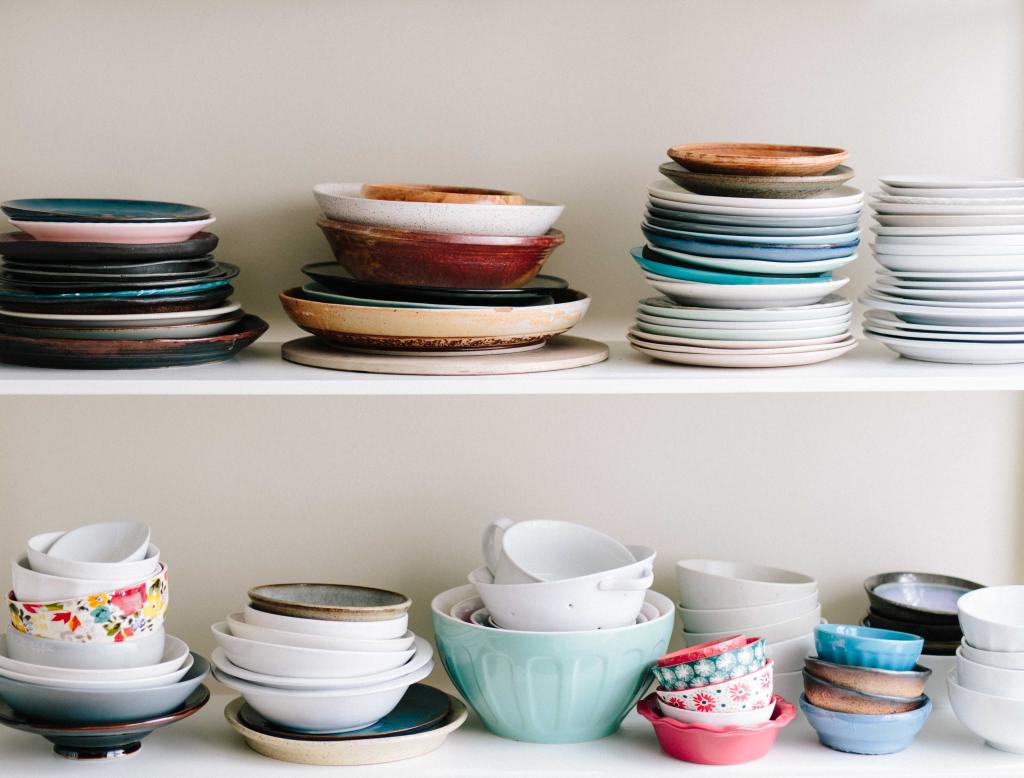
12. Excess cutlery that you never use anyway 13. Excess dishes, bowls and mugs 14. Paper 15. Tuppleware and jars 16. Pens and markers that don’t work anymore
A lot of happiness books advise that you should find purpose in your life, help others, stop comparing yourself to others, eat well and maintain your social contacts.
But what if you could design it into your life?
Happiness by Design by Paul Dolan (behavioural scientist) looks into paying attention to how you act as a way of increasing happiness into your life. It’s definitely a fresh take compared to the other happiness books that I have previously read.
The first part of the book looks at all the research and our understanding of happiness. What is happiness, what we know and what causes it. The second half of the book goes through actionable changes that we can make in how we think and our environment.
Pay Attention – Make your happiness more obvious to yourself as we get use to things quickly – Deal with uncertain anxiety causing tasks – Trust your own experiences more than your desires and beliefs – Make your purpose more obvious to yourself too. – Find ways to challenge yourself, vary the skills you use, do new things. – Don’t give up too much happiness for too long
Design – Prime your environment (eg. air freshener makes it far more likely that you will clean up, choose smaller plates if you are trying to lose weight, nature retains your attention in positive ways so add more greenery to your space, put books around if you want to read more) – Set defaults for yourself so you have to opt out (eg. set up a default time to catch up with friends, change the browser of your home page to something that you want to read) – Make your commitments public to someone/or someones, you’re more likely to keep them – Break your commitments down to smaller goals and a right now goal to start you on your way – Consider also when to give up on a commitment and forget about how much time and money might have gone into it. You can’t get them back anyway. – Surround yourself with people who are also happy. Happiness is contagious. – Change your routine and leave out the cue and reward. – A change in environment is the perfect time to change some of your most ingrained habits because you now have a new environment to design.
Much of what you assume about the causes of happiness will be governed by the assumptions of those around you. Once you are aware of this, you can reconfigure your social norms
Happiness by Design- Paul Donan
Doing – Pay attention to what you are doing – Spend money on experiences- even talking about experiences rather than purchases can make us happier. – Once your happiness in something starts to wane, switch to a purposeful task and vice versa. – Listen to music- it’s been part of our culture for thousands of years – Don’t underestimate the power of humour (can promote muscle relaxation and lessen feelings of loneliness or pain). – Spend more time with people you like – Allocate your attention purposely – Don’t think too much about your lack of time or money
I thought the biggest take aways for me from this book was just how much your environment can influence your behaviours. And how we can manipulate our environment to make behavioural changes in ourselves (that works with basically anything eg be more productive, make new habits or change old habits).
Have you read this book? Would you recommend any other happiness books? Do you hate book about happiness?
In one of my last few post, I wrote about my conundrum on what should we do with our last legged clothes. I was having a conversation with someone about this and was reminded of this segment that I had previously seen where clothes were being recycled.
Everyone, meet Professor Veena Sahajwalla who is turning old clothes into……tiles! She previously invented the process of getting waste plastic (tyres in this case) to replace coal in the manufacturing process of steel. She is also the 2022 NSW Australian of the Year.
We can use these materials as building blocks for making new materials for new manufacturing and new circular economies.
Professor Veena Sahajwalla
I’m excited to hear about how much more widespread this great re-manufacturing can go in the future and how existing waste materials might be combined to create something we don’t known about yet.
One thought that I have had about products that are made from recycled products- can they be recycled once again? Is it good enough to make products from recycled products that can’t then be recycled?
You’ve booked yourself in for the language exam and now what?
Language exams are great to officially test your level, motivate yourself or are needed for job prospects/requirements or university entrance. You probably are familiar with how the test will run- listening, reading, writing then speaking. Each section is timed and follows immediately from the previous except for speaking which is dependent on examiners and how big your cohort is.
Here is how I got myself into shape and ready (as ready as can be) to sit the exam.
1. Got a private tutor It had beens a few months, maybe even a year since I had finished formal lessons so I enlisted the help of a private tutor. I know I have weak spots (hello grammar) and needed a native speaker to still be able to provide feedback on my written work and force me to speak. I was still learning during this time on new vocab and reviewing grammar. You can never review enough grammar.
2. Do practice exams There are past exams available online with recordings and it’s really really helpful to do mock exams. As with all listening tasks, you will only get to hear them twice (or once if you’re sitting B2) and if you are like me, the first time sometimes is just grasping at straws depending on the accent or topic. It helps to practice your listening skills and trying to catch on to as much as you can. Similarly, the comprehension, writing and speaking aspects are all timed so it may help you get the ‘feel’ on how long you will have during the exam.
3. Listening at every free moment In the lead up to the exam, I wanted to get my brain switched over so whenever I was awake and able, the french news would be playing. I guess you can use anything but for me, this was quick and easy and something I could access all day. I changed my phone to French and apps. As I was sitting the DELF from Australia, this was the quickest “immersion” I could think of.
4. Reviewing vocabulary I looked over the vocabulary that I had learnt through my official classes and kept reading (anything and everything) to help with the “immersion”. As you won’t know what topics will be included in any of the sections, I think the biggest component is to review broadly. Read a range of articles (or anything!) on different topics so that you can also refresh vocabulary at the same time.
Have you sat a language exam before? If so, how did you prepare for it?
I went through another cleaning and decluttering phase in January. I’m that person who has a hole in their sleeping t-shirt (which was once a going into public t-shirt) and still proclaims that it’s still good. How many holes are one too many?? Exactly.
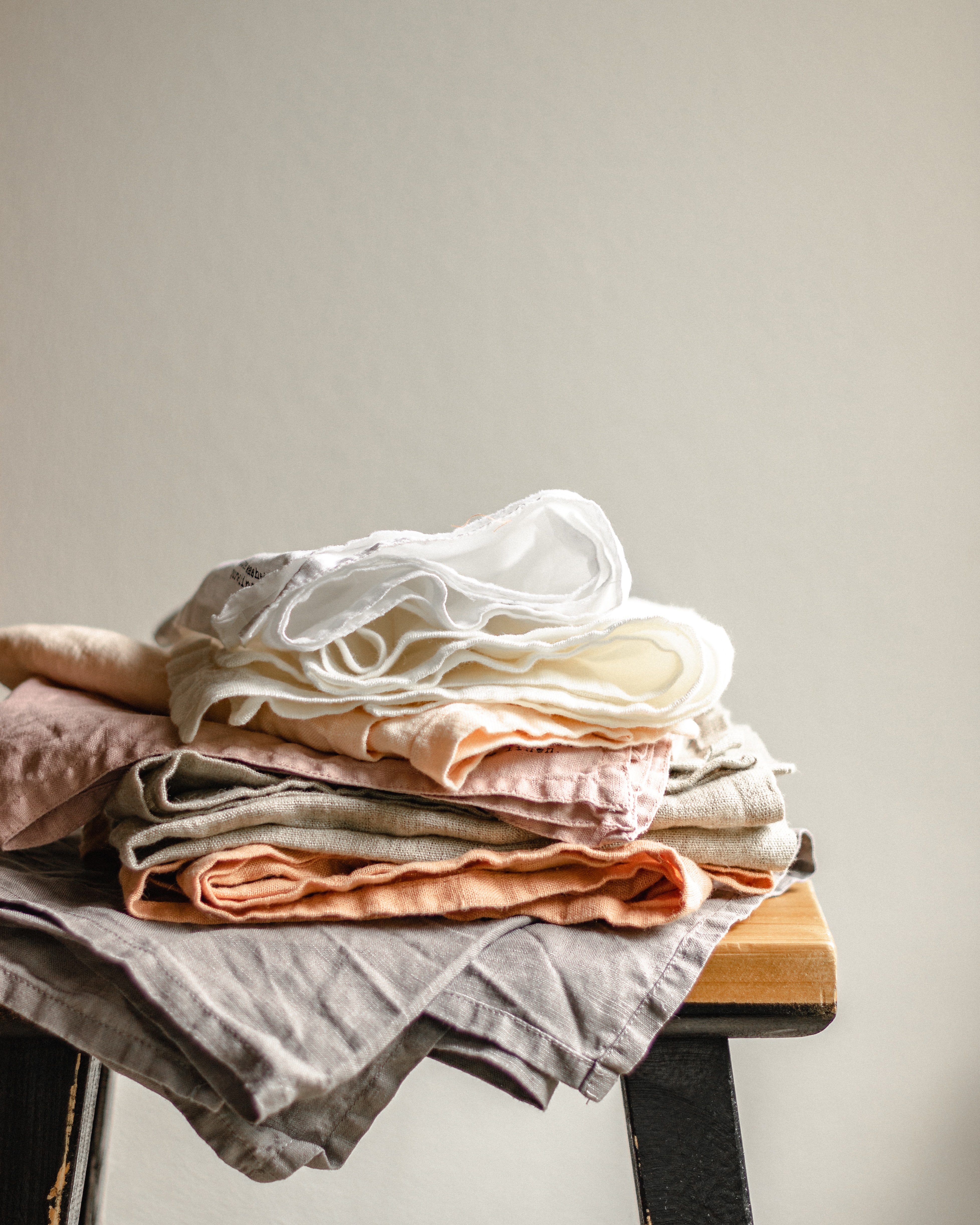
But I decided that some were truly past their used by dates, it was time to go. I had kept old ones around for cleaning, to line the carpet before painting, to wrap a hot water bottle in etc. I know other people use them as hair drying wraps. But there was too many of these old pieces around not to mention my old holey cleaning socks.
My next problem was how do you recycle used fabrics? There are ample places to donate clothes that can still have another life but what about the clothes that are on their last legs (to avoid landfill)?
I had something in mind like from this BBC video that I have embedded above but after searching, didn’t really find any place that I could drop these too. Sadly, they went into the bin.
Which then led me to my next question. Should clothing recycling be something that we could include in our biweekly recycling from our local councils? At the moment in Sydney, it isn’t and only limited to paper, tin, cans and glass.The average Australian purchases 27kg of clothing each year. And 23kgs of that ends up in landfill.
Is it time for the world to also think about the other end of the fashion cycle and how we can break it down and reuse to make new products?
Is there somewhere near where you live that recycles the oldest of used clothing?
This post was inspired by a post from Nomad Online where Agnes wrote about her 5 life lessons. I always think these life lessons are so true they sometimes hurt and are a great way to learn from others instead of learning the hard way.
Here are my 10 life lessons that I’ve learnt so far:
The other week, I went to get buy some toilet paper.
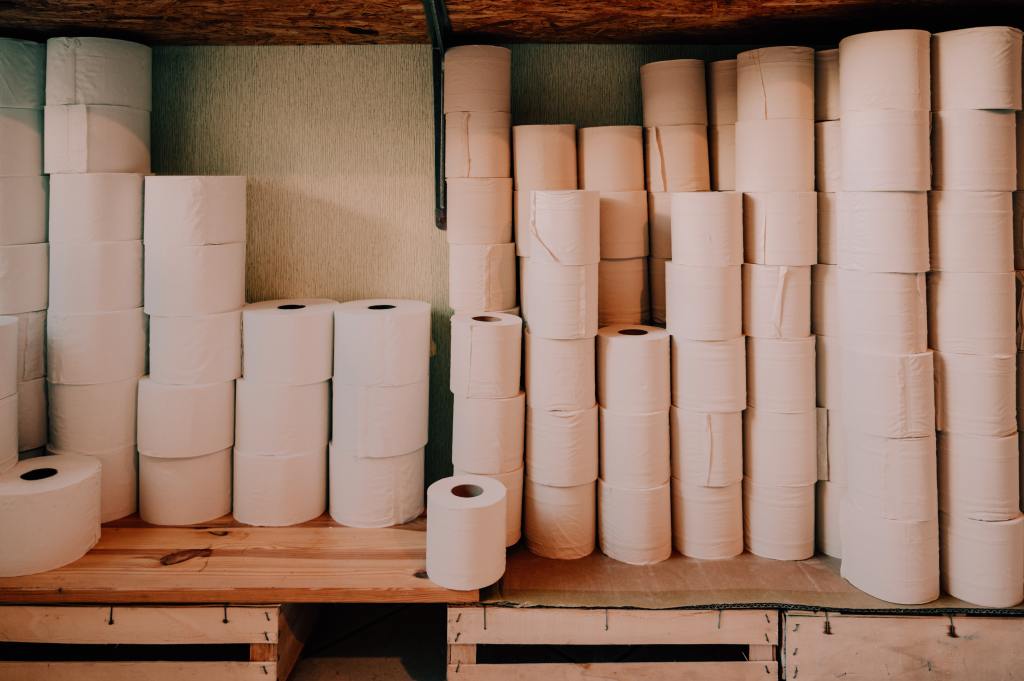
Toilet paper seems to be the hot purchase in a pandemic. At the time of writing, the local supply chain here has been affected. As such, there are many empty shelves in the toilet paper aisle and if you’re lucky enough to stumble across some, there are limits as to how many ‘packs’ you can purchase in a single transaction.
I had also walked to the shops on this occasion and didn’t really want to be the person on the streets barely being able to hold their pack of 24 rolls and also not being to see where they were walking.
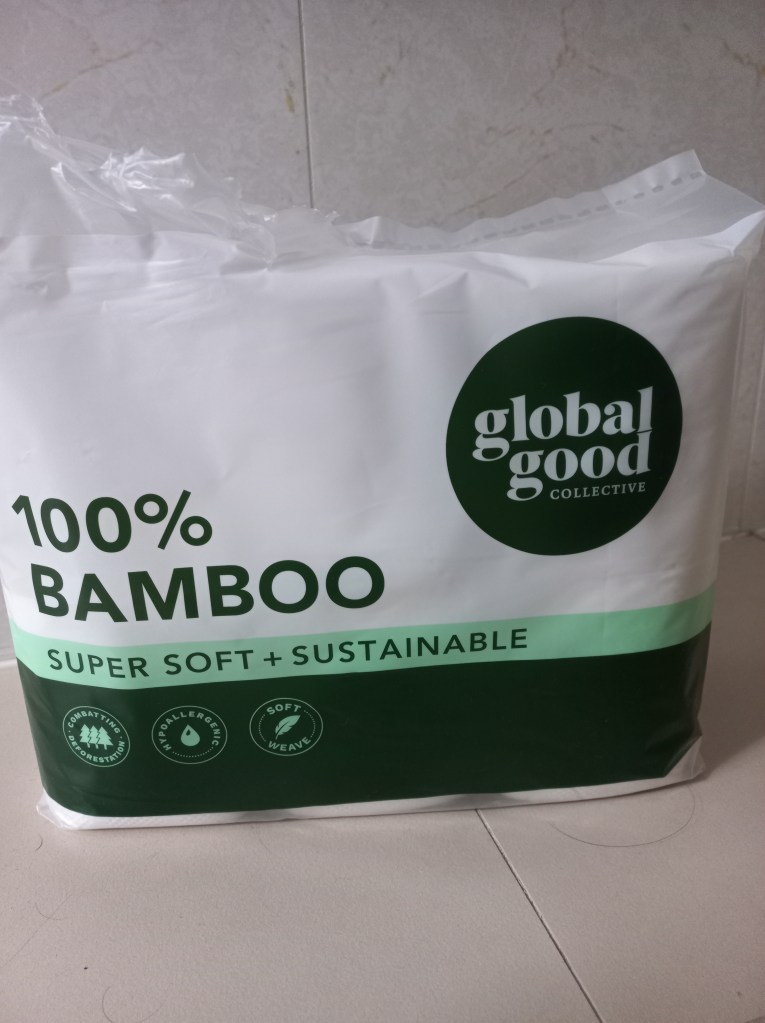
I was faced with fewer choices that I normally would be and also no specials. I decided to purchase a smaller pack of bamboo toilet paper for the first time. I was aware of the option to buy recycled paper toilet rolls but not bamboo.
I came home to start researching and was already amazed to find at least 5 Australian companies already selling bamboo toilet paper. What is the deal with using bamboo? Apparently a lot of good things!
Bamboo can grow up to 90cms in a day making it highly renewable
Bamboo requires less water and space to grow than trees
Bamboo doesn’t require any chemicals to help it grow
Can be used to make soft products (like toilet paper and sheets) to hard products such as uses in construction
Bamboo toilet paper is 100% biodegradable can break down easily in water and faster compared to conventional toilet paper
What kinds of non conventional toilet paper are they selling near you? Have you or are you willing to give them a go?
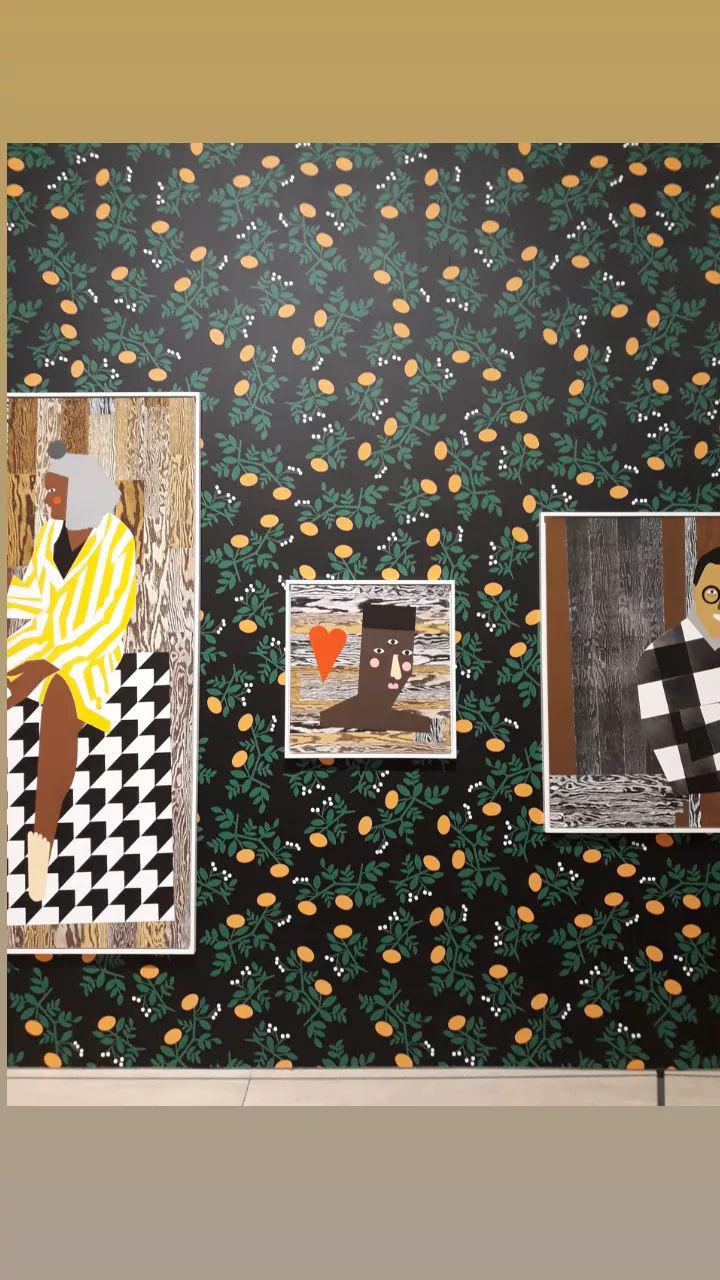
One of my new year resolutions in 2021 was ” bring more art into my life”. I was reflecting on this the other day thinking if I could’ve been anymore vague.
An unachievable goal according to the productivityists because I can’t quantify this goal in any way and I had no measures of progress. It’s a broad goal with an even broader definition. Maybe I knew this subconsciously. Subconsciously and consciously, I’ve always thought art speaks to your soul although I am not religious. It’s just when it feels right, it attracts you and stirs emotions, feelings or thoughts. It’s deeply personal is it not?
What defines as art anyway?
Art: the expression or application of human creative skill and imagination, typically in a visual form such as painting or sculpture, producing works to be appreciated primarily for their beauty or emotional power.
For me, I felt like travel was a big part of adding art to my life. I see things, hear things and experience other arts that I don’t get to in my home town. Seeing as though travel has been off the cards for almost 2 years now, I felt like my art soul was running on reserve leading me to make this goal.
In order to mediate this feeling, I first signed up to some free online courses to learn about paintings. I rediscovered music, spent some time on Google Arts and Culture and read books.
Isn’t the label on a drink also art? The choice of typography? The choice of colours and patterns on the clothing that I own? Maybe trying to seek it and find it is part of the art?
It seems that maybe I don’t need to look so hard when it’s always around me.
This year, I still want to continue to see what “artify my life” uncovers in me and the world around me.










 Lingo in Transit
You must be logged in to post a comment.