I’ve come to learn and research quite abit around memory in my scientific life (neuroscientist by training here!). I know how unreliable and fleeting memories can be which I think is just a guarantee of life- that you will not have your memories forever. To try and capture my own memories, I’ve been on a continual journey of trying to document my travels. Certainly, the appearance of social media has helped us to use different mediums to document our travels eg. blogging or visual documentation aka Instagram and Facebook albums.
Journaling: I have journaled on most of my travels. Booking a new trip for me actually also means finding a new notebook just for that trip. I’ve found that the Muji notebooks are actually really great as they are thin (which means that I have a good chance of finishing it- who else hates unfinished notebooks?!), come in a variety of sizes and they are light. I have an entry for every single day of my trip and sometimes they are written all at once after 3 days on the trip due to time! What I did, where I went, what I ate and my general running thoughts that day.
Ticket stubs: I also collect some ticket stubs, flight stubs, cool looking cards/papers and even soap wrappers that I will stick into the journal after the trip and writing part is all done. Call me old fashioned but I love looking back at all of these and how cool are ticket stubs in a different language?
Souvenirs: I’m not so much of a souvenir “collector” but am always on the lookout for something that might catch my desires. I have been on many trips where I have come back empty handed but that’s ok! I’ve come to the stage in my life where I only want amazing pieces that I love and not just heaps of knick-knacks that I will have to store.
Pictures: This is an area of improvement for me. I need to get out of the habit of taking pictures on my phone and use my camera instead. I have files sitting on a usb or hard-drive (somewhere) and need to do more justice to them! I have a photo album where I print the “highlights” but have not updated that album for the past 2 or so years. I would love to frame some one day when I have my home.
Anniversary: A group of friends and I had for 10 years post trip (every year) come together for a dinner to rekindle those memories. The restaurant was also the same cuisine (but we tried a new one each time). Since then, life has gotten in the way but that was such a great way to keep the trip alive while we had the chance!
What are some ways that you keep your memories alive? Do you have any great anniversary celebrations? Do you also journal? How do you display your photos? I’d love to know.
One of my favourite lockdown activities to do is armchair travelling. Going around the world without leaving the comforts of my room. There are so many different ways to armchair travel and I’m sure there are many more!
Wanderlusting Want to be whisked away to another part of the world without leaving your seat? Have a nice session reading blogs. I enjoy reading other people’s travel blogs about where they went, what they saw, what they ate and what they did. I have recently learnt about stave churches through one of the blogs! I read about places I have been but want to return to to see more of the country/town or that I want to go to. Similarly, I like spending some time on instagram looking at beautiful pictures of travel destinations that I want to go back to or countries that I want to visit. I’ve also added towns to certain countries onto my list after seeing some of these pictures. Let’s call it wanderlusting and future trip planning.
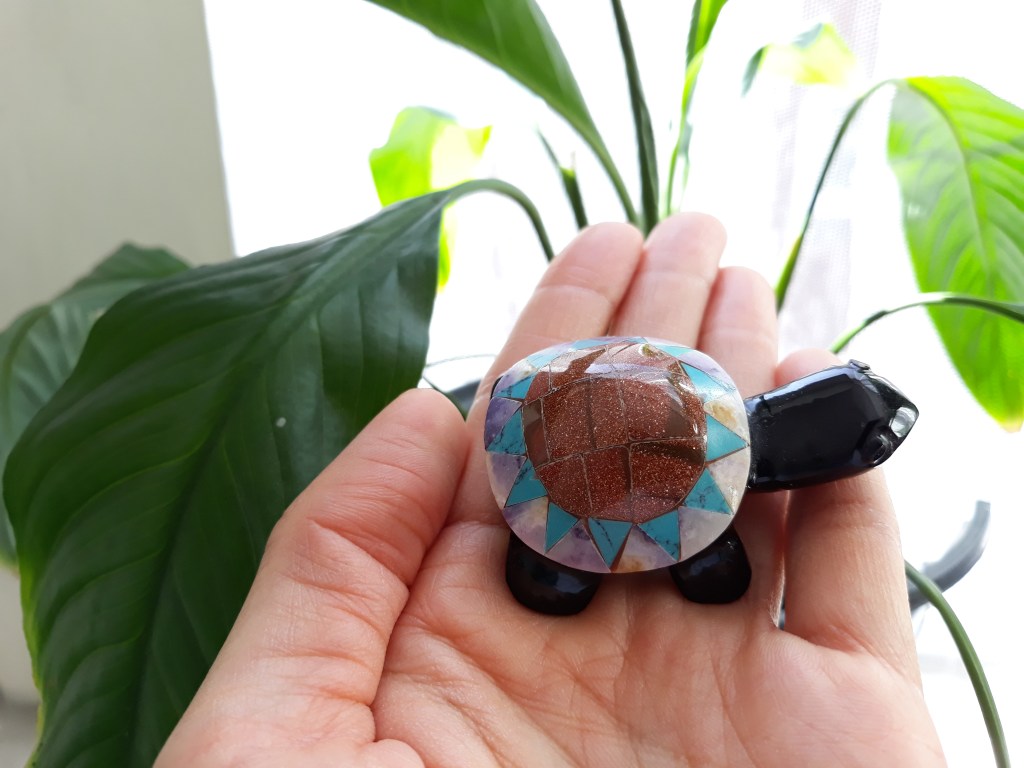
Decorative hand-made turtle from Mexico
2. Souvenirs Make use of your souvenirs.Do you have plates or a table cloth that you purchased overseas sitting at the back of the cupboard? Why not use them for why you purchase it in the first place? A useful object that also is able to bring back fond memories. Have photos from our past travels? Why not frame them, print them off for a photo album or create a photo book. When I travel, the souvenirs that I tend to gravitate towards are either jewelry (usually hand-crafted), non perishable food or home decorations that I can place in the open to remind me of the places I have been. It always puts a spring in my step when I’m wearing something that someone else has put their time, mind and creativity into making. Plus, it always reminds me of the best times that I’ve had in that country. With food, it has to be dried, bottled and wrapped due to Australia’s strict customs. I’m always on the lookout for anything that is jarred or bottled so that I can save the container afterwards which is great as it doubles up in function and can also become a home decor piece. Home decorations for me have been in the form of artwork from local artists or prints/postcards which I have framed. Artwork is so subjective and really comes down to personal taste and style and is a great reminder of travels past.
3. Media Reading books that are set in different cities or watching movies is another great way to armchair travel. I enjoy watching movies from other countries (not just the Hollywood ones) as different countries humor, cultural definitions or artistic creations are so different from one another and opens up the mind (just like travel!). My favourite online bookstore is Book Depository
4. Language Learning the local language is also a great way to become more ‘connected’ to the country. Not only do you find out what is happening in another part of the world, you get a sense of what is considered important in the country at the time which could be completely different to what is in yours. It can also instantly make you feel like you’re worlds away simply by listening to another language. An added bonus is that you’ll also be able to use your new found skill next time you return or go to that country.
Home made horchata
5. Food Cooking! Not being such a good cook myself, this is the last on my list. I have attempted many dishes that just don’t quite turn out like the ones in restaurants abroad. But if you fancy yourself a chef, this is a great way to explore the world right from your kitchen. It could be picking a country and dish once a month or something more encompassing such as a continent a season. Please let me know if you’ve done this (with pictures please!).
How do you armchair travel? What is your favourite armchair travelling activity? I would love to know and learn from you!
This post contains affiliate links where I may earn a small commission. There will be no extra costs to you if you use these links.
You may know the age old adage, the more butter the better it tastes. This is certainly true for the croissant. Crispy on the outside and a healthy layering taste of butter on the inside makes the perfect accompaniment to coffee. I have to admit, I never really truly tasted a proper croissant until I went to Paris. Growing up, we just had supermarket ones which are not even a 1/10th as good as the real deal. Since then, I have become somewhat of a self proclaimed croissant connoisseur eager to try wherever I am.
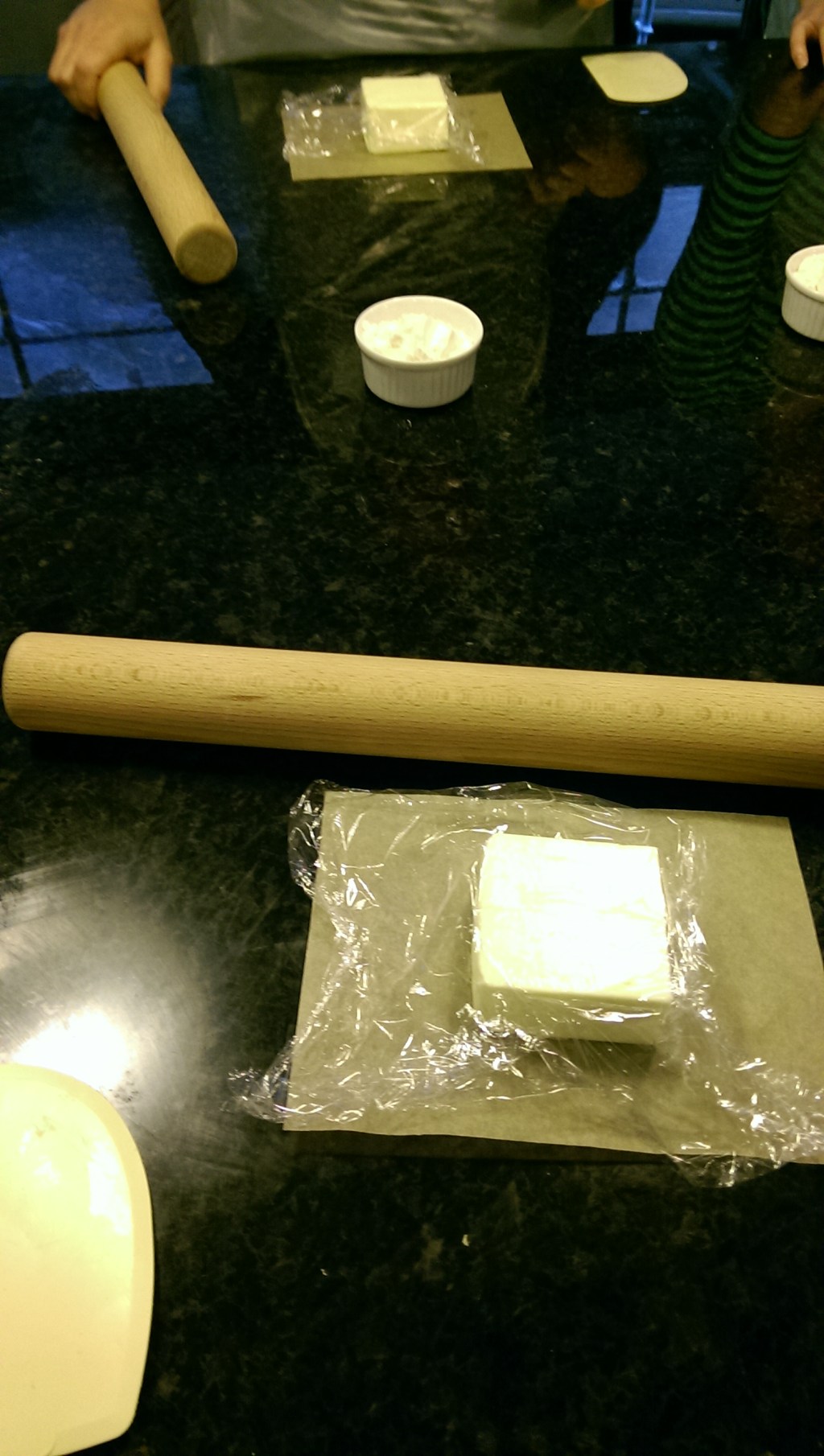
So what better way to appreciate this fine crescent pastry than to try out a croissant baking class in Paris and learn from some professionals. I chose Patisserie a la Class. It was a small class of about 6 people which was great to be able to get some help. A whole block of butter went into the making of our 8 croissants and pain au chocolat.
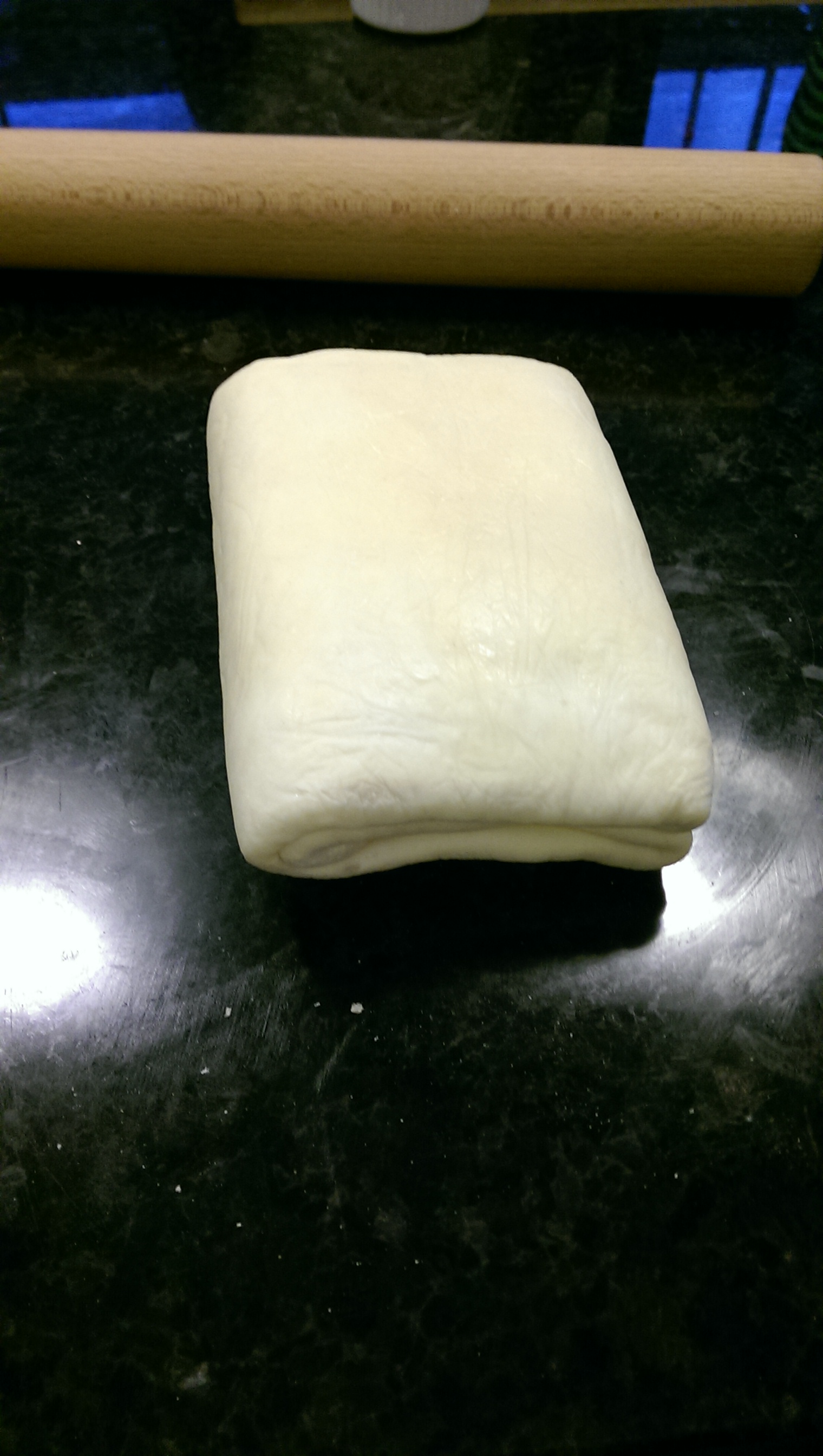
There was a lot of rolling and incorporating the butter into the dough which then needed to rest overnight. Luckily, they had pre-prepared for us (maybe from yesterdays class) an already chilled dough mixture ready for us to roll out and roll on into our viennoiseries.
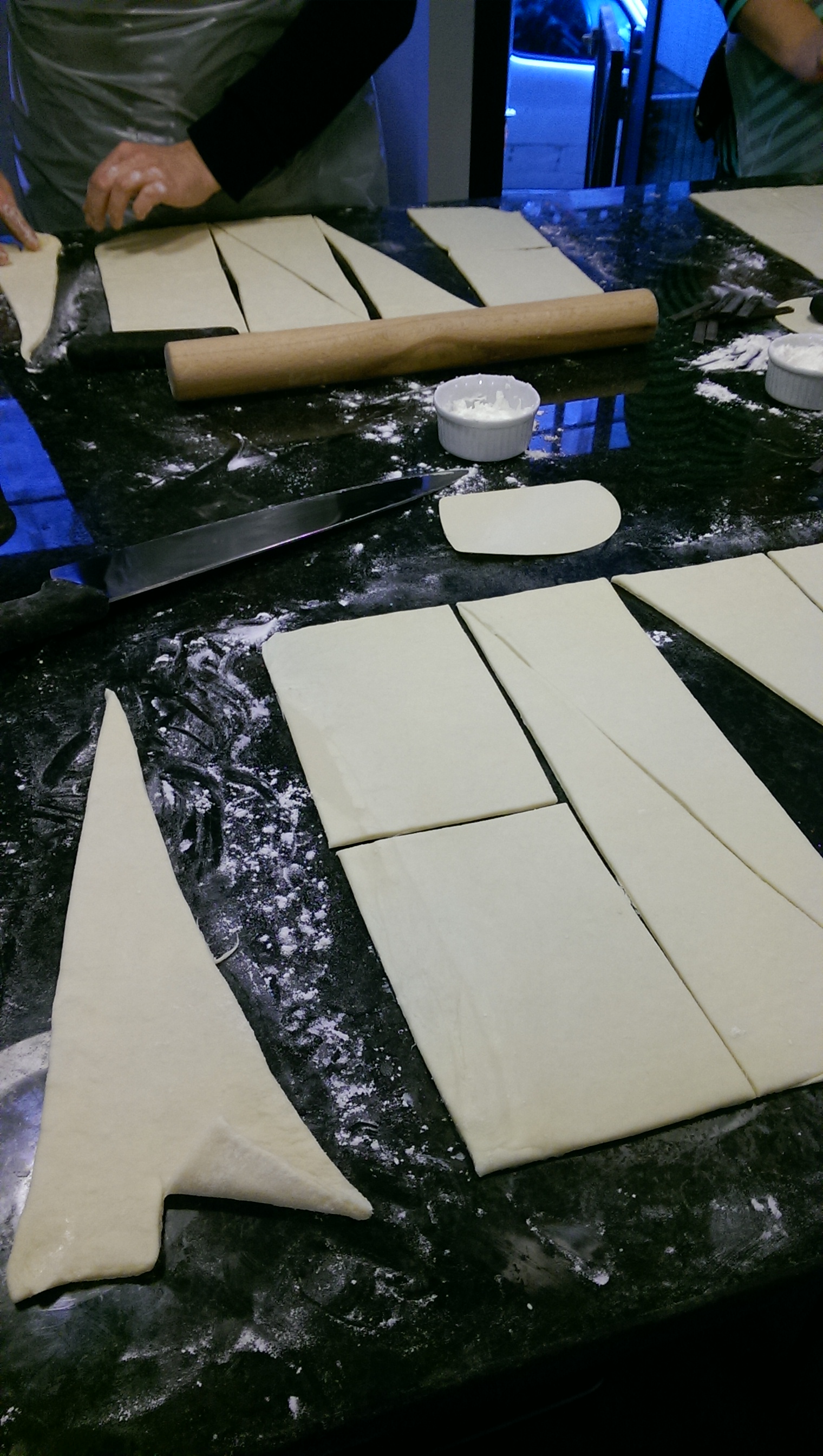
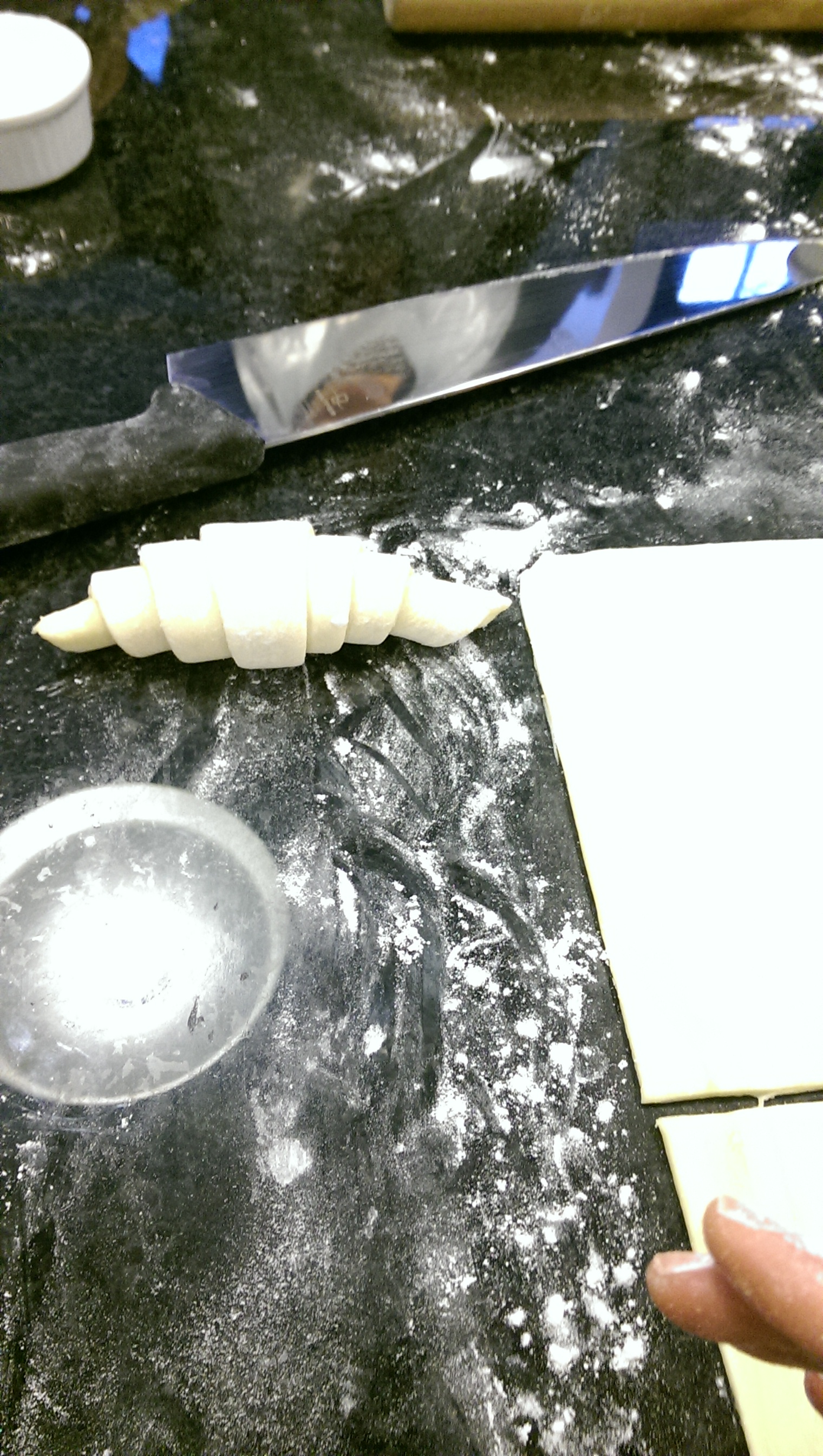
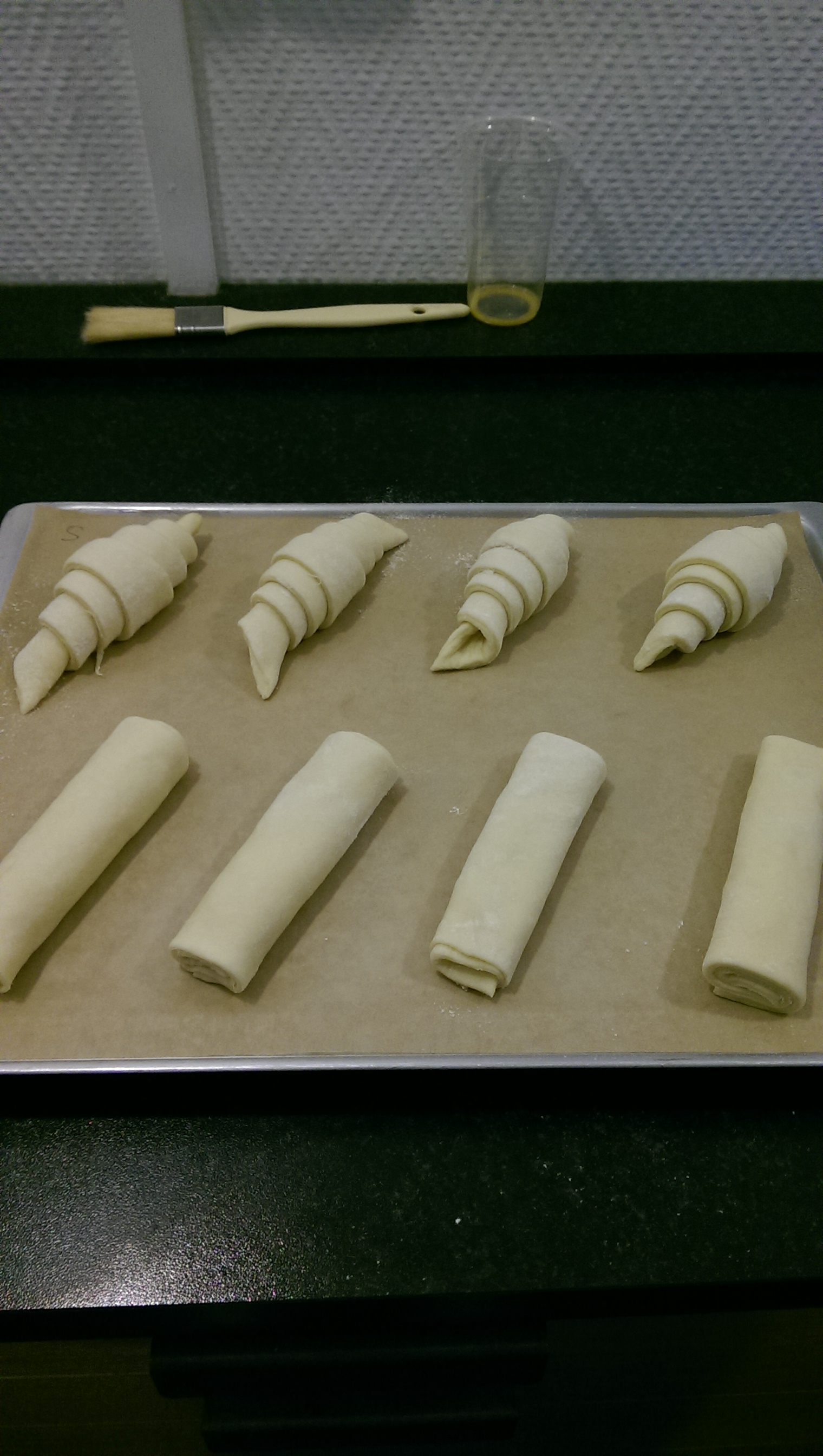
We rolled out the dough and then cut triangles for the croissants and squares for the pain au chocolat. The croissants were so alluring already in their unbaked form- look how symmetrical it is!
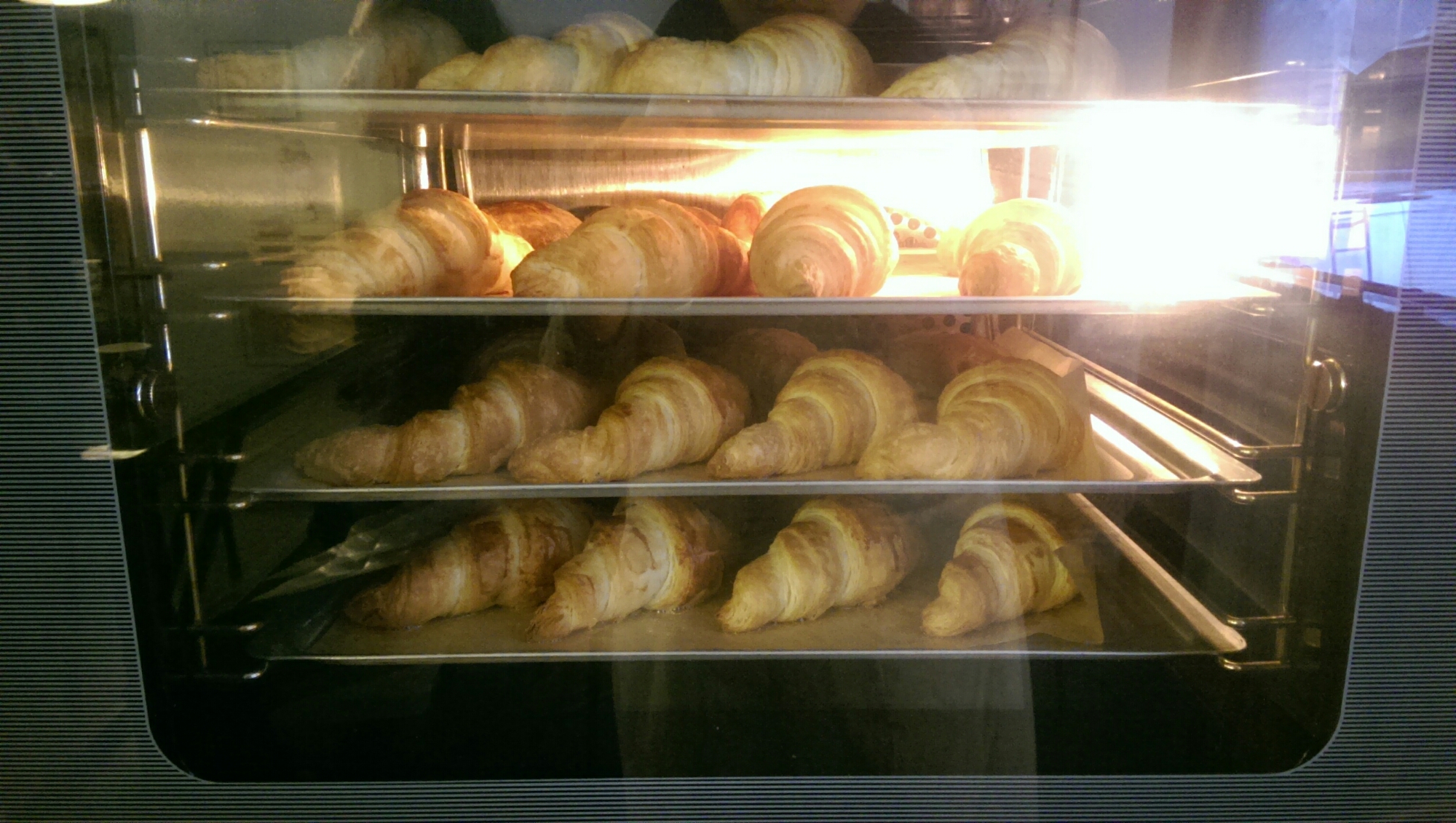
With a brush of egg mix over the top, they were ready to go into the oven to be baked. The smell of them cooking as we waiting was heavenly. The smell of baking good and freshly baked bread just makes me drool!
They were of course, delicious! It was such a fun and I learnt so much about the art of croissant making. I had infact tried to recreate this back in Sydney but I don’t think we had quite the same flour and yeast. Perhaps it was too hot but the butter was melting out of the dough so something was not quite right!
Whether you like them plain, with jam or modernised with matcha powder or loaded with chocolate, there is no denying that there is a fine art to making these! Any other croissant fans out there? Have you successfully made them during this lockdown? Let me know!
I personally have been really liking this change. It’s forced me to slow down more and focus on refining what I do on a day to day basis. Being lucky enough to work from home, I just have so many more hours. I channeled my time into food and trying to eat better, making different recipes and trying new food combinations to ensure a balanced diet.
I had all these nuts in the cupboard which just taste so much better when they’re toasted! So I toasted almost everything that I had and placed them out in jars on the tabletop so that I could reach for them as a snack. They may be small but they are filled with so many great nutrients!
Next, was exercise. In the normal day to day grind of preparing to go to work, stressing in traffic and then having zero hours of the day left to yourself was a thing of the past. It’s so much quieter outside so I’m making the most of the early morning peace to start my days with a quick yoga session. I also try to go for a walk everyday- yes, when working full-time this is sometimes an impossible task.
Third was finding some inner peace. I’m not really sure how to explain it but having places to be, people to see and trying to ‘keep up with the Joneses’ (trying to keep up with what’s cool and happening) is tiring! I actually started this whole period keeping up with the news and wanted to know every hour what was happening in the world. But I noticed I was in this cycle that wasn’t very productive for me. I don’t really need to know what is happening every hour! I’ve since limited my news exposure and checking once every few days is now enough to have a quick summary of what has been happening.
Instead, I’ve really enjoyed watering and looking out for new leaves in my indoor plants, tidying and finding new view satisfying ways to place things and simply enjoying the morning sun.
Have you created any new routines since being in lockdown? What have you changed in your life and/or want to change? I’d love to know!
I hope you are all keeping well. I think I’ve revelled in all the current changes long enough and now to put finger to keyboard.
I’ve been wondering now what life will look like after this pandemic is over. Whenever that will be. I know of many people who are without work or have been asked to work less which has a significant impact on day to day life, life plans and wellbeing. Businesses are struggling and millions of people across the globe are wondering whether they will have jobs into the future.
And in particular, I am wondering what the world of travel will look like once this is over. With most countries closing their borders, I wonder if travel will actually become more difficult and become a lengthy process. Will the citizens of towns and cities even be open to accepting foreigners? Will there be choices of small business cafes, boutique hotels and local resturants as there once were? Can we all find the motivation and will to create art? Happiness? And all the beautiful things that we have had for so long?
I did have my period of time of complete distraction and wanting to find out every minute what was happening across the world. But I have stopped and tried to focus on staying well and healthy. I think it is what many people have now come to realise after being forced to remain at home.
I have been lucky enough to still have work and be able to work from home. This has brought on its own challenges but I’ve created a new routine of waking up early, doing some yoga and going for a walk before my working day begins. I’m also making sure that I enjoy the silence every morning and night.
I like how quiet it has become on the streets and how clean the air feels. I like that more people are outside walking and riding bikes.
What do you think will happen in the travel industry?
Berlin, I’m still undecided how I feel about this city. On the one hand, you have the biggest fans who all announce that Berlin has so much to offer and there are so many things to do vs the nay sayers who downright dislike Berlin.
I guess you can’t spend time in Germany without checking out the capital after all, it holds so much history and provides a modern city where start-ups and small businesses can thrive.
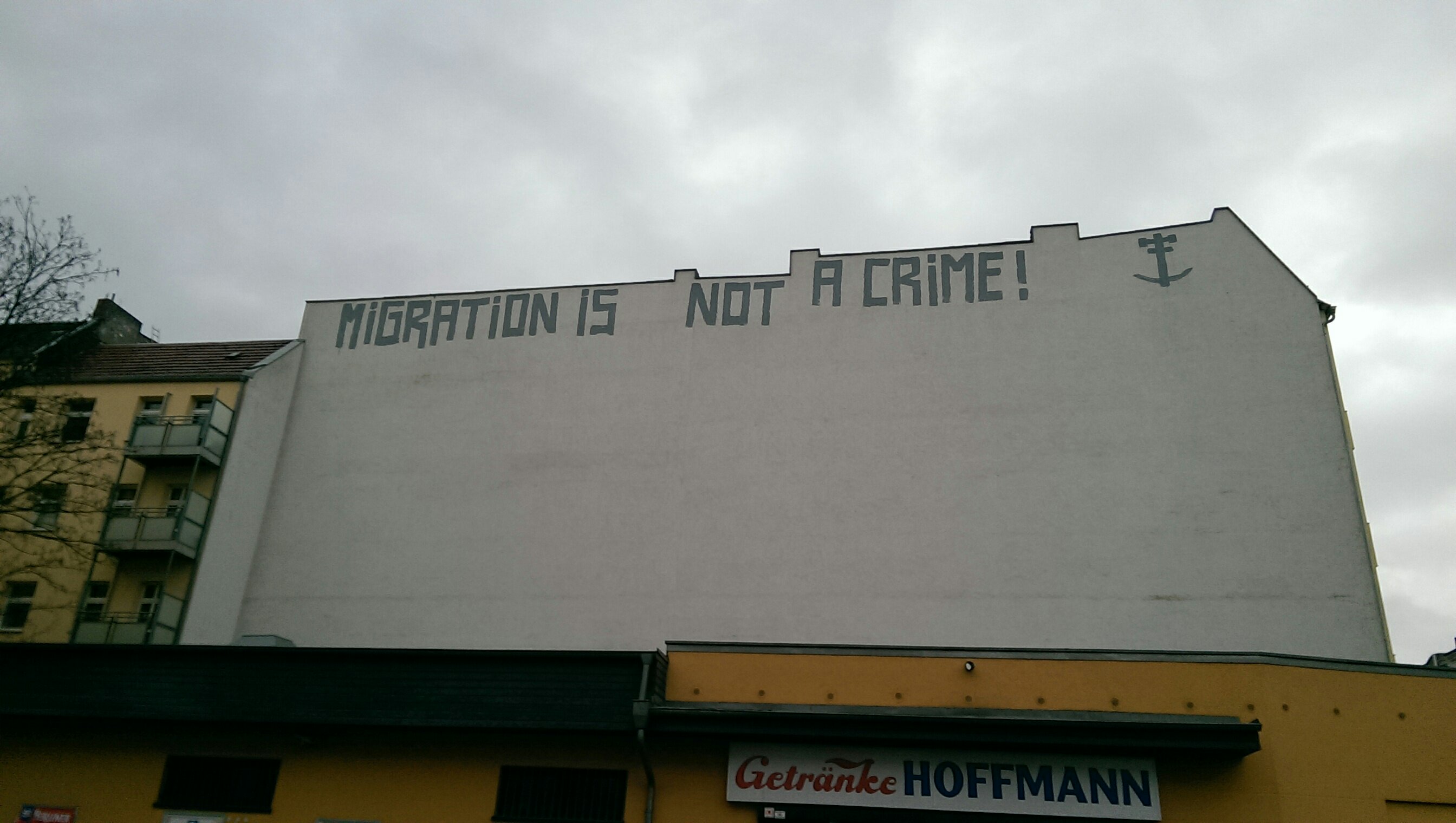
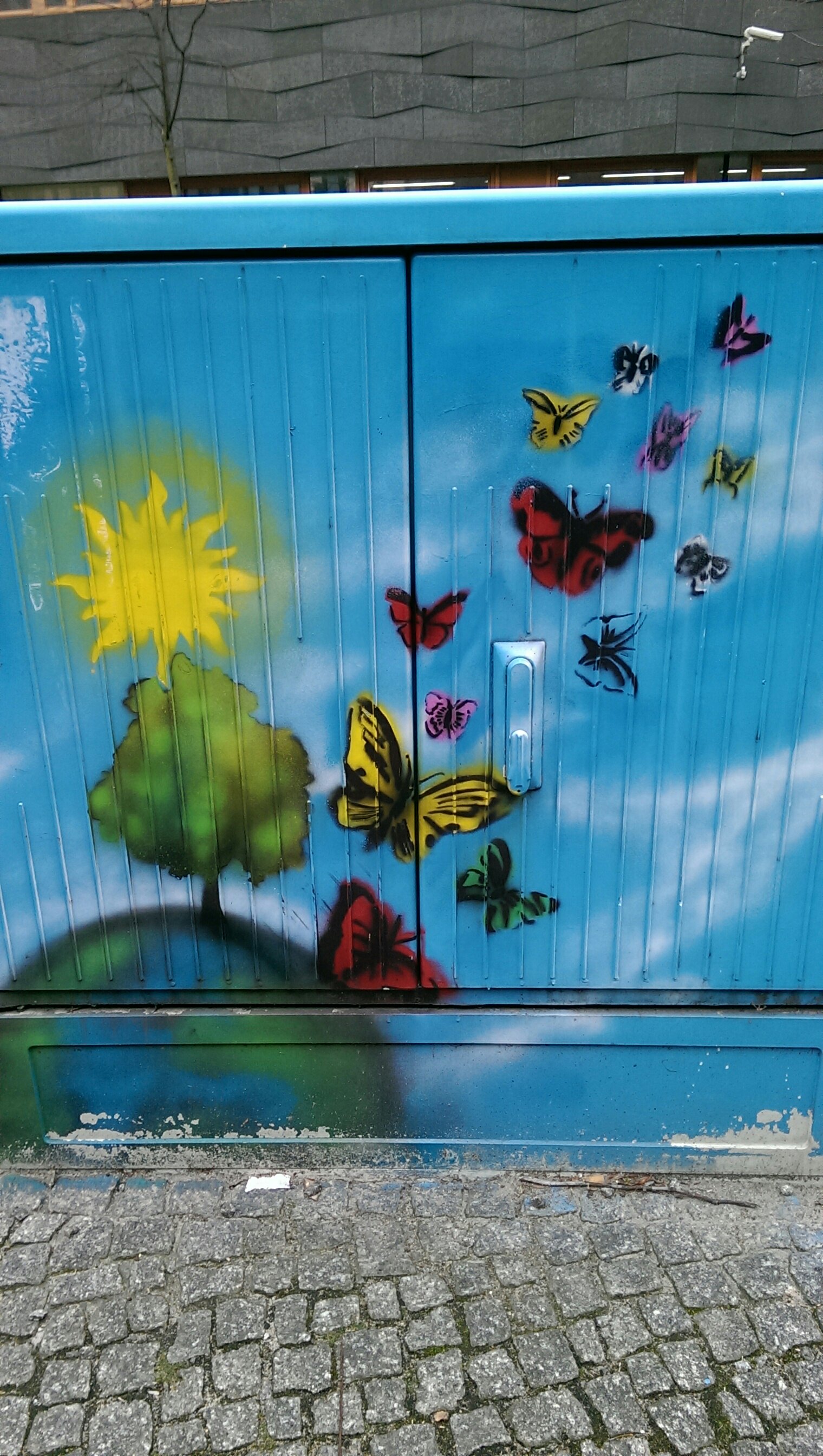
Leopoldplatz local graffiti
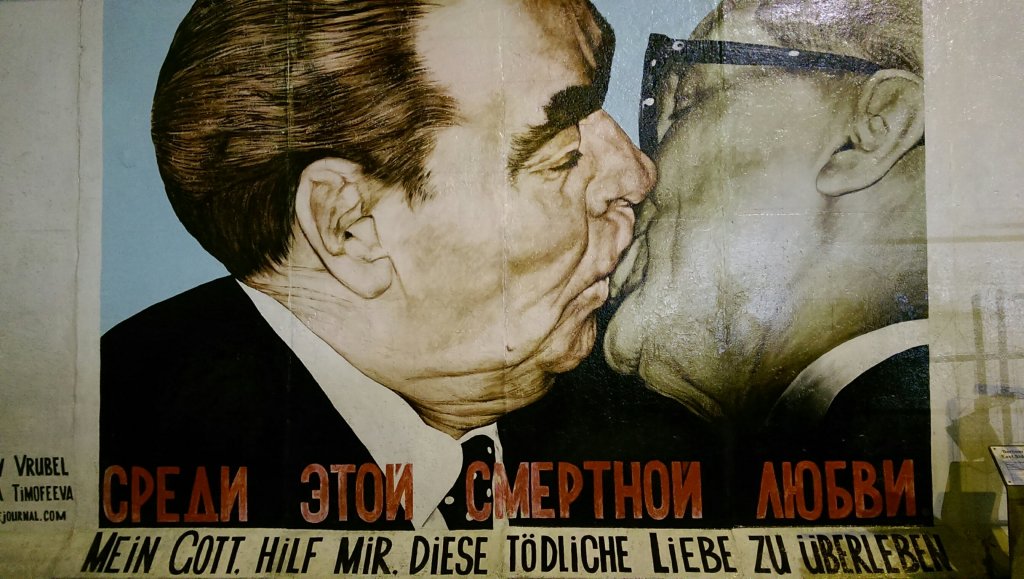
I arrived via train at Berlin Central Station and my first thought was how bloody big the station was. I’ve never seen a 6 storey train station before! I met my sister and we got our public transport tickets and headed off to our Airbnb in the Leopoldplatz area. This was actually a very multicultural area and very family orientated area. After getting acquainted to the area, we headed off to see the East Side Gallery- murals on the wall that once divided east and west Berlin. We slowly walked almost the entire length of the wall and I really liked the political ones and thought that it was cool that it could still be displayed. We then stopped nearby for a quick dinner then headed back early.
The next day I headed out alone as my sister was unwell. I wondered downtown to take a free walking tour but arrived early so had enough time to find a bathroom. One of the things I hate about Europe is the fact that you have to pay to use the toilet everywhere! I went to one in a department store and felt completely cornered and hassled to pay whilst locals were just freely walking out.
Our walking tour took us to all the main sites, Museum Island, Gendarmenmarkt, Hitler’s bunker, Berlin Wall, Jewish Memorial, Checkpoint Charlie and the Brandanberg Gate. The city was really lively despite the gloomy weather. After the tour, I went back to the Jewish Memorial where I wanted to walk through the memorial as the floor is uneven and height of the blocks also not uniform and it’s suppose to be a very disorientating experience. Unfortunately, there were other adult tourists running and playing hide and seek amongst the memorial! I didn’t get my reflective moment as I had hoped. After the memorial, I went to the Typography of Terror which was more of a photography exhibit but I still thought the information and pictures provided were quite informative.
Berlin Cathedral
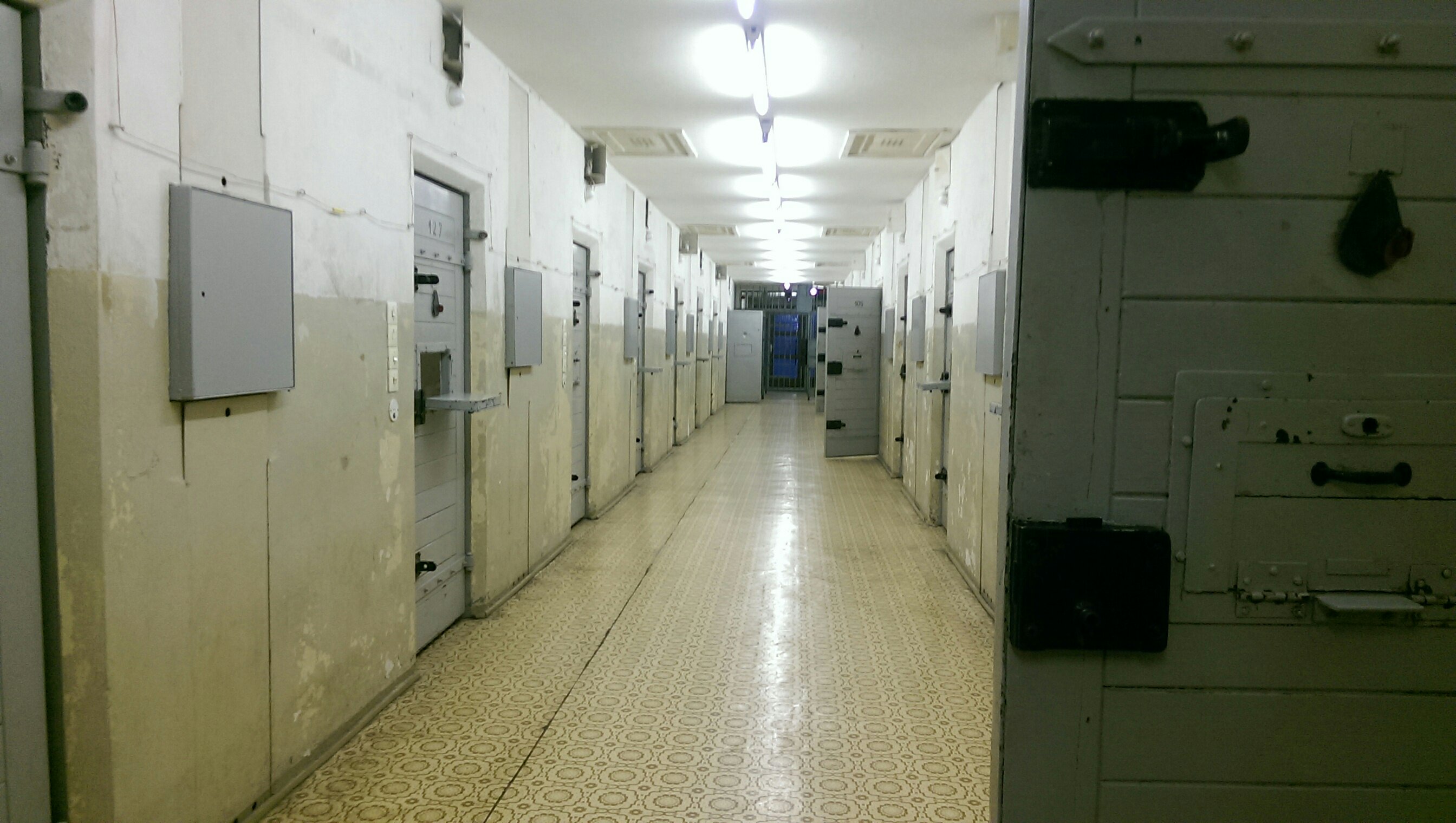
The next day we headed to the city centre and went to see the Reichstag building and Cathedral. We were just having a stroll before heading back to the Airbnb for lunch. In the afternoon, I went to the Berlin Hohenschönhausen Memorial which was formally a Stasi prison. It was just an ordinary factory/office looking building in suburbia but was actually a prison and interrogation camp. I went on a guided tour (most are former prisoners) and we were able to walk through some of the areas. It was eerie and uncomfortable. This place was left off maps so that no-one knew and psychological interrogation was widely used. Prisoners were transported in vans painted with fruits/vegetables so that no-one would suspect anything. If you are into modern history, this museum is a definite must visit. The guided tour is roughly 2 hours but I would have happily kept listening to more information for another 2 hours.
Prison cells in the Berlin Hohenschönhausen Memorial
The next day was Christmas Eve and we had predicted that many places would be closing early or already closed. First thing on our public holiday to do was iceskating! We went to Potsdamer to a rink there as we had seen it was free except for shoe hire. The rink was small but we went in anyway. Nothing like freezing cold crisp air hitting your face. We thought we’d had enough after 35 minutes and left to go into the mall for some browsing. My sister wanted to watch a movie but I was still keen on site seeing so we went off on our different activities. I went to the DDR museum which was interesting but perhaps more aimed at a younger audience. It was also packed but I think it was because it was one of the very few things open!
I had some time to spare so went to Starbucks (wouldn’t be my first choice but it was open) for a hot chocolate and people watching while I waited for my sister. Once we met up, we went to the Weihnachts ZauberChristmas market and had some gluwein and assorted pasta and cheese dishes. I love Christmas markets and the general festive vibe despite the cold.
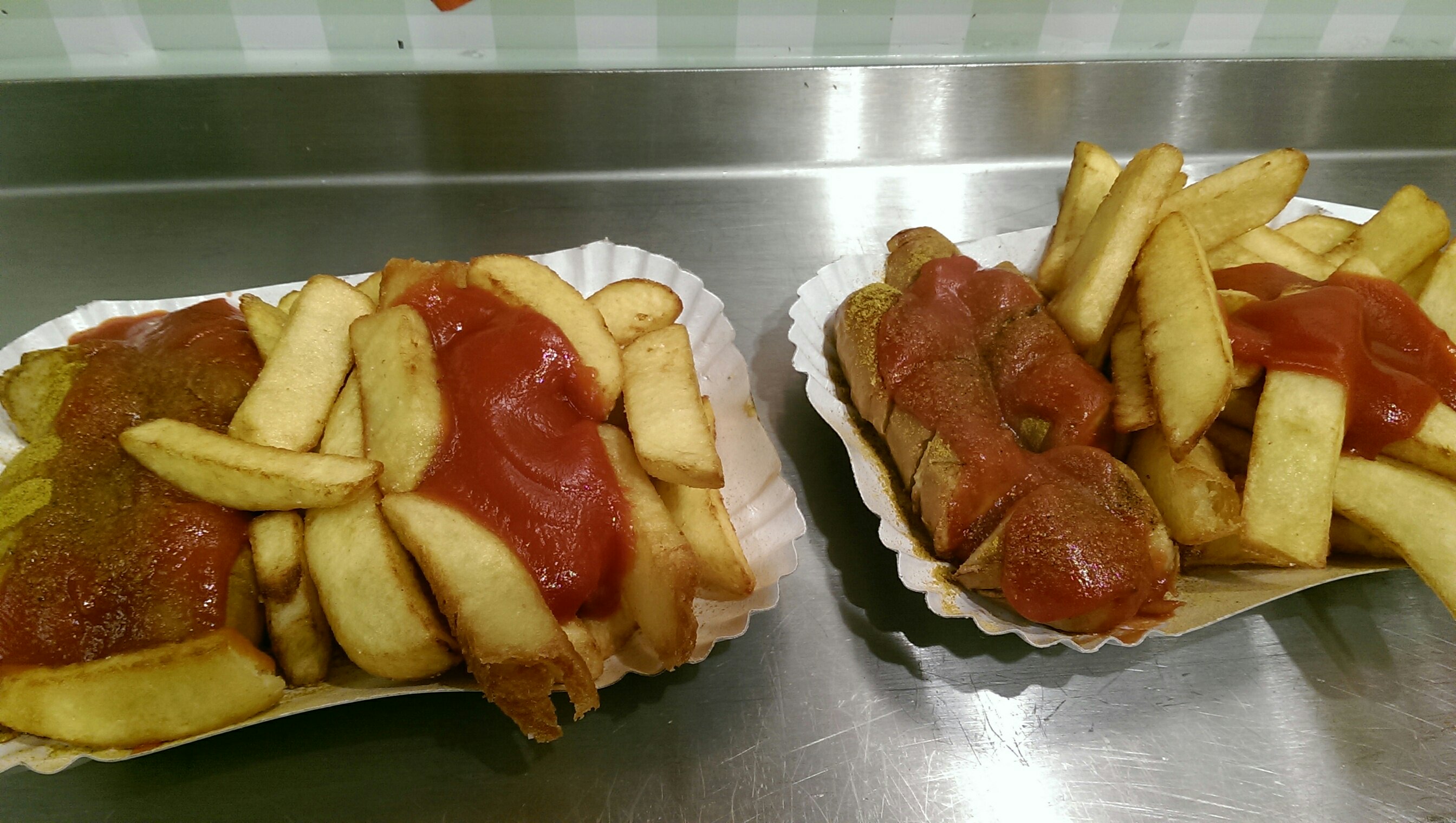
Currywurst
On the final day in Berlin, it was Christmas Day. We took out time in the morning knowing that there wouldn’t be much open. We walked around the Hackescher Markt and then split up again for the afternoon. I went to the Stasi Museum. After having gone to the Prison, I was ready for another super museum but I was disappointed! It wasn’t as interesting- maybe if I had taken a guided tour? I did think the spyware in the 1960s were quite advanced for their time.
We met up again after our afternoon apart and headed back to the Airbnb to finish our food as we were leaving Berlin the next day.
Maybe I didn’t get enough time to see the alternative Berlin that I’ve heard so much about but maybe also this city is just not to my liking? Let me know your thoughts on Berlin- are you a fan or not and why?
Interested in reading more about my trip to Germany? I’ve written about visiting Hamburg and Cologne.
One of the challenges whilst travelling is having to learn how to navigate another town’s public transport system. Some are quite easy (eg. Singapore, Barcelona or even Paris) whilst others are abit harder (eg buses!). As a local and public transport catcher in Sydney for most of my life, I’ve seen the city change from having to have a different ticket for buses and trains to now, a revamped public transport system where you only need 1 card to take any of the public transport options. Long gone also are the tin can trains and buses with no air-con (all those memories of 35C+ days in those trains).
I hope these tips will be handy for your next visit here.
Opal Card The whole city transport network now accepts the Opal Card. This card works alittle like a savings card- you load it up with money and then tap on and off when getting on and off public transport. The card readers are at all the gates of train and ferry stations, immediately inside the buses and at the station on the trams.
As of 01 Mar 2020, you can now also use your debit or credit cards to tap on and off. If you’re an overseas visiter, check with your bank as transaction or conversion fees will apply.
If you are arriving at Sydney International Airport, you can get a card at any of the WHS retailers inside or at the Sydney International Airport train station. As of the 01 Mar 2020, the card is free if you top up with a minimum of $20 for an adult card (or $10 on a concessional card). You can top up your card at any train station from an automatic machine, most newsagencies or online.
For more information, the Transport NSW website here has more.
Sydney International Airport to City The Sydney International and Domestic Airport stations are privately owned so the cost of using these stations is alot higher than every other station. At the time of writing, for an adult it is $19.03 aud (one way) and $15.72 aud for a child (also one way) if you are coming or going to the city centre. If you’re travelling alone or couple, this would be the cheapest option to get into the city centre compared to an uber or taxi especially during peak hour traffic.
Train Sydney has a huge rail network that spans about 60km across the Sydney area. The rail line goes beyond and can take you to the Blue Mountains, interstate to Canberra or even to the otherside of the state to Broken Hill. There are some major hub stations (eg Town Hall, Central, Wynyard, Strathfield or Parramatta) but most of the stations will just have 2 platforms for each direction.
I think the trains are the easiest to catch. At all stations, there will be screens showing you the next departing train, what stops it will have and how long until it arrives. Most of the trains now have signs within the carriage to tell you what stops are coming up and what the current stop is. All train platforms will also list when the next train is arriving and all the stations it will be stopping at. You just need to know where you want to go and the rest is ok!
Train doors open and close automatically here, are all air-conditioned and the direction that seats are facing can be moved. We have double decker trains here! Beware, trains heading into the city at peak hour are often packed (standing room only) so I would avoid unless an absolute must. If travelling late at night or early morning, the guard carriage in the middle of the train is popular for safety reasons. Please ensure you wait until passengers have got off before going in.
Buses Cards are tapped on and off inside the bus. You will not be able to top up in the bus or at bus stops so be sure you have enough. By far the hardest to navigate, buses are tricky in Sydney. There are no indications inside the bus what stops there are (or even where the stops are) so this will require more homework than the trains. Our buses are coded by numbers to signify a certain route and by knowing this, will greatly help you in trying to figure out where the bus stops are. The best way is to just put your route into trip planner so you can see where the bus is and the stops.
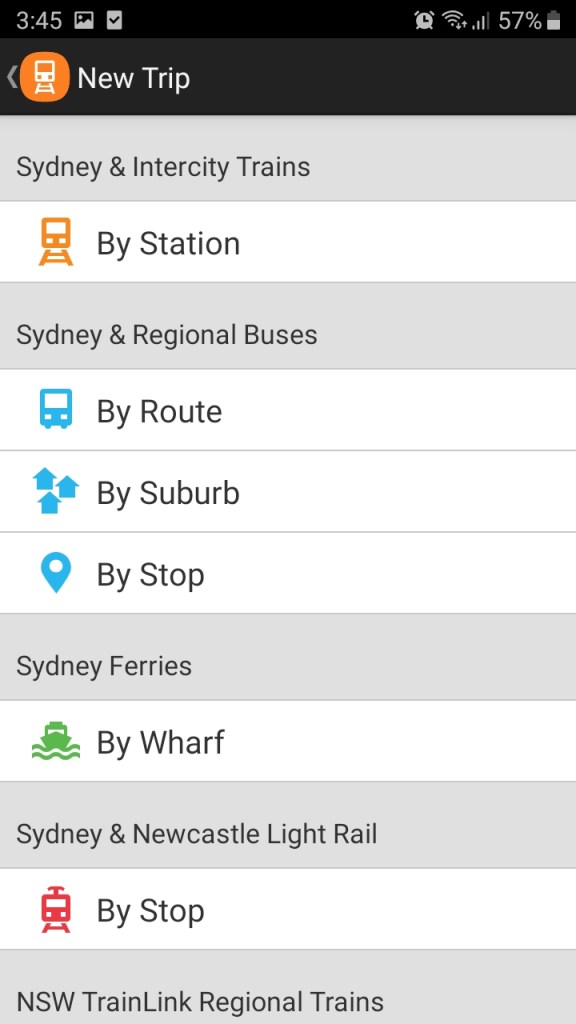
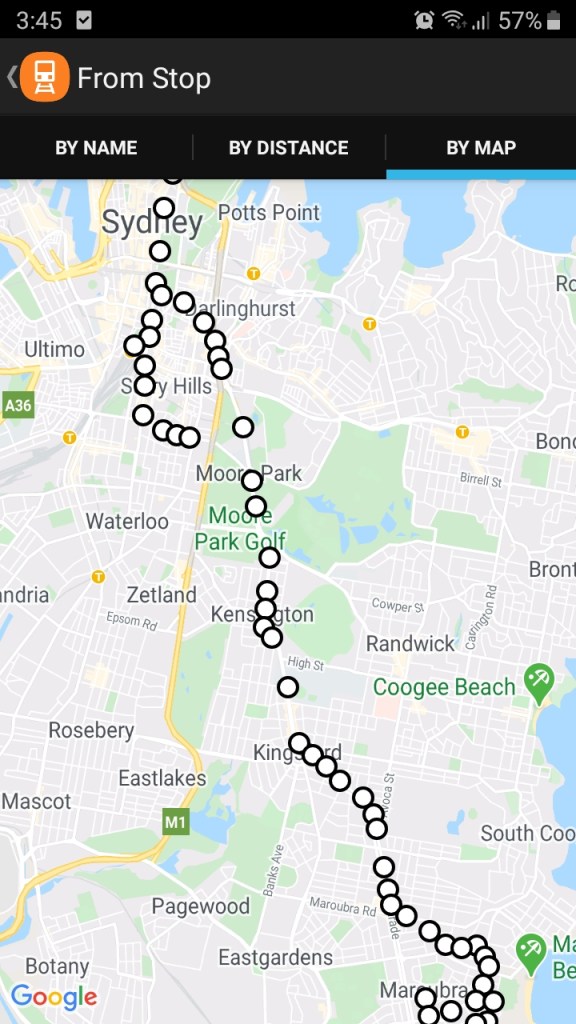
A great free app the use is TripView Lite. You can enter in where you want to go and from and it will bring up the train timetable, bus routes and timetable and even show you the bus stops along the route.
Make sure you wave a bus down for it to stop and press the buzzer inside prior to the stop you want to get off at!
Please note that the seats at the front of the bus are priority seats for prams and the elderly. If there is standing room only, please ensure you move to the back of the bus.
Pick any form of transport in the app
This is a bus route in the app with stops listed
Ferry The ferry network is quite small due it only operating within Sydney Harbour and is also easy to navigate. For a map click here. Circular Quay is the major ferry hub- you will likely be here during your trip if you are visiting Sydney. Ferries to and from Manly and Taronga Zoo run from here.
You tap on when you get onto the wharf (no need to tap off). Please note that if the weather is bad, the ferries can get cancelled and you will need to seek an alternative form of transport.
These have the best seats (and views) of all the transport options as there are outside seats!
Trams Sydney has had 1 tram line operating for years and in 2019 has just welcomed another tram line. There are currently 3 tram routes now open.
– Central to Lilyfield – Circular Quay to Randwick – Circular Quay to Kingsford
Tap on at the tram stops before boarding and after alighting. The trams indicate what stations are coming up and what stops there are on the line. The Circular Quay to Randwick tram runs along George St in the city centre and is also a good option instead of walking!
Let me know what you think/thought about the public transport system in Sydney and if you would like to find out anything more.
This post contains affiliate links where I will earn a small commission if you make a purchase through these links and will not cost you anything extra.
You’ve saved enough money for your airfares and are now trip planning on where you will stay, what you will see and what you will eat. We all like to save (more money to travel with!) so here are my learnt tips and tricks on how to save money while travelling.
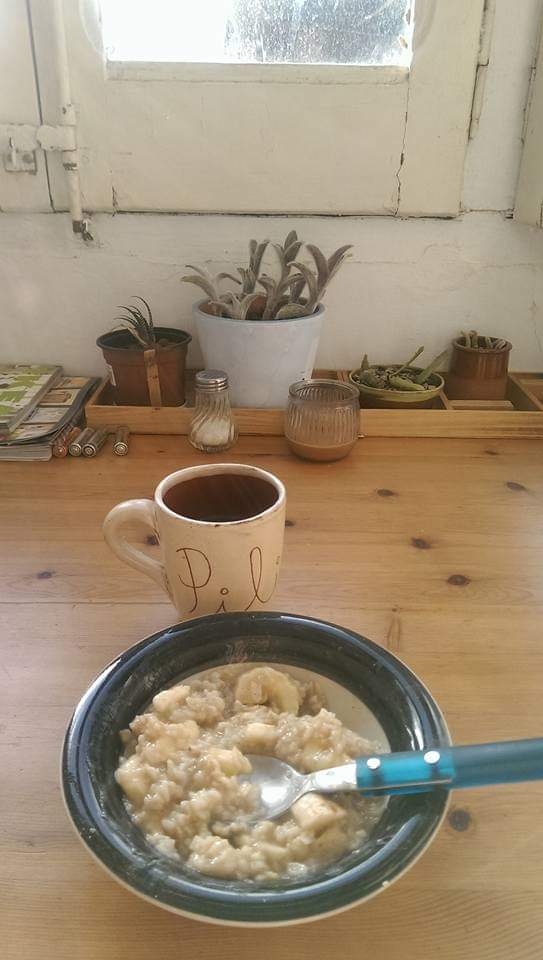
Airbnb made breakfast
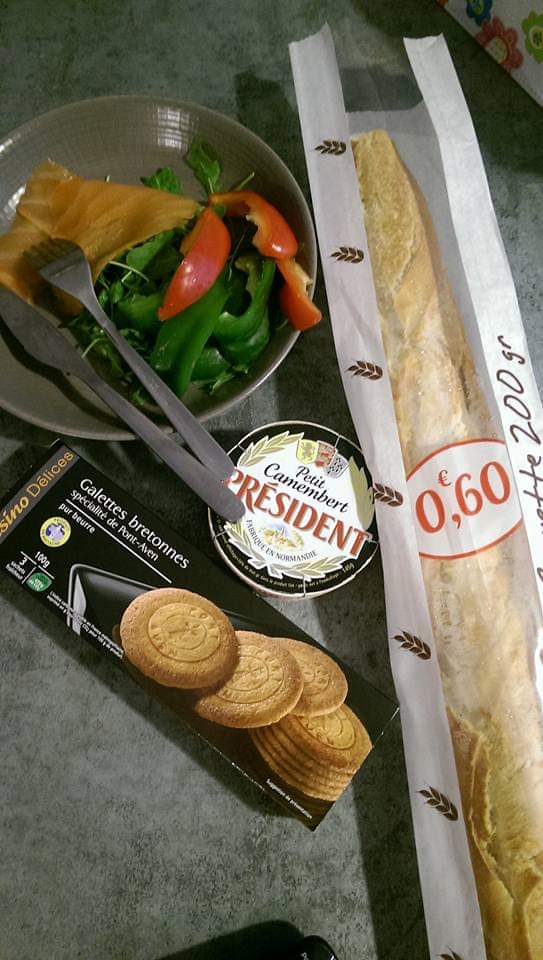
Buy your breakfast from the grocery store Breakfasts are not cheap when eating out and in some cities, can be more expensive than lunch. Obviously, if you want to eat out at a cafe, by all means, but if you want to do half and half to save some extra cash, I find that this is super easy. Some yogurt, muesli, fruit or bread with a spread will cost you next to nothing and are also healthy choices.
Buy your snacks at the supermarket too It is likely that you will be on your feet for most of the day and burning quickly through your breakfast and lunches so it’s always handy to have something in your bag. It’s cheaper than buying something from street kiosks and specialty stores. Plus, you can bring some home for all your family and friends!
Stay somewhere that has a kitchen Related to the point above, you can think about preparing more of your own meals if you have access to a kitchen where you can prepare hot meals and utilise a fridge to store food. This also increases what you can eat. Porridge, sandwiches, pasta dishes etc. At a minimum, I usually want to have a fridge to use. These accommodation choices can be a hostel, hotel, B&Bs or Airbnb. Accommodation options can be booked through one of my favourite and most used websites: Bookings.com.
Make the most of free walking tours I love having a look at the available free walking tours in the cities that I will be visiting. I have found these very informative and great to get your bearings in a new city and you tip an amount that you want. It’s usually the first activity I do so I can get a sense of the town and learn the history of the town. Some of these tours are themed and will take you perhaps to suburbs or districts of a city that you would not have otherwise gone to. These are typically long (approximately 2 hours) so bring a good pair of walking shoes, water and snacks.
Use shared transport options Transport to and from the airport is usually costly so I always try to find shared options if possible. In some cities, there will be public trains or buses which are the cheapest options. However in other cities, these might not be available or they will not take you to where you are staying. There are usually private bus companies that you can book where you share with other travellers and the prices are alot cheaper than taking a taxi or uber. I have used these before and have found them to be reliable and safe. This does require some homework when trip planning though as they need to be booked ahead of time. A good place to start is by looking on Viator.
Have you also heard about Blablacar? It’s a car sharing app where drivers put in their destination and you book a seat. There might be others that have booked a seat too so you could end up with a very interesting car ride. All drivers and passengers are rated and I have found communication with drivers very easy to use over the app. I wrote about the pros and cons here.
6. Research your activities Many museums and tourist attractions will have free entry once a month or on certain days or nights. Have a look at the websites of where you want to go incase there are free days or evenings. These days will be popular so plan ahead what time you will go.
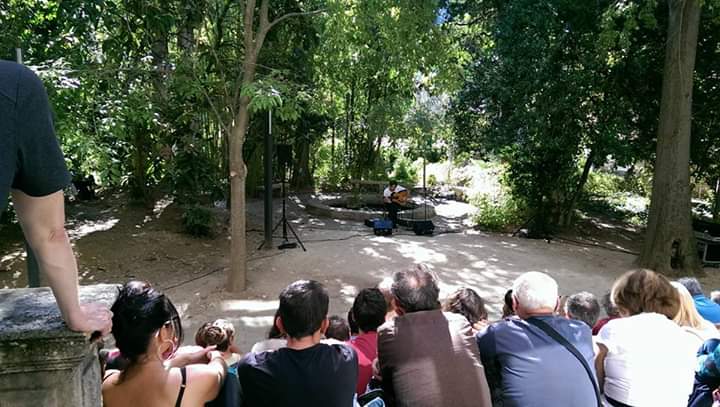
Chill out time in the park listening to music
7. Schedule in some chill out time Something that I am now trying to do more often- schedule in some free time where you can just walk around town or sit in a park or cafe. I know we get so caught up in having to see everything when we go on holidays but there is some peace about enjoying and taking in our surroundings when abroad. Find a place with a great view or a great people watching spot and observe life.
Do you have any other ways you save money while travelling? Let me know in the comments
The Amazon has always made me ponder what it would be like there. This interest must have stemmed from childhood and all the projects we did on the Amazon. Back then, it was a world away from my classroom! I think it is also the vastness, the infinite and sometimes odd animals that call it home and the mysterious natives that still reside there.
I have been fortunate enough to be able to see a cinch of the Amazon in my travels around Peru albeit only 36 hours but it was enough to leave me in awe and somewhat protective while still wondering what the depths of the Peruvian Amazon hold.
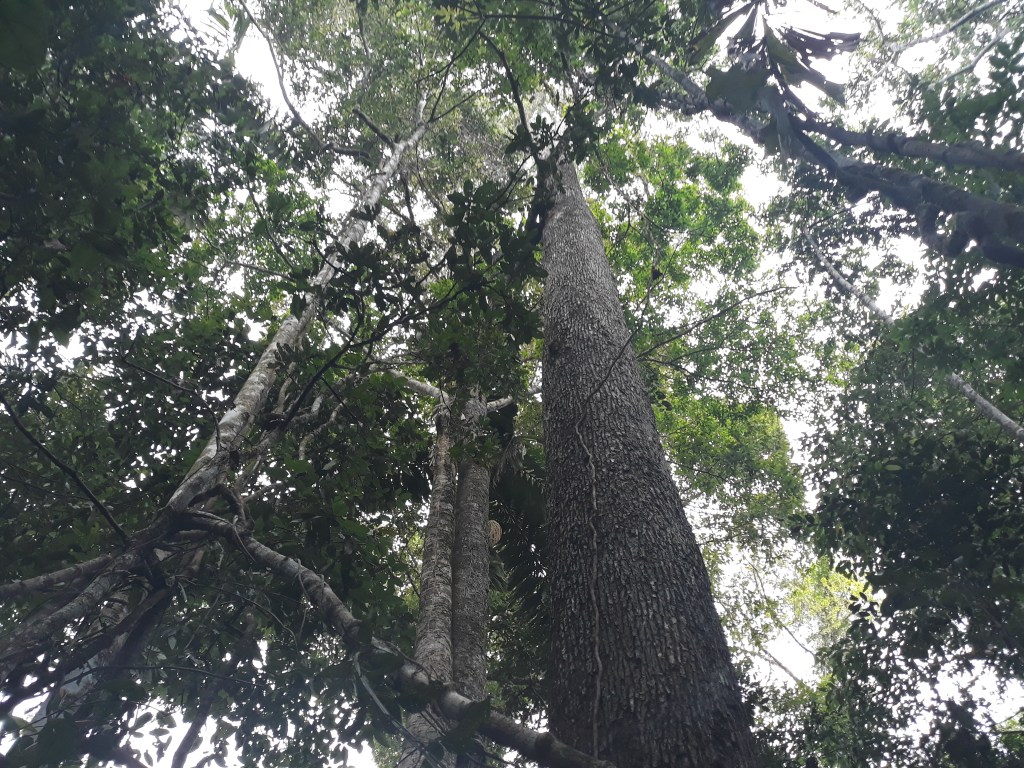
The canopy above us
Day 1 When picking which tour to take in Peru, I knew that I wanted one that went to the Amazon. We flew from Lima to the town of Puerto Maldonado in eastern Peru. Lima was quite cool in October, I even needed 2 jackets! Once we stepped off the plane in Puerto Maldonado though, we felt the humidity slap us in the face. We were brought by bus to the nearby office of the lodge company that we would be staying at. Here, we were each given a duffel bag to pack the belongings that we would need for the next 3 days. You may be wondering why we needed to pack our things into only a duffel bag, our trip to the lodge would be by a small boat!
Must haves:
Insect repellent
Sunscreen
Hat and sunglasses
Long sleeve shirt (I brought a linen shirt which worked perfectly)
Long pants and socks (for exploring!)
Binoculars (something I didn’t take)
Shorts and tshirts for hanging around the lodge
Reuseable drink bottle
Wet wipes
Camera
Torch and batteries
Getting into our boat
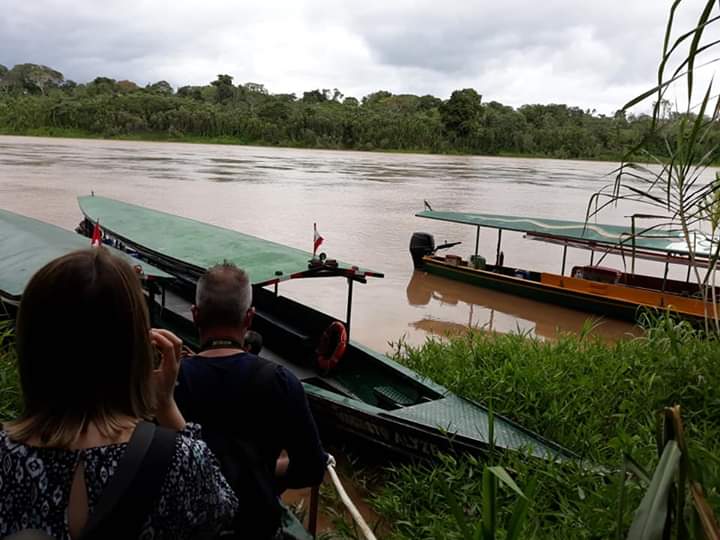
After driving for 30 mins through rural streets and through forest by bus convoy, we arrived at the river where out boat was waiting. During the boat ride we met our guides who would be with us over the next few days and got our serving of fried rice (chaufa) wrapped in banana leaf. We spotted cabybaras on the way setting up what would be a few adventurous days animal spotting. We arrived at our beautiful lodge 30 mins later. There was a main dining area for all our main meals (which were delicious!) and lounge area. It was an eco-lodge (woohoo!) where all the running water came from rain tanks and solar energy was being used to power the lights at the lodge. Everything has to be brought to the lodge via boat (and rubbish back to town).
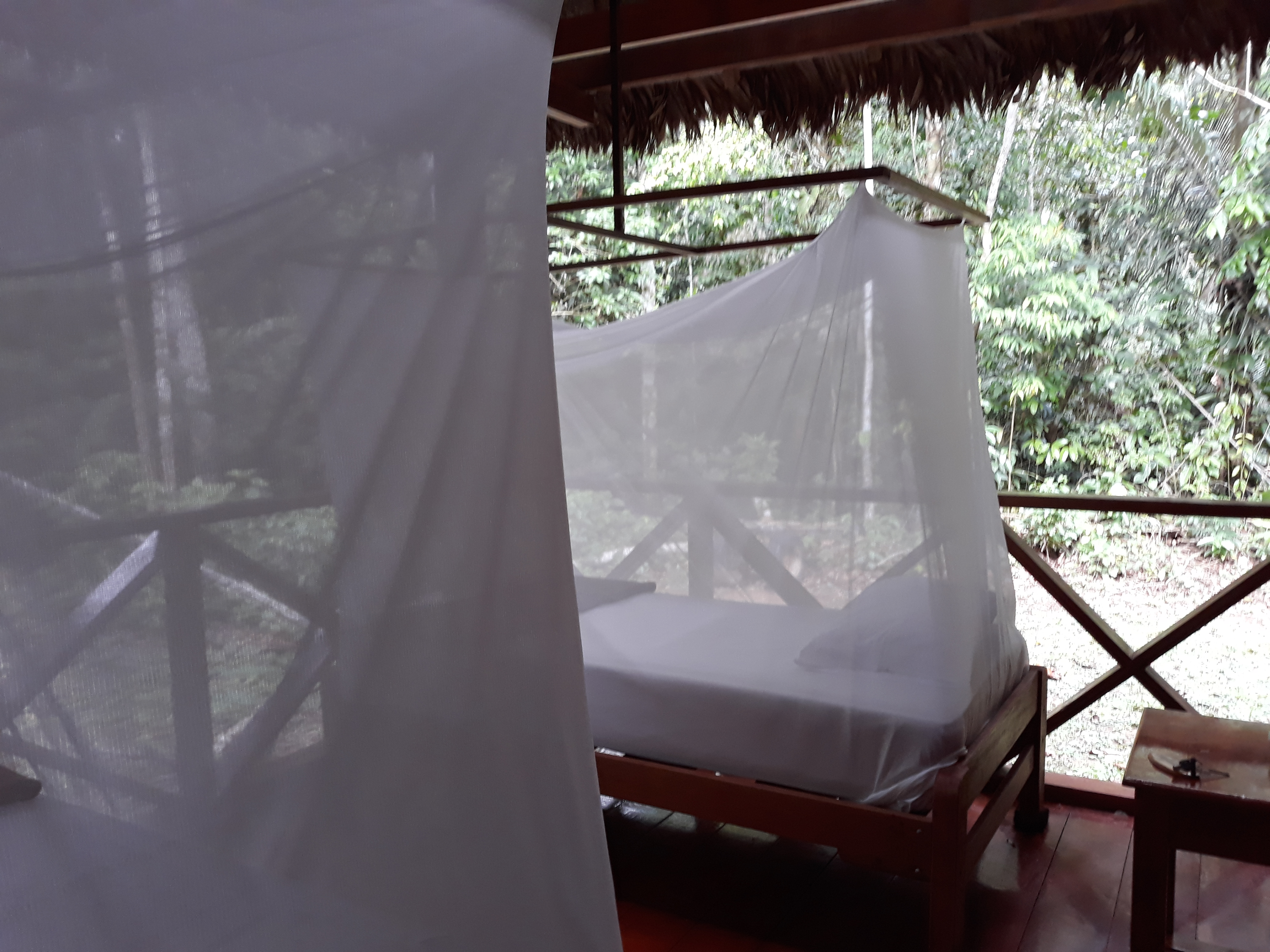
Our rooms were beautiful! Housed in a wooden structure, our common walls didn’t touch the ceiling meaning that we could hear all our neighbours. Each room had an ensuite bathroom and our rooms had 1 side of the room that didn’t have a wall and looked into the rainforest. My room was the last one in our block so I had 2 sides of the room that looked into the rainforest. I was so ready for my immersive night experience.
After we settled in, our group gathered for an afternoon walk through the rainforest. We were given gumboots to wear for all our rainforest walking adventures. The walking path we took was around our lodge so was already cleared which left me wondering why gum boots were needed (anything they weren’t telling us about?!?). We didn’t see many animals but could hear them. Our local guide explained some of the plants along the way and their traditional medicine uses and also gave us some general information about the rainforest.
My room
The part of the rainforest that we were walking through wasn’t as dense as I would imagine other interior parts of the rainforest would be. The trees which were hundreds of years old, branched out above us and their trunk also branched out around us. As night started to fall, fireflies started lighting up around us and the sounds of the night animals and insects started. And so the night shift animals begin.
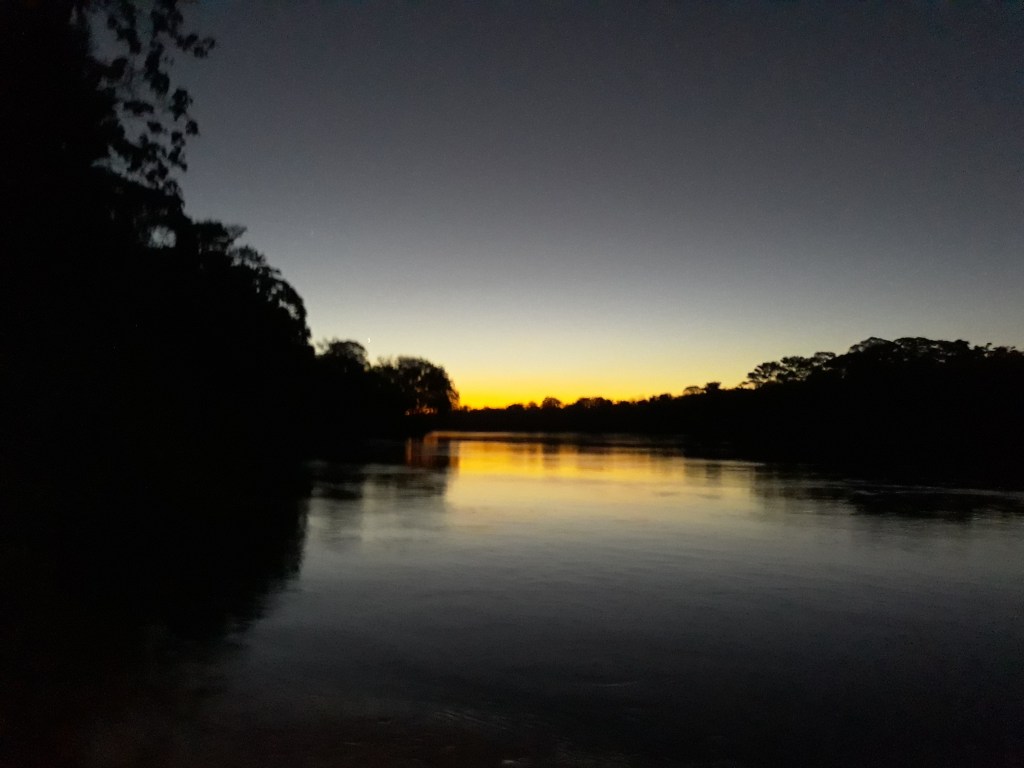
Once it was completely dark, our guide got us to play a game. We each had to stand 2km apart from one another along the path and switch off our lights. The group was dropped along the path and so started out 10 mins standing alone in the dark. I could hear branches cracking around me and obviously immediately thought it would be a jaguar. It was here, I also decided that the human eyes are rubbish at seeing in the dark. The canopy scattered the moons light around us playing tricks on my eyes making me think that I could see something. The reality was, I could not see anything. Our group members from the front then started picking everyone else along the way back to our guide and back for dinner.
After dinner, our guide told us that we would now try and spot some tarantulas! Our group were not so calm when our guide showed us all these burrows on either side of the path that we were on where the tarantulas might be. He managed to coax one out of its nest for us to see- my gosh, it was huge! All of a sudden, standing in the rainforest with nothing but our torches didn’t feel so safe after all. We were glad to be heading back to our lodge.
After our creepy crawly session, I wasn’t so keen on sleeping closest to the rainforest anymore! Nevertheless, I went to bed listening to the cacophony of nature around me with a smile on my face and was so thankful to be there.
I’ve split my experience into 2 blog posts because it’s really long- Part II here.
Have you been in the Amazon? Do you want to go? What did you love most about your experience?
Peru Tour: Intrepid Travel Amazon experience: Baawaja Expeditions
This post contains affiliate links where I will earn a small commission if you make a purchase through these links and will not cost you anything extra.
When figuring out how many days I would spend in Santiago, I was advised by friends that I should also visit Valparaiso- the bohemian art town 1.5 hrs north from Santiago. So, I booked myself into a one day tour that would take me there but also stop along the way for some wine tasting and a quick stop in Vina del Mar (not long enough for a beach stop but also it was still super cold!).
Picked up at 8am in the morning in a minivan, I met my new tour group which was a mix of an array of international travellers. After driving our of the bustling city centre, we hit the dry mountains just outside of Santiago. If you had forgotten about how hilly Santiago was, this was a great reminder. The motorway takes you into tunnels that go through the mountains and on the otherside, so. much. more. greenery. The hills were now filled with vineyards. We stopped for a coffee and bathroom break (complete with llamas) before piling back into the bus bound for Vina del Mar.
When we were just outside of Vina del Mar we were able to get sweeping views at Valparaiso- houses scaling up the mountainside and not a spare patch of land to be seen. The houses in Vina del Mar were fabulous- so grand and beautifully designed. Our first stop was the flower clock- functional clock on a bed of flowers. Can’t say it was very overly exciting but pretty and colourful and the only time I have seen such a clock.
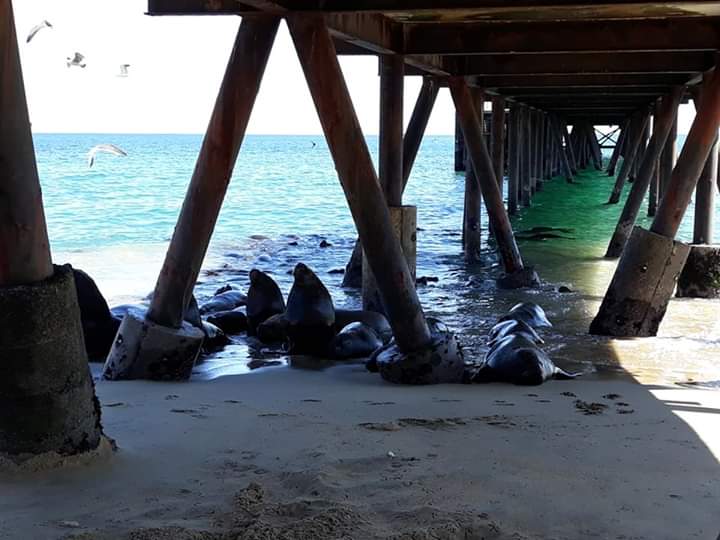
Next, we took a short drive to the local fish market and then got to see some sea lions out the back where the pier was! Gosh, they were huge and so nimble in the water. I’d never seen any before so what an experience to get so close to them!
Next, driving to Valparaiso!
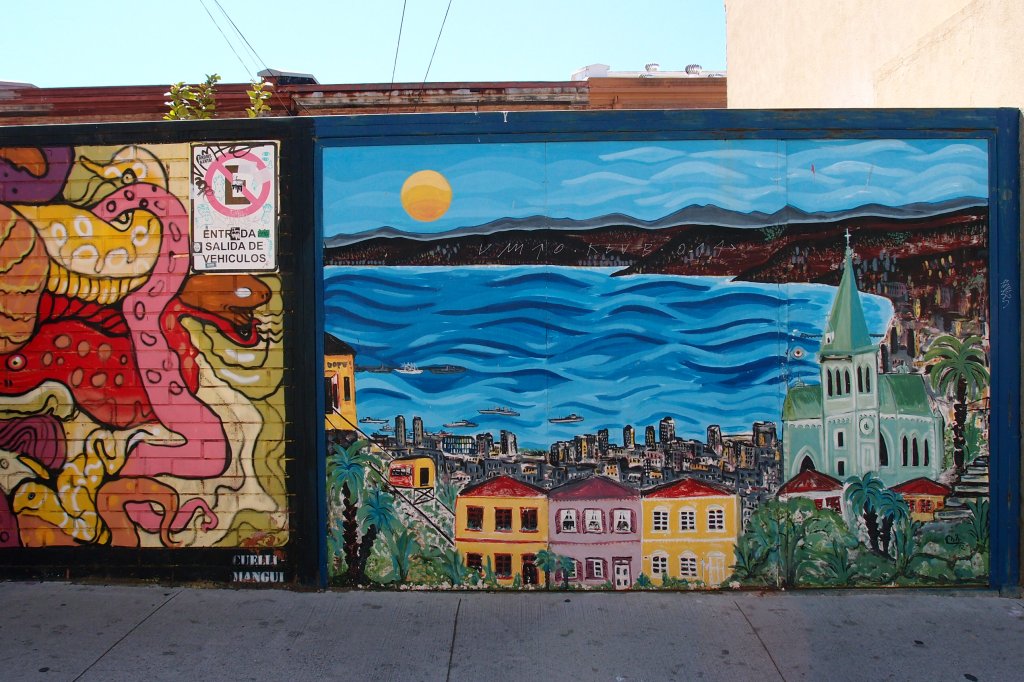
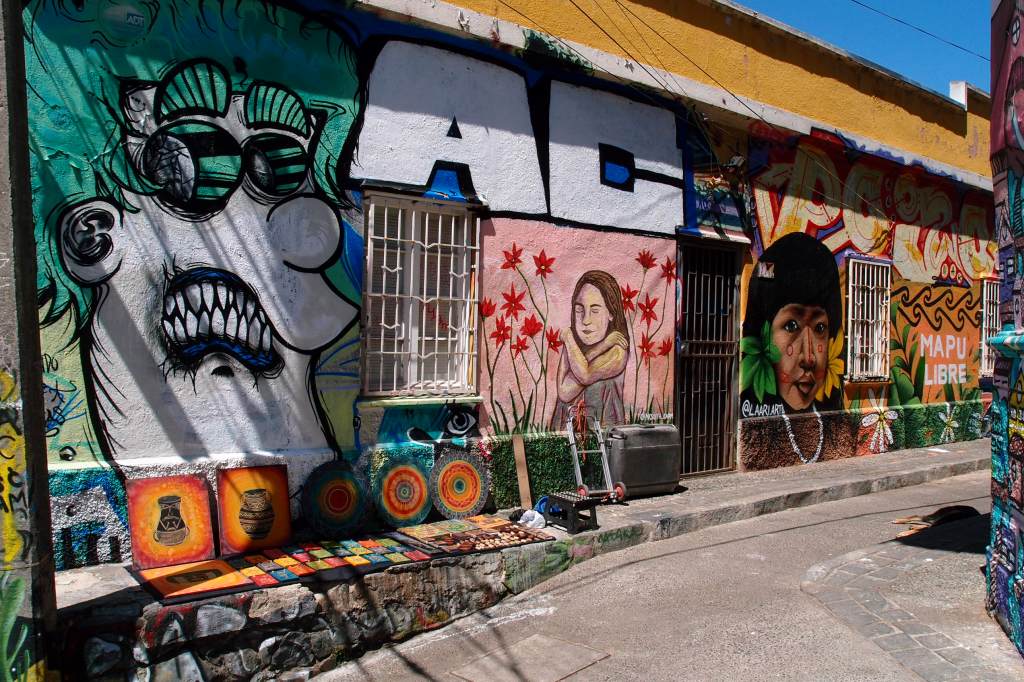
Valparaiso is a hilly city and famous for its furniculars around the town which are a fabulous idea for increased mobility around town. The town is also famous for its street art and houses the Chilean legislative congress and navy. From the images I saw on Google before the trip, I couldn’t wait to be surrounded by colour and let the inner artist (or lack of) revel in the street art.
Originally a port city, Valparaiso’s coloured houses were a way for fisherman to find their own way home. At it’s roots, this town was born from hard workers
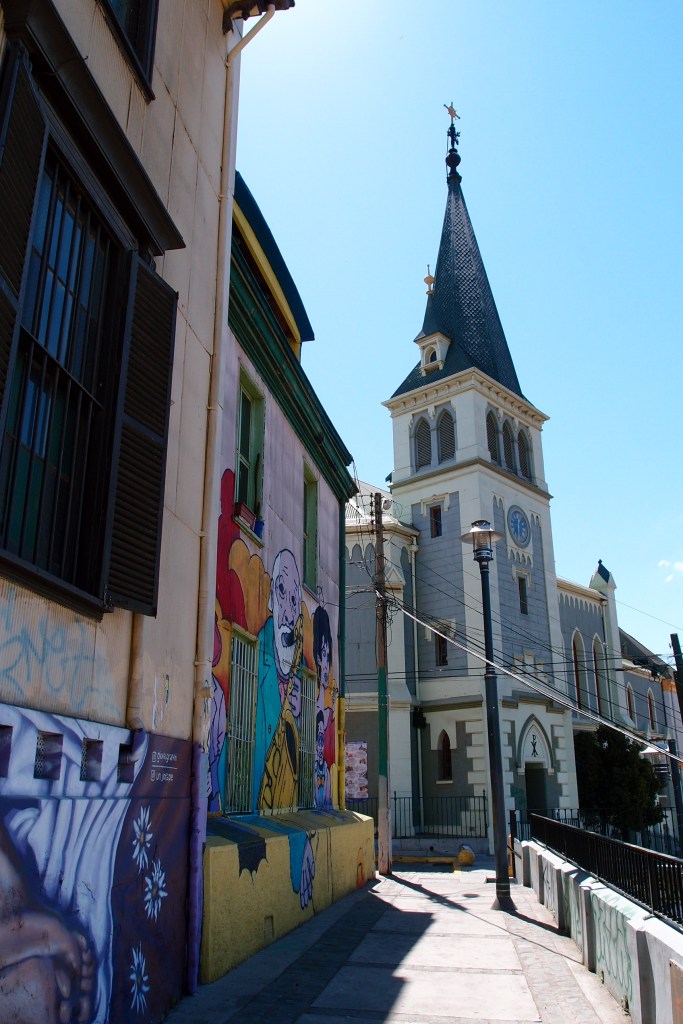
Iglesia Luterana de La Santa Cruz de Valparaiso
The area of Concepcion Hill is the main tourist attraction and seems to be more developed and happening compared to other parts of the town (and even Santiago). It would have been nice to have spent some time closer to the water where more of the Governmental buildings are. The down town area is more grungy and less polished but there appears to be some nice architectural buildings to see as well.
Back in Concepcion Hill, there were houses with their front facade completely painted, block colours and older buidlings that had some artistical charm. I liked the contrast between place to place which I think adds to the feeling of different puzzle pieces fitted together to make this Hill. There were some stores with local handicrafts and also sellers on the paths around the town. I was surprised that there weren’t more stores, cafes and restaurants. I became aware of the disparities in society in Chile on my trip but don’t know enough to write anything further. Perhaps this is related? Or maybe it’s left like this so as not to disturb the bohemian life?
In total, we spent about 2 hours walking around Concepcion Hill but I really would have liked to spend a day further wondering the streets and hanging somewhere looking out over the water.
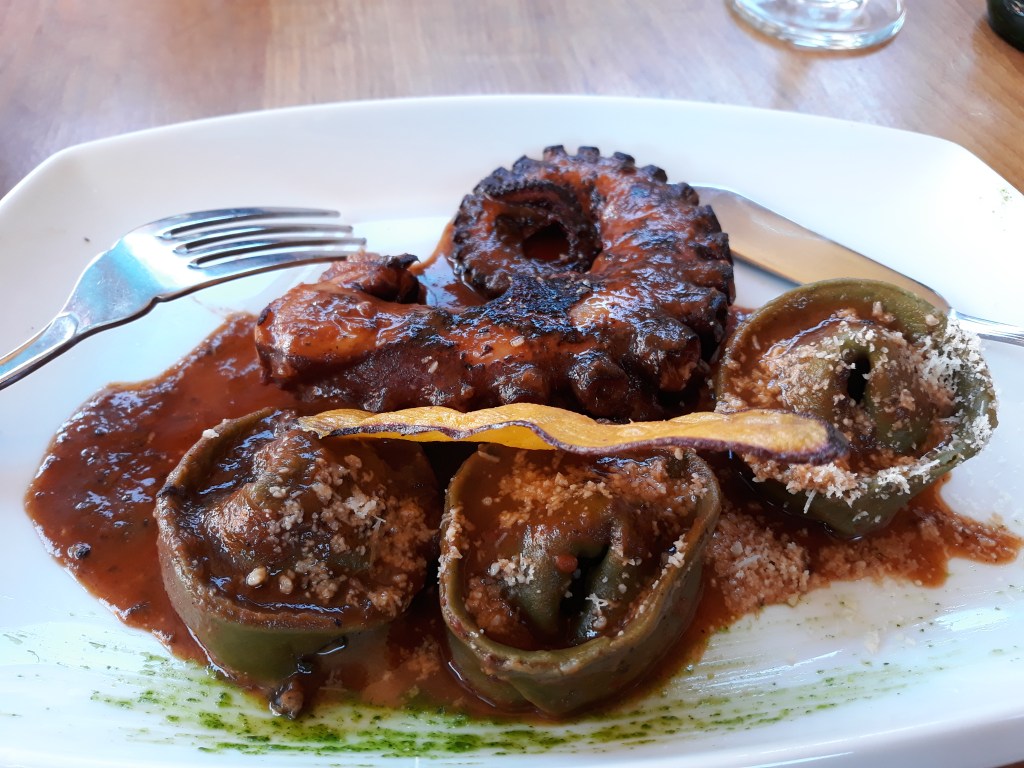
We had a lovely lunch break overlooking the water. Obviously seafood was my choice! After lunch, we started our drive back to Santiago and stopped in Casablanca Valley for some wine tasting.
To be completly honest, I’m not a very big wine tasting fan. I’d been on local wine tasing tours but have never been wowed into buying any wines. This hard critic, is not easily pleased!
It was quite a long day so I was happy to be dropped back where I could quickly have some dinner and go to bed. It was nice to see so many different things but I think if I were to go back, I would actually skip Santiago and stay out on the coast instead!
Is there anything else you would recommened to do in Valparaiso? Let me know in the comments.









 Lingo in Transit
You must be logged in to post a comment.